
Setting up your 50-gallon aquarium can feel overwhelming at first. You want a beautiful, thriving tank, but where do you start?
The good news is, with the right steps, you can create a stunning underwater world that’s easy to maintain. In this guide, you’ll discover simple tips and tricks to make your aquarium setup smooth and successful. By the end, you’ll feel confident about choosing the right equipment, arranging decorations, and caring for your fish.
Ready to transform your space and bring vibrant life into your home? Let’s dive in!
Choosing The Right Tank
Setting up a 50-gallon aquarium starts with picking the right tank. The tank size and type affect your fish and plants.
Choosing the right tank helps you create a healthy environment. It also makes maintenance easier and safer.
Types Of 50-gallon Tanks
There are several types of 50-gallon tanks. Each has a different shape and use.
- Standard rectangular tanks: Most common and simple to set up.
- Bowfront tanks: Curved front glass for better viewing.
- Cube tanks: Equal height, width, and depth, good for plants.
- Breeder tanks: Shallow and wide, ideal for breeding fish.
Material Options
Tanks come in glass or acrylic. Both have benefits and downsides.
- Glass tanks: Scratch-resistant, heavy, and less expensive.
- Acrylic tanks: Lightweight, clearer, but scratch easier.
- Glass tanks hold shape well and stay cool.
- Acrylic tanks offer more design options and better insulation.
Placement Tips
Where you place the tank matters. The spot affects the tank’s safety and fish health.
Choose a flat, strong surface that can hold the tank’s weight. Avoid direct sunlight to prevent algae growth.
- Keep the tank away from windows and heaters.
- Make sure it is near power outlets for equipment.
- Leave space around the tank for cleaning and maintenance.
- Consider a stand made for 50-gallon tanks for stability.
Essential Equipment
Setting up a 50-gallon aquarium needs the right tools. Good equipment keeps fish healthy and water clean.
This guide covers key equipment needed for a 50-gallon tank. Focus on filtration, heating, and lighting.
Filtration Systems
Filtration removes waste and keeps water clear. It helps fish breathe and stay healthy.
Choose a filter that cleans well for 50 gallons. Filters can be internal, external, or hang-on-back.
- Mechanical filters trap dirt and debris
- Biological filters grow good bacteria
- Chemical filters remove odors and toxins
Heaters And Thermometers
Most tropical fish need warm water. A heater keeps the temperature steady.
Use a thermometer to check the tank’s temperature daily. This helps avoid sudden changes.
- Choose a heater with the right wattage for 50 gallons
- Place the heater where water flows well
- Use a reliable thermometer to monitor temperature
Lighting Choices
Lighting helps fish see and plants grow. It also shows off your aquarium’s colors.
Pick lighting that fits your fish and plants. LED lights are popular for 50-gallon tanks.
- Use lights with a timer for regular day-night cycles
- Choose full-spectrum lights for plant growth
- Adjust brightness to avoid stressing fish
Selecting Substrate And Decorations
Setting up a 50-gallon aquarium needs careful choice of substrate and decorations. These choices affect fish health and tank look.
This guide helps you pick the right substrate and decorations for a healthy and beautiful tank.
Best Substrate Types
Substrate is the material covering the tank bottom. It supports plants and fish. Choose substrate that fits your tank’s needs.
Some substrates are good for plants. Others are better for fish that like soft bottoms.
- Gravel: Easy to clean and comes in many colors.
- Sand: Soft and good for bottom-dwelling fish.
- Aquarium Soil: Rich in nutrients for live plants.
- Crushed Coral: Raises water hardness for certain fish.
Safe Decorations
Decorations add beauty and shelter to the tank. Use only safe materials that will not harm fish or water quality.
Avoid sharp edges or toxic items. Natural decorations help fish feel at home.
- Driftwood: Natural look and good for hiding spots.
- Rocks: Use smooth, aquarium-safe stones only.
- Plastic Plants: Easy to clean and safe if no sharp parts.
- Ceramic Ornaments: Non-toxic and add interesting shapes.
Aquascaping Ideas
Aquascaping means arranging substrate and decorations nicely. It creates a natural and relaxing environment for fish.
Plan spaces for swimming and hiding. Use layers and colors for a balanced look.
- Place taller plants or driftwood at the back.
- Use gravel or sand to create slopes or hills.
- Group rocks in odd numbers for a natural feel.
- Leave open space for fish to swim freely.

Credit: aquadreamusa.com
Water Preparation And Cycling
Setting up a 50-gallon aquarium needs careful water preparation. Proper cycling creates a healthy home for fish.
Water preparation and cycling keep fish safe from harmful chemicals and toxins. These steps take time but are important.
Water Conditioning
Treated tap water is best for your aquarium. Use a water conditioner to remove chlorine and chloramine.
Water conditioners also remove heavy metals that can hurt your fish. Always treat water before adding it to the tank.
- Use a reliable water conditioner product
- Follow the instructions on the conditioner label
- Treat all new water before adding it to the tank
- Check water temperature to match the tank
Nitrogen Cycle Basics
The nitrogen cycle turns fish waste into less harmful substances. It is key to a safe aquarium environment.
Good bacteria grow in the tank to break down ammonia into nitrites, then nitrates. Nitrates are less toxic and easier to manage.
- Ammonia comes from fish waste and uneaten food
- Bacteria convert ammonia into nitrites, which are toxic
- Another group of bacteria changes nitrites into nitrates
- Plants and water changes help control nitrate levels
- Cycling usually takes 4 to 6 weeks to complete
Testing Water Parameters
Testing water helps track the nitrogen cycle and water quality. It guides when to add fish safely.
Test for ammonia, nitrites, nitrates, and pH regularly. Use aquarium test kits that are easy to read.
- Check ammonia and nitrites daily during cycling
- Look for zero ammonia and nitrites before adding fish
- Keep nitrates below 20 ppm for a healthy tank
- Maintain pH between 6.5 and 7.5 for most freshwater fish
- Record results to monitor changes over time
Choosing Fish And Plants
Setting up an aquarium involves selecting the right fish and plants. A 50-gallon tank offers ample space for a diverse aquatic environment.
Understanding compatibility and stocking levels is key to a healthy aquarium. Let’s explore the best options for fish and plants.
Compatible Fish Species
Choosing compatible fish is crucial for a peaceful tank. Some species thrive in 50-gallon tanks without aggression.
- Tetras: Neon and Cardinal Tetras are colorful and peaceful.
- Corydoras Catfish: They are bottom-dwellers that clean the substrate.
- Angelfish: They add elegance but prefer companions of similar size.
Live Vs Artificial Plants
Plants play a vital role in the aquarium ecosystem. They provide oxygen and shelter for fish.
| Plant Type | Benefits |
| Live Plants | Enhance water quality and offer natural habitat |
| Artificial Plants | Low maintenance and durable |
Stocking Levels
Proper stocking levels prevent overcrowding and ensure a balanced environment. Overcrowding can stress fish.
- One inch of fish per gallon is a common guideline.
- Consider the adult size of fish when stocking.
- Account for space taken by plants and decorations.
Remember, regular water testing and maintenance keep the tank healthy.
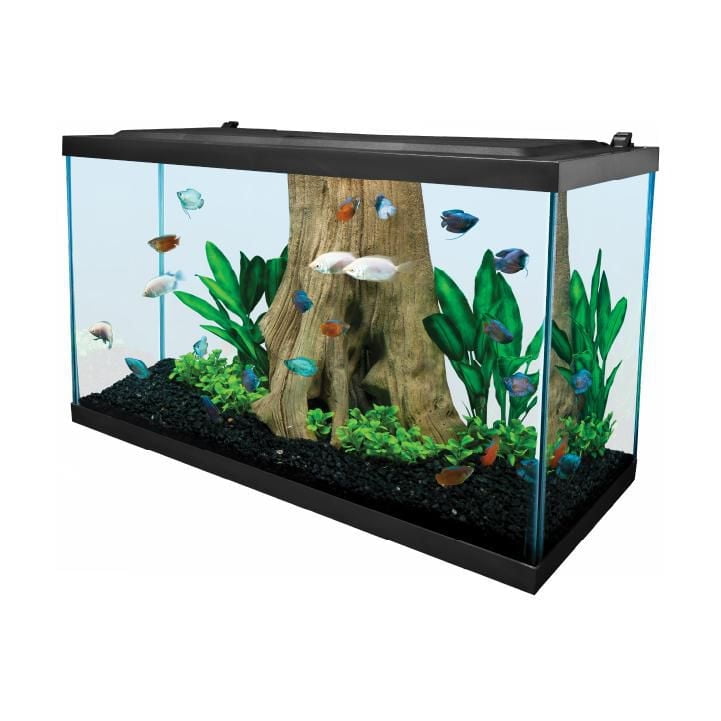
Credit: www.walmart.ca
Feeding And Maintenance
Setting up a 50-gallon aquarium needs good care. Feeding and maintenance keep fish healthy and happy.
Regular feeding and cleaning help maintain a balanced tank environment. This guide explains simple steps.
Feeding Schedules
Feed your fish twice a day with small amounts. Do not overfeed to avoid water problems.
Use high-quality food suitable for your fish type. Remove leftover food after 5 minutes.
- Feed morning and evening
- Give only what fish eat quickly
- Use flakes, pellets, or frozen food
- Remove uneaten food promptly
Regular Cleaning
Clean your tank every week to keep water clear. Partial water changes help remove waste and toxins.
Clean the glass, decorations, and filter parts carefully. Avoid using soap or chemicals.
- Change 10-20% of water weekly
- Use a gravel vacuum to clean substrate
- Rinse filter parts in tank water only
- Wipe algae from glass regularly
Monitoring Tank Health
Check water quality often to protect your fish. Test for ammonia, nitrite, nitrate, and pH levels.
Watch fish behavior and look for signs of illness. Early action can prevent serious problems.
- Test water weekly with a kit
- Keep ammonia and nitrite at zero
- Maintain nitrate below 40 ppm
- Observe fish for stress or disease
Troubleshooting Common Issues
Setting up a 50-gallon aquarium can be fun but also challenging. Some common problems can affect your tank’s health.
Knowing how to fix these issues helps keep your fish happy and your tank clean.
Algae Control
Algae can grow quickly and make your tank look dirty. It also harms fish and plants if not controlled.
- Reduce light exposure to 8-10 hours daily
- Do regular water changes every week
- Add algae-eating fish or snails
- Clean the glass and decorations often
- Check nutrient levels like nitrates and phosphates
Disease Prevention
Fish can get sick from bacteria, parasites, or poor water quality. Early detection is key to stop diseases.
| Symptom | Possible Cause | Action |
| White spots on fish | Ich parasite | Quarantine and treat with medication |
| Cloudy eyes | Poor water quality | Test and improve water parameters |
| Fish scratching on objects | Parasites | Use antiparasitic treatment |
| Faded colors | Stress or illness | Check tank conditions and feed well |
Equipment Problems
Equipment like filters, heaters, and lights may stop working or cause issues. Regular checks can prevent tank problems.
- Check the filter for blockages and clean it monthly
- Test the heater to keep water temperature stable
- Replace light bulbs every 6-12 months
- Listen for strange noises from pumps or air stones
- Have spare parts ready for quick fixes
Credit: www.aquariumforum.com
Frequently Asked Questions
How Do I Start Setting Up A 50-gallon Aquarium?
Begin by choosing the right tank location with stable temperature and low light. Clean the tank, add substrate, and install filtration. Fill with water and treat it to remove chlorine. Cycle the tank for 4-6 weeks before adding fish to establish beneficial bacteria.
What Equipment Is Essential For A 50-gallon Tank?
You need a reliable filter, heater, and lighting system suited for 50 gallons. A thermometer and water testing kit are essential to monitor water conditions. Air pumps and decorations can improve fish health and aesthetics but are optional based on your setup.
How Often Should I Clean My 50-gallon Aquarium?
Perform partial water changes of 20-30% weekly to maintain water quality. Clean the substrate and filter monthly to prevent buildup. Avoid over-cleaning to preserve beneficial bacteria. Regular maintenance helps keep fish healthy and the tank visually appealing.
What Fish Are Ideal For A 50-gallon Aquarium?
Choose medium-sized fish like angelfish, gouramis, or tetras that thrive in 50 gallons. Avoid overcrowding; limit to 10-15 fish depending on species. Research compatibility and water requirements to create a balanced, healthy community tank.
Conclusion
Setting up a 50-gallon tank takes time and care. Choose the right filter, heater, and decorations. Add fish slowly and watch them closely. Keep the water clean and test it often. A healthy tank means happy fish. Enjoy your new aquarium and the peaceful view it brings.
Small steps lead to great results. Your fish will thank you.