
Setting up a 30-gallon aquarium can feel overwhelming at first. You want your fish to thrive, but where do you start?
This guide will make the process simple and clear. You’ll learn exactly what equipment you need, how to arrange your tank, and tips to keep your aquatic friends healthy. By the end, you’ll have the confidence to create a beautiful underwater world right in your home.
Keep reading, and discover how easy and rewarding your 30-gallon aquarium setup can be!

Credit: www.reddit.com
Choosing The Right Tank
Setting up a 30-gallon aquarium starts with picking the right tank. The tank size and material affect your fish and plants.
This guide covers the benefits of a 30-gallon size and the common tank materials and shapes available.
Benefits Of A 30-gallon Size
A 30-gallon tank is a popular choice for many aquarium hobbyists. It offers enough space for a variety of fish and plants without needing too much room in your home.
- Provides a stable environment for fish
- Easy to maintain water quality
- Fits well in small to medium-sized rooms
- Supports diverse fish species and decorations
- Offers a good balance between size and cost
Tank Materials And Shapes
Tanks come in different materials and shapes. Each type has benefits and drawbacks depending on your setup and budget.
| Material | Benefits | Drawbacks |
|---|---|---|
| Glass | Clear view, scratch-resistant, durable | Heavier, can break if dropped |
| Acrylic | Lighter, impact-resistant, flexible shapes | Scratches easily, may yellow over time |
| Shape | Types available | Considerations |
| Rectangular | Easy to find, good surface area for oxygen | Needs proper stand support |
| Cylindrical | Unique look, good for viewing | Less surface area, harder to decorate |
Essential Equipment
Setting up a 30-gallon aquarium needs the right tools. Good equipment helps keep fish healthy and water clean.
This guide covers important gear like filters, lights, heaters, and air pumps for your tank.
Filtration Systems
Filters remove waste and keep the water clear. For a 30-gallon tank, choose a filter with enough power for the size.
Common filter types include hang-on-back, canister, and sponge filters. Each has benefits depending on your fish and setup.
Lighting Options
Lighting helps plants grow and shows your fish’s colors well. LED lights save energy and last a long time.
- Choose lights made for aquariums
- Match the light to your plants’ needs
- Use a timer to keep light on 8-10 hours daily
- Avoid bright lights that stress fish
Heaters And Thermometers
Most tropical fish need stable water temperatures. A heater keeps the tank warm, and a thermometer checks it.
| Equipment | Purpose | Tip |
| Heater | Keeps water warm | Choose one for 30 gallons |
| Thermometer | Shows water temperature | Place where fish swim |
Air Pumps And Accessories
Air pumps add oxygen to the tank. They also power air stones and decorations.
- Pick a pump strong enough for 30 gallons
- Use air stones to spread bubbles evenly
- Check tubing for leaks or cracks
- Keep the pump above water level to prevent backflow
Selecting Substrate And Decorations
Setting up a 30-gallon aquarium needs careful choice of substrate and decorations. These parts help create a healthy and pretty home for your fish.
The right substrate and decorations keep fish safe and add to the tank’s beauty. They also help plants grow and fish hide.
Types Of Substrate
Substrate is the material that covers the tank bottom. It affects water quality and fish health. Choose one that fits your fish and plants.
- Gravel: Easy to clean and good for most fish
- Sand: Soft and natural, good for bottom dwellers
- Aquarium Soil: Rich in nutrients, best for planted tanks
- Crushed Coral: Raises water hardness for some fish types
Plants And Hardscape Ideas
Plants and hardscape create a natural look and give fish places to hide. Live plants also help keep the water clean.
Use rocks, driftwood, and plants to build a nice layout. Arrange them for fish to swim freely and hide when needed.
- Easy plants: Java Fern, Anubias, and Amazon Sword
- Hardscape: Smooth rocks, natural driftwood pieces
- Place plants in groups for a natural feel
- Leave open swimming space in the middle
Safe Decorations For Fish
Decorations must be safe and not harm fish. Avoid sharp edges and toxic materials. Clean decorations before adding them.
Choose decorations that do not change water chemistry. Use smooth, non-toxic items made for aquariums.
- Ceramic or resin ornaments made for tanks
- Smooth natural rocks without sharp edges
- Driftwood soaked to remove tannins
- Avoid painted or metal items that can rust

Credit: www.reddit.com
Water Preparation And Cycling
Setting up a 30-gallon aquarium needs careful water preparation. Clean and safe water helps fish live well.
Cycling the tank creates good bacteria. These bacteria keep the water healthy for your fish.
Water Conditioning Basics
Tap water has chemicals that can harm fish. Use a water conditioner to remove these chemicals.
Conditioners remove chlorine and chloramine. They also help detoxify heavy metals in the water.
- Use a water conditioner with every water change
- Mix conditioner well before adding to tank
- Check the instructions for the right amount
Nitrogen Cycle Steps
The nitrogen cycle changes fish waste into less harmful substances. This process is key to a healthy tank.
Good bacteria grow in the filter and tank surfaces. They change ammonia into nitrite, then nitrate.
- Ammonia comes from fish waste and food
- Bacteria turn ammonia into nitrite
- Another bacteria turn nitrite into nitrate
- Nitrate is less harmful but needs water changes
Testing Water Parameters
Test the water often during cycling. This helps you know when the tank is safe for fish.
Use test kits to check ammonia, nitrite, and nitrate levels. Keep these levels in safe ranges.
| Parameter | Safe Level |
|---|---|
| Ammonia | 0 ppm |
| Nitrite | 0 ppm |
| Nitrate | < 40 ppm |
Fish Selection For Beginners
Choosing the right fish is key for a happy 30-gallon tank. Beginners should pick fish that are easy to care for.
Good fish choices help create a healthy aquarium and make maintenance simpler.
Community-friendly Species
Select fish that live well together. Peaceful species reduce stress and fighting in the tank.
- Neon Tetras – small and colorful schooling fish
- Corydoras Catfish – bottom dwellers that clean the tank
- Guppies – lively and easy to care for
- Harlequin Rasboras – peaceful and active swimmers
- Platies – hardy fish with many color options
Stocking Levels And Compatibility
Keep the tank balanced by not adding too many fish. Overcrowding harms water quality and fish health.
| Fish Species | Recommended Number | Tank Area Used |
| Neon Tetras | 6–10 | Mid to Top |
| Corydoras Catfish | 4–6 | Bottom |
| Guppies | 4–6 | Mid to Top |
| Harlequin Rasboras | 6–8 | Mid |
| Platies | 3–5 | Mid to Top |
Avoiding Common Mistakes
New aquarium owners often make errors that stress fish or damage the tank.
- Do not add too many fish at once
- Check if fish species get along before buying
- Keep the water clean with regular changes
- Use a filter suitable for the tank size
- Feed fish small amounts once or twice daily
Feeding And Maintenance Tips
Setting up a 30-gallon aquarium involves proper feeding and regular maintenance. This ensures your fish stay healthy and happy. Here are some key tips to help you manage your aquarium effectively.
Follow these guidelines to maintain a balanced diet and a clean environment for your aquatic friends.
Feeding Schedules And Diets
Feeding your fish the right amount is crucial. Overfeeding can cause health issues and water pollution.
- Feed your fish once or twice a day.
- Provide only as much food as they can eat in 2-3 minutes.
- Include a variety of foods like flakes, pellets, and live food.
Regular Cleaning Routines
Maintaining a clean tank is essential for the health of your fish. A clean environment helps prevent diseases.
- Change 10-15% of the water weekly.
- Clean the tank glass with an aquarium-safe scraper.
- Rinse filters and decorations in used tank water.
Monitoring Fish Health
Keeping an eye on your fish’s health is important. Early detection of issues can save your fish from serious conditions.
| Symptom | Possible Issue |
| Gasping at surface | Low oxygen levels |
| White spots | Ich disease |
| Loss of appetite | Stress or illness |
Troubleshooting Common Issues
A 30-gallon aquarium is a great size for beginners. However, issues can arise. Here are common problems and how to solve them.
Learn how to manage algae, handle diseases, and maintain water quality. These tips will help keep your aquarium healthy.
Algae Control
Algae can grow quickly and affect your aquarium’s appearance. It can also harm fish if not controlled.
Reduce the light in your aquarium. Too much light helps algae grow. Use a timer to control light exposure.
- Limit feeding to prevent excess nutrients
- Introduce algae-eating fish or snails
- Regularly clean the tank and decorations
Dealing With Diseases
Diseases can spread quickly in a tank. It’s important to act fast to keep fish healthy.
Isolate sick fish in a separate tank. Use medication as directed to treat diseases. Monitor all fish closely for symptoms.
- Check for changes in fish behavior
- Look for spots or discoloration on fish
- Maintain a clean tank environment
Water Quality Problems
Good water quality is crucial for fish health. Poor water can lead to stress and disease.
Test the water regularly for pH, ammonia, and nitrate levels. Adjust the water as needed to keep levels safe for fish.
- Perform regular water changes
- Use a reliable water filter
- Avoid overstocking the tank
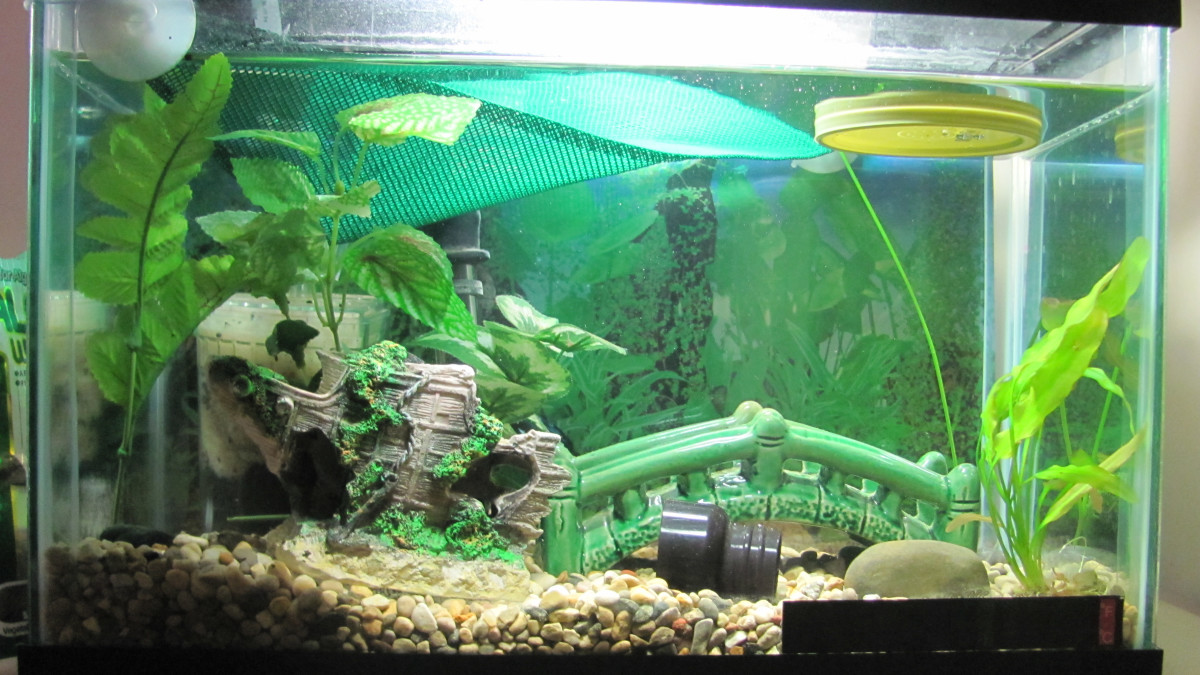
Credit: pethelpful.com
Frequently Asked Questions
What Equipment Is Essential For A 30-gallon Aquarium Setup?
A 30-gallon aquarium needs a reliable filter, heater, lighting, and substrate. These ensure water quality, temperature stability, and a healthy environment for fish and plants.
How Do I Cycle A 30-gallon Aquarium Properly?
Cycle your tank by establishing beneficial bacteria. Add ammonia source, test water regularly, and wait 4-6 weeks for safe fish introduction.
What Fish Species Are Best For A 30-gallon Tank?
Ideal fish include tetras, guppies, corydoras, and dwarf gouramis. These species thrive in moderate space and maintain a balanced ecosystem.
How Often Should I Perform Water Changes In A 30-gallon Tank?
Change 20-25% of the water weekly. Regular water changes keep ammonia and nitrate levels low, promoting fish health and tank cleanliness.
Conclusion
Setting up a 30-gallon aquarium takes patience and care. Choose the right filter, heater, and lighting. Add safe decorations and plants for your fish. Test water regularly to keep fish healthy. Clean the tank often to avoid problems. Enjoy watching your fish swim happily.
A well-set aquarium brings calm and joy. Start simple and learn as you go. Your fish will thank you with vibrant life.