
Keeping your aquarium glass spotless can be a real challenge. You want to enjoy a clear, beautiful view of your underwater world, but stubborn algae and grime keep getting in the way.
That’s where an aquarium scraper for glass comes in. If you’re tired of struggling with smudges and hard-to-reach spots, this simple tool can make a huge difference. You’ll discover how to choose the right scraper, use it safely, and keep your tank looking crystal clear.
Ready to transform your aquarium cleaning routine? Let’s dive in!
Types Of Aquarium Scrapers
Aquarium scrapers help keep fish tanks clean by removing algae and dirt.
There are different types of scrapers designed for various cleaning needs.
Magnetic Scrapers
Magnetic scrapers have two parts connected by a strong magnet. One part goes inside the tank, the other stays outside. They clean without getting your hands wet.
They are easy to use and good for hard-to-reach areas.
Handheld Scrapers
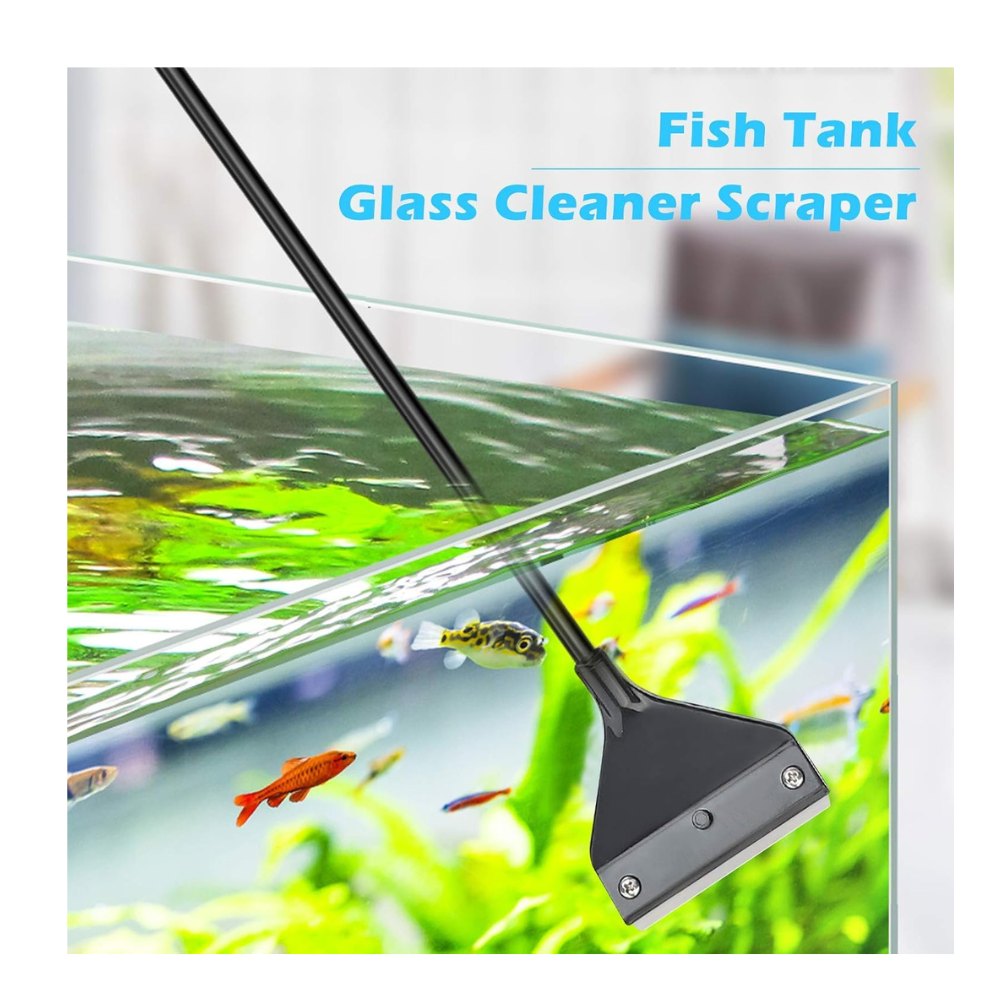
Handheld scrapers are simple tools with a handle and a flat edge. You hold them and scrub algae from the glass or plastic.
- Usually made of plastic or metal
- Best for quick cleaning
- Require direct contact with the tank surface
Razor Blade Scrapers
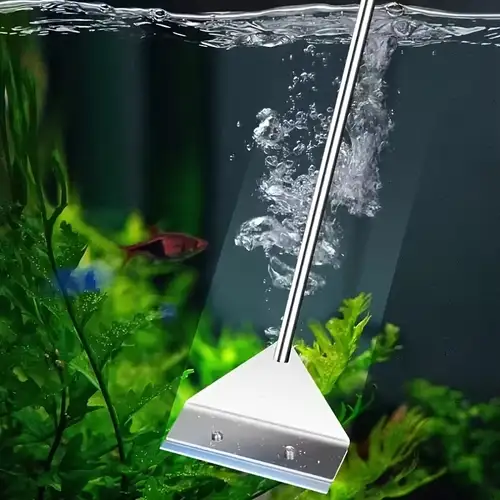
Razor blade scrapers use a thin, sharp blade to remove tough algae or paint. They work well on glass but can scratch plastic.
Use them carefully to avoid damage.
Flexible Scrapers
| Feature | Description |
|---|---|
| Material | Flexible plastic or rubber |
| Use | Clean curved or uneven surfaces |
| Advantage | Prevents scratching |
| Best for | Rounded aquarium walls |
Credit: www.aquanatureonline.com
Choosing The Right Scraper
Cleaning your aquarium glass is important for a clear view and healthy fish. Choosing the right scraper helps you clean easily and safely.
Different scrapers work better for different tanks and algae types. Consider your tank and needs before buying.
Tank Size And Material
Large tanks need longer scrapers to reach all areas. Small tanks work well with compact tools.
Glass tanks need scrapers with gentle blades to avoid scratches. Acrylic tanks require softer tools to prevent damage.
- Use plastic blades for acrylic tanks
- Metal blades work on glass tanks but be careful
- Long handles help reach deep tanks
Algae Type
Different algae types need different scraping methods. Soft algae is easier to remove than hard, crusty algae.
Use gentle scrapers for thin algae. Stronger blades are better for tough algae buildup.
- Soft algae: use sponge or plastic scrapers
- Hard algae: use metal or razor blade scrapers (glass only)
- Consider magnetic scrapers for regular cleaning
Ease Of Use
Choose a scraper that feels comfortable in your hand. Long handles reduce strain during cleaning.
Magnetic scrapers clean without putting hands in water. They are good for quick, easy cleaning.
- Look for non-slip grips
- Choose lightweight materials
- Consider adjustable or extendable handles
Budget Considerations
Scrapers come in many prices. Basic scrapers cost less but may wear out faster.
Higher-priced scrapers often last longer and have better features. Think about how often you clean before buying.
- Low cost: simple scrapers, plastic blades
- Mid range: magnetic scrapers, better materials
- High end: durable blades, adjustable handles
How To Use An Aquarium Scraper
Keeping your aquarium glass clean helps you enjoy clear views of your fish. An aquarium scraper is a useful tool for removing algae and dirt. Using it correctly keeps your tank safe and clean.
This guide shows how to prepare your tank, scrape safely, and clean hard-to-reach spots.
Preparing The Tank
Before scraping, turn off all electrical equipment near the aquarium. Remove decorations and plants that might get in the way. Check the scraper to make sure it is clean and in good condition.
- Switch off heaters, filters, and lights
- Take out ornaments and plants carefully
- Inspect the scraper for any damage
- Fill a bucket with tank water for rinsing tools
Safe Scraping Techniques
Use gentle strokes to avoid scratching the glass. Hold the scraper at a slight angle and move it slowly. Do not press too hard or scrape in a circular motion.
| Tip | Explanation |
| Hold scraper gently | Prevents glass damage |
| Scrape at an angle | Helps remove algae easily |
| Use slow strokes | Avoids sudden pressure |
| Clean scraper often | Stops algae buildup on blade |
Cleaning Hard-to-reach Areas
Corners and behind decorations can be tricky to clean. Use a scraper with a narrow or flexible blade for these spots. A soft brush or sponge can also help remove stuck algae.
Try this simple cleaning routine for tight spaces:
- Use a narrow blade scraper to reach corners
- Gently wiggle the scraper to loosen algae
- Follow with a soft brush for stubborn spots
- Rinse tools in tank water between uses

Credit: www.amazon.com
Maintaining Your Scraper
Keeping your aquarium scraper in good condition helps it work well. Regular care stops damage and keeps glass clean.
Use simple steps to clean, store, and replace parts. This makes your scraper last longer and stay safe to use.
Cleaning And Storage
After each use, rinse the scraper with fresh water. Remove any algae or debris stuck on the blade or pad. Dry it completely to stop rust or mold.
Store the scraper in a dry place. Keep it away from direct sunlight and heat. Use a holder or case if available to protect the blade.
Replacing Blades And Pads
Blades and pads wear out over time. Replace them to keep the scraper effective and avoid scratching the glass.
- Check blades for dullness or rust.
- Change pads when they become hard or torn.
- Follow the scraper’s instructions for safe replacement.
- Use only recommended parts for your model.
Extending Tool Lifespan
| Tip | Reason |
| Clean after each use | Prevents buildup and corrosion |
| Store properly | Avoids damage and warping |
| Replace parts regularly | Maintains effectiveness and safety |
| Handle with care | Reduces accidental drops and breaks |
Tips For Sparkling Clean Tanks
Keeping your aquarium glass clean helps fish stay healthy and happy. Clear glass also makes your tank look beautiful.
Using the right tools and methods can make cleaning easier and more effective. Here are some tips to keep your tank sparkling.
Regular Cleaning Schedule
Set a routine for cleaning your aquarium glass and tank. This prevents dirt and algae from building up too much.
- Clean the glass with an aquarium scraper every week.
- Change part of the water every two weeks.
- Check and clean filters monthly.
- Remove uneaten food daily.
Preventing Algae Growth
Algae can make your tank look dirty fast. You can stop it by controlling light and nutrients.
- Keep the tank away from direct sunlight.
- Use a timer for aquarium lights, 8-10 hours daily.
- Do not overfeed your fish.
- Clean filters regularly to remove debris.
Combining Tools For Best Results
Use a mix of tools to clean your tank glass effectively and safely.
| Tool | Use | Notes |
| Aquarium Scraper | Remove tough algae from glass | Use gently to avoid scratches |
| Magnetic Cleaner | Clean inside glass without water loss | Good for hard-to-reach areas |
| Soft Sponge | Wipe off light dirt and spots | Use only on glass, not decorations |
| Razor Blade (for glass tanks) | Scrape off stubborn spots | Use carefully to avoid damage |
Common Mistakes To Avoid
Cleaning your aquarium glass can be tricky. Mistakes can scratch or damage your tank.
Learn common mistakes to keep your aquarium looking clear and beautiful.
Using The Wrong Scraper
Not all scrapers work for every aquarium. Using the wrong one can harm the glass.
Choose a scraper that matches your tank’s material. This prevents scratches.
- Plastic scrapers for acrylic tanks
- Metal scrapers for glass tanks
- Sponges for gentle cleaning
Scraping Too Hard
Pushing too hard when cleaning can cause scratches. Scratches make algae stick more.
Use a light touch with firm pressure. Be gentle to protect your tank.
Neglecting Regular Maintenance
Skipping regular cleaning makes algae build up. This leads to more work later.
Keep a schedule for cleaning. Regular upkeep makes your tank clear and healthy.
- Clean glass weekly
- Check for algae spots often
- Use a scraper or sponge regularly
Credit: www.temu.com
Frequently Asked Questions
What Is An Aquarium Scraper For Glass?
An aquarium scraper for glass is a tool used to clean algae and debris from aquarium glass. It helps maintain clear visibility and a healthy tank environment by safely removing buildup without scratching the glass surface.
How Do I Use An Aquarium Glass Scraper Safely?
To use safely, gently scrape algae at a low angle to avoid glass damage. Use smooth, steady strokes and avoid applying excessive pressure. Clean the scraper blade regularly to prevent buildup and ensure effective cleaning.
Can Aquarium Scrapers Remove Tough Algae Stains?
Yes, aquarium scrapers effectively remove tough algae stains and mineral deposits. They provide a mechanical way to clean stubborn buildup that chemical treatments might not fully eliminate. Regular use keeps glass clear and fish visible.
Are Aquarium Scrapers Suitable For All Glass Thicknesses?
Most aquarium scrapers work well with standard glass thicknesses. However, always check the scraper’s specifications to ensure compatibility. Using the correct scraper prevents glass scratching or breakage during cleaning.
Conclusion
Keeping your aquarium glass clean helps fish stay healthy and happy. A good aquarium scraper removes algae and dirt with ease. It saves time and effort during tank maintenance. Choose a scraper that fits your tank size and glass type.
Regular cleaning keeps your aquarium clear and beautiful. Use the right tool to avoid scratches or damage. Clean glass also improves light and viewing experience. Simple care makes a big difference for your underwater world.