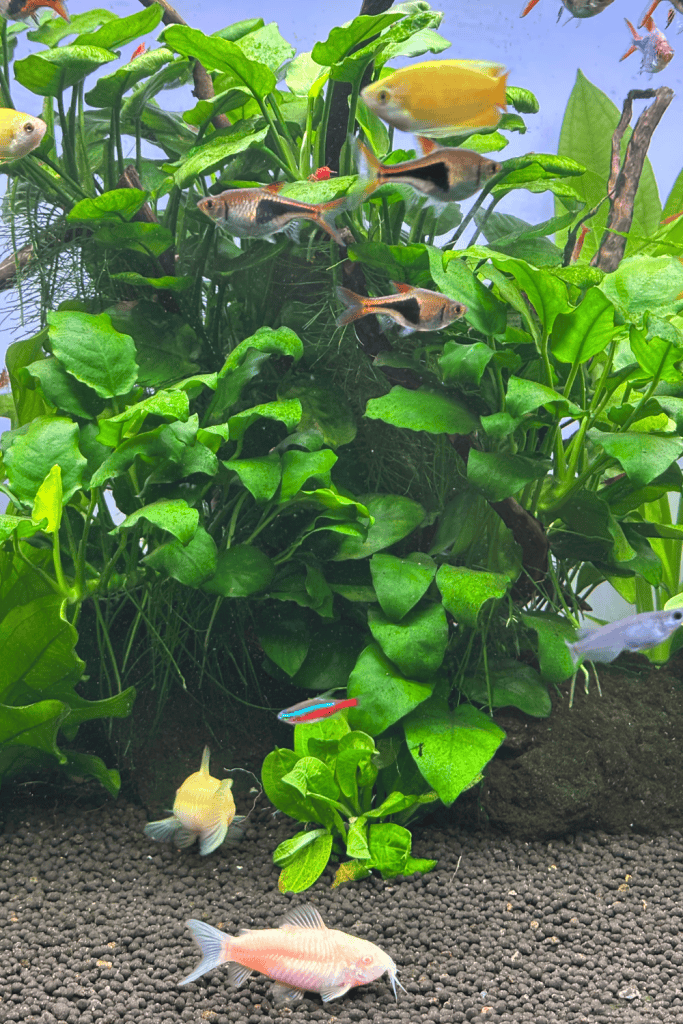
Are you ready to create the perfect home for your fish? Choosing the right aquarium plants for your species-specific tank can make all the difference.
The right plants don’t just look beautiful—they help your fish feel safe, stay healthy, and thrive. But how do you pick plants that match your fish’s unique needs? Keep reading, and you’ll discover simple tips to transform your tank into a vibrant, balanced world tailored just for your aquatic friends.

Credit: www.aqqapet.com
Choosing Plants For Biotope Tanks
Biotope tanks show natural habitats for certain fish species. Choosing the right plants helps recreate their real environment.
Plants support fish health and improve the tank’s look. Pick plants that match the water and fish type.
Amazon River Species
The Amazon River has many plants that fit well in biotope tanks. These plants like soft, acidic water and low light.
Popular Amazon plants include broad-leaved species. They offer hiding spots and shade for fish.
- Echinodorus (Amazon sword)
- Vallisneria
- Cabomba
- Cryptocoryne
- Hydrocotyle
African Cichlid Environments
African cichlids live in rocky lakes with hard, alkaline water. Plants must tolerate these conditions.
Use tough plants or rocks instead of many plants. Some cichlids may eat or uproot plants.
- Java fern (attached to rocks)
- Anubias (slow grower, hardy)
- Cabomba (in softer water areas)
- Vallisneria (in some setups)
Southeast Asian Setups
Southeast Asian tanks often have soft, warm water. Plants are diverse and include many floating types.
Pick plants that handle warm water and provide cover. Leafy and stem plants suit these setups well.
- Java moss
- Cryptocoryne species
- Java fern
- Limnophila
- Floating plants like Salvinia

Credit: glassboxdiaries.com
Plant Types And Their Benefits
Aquarium plants help create a healthy environment for fish. They add beauty and improve water quality. Different plants suit different fish species and tank setups.
Choosing the right plants for your tank type supports the needs of your aquatic pets. Each plant type has unique benefits and care requirements.
Floating Plants
Floating plants drift on the water surface. They provide shade and reduce algae growth by blocking light. These plants also absorb excess nutrients, keeping water clean.
- Offer shelter for small fish and fry
- Help control nitrate levels
- Do not need planting in substrate
- Easy to trim and manage
Rooted Stem Plants
Rooted stem plants grow from the substrate with long stems and leaves. They provide hiding spots and oxygenate the water. These plants can grow tall and fill vertical space in the tank.
| Plant Type | Benefits |
| Amazon Sword | Good oxygen producer, strong roots |
| Water Wisteria | Fast grower, hides fish well |
| Cabomba | Delicate leaves, adds texture |
Carpet And Moss Varieties
Carpet plants cover the tank bottom with dense green layers. Mosses attach to rocks and wood, creating natural hiding places. Both types improve tank aesthetics and help fish feel secure.
Common carpet and moss benefits:
- Prevent algae by competing for nutrients
- Provide surfaces for beneficial bacteria
- Enhance tank’s natural look
- Suitable for species that graze on plants
Matching Plants To Fish Behavior
Choosing the right plants for your aquarium depends on the fish behavior. Plants can help fish feel safe and act naturally.
Different fish need plants for shelter, breeding, or feeding. Picking plants that fit their habits improves their health.
Hiding Spots And Shelter
Fish need places to hide from predators or stress. Plants create natural hiding spots and shelter in the tank.
Dense plants with broad leaves work well. They give fish shade and cover to feel safe and calm.
- Java Fern
- Anubias
- Amazon Sword
- Cryptocoryne
Breeding And Spawning Areas
Many fish lay eggs on or near plants. Soft, leafy plants protect eggs and fry from harm.
Plants with fine leaves or dense roots help parents guard their young. These spots keep babies safe until grown.
- Hornwort
- Water Wisteria
- Java Moss
- Cabomba
Feeding And Territory
Some fish use plants to mark their territory or find food. Plants offer surfaces for algae and small animals.
Territorial fish prefer plants that create boundaries. Plants also attract tiny food sources for grazing fish.
- Vallisneria for tall boundaries
- Duckweed for surface cover
- Java Moss for algae growth
- Water Sprite to divide space

Credit: buceplant.com
Water Parameters And Plant Compatibility
Aquarium plants need specific water conditions to grow well. Different species prefer different levels of pH and hardness. Matching plants to the right environment helps them thrive.
Knowing the water requirements of your plants helps you create a healthy tank. It also supports the fish and other creatures living with the plants.
Ph And Hardness Considerations
pH measures how acidic or basic the water is. Hardness shows the amount of minerals like calcium and magnesium. Both affect plant growth and health.
| Plant Species | Preferred pH | Water Hardness (dGH) |
| Java Fern | 6.0 – 7.5 | 3 – 8 |
| Anubias | 6.5 – 7.8 | 3 – 12 |
| Amazon Sword | 6.5 – 7.0 | 3 – 10 |
| Cryptocoryne | 6.0 – 7.5 | 4 – 12 |
| Vallisneria | 6.5 – 8.0 | 6 – 15 |
Light And Temperature Needs
Aquarium plants need light for photosynthesis. Each species needs a certain light level and temperature range to grow well.
- Low light plants like Java Fern grow well in shaded tanks.
- Medium light plants like Anubias need 8-10 hours of light daily.
- High light plants like Amazon Sword require bright light for at least 10 hours.
- Most tropical plants thrive between 72°F and 82°F (22°C – 28°C).
- Avoid sudden temperature changes to prevent plant stress.
Plant Care And Maintenance Tips
Aquarium plants add beauty and oxygen to species-specific tanks. Proper care keeps plants healthy and thriving.
Follow simple maintenance tips to ensure your plants support your fish well.
Pruning And Propagation
Pruning helps plants grow stronger and prevents overcrowding. Cut dead or long leaves regularly.
Propagation lets you create new plants from cuttings. Use healthy stems to start new growth.
- Use sharp scissors to trim plants
- Remove damaged or yellow leaves
- Plant cuttings in nutrient-rich substrate
- Keep new plants in low light first
Nutrient Management
Plants need nutrients like nitrogen, phosphorus, and potassium to grow well. Use fertilizers made for aquariums.
Test water regularly to keep nutrient levels balanced. Avoid excess nutrients that cause algae.
- Add liquid fertilizer or root tabs as needed
- Choose slow-release fertilizers for steady nutrition
- Monitor fish waste to help nutrient balance
- Keep substrate clean to prevent nutrient buildup
Algae Control Strategies
Algae can harm plants and spoil aquarium looks. Control algae by managing light and nutrients.
Use algae-eating fish or snails to help keep algae under control naturally.
- Limit aquarium light to 8-10 hours daily
- Do regular water changes to remove waste
- Avoid overfeeding fish to reduce excess nutrients
- Clean glass and decorations to remove algae
Common Challenges In Species-specific Tanks
Creating a species-specific tank requires careful planning. Fish and plants must coexist without issues.
Understanding the challenges can help in maintaining a healthy aquarium environment.
Plant Damage From Fish
Fish can sometimes harm plants in the tank. They may nibble on leaves or uproot them.
- Some fish species eat plant leaves
- Fish might dig and disturb plant roots
- Large fish can break delicate plant stems
Balancing Plant And Fish Health
Keeping both plants and fish healthy is crucial. Balance is key to a thriving tank environment.
| Factor | Fish Impact | Plant Impact |
| Light | Provides warmth | Essential for photosynthesis |
| Water pH | Affects health | Influences nutrient uptake |
| Filtration | Clears waste | Prevents algae growth |
Frequently Asked Questions
What Are The Best Plants For Species-specific Tanks?
Best plants vary by fish species. Research native plants that mimic the fish’s natural habitat. Use hardy plants like Java Fern for community tanks or Anubias for cichlid tanks. Matching plants with species reduces stress and promotes natural behavior.
How Do Plants Benefit Species-specific Aquarium Tanks?
Plants improve water quality by absorbing nitrates and producing oxygen. They provide hiding spots and reduce fish stress. Plants also encourage natural behaviors like foraging and breeding, creating a balanced, healthy ecosystem tailored to the species’ needs.
Can All Aquarium Plants Thrive In Species-specific Tanks?
Not all plants suit every species-specific tank. Some fish may eat or uproot plants. Choose plants based on fish behavior, tank conditions, and lighting. Hardy, low-maintenance plants often work best for species-specific setups.
How To Choose Plants For Fish With Special Care Needs?
Select plants that tolerate water parameters like pH and temperature suited for your fish. Slow-growing and tough plants are ideal for delicate species. Always prioritize plants that enhance the fish’s natural habitat and wellbeing.
Conclusion
Choosing the right plants helps fish feel safe and healthy. Plants match each species’ needs and habits best. They create natural hiding spots and improve water quality. Simple plants keep tanks clean and fish happy. Picking species-specific plants boosts your aquarium’s beauty.
Enjoy watching fish thrive in their perfect environment. Small efforts make a big difference in tank care. Plant selection matters for a balanced, peaceful aquarium. Keep it simple, natural, and suited to your fish. Your tank will look better and feel alive every day.