
If you want your fish to thrive, controlling your aquarium’s temperature is key. But did you know that where you place your aquarium can make a huge difference?
You might be unknowingly causing temperature swings that stress your aquatic friends. You’ll discover simple yet powerful tips to choose the perfect spot for your aquarium. By the end, you’ll know exactly how to keep your water stable and your fish happy—without extra gadgets or complicated setups.
Keep reading, because your aquarium’s perfect temperature starts with smart placement.
Choosing The Right Location
Placing your aquarium in the right spot helps keep water temperature steady. This is important for your fish’s health and comfort.
Choosing a good location means avoiding places that can cause sudden temperature changes. This guide covers key factors to think about.
Avoiding Direct Sunlight
Direct sunlight can heat your aquarium water too much. It can also cause algae to grow quickly, which harms water quality.
- Place the aquarium away from windows that get strong sun.
- Use curtains or blinds if the aquarium is near a sunny spot.
- Check the room at different times to see where sunlight falls.
Keeping Away From Heat Sources
Heat sources like heaters or radiators can cause water temperature to rise quickly. This can stress or harm your fish.
| Heat Source | Distance to Keep | Reason |
| Radiators | At least 3 feet (1 meter) | Prevents water from overheating |
| Heaters | At least 2 feet (0.6 meter) | Avoids uneven temperature in tank |
| Direct Warm Lights | At least 3 feet (1 meter) | Reduces heat build-up |
Finding A Stable Environment
Temperature changes stress fish and affect their health. A stable environment keeps the water temperature steady all day.
- Choose a room with little temperature change during day and night.
- Avoid places near doors or vents that cause drafts.
- Keep the aquarium on a flat, sturdy surface to avoid accidents.

Credit: aquariumadvicesa.wordpress.com
Room Temperature Impact
Aquariums need stable room temperatures to keep fish healthy. Sudden changes can stress aquatic life.
Choosing the right place for your tank helps control temperature and avoid damage.
Effects Of Seasonal Changes
Seasonal changes affect room temperature and can shift aquarium warmth. Winters often bring colder air, while summers raise heat.
- Cold winters may lower water temperature, risking fish health.
- Hot summers can cause overheating, leading to low oxygen levels.
- Sunlight through windows may increase tank temperature unexpectedly.
- Heaters and coolers help balance seasonal shifts.
Controlling Humidity Levels
Humidity in the room affects evaporation rates and water quality. High humidity may cause mold or damage nearby furniture.
| Humidity Level | Effect on Aquarium |
| Low (below 30%) | Increases water evaporation, needing frequent refills |
| Normal (30% – 50%) | Maintains stable water levels and tank health |
| High (above 50%) | Can cause condensation and mold growth near the tank |
Placement Near Windows And Doors
Placing your aquarium near windows and doors can affect its temperature. Sunlight and outside air can change the water temperature quickly.
Choosing the right spot helps keep the water stable. This is important for your fish and plants to stay healthy.
Drafts And Temperature Fluctuations
Drafts from windows and doors cause fast temperature changes in the aquarium. Cold or warm air can enter and affect the water.
These changes stress fish and can cause health problems. Avoid placing the tank where drafts are common.
- Keep the aquarium away from open windows
- Do not place near frequently used doors
- Check for vents or air conditioners near the tank
Using Curtains And Blinds
Curtains and blinds help control light and heat from windows. They block direct sunlight that can overheat the aquarium.
Use them to reduce temperature swings and protect fish from sudden light changes.
- Close curtains during hot midday sun
- Use blinds to adjust light without blocking all sunlight
- Choose thick curtains for better insulation
Furniture And Surface Considerations
Choosing the right furniture and surface for your aquarium helps control temperature. It also keeps the tank safe and steady.
Some materials transfer heat faster than others. The surface must hold the aquarium weight without bending or breaking.
Heat Conductivity Of Materials
Materials like metal conduct heat quickly. Wood and plastic hold heat longer and change temperature slowly.
- Metal can cool or warm the aquarium fast.
- Wood keeps temperature steady but may absorb moisture.
- Glass tables may cause cold spots under the tank.
- Plastic surfaces resist water but may not be strong enough.
Ensuring Stable Support
Stable support prevents accidents and keeps temperature constant. Check the strength and flatness of the furniture.
| Furniture Type | Support Strength | Surface Flatness |
| Wooden Stand | High | Good |
| Metal Frame | Very High | Variable |
| Glass Table | Low | Good |
| Plastic Shelf | Medium | Variable |
Using Insulation Techniques
Keeping a stable temperature in your aquarium is important. Insulation helps maintain the right environment for fish and plants.
Learn how to use insulation techniques for better temperature control. It is simple and effective.
Insulating Aquarium Walls
Insulating the walls of your aquarium can help keep the temperature steady. This is especially useful in rooms that are drafty or have temperature swings.
Use materials like foam board or aquarium-safe insulation sheets. These materials trap heat and prevent temperature drops.
- Cut insulation to fit the sides of your aquarium
- Attach securely to avoid gaps
- Ensure it does not touch the water
Adding Backgrounds For Temperature Control
Backgrounds can help control temperature and add visual appeal. Choose materials that provide insulation as well as decoration.
Thick backgrounds can act as an extra layer of insulation. They help reduce heat loss and keep the tank warm.
| Material | Benefit |
| Styrofoam | Lightweight and good insulator |
| Cork | Natural look and insulating |
| 3D backgrounds | Insulating and decorative |
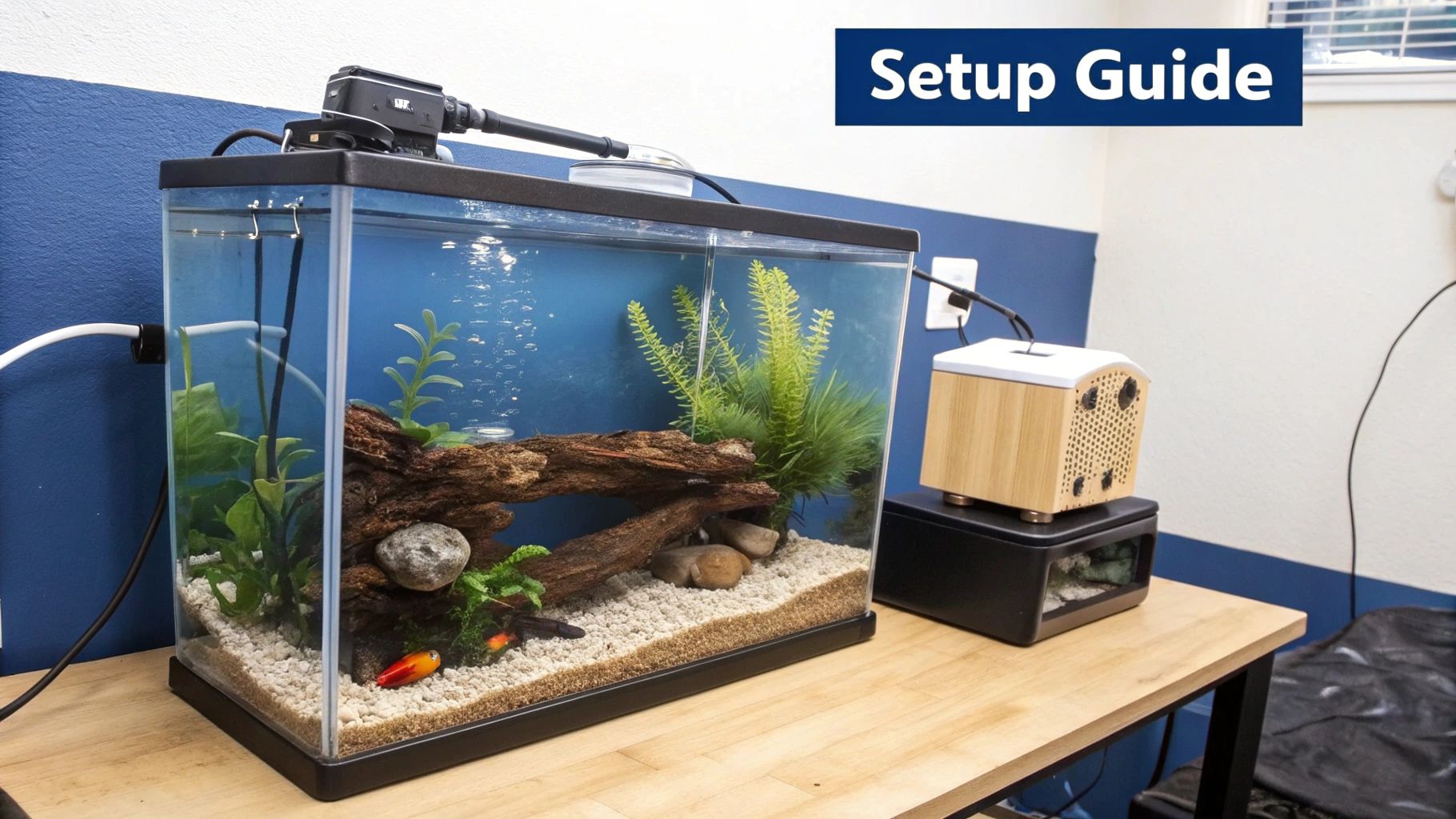
Credit: clixfueling.com
Positioning Heating And Cooling Equipment
Proper placement of heating and cooling devices helps keep your aquarium stable. This ensures fish stay healthy and comfortable.
Choosing the right location for these devices can improve water circulation and temperature control.
Optimal Heater Placement
Place the heater near the aquarium’s water flow to spread heat evenly. Avoid spots blocked by decorations or plants.
- Install the heater close to the filter outlet for better heat distribution.
- Keep the heater submerged fully to prevent damage.
- Avoid placing the heater near the aquarium glass to reduce temperature fluctuations.
- Check that the heater is secure and won’t move around.
Integrating Cooling Systems
Cooling systems must allow good water flow to keep the tank temperature low. Position them where water circulates freely.
| Cooling Equipment Type | Best Placement | Reason |
| Chiller | Near filter outlet | Ensures cool water spreads quickly |
| Fan | Above water surface | Increases evaporation and cools water |
| Cooling Coil | Inside sump or filter chamber | Maximizes contact with water flow |
Monitoring And Adjusting Temperature
Keeping the right temperature in your aquarium is key for fish health. You need to watch and change temperature often.
Using good tools helps you keep the water safe and steady. This guide shows how to use thermometers and controls well.
Using Thermometers Effectively
Thermometers tell you the water temperature. Place them where fish swim most. Check them daily to catch changes early.
- Choose digital or glass thermometers for accuracy.
- Place the thermometer away from heaters or filters.
- Read the temperature at the same time each day.
- Clean the thermometer regularly to avoid false readings.
- Record temperatures to spot trends and changes.
Automated Temperature Controls
Automated controls keep your tank temperature steady. They turn heaters on or off as needed. Use them for better stability.
| Device | Function | Benefits |
| Thermostat | Controls heater power | Prevents overheating and cooling |
| Temperature Controller | Monitors and adjusts temperature | Maintains stable water temperature |
| Smart Sensors | Send alerts for temperature changes | Help quick response to problems |

Credit: jungleaquatics.com
Preventing Temperature Shock
Temperature shock can harm fish in your aquarium. It is important to manage temperature changes carefully.
By understanding key methods, you can protect your fish from sudden temperature shifts.
Gradual Adjustments
Gradual adjustments help keep your fish safe. Sudden changes can be deadly.
- Monitor the water temperature daily.
- Adjust the heater setting slowly, by one degree at a time.
- Use a reliable aquarium thermometer for accuracy.
Emergency Measures
In emergencies, quick action is vital. Your fish depend on your prompt response.
| Action | Purpose |
| Add ice cubes wrapped in a bag | To lower water temperature quickly |
| Use a fan over the water surface | To cool down the aquarium |
| Prepare a temporary tank | To move fish if temperature is too high |
Frequently Asked Questions
How Does Aquarium Placement Affect Temperature Control?
Aquarium placement impacts temperature by exposing the tank to varying heat sources and airflow. Avoid direct sunlight and drafts to maintain stable water temperature. Proper placement helps prevent sudden temperature changes, ensuring a healthy environment for fish and plants.
Where Is The Best Place To Position An Aquarium Indoors?
Place your aquarium away from windows, heaters, and air conditioners. Choose a spot with consistent room temperature and minimal sunlight exposure. A stable environment reduces temperature fluctuations, promoting fish health and reducing stress.
Can Sunlight Cause Temperature Fluctuations In Aquariums?
Yes, direct sunlight heats the water quickly, causing temperature spikes. This can stress fish and promote algae growth. Use curtains or blinds, or position the aquarium away from windows to avoid these fluctuations.
How To Avoid Temperature Swings In Aquarium Placement?
Keep the aquarium away from heating vents, air conditioners, and windows. Use a stable surface away from drafts and sunlight. Consistent ambient temperature minimizes water temperature swings, protecting aquatic life.
Conclusion
Choosing the right spot for your aquarium helps keep water temperature steady. Avoid places near windows, heaters, or air conditioners. Stable temperature means healthier fish and plants. Small changes can cause stress or illness. Pay attention to sunlight and room temperature.
A calm environment keeps your aquarium balanced and beautiful. Remember, careful placement saves you time and worry. Your fish will thrive in a steady, warm home. Simple steps create a happy aquarium for everyone.