
Keeping your aquarium water balanced is key to a healthy underwater world. If you’ve ever struggled with sudden pH swings or worried about the well-being of your fish, understanding an aquarium pH buffer can change everything.
Imagine having a simple way to keep your water stable, so your aquatic friends thrive without stress. You’ll discover what an aquarium pH buffer is, why it matters, and how it can make your life as a fish keeper easier and more rewarding.
Ready to create the perfect environment for your fish? Let’s dive in.
Role Of Ph Buffer In Aquariums
Maintaining the right pH level in an aquarium is crucial for fish health. A pH buffer helps keep water stable.
This stability prevents sudden changes that can stress or harm aquatic life. Let’s learn about pH buffers and their role.
What Is Ph Buffer?
A pH buffer is a substance that keeps aquarium water pH steady. It stops the water from becoming too acidic or too basic.
- Buffers balance acids and bases in the water.
- They help maintain a safe environment for fish and plants.
- Buffers prevent rapid pH swings caused by fish waste or food decay.
Importance For Fish Health
Stable pH levels reduce stress for fish. Stress can lead to illness and shorter lifespans.
| Effect | Impact on Fish |
| Stable pH | Healthy immune system |
| Rapid pH change | Stress and disease |
| High acidity | Gill damage |
| High alkalinity | Reduced oxygen |
Impact On Water Chemistry
pH buffers affect many parts of aquarium water. They work with minerals and chemicals to keep balance.
- Buffers control acidity and alkalinity.
- They help keep beneficial bacteria alive.
- Buffers prevent toxic chemicals from building up.
- They support plant growth by stabilizing nutrients.
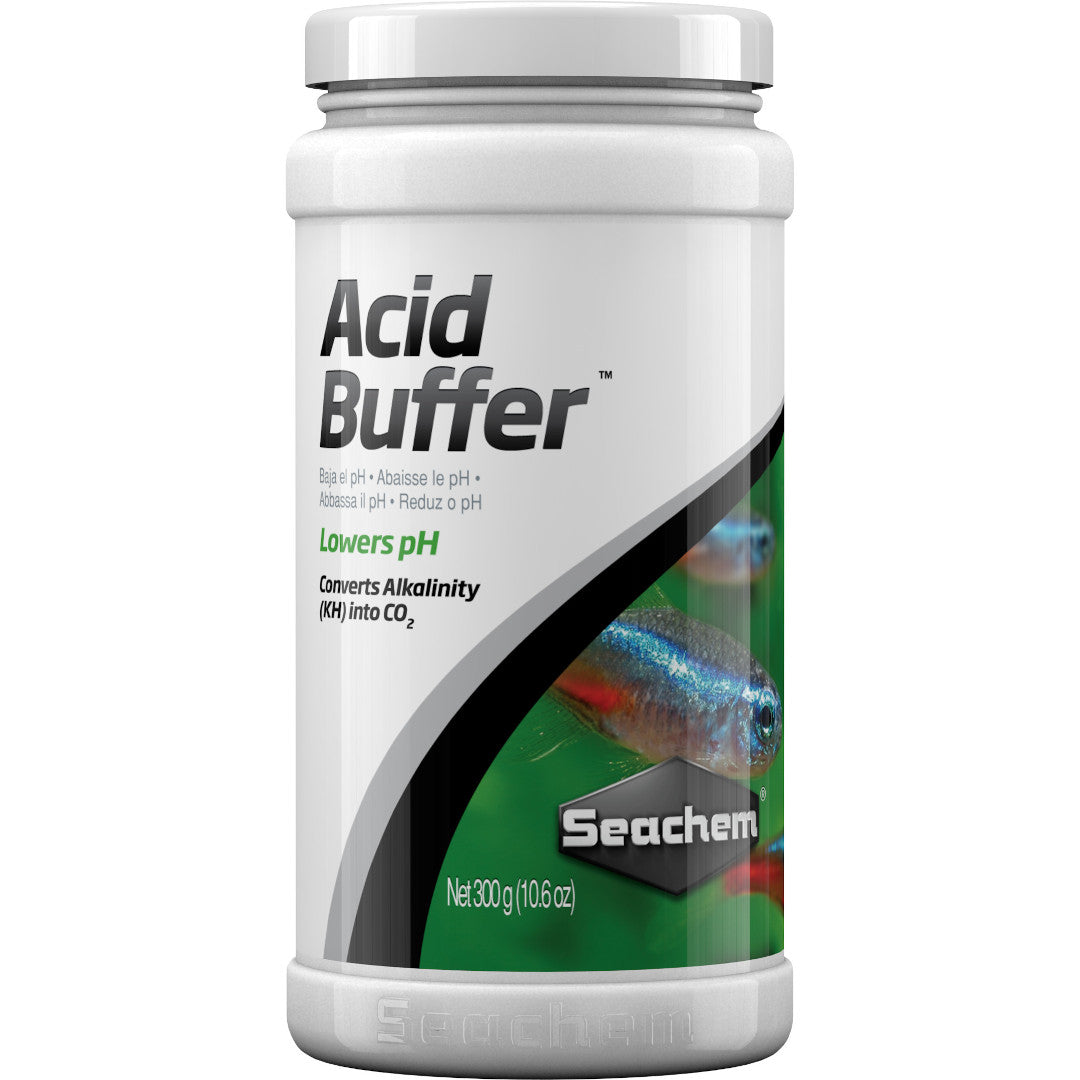
Credit: pro-shrimp.co.uk
Common Types Of Aquarium Ph Buffers
Keeping the right pH level in your aquarium is important for fish health. pH buffers help keep the water stable. They stop sudden changes that can harm fish and plants.
There are different types of pH buffers you can use. Some come from natural sources. Others are made from chemicals. Each type works in its own way.
Natural Buffers
Natural buffers come from things found in nature. They slowly keep the water pH steady. Common natural buffers include crushed coral, limestone, and peat moss.
Crushed coral and limestone add minerals to the water. These minerals help keep the pH from dropping. Peat moss lowers pH and adds tannins, which can soften water.
- Crushed coral raises and stabilizes pH
- Limestone works like coral to keep pH up
- Peat moss lowers pH and softens water
Chemical Buffers
Chemical buffers are made in labs to control pH fast. They include products with bicarbonates, carbonates, or phosphates. These chemicals keep pH steady by neutralizing acids or bases.
They work quickly and are easy to use. Many aquarium owners add chemical buffers to keep the water safe for their fish.
- Bicarbonate buffers raise and hold pH levels
- Carbonate buffers help prevent acid drops
- Phosphate buffers can reduce pH swings
Pros And Cons Of Each Type
Natural buffers are gentle and last longer. They also add minerals that help fish. These buffers change water slowly over time.
Chemical buffers act fast and give control. They can quickly fix pH problems. Some may cause sudden shifts if used too much.
| Type | Pros | Cons |
|---|---|---|
| Natural Buffers |
|
|
| Chemical Buffers |
|
|
How To Test And Monitor Ph Levels
Maintaining the right pH level in your aquarium is vital for fish health. Testing and monitoring help keep the water balanced.
Knowing how to check pH levels ensures a safe environment for aquatic life. This guide covers the basics of testing and monitoring.
Choosing The Right Test Kit
Select a test kit that matches your aquarium type and your skill level. Some kits use strips, others use liquid reagents.
- Test strips: easy and fast, but less precise
- Liquid test kits: more accurate and reliable
- Digital pH meters: best for frequent and precise readings
- Check expiration dates to ensure accuracy
Frequency Of Testing
Regular testing helps catch changes before they harm your fish. Test more often during water changes or after adding new fish.
| Situation | Testing Frequency |
| New aquarium setup | Daily |
| Stable aquarium | Weekly |
| After water change | Immediately and next day |
| Adding new fish | Daily for one week |
Interpreting Test Results
Read your results carefully. The ideal pH varies by fish species, but most freshwater fish prefer 6.5 to 7.5.
- pH below 6.0 may stress fish and slow growth
- pH above 8.0 can cause skin and gill irritation
- Sudden pH changes are harmful, even if within range
- Keep pH stable for a healthy aquarium
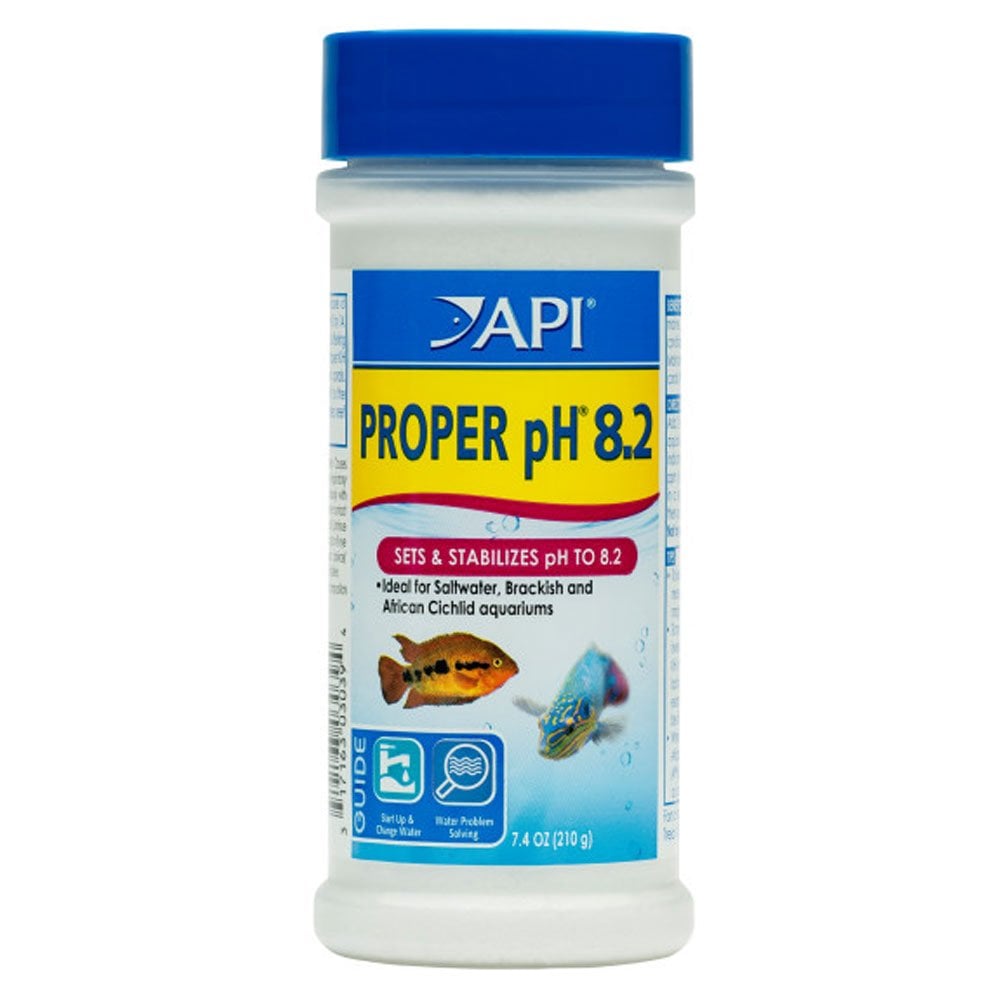
Credit: www.pond-planet.co.uk
Steps To Adjust Ph Using Buffers
Maintaining the right pH in your aquarium is key for healthy fish and plants. Using pH buffers helps keep the water stable.
Follow simple steps to prepare and use buffers safely. This guide covers preparation, dosage, and ways to avoid sudden changes.
Preparing The Buffer Solution
Start by selecting the correct buffer for your aquarium type. Mix the buffer powder with clean water in a separate container.
Stir the solution until the powder fully dissolves. Make sure the water temperature matches the tank water to avoid shock.
Safe Dosage Guidelines
- Measure your aquarium’s water volume accurately.
- Check the buffer package for dosage instructions.
- Start with half the recommended dose to test the effect.
- Wait at least 4 hours before adding more buffer.
- Record pH levels to track changes after each dose.
Avoiding Ph Fluctuations
Keep pH stable by avoiding sudden additions of chemicals or water changes without testing.
| Cause | Effect on pH | How to Avoid |
| Adding large buffer doses | Sharp pH rise | Use small doses slowly |
| Mixing different water sources | pH swings | Match pH before mixing |
| Overfeeding fish | Acidic buildup | Feed in moderation |
| Ignoring regular testing | Undetected pH changes | Test water often |
Common Mistakes With Ph Buffer Use
Using pH buffer in an aquarium helps keep water safe for fish. Many people make mistakes when adding pH buffers.
These errors can harm your fish and plants. Understanding common mistakes helps avoid problems.
Overdosing Risks
Adding too much pH buffer can cause sudden changes in water chemistry. This shock can stress or kill fish.
Overdosing may raise pH too high or cause other chemicals to build up.
- Always follow the product instructions carefully.
- Measure the correct amount based on tank size.
- Add buffer slowly and test water often.
Ignoring Water Parameters
Using pH buffer without checking water parameters can cause problems. pH, hardness, and alkalinity all affect how buffer works.
Ignoring these factors can lead to wrong dosing and unstable water conditions.
- Test pH before adding buffer.
- Check water hardness and alkalinity regularly.
- Adjust buffer use based on test results.
Mixing Incompatible Products
Mixing pH buffers with other chemicals can cause bad reactions. Some products may cancel each other out or create harmful compounds.
Always avoid mixing different brands or types without knowing their compatibility.
- Use one pH buffer brand at a time.
- Read product labels for warnings.
- Ask experts if unsure about mixing products.

Credit: www.amazon.com
Maintaining Stable Water Chemistry Long-term
Keeping the pH level stable in your aquarium is important. It ensures the health and happiness of your fish. Sudden changes can stress or harm them.
Understanding how to maintain a stable pH balance is key. This involves regular checks and adjustments.
Regular Maintenance Tips
Regular maintenance helps keep water chemistry balanced. Testing the pH level often is necessary. Make adjustments if needed to prevent stress on fish.
- Check pH levels weekly
- Use pH test kits for accuracy
- Replace water regularly
- Clean filters every month
Balancing Other Water Parameters
Other water parameters can affect pH balance. Monitor ammonia, nitrites, and nitrates. These impact the overall water chemistry and fish health.
- Test ammonia levels frequently
- Keep nitrites at safe levels
- Manage nitrates with regular water changes
- Ensure proper aeration
Role Of Substrate And Decorations
The substrate and decorations in your tank can change pH levels. Certain materials can raise or lower pH. Choose these items carefully to maintain balance.
- Use gravel that does not alter pH
- Avoid decorations made of calcium carbonate
- Consider live plants for natural balance
- Rinse all new items before adding to the tank
Best Practices For Different Aquarium Types
Maintaining the right pH level is crucial for the health of your aquarium. Each type of aquarium has specific needs.
Understanding these needs helps create a thriving environment for your aquatic life.
Freshwater Tanks
Freshwater tanks require a balanced pH to keep fish healthy. Regular testing is essential.
| Fish Type | Optimal pH Level |
| Goldfish | 7.0 – 7.5 |
| Tetras | 6.0 – 7.0 |
| Guppies | 7.0 – 7.2 |
Saltwater Tanks
Saltwater tanks often house more delicate species. Maintaining the correct pH is vital for their survival.
- Check pH weekly with a reliable test kit.
- Use marine buffer solutions to adjust pH levels.
- Monitor other parameters like salinity and alkalinity.
Planted Aquariums
Planted aquariums have unique pH requirements. Plants and fish must coexist in harmony.
Consider using CO2 diffusersto enhance plant growth, which can affect pH levels.
Troubleshooting Ph Problems
Maintaining the right pH level in your aquarium is vital for fish health.
pH problems can harm aquatic life and cause stress to your fish.
Common Symptoms Of Ph Imbalance
Fish and plants show signs when pH is off. Watch for these symptoms closely.
- Fish gasping at the surface
- Unusual fish behavior or lethargy
- Cloudy or murky water
- Sudden fish deaths
- Slow plant growth or yellowing leaves
Quick Fixes
Adjust pH carefully. Sudden changes can harm your aquarium life.
| Issue | Quick Fix |
| Low pH | Add baking soda slowly |
| High pH | Use peat moss or driftwood |
| Unstable pH | Check water source and filter |
| Sudden pH drop | Partial water change |
When To Seek Expert Help
If pH issues persist, ask for professional advice. Experts can test water and suggest solutions.
- Repeated fish illness or death
- Unable to stabilize pH with basic fixes
- Complex water chemistry problems
- Questions about long-term aquarium care
Frequently Asked Questions
What Is An Aquarium Ph Buffer?
An aquarium pH buffer stabilizes water pH by preventing sudden changes. It maintains a consistent environment for fish health. Buffers help keep pH within safe ranges, crucial for aquatic life balance.
How Do Ph Buffers Affect Aquarium Water Quality?
PH buffers maintain stable water conditions, reducing stress on fish. They prevent harmful pH swings that can damage fish and plants. Consistent pH improves overall aquarium health and clarity.
When Should I Use A Ph Buffer In My Aquarium?
Use a pH buffer when pH fluctuates or is outside desired levels. It’s essential after adding new water or chemicals. Regular testing helps determine the right time for buffering.
Can Ph Buffers Harm Aquarium Fish?
Proper use of pH buffers is safe and beneficial for fish. Overuse can cause pH imbalances or chemical stress. Always follow product instructions to avoid harming aquatic life.
Conclusion
Maintaining the right pH balance keeps fish healthy and happy. Aquarium pH buffers help control water acidity easily. Regular testing ensures the water stays stable and safe. Small changes can affect fish behavior and health a lot. Use pH buffers carefully to avoid sudden shifts.
Clear water and balanced pH create a better environment. Every aquarium owner should understand and manage pH levels well. Simple steps lead to a thriving underwater world. Keep your fish tank stable and enjoy vibrant aquatic life.