
If you’re raising fry in your aquarium, you know how tricky it can be to keep them safe. Tiny, fragile, and easy targets for other fish, fry need a secure place to grow.
That’s where aquarium moss comes in. This simple, natural addition to your tank can provide the perfect hiding spot and protection for your little swimmers. Want to learn how aquarium moss can boost your fry’s survival and help your fish thrive?
Keep reading, because what you discover here could change the way you care for your aquarium forever.

Credit: www.aquariumcoop.com
Benefits Of Aquarium Moss
Aquarium moss is a popular plant that helps protect fry. It offers many benefits for small fish and the aquarium environment.
Adding moss to your tank can improve fry survival and create a healthier space for all aquatic life.
Natural Shelter For Fry
Moss creates a safe place for fry to hide from predators. It mimics their natural habitat and reduces stress.
- Provides cover from adult fish
- Offers a place to rest and hide
- Helps fry avoid being eaten
- Creates a calm and secure environment
Improved Water Quality
Moss helps keep water clean by absorbing harmful chemicals. It uses nutrients that would otherwise feed algae growth.
| Water Benefit | How Moss Helps |
| Reduces Nitrates | Absorbs excess nutrients |
| Increases Oxygen | Produces oxygen during photosynthesis |
| Improves Clarity | Filters small particles |
Algae And Pest Control
Moss competes with algae for nutrients, helping to limit algae growth. It also traps unwanted pests.
- Limits algae by using nutrients
- Traps small pests and detritus
- Reduces the need for chemical treatments
Types Of Moss For Fry Protection
Aquarium moss is a great way to protect fry in a tank. It gives baby fish a safe place to hide. Moss also helps keep water clean.
Different moss types work well for fry protection. Each type grows differently and offers unique shelter. Let’s explore some popular moss varieties for fry.
Java Moss
Java Moss is a favorite for many aquarium hobbyists. It grows fast and attaches to rocks or driftwood easily. Fry can hide deep inside its dense branches.
This moss is low maintenance and grows well in most water conditions. It also helps improve water quality by absorbing nitrates.
Christmas Moss
Christmas Moss has a unique look with its short, branched leaves. It creates thick mats that provide excellent cover for fry. This moss grows slower than Java Moss but looks very decorative.
It prefers cooler water and moderate light. Christmas Moss also adds oxygen to the tank, which helps young fish thrive.
Weeping Moss
Weeping Moss grows long, flowing strands that hang down like a curtain. This creates a hiding place that fry can swim through easily. It adds natural beauty to the aquarium.
Weeping Moss prefers moderate light and clean water. It grows slower than Java Moss but faster than Christmas Moss. This moss also helps reduce algae growth.
Setting Up Moss In The Aquarium
Aquarium moss provides safe hiding places for fry. It helps protect them from larger fish. Setting up moss correctly improves fry survival.
This guide explains how to prepare and place moss in your aquarium. It also covers lighting and temperature needs.
Preparing The Moss
Rinse the moss gently in clean water before adding it to the tank. This removes dirt and small insects.
Trim the moss if it is too long or thick. This helps water flow and keeps the moss healthy.
- Use dechlorinated water for rinsing
- Remove dead or brown parts
- Separate moss into smaller clumps
Placement Techniques
Attach moss to rocks or driftwood with fishing line or thread. This keeps it stable and lets fry hide inside.
Place moss in calm areas of the tank. Avoid strong water currents that can damage or move the moss.
- Use aquarium-safe glue if needed
- Position moss near the bottom or mid-level
- Ensure easy access for fry to enter
Lighting And Temperature Needs
Moss grows best under low to medium light. Too much light causes algae growth on the moss.
Keep the tank temperature between 72°F and 78°F (22°C to 26°C). Stable temperature helps moss stay healthy.
- Use LED or fluorescent lights with timer
- Provide 8 to 10 hours of light daily
- Maintain steady aquarium temperature

Credit: www.canadaquaria.ca
Maintaining Moss For Optimal Fry Safety
Aquarium moss provides excellent shelter for fry. It helps protect them from predators and strong currents. To keep moss healthy, regular care is needed.
Proper maintenance ensures the moss stays dense and clean. This creates a safe environment for young fish to grow.
Regular Cleaning
Cleaning moss removes dirt and debris that can harm fry. Use gentle water flow to wash the moss without damaging it. Remove any dead or decaying parts carefully.
Cleaning frequency depends on tank conditions but aim for at least once a month. This keeps the moss fresh and free from harmful buildup.
Preventing Overgrowth
Too much moss can block light and reduce water flow. This may harm fry and other plants in the tank. Trim moss regularly to keep it balanced and healthy.
- Use scissors to trim thick patches
- Remove excess moss from tank surfaces
- Check moss growth weekly for quick action
- Avoid disturbing fry during trimming
Monitoring Water Parameters
Healthy moss needs stable water conditions. Check temperature, pH, and nutrient levels often. Keep these values within safe ranges for fry and moss growth.
| Parameter | Ideal Range |
| Temperature | 72°F – 78°F (22°C – 26°C) |
| pH | 6.5 – 7.5 |
| Ammonia | 0 ppm |
| Nitrite | 0 ppm |
| Nitrate | < 20 ppm |
Breeding Tips With Aquarium Moss
Aquarium moss is a great plant to use for protecting fish fry. It creates a safe space for tiny fish to hide. This helps increase their chances of survival.
Using moss also improves water quality and provides food for fry. This guide shares tips on breeding with aquarium moss.
Choosing Compatible Species
Pick fish species that do well with moss and each other. Some species are gentle and good for breeding with moss. Avoid aggressive fish that might eat the fry.
Livebearers and small egg-layers often do well with moss. They use moss for hiding and egg-laying.
- Guppies and Endlers are good livebearers
- Tetras and Rasboras are peaceful egg-layers
- Avoid large or aggressive fish
- Check species compatibility before breeding
Timing And Spawning Conditions
Set the right time and conditions for spawning. Stable water temperature helps encourage breeding. Keep water clean with gentle filtration.
Use soft, slightly acidic water if your species prefers it. Provide plenty of moss for the fish to lay eggs or give birth.
- Maintain temperature between 75-80°F (24-27°C)
- Keep water pH around 6.5 to 7.0
- Provide dim lighting to reduce stress
- Offer fresh food to encourage spawning
Protecting Fry From Predators
Aquarium moss acts as a hiding place for small fry. It helps keep them safe from adult fish and other predators. Dense moss slows down predators and gives fry a chance to escape.
Regularly check the moss for leftover food and waste. This keeps the water healthy for the fry.
- Use thick moss mats or clumps
- Place moss near spawning sites
- Remove large or aggressive fish after spawning
- Keep water clean to support fry health
Common Challenges And Solutions
Keeping aquarium moss healthy is key for fry protection. Moss provides shelter and hides fry from predators. However, maintaining moss can be tricky.
This guide covers common moss challenges and solutions. It helps ensure your moss thrives in the tank environment.
Moss Deterioration
Moss may deteriorate due to poor water conditions or lack of nutrients. Signs include browning or thinning moss. Addressing these issues early is essential.
- Check water pH levels regularly
- Ensure adequate lighting for growth
- Use liquid fertilizers specifically for aquatic plants
Fungal Infections
Fungal infections can harm moss and tank inhabitants. They often appear as white patches. Proper tank maintenance helps prevent these infections.
To treat fungal infections, consider using antifungal treatments. Always follow product instructions carefully.
Balancing Moss And Tank Cleanliness
Balancing moss growth and tank cleanliness is crucial. Overgrowth can hinder water flow and reduce oxygen levels. Regular maintenance is key.
| Task | Frequency |
| Trim moss | Monthly |
| Clean filters | Bi-weekly |
| Check water parameters | Weekly |
Enhancing Fry Survival Rates
Creating a safe environment helps young fish grow strong. Aquarium moss offers essential protection for fry. This guide explains techniques to improve their survival.
Learn how to use aquarium moss effectively. It can provide shelter and reduce stress for fry.
Supplemental Feeding
Fry need more than just a safe space. They require proper nutrition to thrive. Providing the right food boosts their growth and health.
- Feed small, frequent meals to mimic natural conditions.
- Use high-quality fry food with balanced nutrients.
- Ensure food sinks slowly for easy access by fry.
Safe Tank Mates
Choosing the right tank mates is crucial for fry safety. Some fish can stress or even eat young fry.
| Fish Species | Compatibility with Fry |
| Guppies | Safe |
| Tetras | Safe |
| Large Cichlids | Not Safe |
Stress Reduction Techniques
Stress can harm fry development. Reducing stress helps them grow healthy and strong.
Creating hiding spots with moss is effective. It mimics natural habitats, helping fry feel secure.
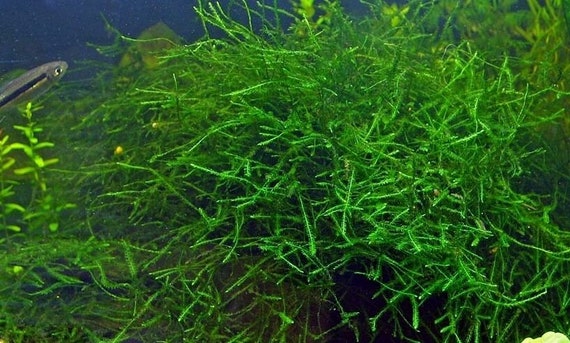
Credit: www.etsy.com
Frequently Asked Questions
What Is Aquarium Moss For Fry Protection?
Aquarium moss provides dense cover where fry can hide from predators. It creates a safe environment that enhances fry survival. Moss also improves water quality by absorbing nitrates and offers a natural habitat for microorganisms that feed fry.
How Does Moss Benefit Fry In Aquariums?
Moss offers shelter and reduces stress for fry by mimicking natural habitats. It helps fry avoid being eaten by adult fish. Additionally, moss supports beneficial bacteria growth, which aids in maintaining healthy water conditions for fry development.
Which Types Of Moss Are Best For Fry Protection?
Java moss and Christmas moss are popular choices due to their dense growth. These mosses provide excellent hiding spots and are easy to maintain. Both thrive in various water conditions, making them ideal for protecting delicate fry in home aquariums.
How To Introduce Moss For Fry In An Aquarium?
Rinse the moss thoroughly before placing it in the tank. Attach moss to rocks or driftwood to prevent floating. Ensure good water flow and moderate lighting to promote healthy moss growth and create effective fry hiding spaces.
Conclusion
Aquarium moss offers excellent shelter for fry to grow safely. It creates a natural hiding place that keeps them safe from predators. Moss also helps maintain clean water by trapping debris and providing oxygen. Using moss makes fry care easier and more effective.
Adding it to your aquarium supports healthy fry development. Small steps like these improve your fish tank’s environment. Give your fry the best chance to thrive with aquarium moss. Simple, natural, and beneficial—moss is a smart choice for every fish keeper.