
Have you ever stared at your aquarium and wished your fish and plants looked more alive, more colorful? The secret to bringing out those stunning hues lies in the right lighting.
Aquarium lighting for color vibrancy isn’t just about making your tank brighter—it’s about making every detail pop and creating a breathtaking underwater scene right in your home. If you want your aquarium to dazzle and truly stand out, understanding how to choose and use the best lighting is key.
Keep reading, and you’ll discover simple tips that will transform your tank into a vibrant masterpiece.

Credit: www.reddit.com
Types Of Aquarium Lighting
Aquarium lighting plays a big role in showing the true colors of your fish and plants. The right light makes colors look bright and natural.
Different types of lights work best for different aquariums. Choosing the right one helps your tank look beautiful.
Led Lights
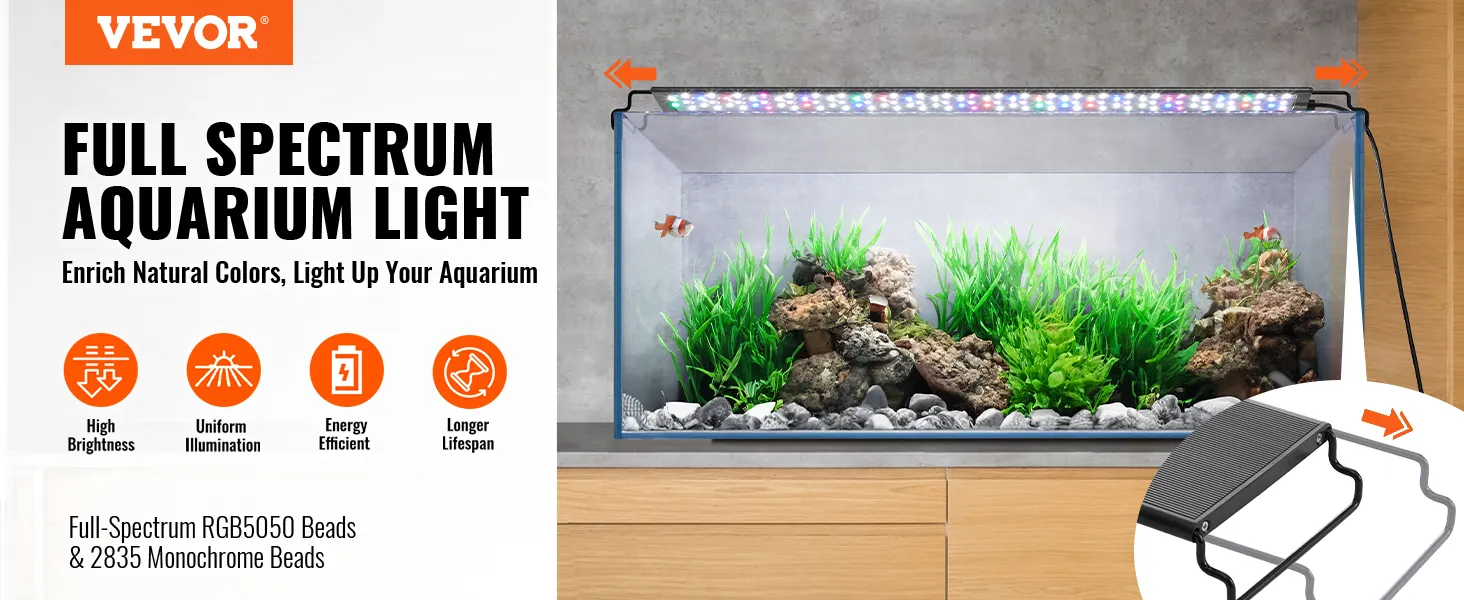
LED lights are popular for aquariums. They use less power and last a long time. LED lights come in many colors and brightness levels.
They help show fish colors well and can be adjusted for different effects. LED lights also produce less heat, so they are safe for tanks.
Fluorescent Lights
Fluorescent lights have been used in aquariums for a long time. They give bright, even light that helps plants grow and fish look vibrant.
They use more energy than LEDs but cost less upfront. Fluorescent bulbs need to be replaced every year or so to keep colors bright.
Metal Halide Lights
Metal halide lights are very bright and good for deep or large tanks. They show colors in a strong and clear way. These lights help coral and plants grow well.
They use more power and create more heat. You may need extra equipment to keep the tank cool when using metal halide lights.
Incandescent Lights
Incandescent lights are the oldest type of lighting. They give a warm light but are not very bright for aquariums. They use more energy and create a lot of heat.
These lights are less common now because they do not show fish colors well. They are best for small tanks or temporary use.
Credit: www.vevor.ca
Light Spectrum And Color Enhancement
Aquarium lighting plays a big role in showing off fish colors. Different light colors affect how fish look. Using the right light spectrum makes fish colors pop.
Choosing the right lighting helps create a natural and bright aquarium. The light spectrum affects the way colors appear in the tank.
Role Of Blue And Red Wavelengths
Blue light helps bring out the colors in fish and plants. It makes the water look clear and deep. Red light highlights warm colors like red and orange on fish.
Using both blue and red light together balances the colors. It helps the fish look bright and natural.
- Blue light enhances blues and greens
- Red light brings out reds and oranges
- Mixing both improves overall color balance
Full Spectrum Lighting Benefits
Full spectrum lighting covers all colors of light. It mimics natural sunlight for the aquarium. This type of light helps fish and plants grow well.
Full spectrum light shows all fish colors clearly. It makes the aquarium look lively and bright. This lighting also supports plant photosynthesis.
- Shows true fish colors
- Supports healthy plant growth
- Creates a natural aquarium look
- Suitable for all fish types
Adjusting Light For Different Fish Colors
Different fish have different color needs. Adjusting the light helps highlight their best colors. For example, blue fish look best with more blue light.
Warm colored fish, like red or yellow, need more red light. Changing light intensity can also affect color brightness. Use timers to give fish a natural day-night cycle.
- Blue light for blue and green fish
- Red light for red and orange fish
- Adjust brightness to avoid stress
- Use timers for consistent light cycles
Lighting Intensity And Duration
Aquarium lighting plays a key role in showing the true colors of your fish and plants. Proper light helps maintain a healthy and vibrant tank environment.
Choosing the right light intensity and how long the lights stay on each day affects color vibrancy and tank health.
Optimal Brightness Levels
Bright light helps colors pop but too much can stress fish and plants. Low light can make colors dull.
- Use medium to high brightness for colorful fish species.
- Adjust light intensity based on plant and fish needs.
- Consider LED lights for better control and energy savings.
Daily Lighting Schedules
Consistent light schedules help fish and plants stay healthy. Sudden changes can cause stress and color fading.
| Lighting Duration | Recommended Hours |
| Low light tanks | 6 to 8 hours |
| Medium light tanks | 8 to 10 hours |
| High light tanks | 10 to 12 hours |
Avoiding Algae Overgrowth
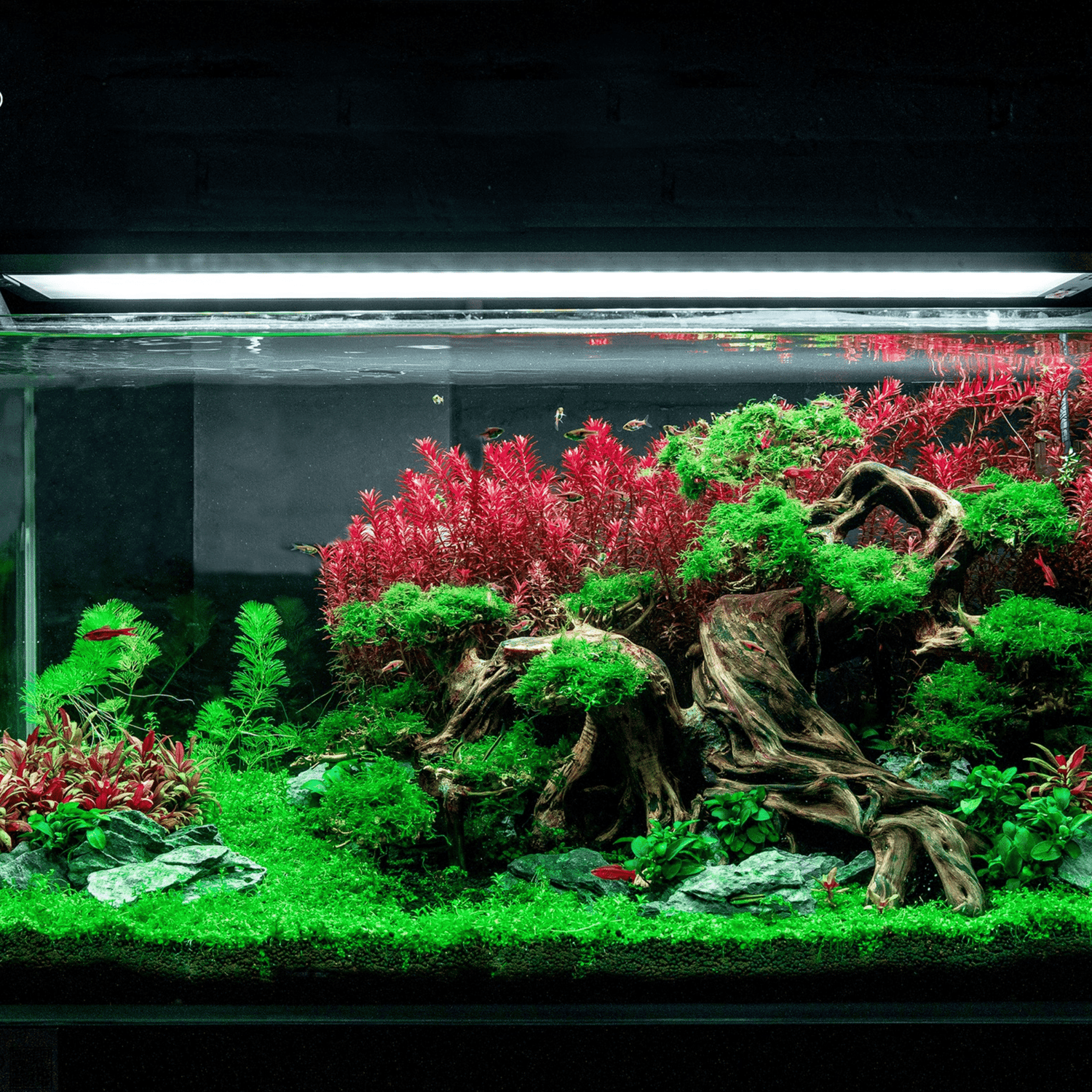
Too much light or long hours can cause algae to grow fast. Algae cover reduces color vibrancy and harms plants.
Tips to prevent algae:
- Limit lighting to recommended hours.
- Turn off lights during feeding times.
- Use a timer for consistent light cycles.
- Keep the aquarium clean by removing algae regularly.
Credit: aquascapeshop.com
Lighting Placement And Tank Setup
Proper lighting placement is key to making aquarium colors pop. The setup of your tank also affects how light spreads.
Good lighting helps fish and plants show their true colors. It also creates a pleasing view.
Positioning Lights For Maximum Effect
Place lights above the tank center to cover most areas evenly. Avoid shadows on fish or plants.
Adjust light angle to highlight colorful spots. Use multiple lights to reduce dark zones.
- Center lights for even coverage
- Angle lights to highlight colors
- Use more than one light if needed
- Avoid placing lights too close to glass
Using Reflectors And Diffusers
Reflectors bounce light back into the tank. They increase brightness without more power.
Diffusers spread light softly. They reduce glare and help light reach all tank areas.
- Reflectors improve light use efficiency
- Diffusers create soft, even light
- Use both to avoid harsh shadows
- Choose materials that resist moisture
Impact Of Tank Size And Depth
Large or deep tanks need stronger lights. Light weakens as it travels through water.
Shallow tanks show colors better with less light. Deep tanks may need special bulbs.
- Deep tanks require powerful lighting
- Wide tanks need multiple light sources
- Shallow tanks need less intense light
- Adjust lighting based on tank shape
Special Lighting Techniques
Aquarium lighting plays a key role in enhancing fish color vibrancy. It can also influence plant growth and the overall aesthetic of the tank. By choosing the right lighting techniques, you can create a stunning underwater environment.
Different lighting methods can bring out the best in your aquarium. Let’s explore some special techniques to make your fish and plants stand out.
Moonlight And Night Lighting
Moonlight lighting is soft and calming. It mimics the natural glow of the moon. This type of lighting is perfect for evening hours.
Night lighting can help fish feel safe and reduce stress. It also allows you to watch your aquarium at night without disturbing the fish.
- Creates a serene environment
- Enhances the natural behavior of nocturnal fish
- Provides a relaxing glow for nighttime viewing
Dynamic Lighting Effects
Dynamic lighting effects can simulate natural conditions. These effects mimic sunrise, sunset, and even storms.
Changing light patterns can enhance fish activity. It can also promote healthier plant growth by mimicking natural light cycles.
- Simulates natural day and night cycles
- Enhances fish activity and behavior
- Supports plant health and growth
Using Color Enhancing Bulbs
Color enhancing bulbs can make fish colors pop. These bulbs highlight the reds, blues, and greens in your tank.
They are ideal for showcasing vibrant fish species. The right bulbs can transform a dull tank into a colorful display.
- Brings out natural fish colors
- Enhances aquarium visual appeal
- Ideal for showcasing vibrant species
Maintaining And Upgrading Aquarium Lights
Proper lighting keeps your aquarium colorful and healthy. Regular care and updates help fish and plants thrive.
Choosing the right light and maintaining it extends its life and improves the tank’s look.
Cleaning And Replacing Bulbs
Clean bulbs often to remove dust and algae. Dirty bulbs reduce light and color vibrancy.
- Turn off and unplug the light before cleaning.
- Use a soft cloth with water or mild cleaner.
- Replace bulbs every 6 to 12 months for best brightness.
- Check bulb type and wattage before buying replacements.
- Dispose of old bulbs properly to avoid hazards.
Energy Efficiency Considerations
Energy-saving lights lower electricity costs and reduce heat. LED lights are common for aquariums.
| Light Type | Energy Use | Average Lifespan | Heat Output |
| Incandescent | High | 1,000 hours | High |
| Fluorescent | Moderate | 8,000 hours | Moderate |
| LED | Low | 25,000 hours | Low |
Latest Innovations In Aquarium Lighting
New lighting offers color control and timers. These features help simulate natural light cycles.
- Smart lights with app control for color and brightness.
- Full-spectrum LED for better plant growth and fish color.
- Adjustable settings for day and night modes.
- Energy-efficient designs to save power.
Frequently Asked Questions
What Type Of Lighting Enhances Aquarium Color Vibrancy?
LED lights are best for enhancing aquarium color vibrancy. They offer adjustable brightness and color spectrum. LEDs are energy-efficient and long-lasting, making them ideal for vibrant aquatic displays.
How Does Lighting Affect Fish Color Intensity?
Proper lighting stimulates natural pigments in fish, enhancing their colors. Bright, full-spectrum lighting mimics natural sunlight, making colors appear more vivid. Insufficient lighting can cause dull or faded fish colors.
How Long Should Aquarium Lights Stay On Daily?
Aquarium lights should be on for 8 to 12 hours daily. This duration supports plant growth and fish health while preventing algae overgrowth. Consistent lighting cycles help maintain vibrant colors and a balanced ecosystem.
Can Lighting Improve Plant Growth In Aquariums?
Yes, proper lighting promotes healthy plant growth and color. Full-spectrum lights provide essential wavelengths for photosynthesis. Healthy plants improve the tank’s overall look and support vibrant aquatic life.
Conclusion
Bright aquarium lighting brings out your fish’s true colors. It helps plants grow healthy and strong. Choosing the right light type makes a big difference. Too much light can cause algae, so balance is key. Remember, natural-looking light keeps your tank vibrant.
Regularly check and adjust your lighting setup. Small changes can improve your aquarium’s beauty. Enjoy watching your colorful underwater world shine every day.