
If you want your tropical fish to thrive, the right lighting is key. But keeping track of when to turn your aquarium lights on and off can be tricky.
That’s where aquarium light timers come in. They help create a natural day-night cycle for your fish, reducing stress and promoting healthy behavior. Imagine never worrying about forgetting to switch the lights or disrupting your fish’s routine again. Ready to discover how a simple timer can transform your aquarium care?
Keep reading to find out everything you need to know about aquarium light timers for tropical fish.
Benefits Of Light Timers
Aquarium light timers help control the lighting for tropical fish tanks. They turn lights on and off automatically at set times.
Using light timers makes tank care easier and keeps fish healthy by giving them a regular light cycle.
Consistent Lighting Schedule
Light timers keep the aquarium lights on for the same amount of time every day. This regularity mimics natural day and night cycles.
Fish and plants need this routine to stay healthy. It helps fish know when to eat and rest.
Reduced Algae Growth
Too much light can cause algae to grow fast and cover the tank. Light timers help limit light exposure to the right amount.
Controlling light reduces algae problems and keeps the tank clean and clear.
- Prevents algae from getting too much light
- Keeps the tank looking nice
- Makes cleaning easier
Stress Reduction For Fish
Fish feel less stressed with a stable light schedule. Sudden light changes can scare or confuse them.
Light timers create calm conditions by giving fish predictable light and dark periods every day.

Credit: www.amazon.com
Types Of Aquarium Timers
Aquarium light timers help control the lighting for tropical fish tanks. They create a regular day and night cycle. This is important for fish health and plant growth.
There are different types of timers. Each type offers unique features and ease of use. Choose one that fits your needs and budget.
Mechanical Timers
Mechanical timers use a simple clock mechanism. You set pins or switches to turn lights on and off. They do not need electricity to keep time.
These timers are easy to use and affordable. They work well for basic light schedules. Mechanical timers are reliable but less flexible than digital ones.
- Set using dial and pins
- No batteries or power needed for timing
- Good for fixed schedules
- Less accurate than digital timers
Digital Timers
Digital timers use electronic circuits to control lights. They allow precise setting of on and off times. You can program multiple on/off cycles per day.
These timers often have LCD screens and buttons. They are more flexible and accurate. Digital timers usually need batteries or power to work.
- Easy to program with buttons
- Multiple settings per day
- Accurate timing
- Needs power source or batteries
Smart Timers And Apps
Smart timers connect to Wi-Fi or Bluetooth. You control them with a smartphone app. This lets you change light schedules from anywhere.
They often include features like dimming and sunrise simulation. Smart timers may also monitor tank conditions. These offer the most control but cost more.
- Control using smartphone apps
- Adjust light intensity and timing
- Remote access from anywhere
- May include extra tank monitoring
Choosing The Right Timer
Setting the correct light schedule is important for tropical fish health. A reliable aquarium light timer helps create a stable environment. It controls when the lights turn on and off, mimicking natural day and night cycles.
Choosing the right timer means considering your lighting system and ease of use. You also need to check its durability, especially against water exposure. These factors help keep your aquarium safe and your fish comfortable.
Compatibility With Lighting Systems
Not all timers work with every type of aquarium light. Some lights need special timers. Check the timer’s voltage and wattage limits to match your lighting setup.
- LED lights usually work with digital timers
- Fluorescent lights need timers that handle higher wattage
- Check if the timer supports dimming features if needed
- Make sure the timer works with your power source
Ease Of Use
A timer should be easy to set up and program. Look for clear buttons or a screen that shows the schedule. Some timers have simple daily settings, while others allow multiple on/off cycles.
| Feature | Benefit |
|---|---|
| Large display | Easy to read settings |
| Manual override button | Quick control without reprogramming |
| Battery backup | Keeps settings during power outages |
| Multiple on/off settings | Custom light cycles for fish needs |
Durability And Waterproof Features
Timers near water must resist moisture and splashes. Look for waterproof or water-resistant models. Durable materials help the timer last longer in humid aquarium rooms.
Choose timers with:
- Sealed buttons to prevent water entry
- Plastic or rubber casing for extra protection
- Corrosion-resistant internal parts
- Clear instructions on water safety rating

Credit: www.amazon.co.uk
Setting Up Your Timer
Using a light timer helps keep your tropical fish healthy. It controls how long your aquarium lights stay on each day.
This guide explains how to set up your timer for the best results. You will learn how to choose light duration, program daily cycles, and adjust for seasons.
Determining Optimal Light Duration
Tropical fish need a balanced light schedule. Too much light can cause algae growth. Too little light can harm fish health.
A good rule is to provide 8 to 12 hours of light daily. This time mimics natural daylight and keeps fish active and healthy.
- 8 to 10 hours is ideal for low-light plants and fish
- 10 to 12 hours suits tanks with bright plants
- Adjust the time based on fish behavior and algae growth
Programming Daily Cycles
Set your timer to turn lights on and off at the same times each day. This creates a stable environment for fish and plants.
Use simple on/off settings to keep the schedule easy. Avoid sudden changes in lighting to reduce fish stress.
- Set lights on in the morning when you wake up
- Turn lights off in the evening before bedtime
- Keep the cycle consistent every day
Adjusting For Seasonal Changes
Daylight hours change with the seasons. Adjust your timer to match these changes for a natural feel.
In winter, shorten light duration to about 8 hours. In summer, increase it to 12 hours. This helps fish stay healthy year-round.
- Shorten light time in winter months
- Lengthen light time in summer months
- Make changes gradually over several days
Impact On Tropical Fish Health
Aquarium light timers help keep tropical fish healthy by controlling light exposure. They create a stable environment that supports fish well-being.
Light timers can mimic natural day and night cycles. This balance is important for fish health and growth.
Mimicking Natural Light Patterns
Setting the light timer to match natural light patterns helps fish feel safe. It reduces stress and supports their internal clocks.
- Simulates sunrise and sunset
- Maintains consistent day length
- Prevents sudden light changes
Supporting Fish Behavior
Fish use light cues to regulate their actions. Proper light timing guides feeding, resting, and social behaviors.
| Behavior | Effect of Proper Lighting |
| Feeding | Improved appetite and digestion |
| Resting | Better sleep and recovery |
| Breeding | More natural spawning cycles |
Enhancing Color And Growth
Light timers help provide the right light duration for color and growth. Controlled lighting promotes strong, vibrant fish.
- Supports pigment development
- Encourages healthy plant growth
- Prevents overexposure to light
Maintaining Your Timer And Lighting
Aquarium light timers help keep your tropical fish healthy. Proper maintenance ensures a stable environment.
Regular checks and updates to your system prevent issues. This guide covers essential maintenance tips.
Regular Timer Checks
Check your timer settings weekly. Ensure the lights turn on and off at the right times.
Adjust the schedule to mimic natural daylight hours. This helps maintain your fish’s internal clock.
- Test the timer by observing light changes.
- Replace batteries if the timer is battery-powered.
- Ensure the timer is plugged in securely.
Replacing Bulbs And Fixtures
Bulbs lose brightness over time. Replace them every six months for optimal light.
Check fixture connections when changing bulbs. Loose connections can cause flickering.
- Turn off power before replacing bulbs.
- Use bulbs suited for tropical fish.
- Check for rust on light fixtures.
Troubleshooting Common Issues
If your lights don’t turn on, check the power source. Ensure the timer is set correctly.
Flickering lights might indicate a loose bulb or fixture issue. Tighten or replace as needed.
- Reset the timer to factory settings if issues persist.
- Consult the manual for specific error codes.
- Seek professional help if troubleshooting fails.
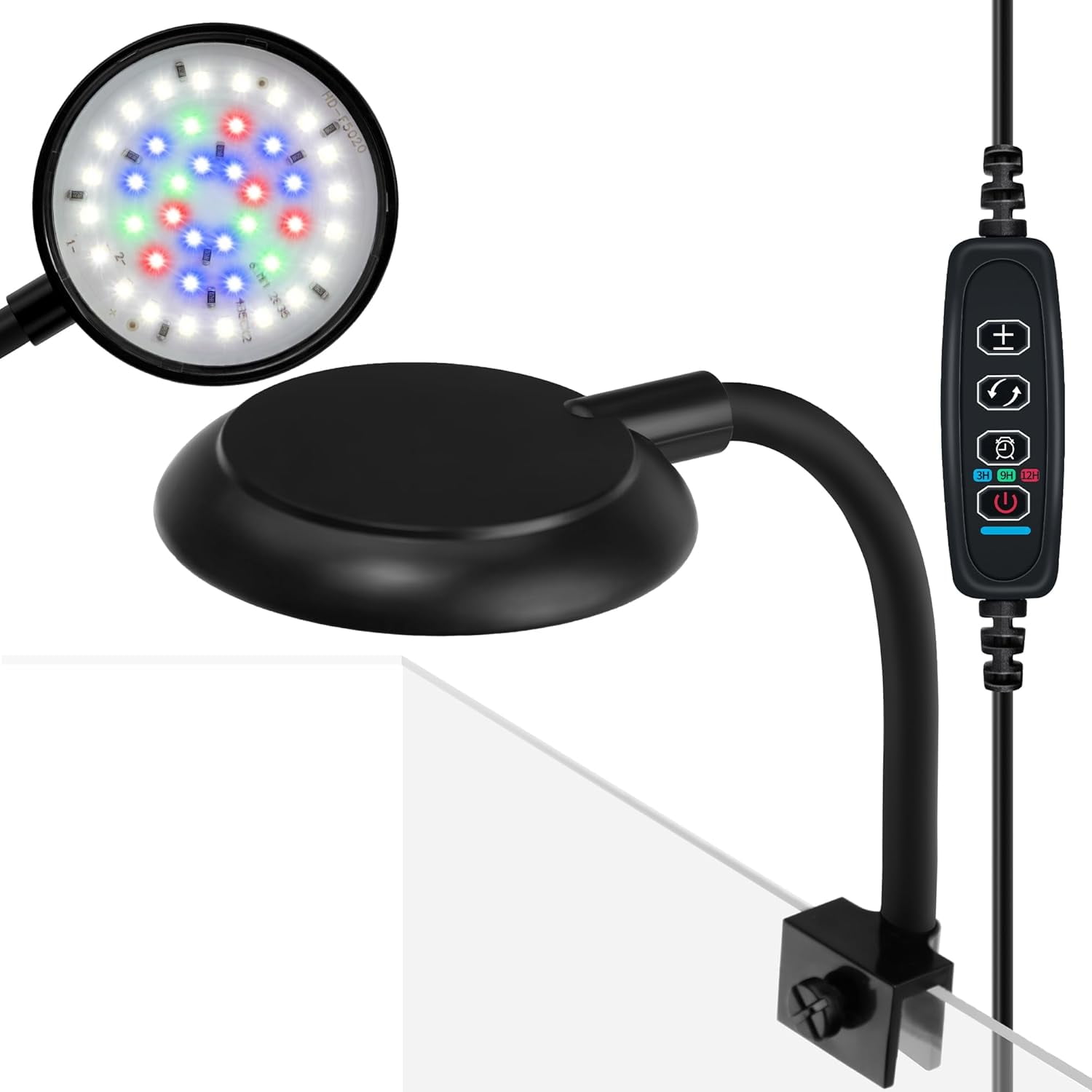
Credit: www.walmart.ca
Frequently Asked Questions
What Are Aquarium Light Timers For Tropical Fish?
Aquarium light timers automate lighting schedules for tropical fish tanks. They ensure consistent light cycles, promoting fish health and plant growth. Timers reduce manual effort and prevent overexposure to light, which can stress fish or cause algae blooms.
How Do Light Timers Benefit Tropical Fish Tanks?
Light timers create a stable day-night cycle, mimicking natural environments. Consistent lighting reduces fish stress and encourages natural behavior. Timers also help maintain aquatic plants by providing regular light periods essential for photosynthesis.
Can Aquarium Light Timers Prevent Algae Growth?
Yes, timers control light duration, limiting excess exposure that fuels algae growth. By setting appropriate on/off cycles, timers balance light needs for fish and plants while minimizing algae buildup, keeping the tank cleaner and healthier.
What Type Of Light Timer Suits Tropical Fish Tanks?
Digital timers are ideal due to precision and ease of programming. They allow customizable light schedules tailored to specific fish and plant needs. Mechanical timers work but offer less flexibility and accuracy for tropical aquarium setups.
Conclusion
Aquarium light timers help keep your tropical fish healthy and happy. They create a steady day and night routine for fish. This routine reduces stress and supports natural behavior. Timers also save energy by turning lights off when not needed.
Setting a proper light schedule is simple and effective. Small steps like this improve your aquarium’s environment. Your fish will thrive with consistent care and lighting. Use a timer to make fishkeeping easier and better.