
When it comes to your aquarium, lighting plays a bigger role than you might think. Have you ever wondered how long your LED lights will last before they need replacing?
Knowing the lifespan of your aquarium LED lighting can save you money and keep your tank looking vibrant. You’ll discover what affects the lifespan of your LED lights and how to get the most out of them. Keep reading to make sure your underwater world stays bright and healthy for years to come.
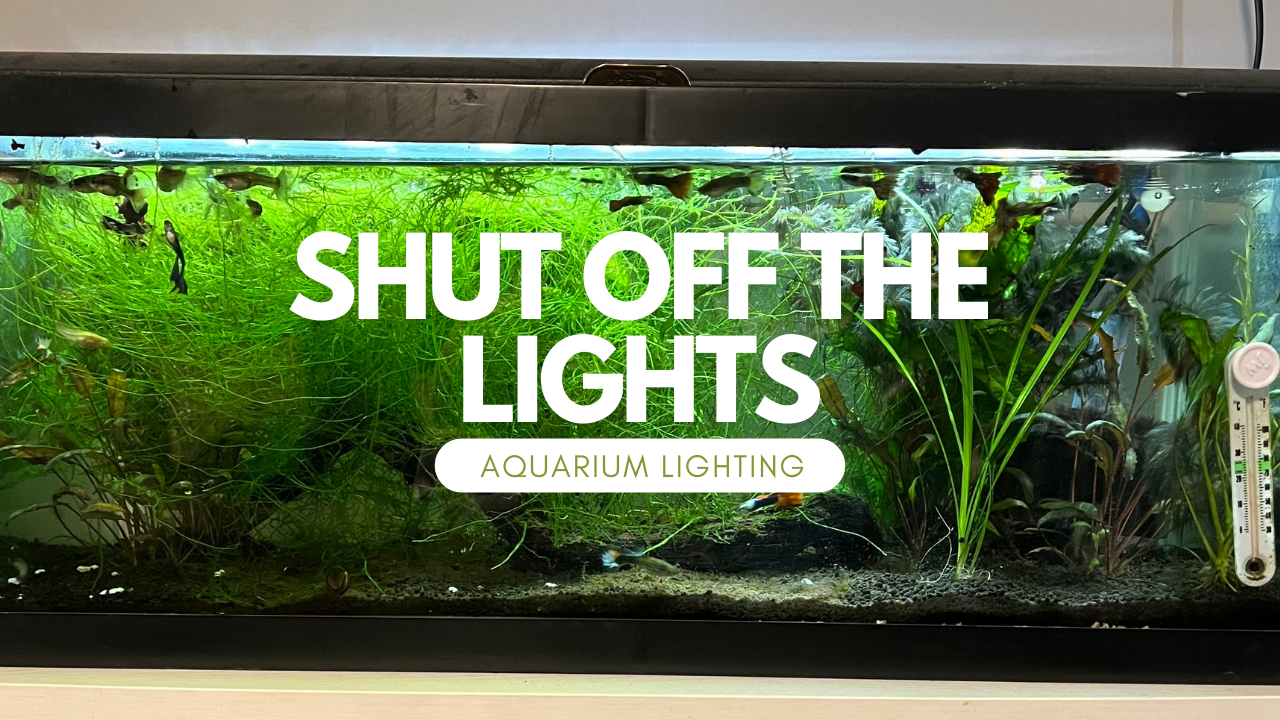
Credit: medium.com
Types Of Aquarium Led Lights
Aquarium LED lights come in different types. Each type has unique features for fish and plants.
Choosing the right LED light helps keep your aquarium healthy and bright.
Standard Leds
Standard LEDs are common and cost-effective. They provide basic lighting for small tanks.
They work well for fish-only tanks but may not support plant growth well.
High-output Leds
High-output LEDs give more light intensity. They are good for larger or deeper tanks.
- Produce strong light to reach deep water
- Support plant growth better than standard LEDs
- Use more energy but last longer
Full Spectrum Leds
Full spectrum LEDs mimic natural sunlight. They help plants and corals grow healthy.
| Feature | Benefit |
|---|---|
| Light Range | Covers all colors needed for photosynthesis |
| Color Rendering | Enhances natural colors of fish and plants |
| Energy Use | Moderate, balanced for efficiency and output |
| Lifespan | Long-lasting with stable performance |
Factors Affecting Led Lifespan
Aquarium LED lighting lasts longer when certain factors are controlled. These factors affect how well the LED works over time.
Understanding these factors helps keep your aquarium lights bright and efficient for many years.
Heat Management
Heat is the biggest enemy of LED lights. Too much heat can shorten their lifespan quickly. Good heat management keeps the LED cool.
- Use heat sinks to draw heat away from the LED.
- Ensure proper ventilation around the light fixture.
- Keep the aquarium area cool and avoid direct sunlight on the LED.
- Regularly clean fans or cooling units to maintain airflow.
Power Quality
Stable power supply is important for LED durability. Fluctuations in voltage can damage the LEDs and reduce their life.
| Power Issue | Effect on LED |
| Voltage spikes | Can cause immediate damage |
| Low voltage | Reduces brightness and efficiency |
| Frequent power surges | Shortens overall LED lifespan |
| Unstable current | Leads to flickering and stress on components |
Usage Duration
How long you use the LED lights daily affects their lifespan. Overuse can wear out the LEDs faster.
- Limit daily lighting to recommended hours (usually 8-12 hours).
- Avoid turning lights on and off very frequently.
- Use timers to maintain consistent lighting schedules.
- Give LEDs rest periods to cool down during the day.
Signs Of Diminishing Brightness
Aquarium LED lights lose their brightness over time. This affects the health of your fish and plants. Watch for signs to know when to replace your lights.
Bright and clear lighting helps your aquarium look its best. When the light dims, it can change the colors and appearance inside the tank.
Color Fading
One sign of weak LED lights is color fading. The vibrant colors of fish and plants start to look dull. This happens because the light no longer shows true colors well.
- Fish colors look less bright than before
- Plants appear washed out or pale
- Decorations lose their vivid tones
Reduced Intensity
Reduced intensity means the light is not as strong. The tank looks darker, even if the LED is still on. This can hurt plant growth and fish behavior.
| Brightness Level | Effect on Aquarium |
| High | Healthy plant growth and vibrant colors |
| Medium | Plants grow slowly, colors fade slightly |
| Low | Plants struggle, colors look dull |
Uneven Lighting
Uneven lighting means some parts of the tank are bright and others are dim. This can happen as the LED ages or if bulbs burn out unevenly.
Look for these signs of uneven lighting:
- Shadows or dark spots on plants and decorations
- Some fish avoid darker areas
- Light seems patchy across the tank
:strip_icc()/Live_Planted_Aquarium_Cheong_Kim_Tick-56a32fc05f9b58b7d0d0df51.jpg)
Credit: www.thesprucepets.com
Tips To Maximize Led Brightness
Aquarium LED lighting gives your fish tank a bright and clear look. Bright lights help plants grow and show fish colors well. To keep your LED lights shining their best, follow some simple tips.
Good lighting also saves energy and makes your aquarium look lively. Use these tips to get the most brightness from your LED lights for a long time.
Optimal Placement
Place the LED lights above the aquarium where they cover the tank evenly. Avoid shadows by spacing the lights well. Keep lights away from walls to prevent dim reflections.
- Center lights over the tank for best spread
- Keep LEDs at the right height to avoid glare
- Use multiple lights for large tanks
- Do not block lights with decorations or plants
Regular Cleaning
Dust and water spots on LED covers reduce brightness. Clean the light covers and bulbs often. Use a soft cloth and mild cleaner to avoid damage.
| Cleaning Task | Frequency | Tools Needed |
| Wipe light covers | Every 2 weeks | Soft cloth, mild soap |
| Check for water spots | Weekly | Soft cloth |
| Remove dust from vents | Monthly | Small brush or air blower |
Using Reflectors
Reflectors help focus light into the tank. They bounce light that would be lost back into the water. Adding reflectors can boost brightness without extra energy use.
Tips for using reflectors:
- Choose reflectors that fit your LED size
- Place reflectors behind or around the lights
- Keep reflectors clean and free of dust
- Use shiny, reflective materials like aluminum
Extending Led Durability
LED lights in aquariums offer bright and energy-efficient lighting. To ensure they last longer, certain practices help in maintaining their durability.
Proper care can extend the lifespan of LED lights significantly. Let’s explore some effective methods.
Proper Ventilation
Good airflow prevents LEDs from overheating. Excessive heat can damage the components, reducing their lifespan.
Avoiding Overdriving
Overdriving means running LEDs at higher currents than recommended. This can lead to quick burnout.
- Check the manufacturer’s guidelines for current settings.
- Use a reliable power supply to maintain consistent current.
- Monitor the LED’s brightness and adjust if needed.
Routine Maintenance
Regular cleaning keeps the LED lights functioning well. Dust and debris can block light and increase heat.
| Maintenance Task | Frequency |
| Dust the fixtures | Weekly |
| Check connections | Monthly |
| Inspect for damage | Quarterly |
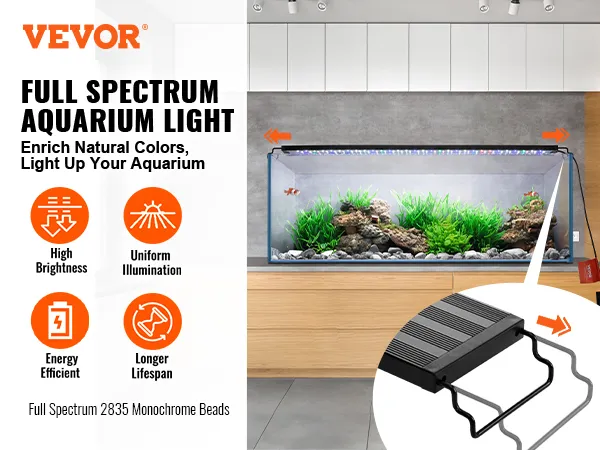
Credit: www.vevor.com
When To Replace Aquarium Leds
Aquarium LED lights last much longer than older bulbs. Still, they lose brightness over time. Knowing when to replace them keeps your tank healthy.
Replacing LEDs at the right time helps your plants and fish thrive. It also saves energy and money in the long run.
Performance Benchmarks
LEDs dim slowly and their color may shift. Watch for these signs to check performance:
- Light appears weaker than before
- Colors look dull or changed
- Algae grows more due to poor light
- Fish behave differently or hide
Cost Vs Benefit
| Factor | Cost | Benefit |
| New LED Fixture | High | Improved brightness and color |
| Replacing Bulbs Only | Medium | Maintains light quality |
| Using Old LEDs Longer | Low | Lower upfront cost, but less efficient |
Weigh these factors before replacing your aquarium LEDs to get the best value.
Upgrading Options
Consider these upgrade choices:
- Switch to LEDs with higher output for better growth.
- Choose adjustable color temperature for different tank needs.
- Pick energy-efficient models to reduce power use.
- Use smart LED systems to set timers and control remotely.
Frequently Asked Questions
How Long Does Aquarium Led Lighting Typically Last?
Aquarium LED lighting usually lasts between 30,000 to 50,000 hours. This lifespan depends on quality, usage, and maintenance. Proper care can extend the light’s performance and efficiency over time.
What Factors Affect Aquarium Led Lighting Lifespan?
Heat, usage duration, and quality impact LED lifespan. Excessive heat and prolonged use reduce longevity. Choosing high-quality LEDs and proper cooling improve durability.
When Should I Replace Aquarium Led Lights?
Replace LEDs when brightness dims or color shifts noticeably. Diminished light affects plant growth and fish health. Regular monitoring helps decide the right replacement time.
Can Aquarium Led Lifespan Be Extended With Maintenance?
Yes, regular cleaning and avoiding overheating extend LED lifespan. Dust and water residue reduce efficiency. Ensuring proper ventilation prevents heat damage and prolongs light life.
Conclusion
Aquarium LED lights last a long time with good care. They save energy and help fish and plants grow well. Choose quality lights for the best results. Clean and check them often to keep them working. Remember, proper use can extend their lifespan.
Bright, healthy tanks need reliable lighting. Keep your aquarium glowing with LED lights that last.