
Are you thinking about setting up an aquarium that truly stands out? Choosing the right aquarium kit with decorations can transform your space and create a beautiful underwater world right in your home.
But with so many options, how do you pick the perfect kit that fits your style and needs? You’ll discover exactly what to look for in an aquarium kit with decorations, making it easy for you to create a vibrant, healthy environment for your fish.
Keep reading to find the secrets to turning your aquarium into a stunning centerpiece that you’ll love every day.
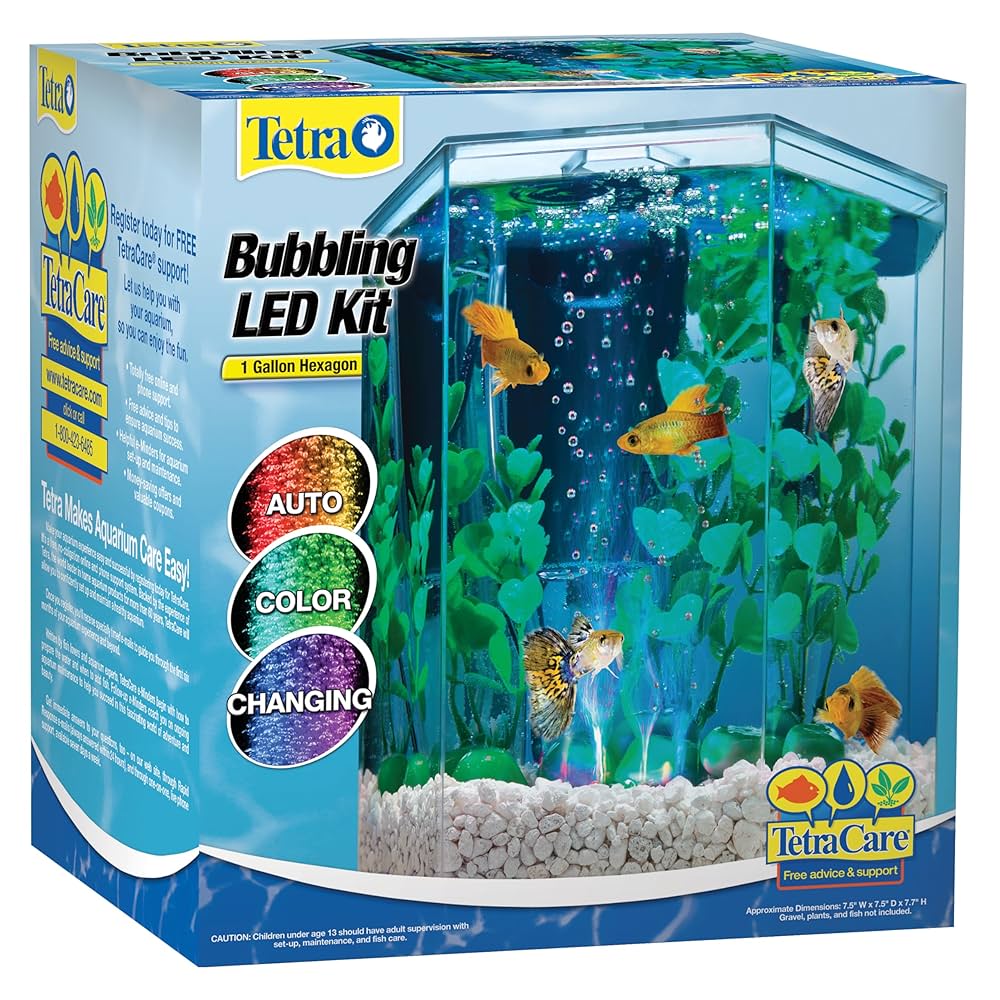
Credit: www.amazon.com
Choosing The Right Aquarium Kit
Setting up an aquarium is exciting. Picking the right kit helps make it easier. You get everything you need in one box.
This guide explains what to look for in aquarium kits. It covers tank sizes, parts included, and budget tips.
Tank Sizes And Shapes
Aquarium kits come in many sizes and shapes. Small tanks fit on desks. Large tanks need more space.
- Small tanks (5-10 gallons) are good for beginners.
- Medium tanks (20-40 gallons) hold more fish and plants.
- Large tanks (50+ gallons) offer a stable environment for many fish.
- Shapes like rectangle, cube, or bow front affect decoration space.
Essential Components Included
| Component | Purpose | Notes |
|---|---|---|
| Tank | Holds water and fish | Size varies with kit |
| Filter | Keeps water clean | Types: sponge, hang-on-back |
| Heater | Keeps water warm | Needed for tropical fish |
| Lighting | Supports plants and fish | LED is common |
| Decorations | Provide hiding spots | Includes rocks, plants |
| Water conditioner | Removes chlorine | Not always included |
Budget Considerations
Prices vary based on size and parts. Think about long-term costs too.
- Set a budget before shopping.
- Include costs for fish food and water tests.
- Check if the kit has a warranty.
- Look for kits with good reviews.
- Consider DIY if on a very tight budget.
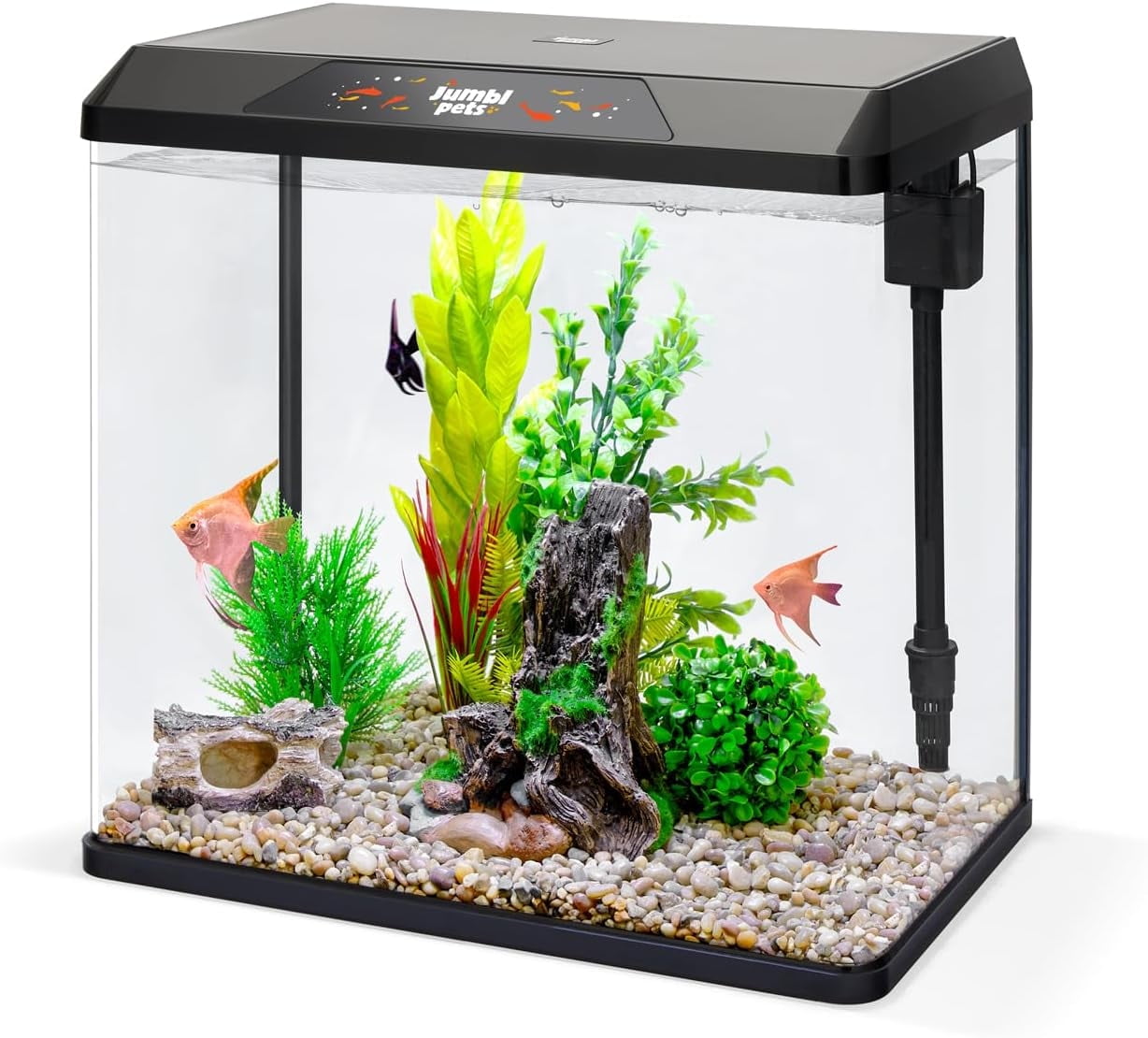
Credit: www.walmart.com
Selecting Decorations For Visual Appeal
Decorations make your aquarium look attractive and lively. Choosing the right decorations improves the fish’s home.
Think about colors, shapes, and sizes when picking decorations. This helps create a balanced and beautiful tank.
Natural Vs Artificial Decorations
Natural decorations come from real plants, rocks, and wood. They give a realistic look and feel to the aquarium.
Artificial decorations are made from plastic or resin. They last longer and need less care than natural ones.
- Natural decorations improve water quality but may need regular cleaning
- Artificial decorations are easy to clean and come in many colors
- Natural decorations provide hiding places and food for fish
- Artificial decorations do not decay or change water chemistry
Popular Decoration Themes
Themes help create a clear look for your aquarium. Choose a theme that matches your style and fish needs.
Common themes include natural, shipwreck, castle, and modern styles. Each theme uses different decorations and colors.
- Natural: plants, rocks, driftwood
- Shipwreck: old ships, treasure chests
- Castle: towers, walls, bridges
- Modern: bright colors, geometric shapes
Safe Materials For Fish
Safety is key when choosing decorations. Some materials can harm fish or change water quality.
Pick decorations made from non-toxic, fish-safe materials. Avoid sharp edges that can injure fish.
- Ceramic and resin are safe and durable
- Natural stones like slate and granite work well
- Untreated wood is good but may change water color
- Avoid metals that can rust or leach harmful chemicals
- Check for sharp parts that could hurt fish
Creating A Balanced Aquascape
A balanced aquascape brings beauty and harmony to your aquarium. It creates a natural look that fish and plants enjoy.
Choosing the right elements and placing them carefully helps build this balance. The main parts include plants, rocks, wood, and open spaces.
Plant Placement And Types
Plants add color and life to your aquarium. Place tall plants at the back and shorter ones in front. Use different leaf shapes for variety.
- Use foreground plants like moss or small grasses
- Midground plants should be bushy and medium height
- Background plants can be tall and thin
- Mix broad and narrow leaves for texture
- Choose plants that grow well in your tank’s light
Rock And Wood Arrangements
Rocks and wood create structure and focal points. Arrange them to mimic natural environments. Avoid crowding to keep balance.
| Material | Placement Tips | Effect |
|---|---|---|
| Rocks | Group in odd numbers, place off-center | Add stability and contrast |
| Wood | Lean diagonally or curve naturally | Creates depth and hiding spots |
| Combined | Use wood with moss for softness | Enhances natural look |
Open Swimming Spaces
Open spaces allow fish to swim freely and reduce stress. Keep areas clear near the center or front of the tank.
Tips for open spaces:
- Leave at least 30% of the tank free of decorations
- Use low plants or none in swimming areas
- Make paths between rocks and plants for fish movement

Credit: www.amazon.com
Setting Up Your Aquarium Kit
Setting up an aquarium kit with decorations is fun and rewarding. It creates a natural home for your fish and plants.
Follow simple steps to assemble your tank, prepare the water, and add your fish safely.
Step-by-step Assembly
Start by placing your aquarium on a stable, flat surface away from direct sunlight. Add the substrate, such as gravel or sand, to the bottom of the tank.
Next, arrange the decorations inside the tank. These can be rocks, plants, or ornaments. Set up the filter, heater, and any lighting equipment.
- Place the aquarium on a sturdy surface
- Add substrate evenly at the bottom
- Arrange decorations carefully
- Install the filter and heater
- Connect and test lighting
Water Conditioning And Cycling
Fill the tank with water that matches the temperature your fish need. Use a water conditioner to remove chlorine and harmful chemicals.
Cycle the tank to build good bacteria. This process helps break down fish waste and keeps water safe. It usually takes several weeks.
- Fill the tank with dechlorinated water
- Use a water conditioner as directed
- Run the filter and heater continuously
- Test water regularly for ammonia and nitrites
- Wait for the nitrogen cycle to complete
Adding Fish And Inhabitants
Start by adding a few hardy fish to your aquarium. Acclimate them slowly by floating their bag in the tank water.
Introduce new fish gradually over days or weeks. Watch for signs of stress or illness and keep water conditions stable.
- Float fish bag in tank water for 15-20 minutes
- Add small amounts of tank water to the bag every 5 minutes
- Release fish gently into the aquarium
- Add fish slowly over time
- Monitor fish health and water quality daily
Maintenance Tips For Stunning Setups
Keeping your aquarium kit with decorations looking stunning requires regular maintenance. A clean and healthy environment ensures vibrant fish and attractive decor.
Follow these tips to maintain your aquarium and enhance its beauty. With simple routines, your setup will remain a centerpiece in any room.
Regular Cleaning Routines
Cleaning your aquarium regularly keeps it looking fresh. It helps prevent the buildup of harmful substances and debris.
Focus on cleaning the glass and decorations. Use a soft cloth or sponge to remove dirt without scratching surfaces.
- Wipe the glass weekly
- Rinse decorations monthly
- Vacuum the substrate every two weeks
Monitoring Water Quality
Water quality is crucial for a healthy aquarium. Test it regularly to ensure safe levels of chemicals and pH balance.
Invest in a reliable water testing kit. It helps you monitor ammonia, nitrite, and nitrate levels effectively.
- Test water weekly
- Change 10-15% of water bi-weekly
- Adjust pH as needed
Handling Algae Growth
Algae can make your aquarium look messy. Control its growth to maintain a clear and beautiful setup.
Limit light exposure to reduce algae. Clean the glass and use algae-eating fish or snails if necessary.
- Limit light to 8 hours a day
- Use an algae scraper
- Add algae-eaters like snails
Enhancing Aquarium Lighting
Good lighting helps show the beauty of your aquarium decorations. It makes fish and plants look bright and colorful.
Choosing the right light can change the whole look of your tank. It also helps create a healthy environment for fish and plants.
Types Of Aquarium Lights
Aquarium lights come in many types. Each type works well for different needs and tank setups.
- LED lights use less energy and last longer.
- Fluorescent lights give soft, even light.
- Incandescent bulbs are less common but very bright.
- Metal halide lights are very strong and good for deep tanks.
Choose a light that fits the size of your tank and the plants inside.
Lighting Effects On Decorations
Lighting can make decorations look natural and lively. It can highlight colors and shapes.
Different light angles and colors create shadows and depth. This makes your aquarium look more interesting.
- Cool white lights show blues and greens well.
- Warm lights bring out reds and oranges.
- Colored lights add fun effects but use them carefully.
Adjusting Light Cycles
Fish and plants need a regular light cycle. Too much light can stress fish and cause algae growth.
Most aquariums do well with 8 to 12 hours of light each day. Use timers to keep the light on and off at the same times.
- Set lights on for 8-12 hours daily.
- Turn lights off at night for fish rest.
- Use timers for consistent light schedules.
- Adjust light time based on plant and fish needs.
Troubleshooting Common Issues
Setting up an aquarium kit with decorations can be fun. Sometimes, problems appear that need fixing.
This guide helps you solve common issues with decor, fish behavior, and equipment.
Decor Damage And Wear
Decorations can get damaged or worn out over time. This can affect the look of your aquarium.
Check decorations for cracks, fading, or sharp edges that might harm fish.
- Remove broken pieces to prevent injury
- Replace faded items to keep colors bright
- Clean decorations regularly to avoid algae build-up
Fish Stress And Behavior
Fish stress can cause unusual behavior like hiding or not eating. Stress can harm fish health.
Look for causes like loud noises, sudden light changes, or aggressive tank mates.
- Keep the tank in a quiet area
- Maintain steady light and temperature
- Separate aggressive fish from peaceful ones
- Feed fish regularly with proper food
Filter And Equipment Problems
Filters and other equipment may stop working or work poorly. This affects water quality and fish health.
Check for blockages, strange noises, or leaks in your equipment.
- Clean or replace filter media as needed
- Make sure all equipment is plugged in and running
- Test water regularly to check for toxins
- Follow manufacturer instructions for maintenance
Frequently Asked Questions
What Does An Aquarium Kit With Decorations Include?
An aquarium kit with decorations includes a tank, filter, heater, and air pump. It also contains decorative items like plants, rocks, and themed ornaments to create a natural environment for fish.
How To Choose The Best Decorations For Aquarium Kits?
Choose decorations that are non-toxic, safe for fish, and easy to clean. Opt for natural-looking items like plants and stones to enhance the tank’s aesthetics and provide hiding spots for fish.
Can Aquarium Decorations Affect Fish Health?
Yes, decorations can impact fish health. Sharp or toxic materials may harm fish, while plants and smooth ornaments promote a healthy habitat and reduce stress for aquatic life.
Are Aquarium Kits With Decorations Suitable For Beginners?
Yes, these kits are ideal for beginners. They provide all necessary equipment and pre-selected decorations, simplifying setup and helping new aquarists create a beautiful, functional aquarium.
Conclusion
An aquarium kit with decorations makes fish care simple and fun. It creates a beautiful home for your fish to swim happily. Decorations add color and shelter, helping fish feel safe. Choosing the right kit saves time and effort setting up.
Enjoy watching your aquatic pets in a lively, natural space. Start with a good kit to keep your aquarium healthy. Small details make a big difference in fish well-being. Happy fish, happy tank.