
Are you struggling to keep your aquarium water at the perfect temperature? Choosing and using the right aquarium heater can be confusing, especially with so many options and questions popping up.
What size do you really need? How do you install it safely? And what if it stops working unexpectedly? This FAQ guide will answer all your burning questions, helping you create a healthy and comfortable home for your fish. Keep reading, and you’ll gain the confidence to pick, set up, and maintain your aquarium heater like a pro.
Choosing The Right Heater
A good aquarium heater keeps your fish safe and healthy. It keeps the water warm at the right temperature.
Choosing the right heater means knowing what types are available. You also need to pick the right size and know where to put it.
Types Of Aquarium Heaters
There are three main types of aquarium heaters. Each one works in a different way to heat the water.
- Submersible Heaters:These go underwater and heat the water directly.
- Immersible Heaters:These hang on the tank’s edge and heat through the glass.
- Inline Heaters:These connect to your filter system and heat water as it flows.
Heater Size And Wattage
Heater size is based on the tank’s volume. The wattage tells how much heat the heater can produce.
Use about 3 to 5 watts for every gallon of water. Bigger tanks need more watts to keep the water warm.
- Small tanks (up to 10 gallons): 25 to 50 watts
- Medium tanks (10 to 40 gallons): 100 to 200 watts
- Large tanks (40+ gallons): 200+ watts
Heater Placement Tips
Place the heater where water flows well. This helps spread heat evenly in the tank.
Avoid placing the heater near decorations or plants. Keep it away from the tank’s bottom to stop damage.
- Put heater near filter output or water circulation area
- Secure heater with clips or suction cups
- Check heater regularly for safety and function

Credit: manuals.plus
Setting The Temperature
Setting the right temperature in your aquarium is very important. It helps keep your fish healthy and active.
Each fish species needs a specific temperature range. Using an aquarium heater correctly keeps the water steady.
Ideal Temperature For Different Fish
Different fish have different temperature needs. Tropical fish usually need warmer water than cold-water fish.
- Tropical fish: 75°F to 80°F (24°C to 27°C)
- Goldfish: 65°F to 75°F (18°C to 24°C)
- Betta fish: 76°F to 82°F (24°C to 28°C)
- Discus fish: 82°F to 86°F (28°C to 30°C)
- Guppies: 74°F to 78°F (23°C to 26°C)
Check your fish species to set the correct temperature. Avoid sudden temperature changes to keep fish safe.
Adjusting The Heater Thermostat
Most aquarium heaters have a thermostat to set temperature. Turn the dial or knob to choose the number you want.
Make small adjustments and wait to see the water temperature change. This helps avoid setting the water too hot or cold.
- Unplug the heater before adjusting
- Turn the dial slowly
- Wait a few hours before rechecking temperature
- Repeat if needed for fine tuning
Using A Thermometer For Accuracy
A thermometer helps you know the exact water temperature. Place it inside the tank near the heater.
Check the thermometer daily to make sure the heater keeps the water steady. Replace batteries if needed for digital ones.
- Choose a reliable aquarium thermometer
- Place it where fish swim often
- Read the temperature at eye level
- Adjust heater if thermometer shows wrong temperature
Maintaining Heater Performance
Keeping your aquarium heater working well is important for your fish’s health. A well-maintained heater keeps the water temperature steady.
Simple care steps help avoid problems and extend the heater’s life. Regular checks and cleaning are key parts of this care.
Regular Cleaning And Inspection
Dirt and algae can build up on your heater. This reduces its efficiency and may cause it to overheat.
Check the heater often for any cracks or damage. Clean it carefully to keep it working well.
- Unplug the heater before cleaning
- Use a soft cloth or sponge to wipe the surface
- Remove algae gently without scratching
- Look for cracks or loose parts
- Test heater function after cleaning
Avoiding Heater Malfunctions
Heater problems often come from poor installation or poor water conditions. Follow the instructions for setup carefully.
Keep the heater fully submerged to avoid overheating. Avoid placing it near strong water currents.
- Use a heater with the right power for your tank size
- Place the heater where water flows freely
- Do not turn the heater on outside the water
- Check power cords for damage
- Use a surge protector to prevent electrical damage
Signs Of Heater Failure
Watch your aquarium for signs the heater is not working. Early detection helps you fix problems fast.
Some signs show that the heater may be broken or unsafe. Replace or repair the heater if you see these signs.
- Water temperature changes often or drops suddenly
- Heater feels very hot outside the water
- Visible cracks or damage on the heater
- Heater does not heat even when powered on
- Water smells strange or looks cloudy
Safety Precautions
Using an aquarium heater needs care to keep fish and people safe. Follow simple safety steps to avoid accidents.
Check your heater and setup often. Safety protects your tank and your home.
Proper Installation Techniques
Place the heater in the right spot inside the tank. It should be near water flow to spread heat well. Avoid touching decorations or glass.
- Use a heater that fits your tank size.
- Secure the heater with suction cups or holders.
- Do not install the heater outside the water.
- Check the water level regularly to keep the heater submerged.
Preventing Electrical Hazards
Electric shocks and short circuits can happen if the heater is not safe. Use dry hands when handling the heater.
| Precaution | Reason | Action |
| Unplug before cleaning | Prevent electric shock | Always disconnect power before maintenance |
| Use a GFCI outlet | Stop electrical accidents | Install a ground-fault circuit interrupter |
| Check cords for damage | Avoid shorts and sparks | Replace frayed or cracked cables |
| Keep cords dry | Prevent water contact | Arrange cords to avoid splashes |
Handling Heater Breakage
If the heater breaks, it can release harmful substances. Act fast to protect your fish and tank.
- Unplug the heater immediately.
- Remove broken parts carefully using gloves.
- Do a partial water change to clear contaminants.
- Replace the heater before turning power back on.
- Monitor fish for stress or illness after breakage.
Troubleshooting Common Issues
Keeping your aquarium heater in good condition is important for your fish. Sometimes, heaters can have problems that need fixing. Here are some common issues and how to solve them.
Heater Not Heating Properly
If your heater is not heating the water, check the power connection first. Make sure it is plugged in correctly. Also, inspect the heater for any visible damage.
Sometimes, the thermostat is set too low. Adjust the settings and wait for a while to see if the water warms up. If the problem persists, the heater might need replacement.
Temperature Fluctuations
Temperature changes can stress your fish. Check if the heater is the right size for your aquarium. A small heater in a big tank might not work well.
Ensure the heater is fully submerged and away from water flow. This helps it work better. If the temperature still changes, consider using a second heater for balance.
Dealing With Overheating
Overheating can be dangerous for fish. Turn off the heater immediately if the water is too hot. Let it cool down before adjusting the thermostat.
Check the heater’s wattage. High wattage in a small tank can cause overheating. Use a thermometer to monitor the water temperature regularly.
- Unplug the heater if overheating occurs
- Use a thermometer to track temperature
- Consider a lower wattage heater for small tanks
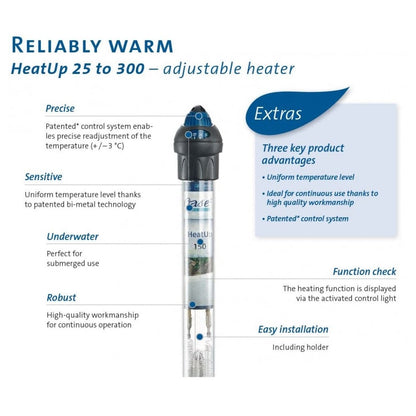
Credit: www.pond-planet.co.uk
Energy Efficiency Tips
Keeping your aquarium warm uses energy. Saving energy helps lower costs and protects the environment.
Simple changes can make your aquarium heater work better and use less power.
Using Timers And Controllers
Timers turn your heater on and off at set times. This stops heating when it is not needed.
Controllers keep the water temperature steady. They adjust heating to avoid waste.
- Set timers to heat only during cooler parts of the day
- Use controllers to keep temperature stable
- Check settings often to make sure they are correct
Insulating The Aquarium
Insulation keeps heat inside the tank. This means the heater does not work too hard.
You can add insulation around the tank or use a cover to reduce heat loss.
- Use foam boards or insulation film around the aquarium
- Cover the tank with a lid to keep heat in
- Avoid cold drafts near the aquarium
Choosing Energy-saving Heaters
Energy-saving heaters use less electricity to keep your tank warm. They are more efficient.
Look for heaters with good reviews and energy-saving features like auto shut-off.
- Pick heaters made for your tank size
- Choose models with adjustable temperature settings
- Look for heaters with built-in safety features

Credit: www.amazon.com
Frequently Asked Questions
What Size Aquarium Heater Do I Need?
Choose a heater that provides 3-5 watts per gallon of water. This ensures stable and efficient temperature control for your fish tank.
How Do I Install An Aquarium Heater Safely?
Place the heater near water flow for even heat distribution. Always fully submerge it and use a heater guard if needed.
Can Aquarium Heaters Cause Fish Stress?
Yes, sudden temperature changes can stress fish. Maintain a consistent temperature to keep your aquatic pets healthy and comfortable.
How Often Should I Check My Aquarium Heater?
Inspect your heater weekly for proper function and damage. Regular checks prevent temperature fluctuations and keep fish safe.
Conclusion
Choosing the right aquarium heater keeps your fish safe and happy. Check the heater’s size and settings for your tank. Regularly test water temperature to avoid sudden changes. Always follow safety tips to prevent problems. A good heater helps maintain a stable environment for your aquatic pets.
Keep learning and caring for your aquarium every day. Simple steps make a big difference in fish health. Your tank will thrive with proper heater care and attention.