
Are you dreaming of having a vibrant, colorful underwater world right in your home? Setting up an aquarium for tropical reef species can bring the beauty of the ocean straight to you.
But it’s not just about filling a tank with water and fish. To make your reef thrive, you need to understand the delicate balance these creatures require. You’ll discover simple tips and expert advice that will help you create a stunning, healthy reef aquarium.
Ready to transform your space and become a reef keeper? Keep reading to unlock the secrets that make all the difference.
Choosing The Right Tank
Setting up an aquarium for tropical reef species needs careful tank selection. The tank you pick affects fish health and coral growth.
Consider size, shape, material, and location before buying your aquarium.
Size And Shape Options
Tank size and shape impact how well your reef species will live. Bigger tanks hold water better and keep temperature stable.
- Rectangular tanks offer more swimming space.
- Taller tanks show off corals better but need strong lighting.
- Bow front tanks add a nice view but cost more.
- Smaller tanks are easier to place but require more care.
Material Choices
Most reef tanks are made of glass or acrylic. Each has pros and cons for reef aquariums.
| Material | Pros | Cons |
| Glass | Scratch resistant, clear view | Heavier, can break |
| Acrylic | Lighter, strong, easier to shape | Scratches easily, costlier |
Placement Considerations
Choose a stable spot that avoids direct sunlight and vibrations. These factors keep water quality steady.
- Place on a sturdy, level surface.
- Avoid windows to prevent algae growth.
- Keep away from heaters or air conditioners.
- Ensure easy access for maintenance.

Credit: www.pond-planet.co.uk
Essential Equipment
Creating a thriving aquarium for tropical reef species requires specific tools. This guide outlines the essential equipment needed for success.
Each piece of equipment plays a vital role in maintaining a healthy environment for your coral and fish.
Lighting For Coral Growth
Proper lighting is crucial for coral health. It supports photosynthesis, aiding in coral growth and color.
- LED lights are energy-efficient and provide the required spectrum.
- Metal halide lights offer strong intensity for deeper tanks.
- T5 fluorescent lights are affordable and versatile.
Filtration Systems
Filtration systems keep water clean and free from harmful substances. They are key to a balanced ecosystem.
| Type | Function |
| Mechanical | Removes debris and particles |
| Biological | Breaks down waste using bacteria |
| Chemical | Removes toxins with activated carbon |
Heating And Temperature Control
Maintaining the right temperature is vital for tropical species. It ensures their well-being and activity levels.
- Use a reliable heater with a thermostat.
- Monitor temperature regularly using a thermometer.
- Consider a backup heater for emergencies.
Water Movement And Circulation
Proper water movement mimics natural currents, promoting gas exchange and nutrient distribution.
Water Chemistry Basics
Maintaining the right water chemistry is key for tropical reef aquariums. It keeps fish and corals healthy. Water conditions must be stable and clean.
This guide covers salinity, pH, nutrients, and tools for testing water quality. Each factor affects the reef ecosystem differently.
Salinity Levels
Salinity measures salt concentration in the water. Tropical reef species need stable salinity to thrive. Ideal salinity ranges from 1.023 to 1.026 specific gravity.
Use marine salt mix and clean water to keep levels steady. Sudden changes can stress or kill reef inhabitants.
Ph Balance
pH shows how acidic or basic water is. Reef tanks need pH between 8.0 and 8.4. This range supports coral growth and fish health.
- Low pH can cause stress and damage coral skeletons.
- High pH may reduce fish oxygen supply.
- Keep pH stable by avoiding sudden chemical changes.
Nutrient Management
Nutrients like nitrate and phosphate come from fish waste and uneaten food. Too much causes algae growth and harms corals.
| Nutrient | Safe Level | Effect of Excess |
| Nitrate (NO3) | Below 10 ppm | Algae bloom, coral stress |
| Phosphate (PO4) | Below 0.03 ppm | Algae growth, poor coral health |
Testing And Monitoring Tools
Regular testing helps keep water chemistry in check. Use test kits or electronic meters for accurate readings.
- Salinity refractometer or hydrometer
- pH test strips or digital pH meter
- Nitrate and phosphate test kits
- Ammonia and calcium test kits
Test water weekly and record results. Adjust water chemistry as needed to protect your reef aquarium.
Selecting Tropical Reef Species
Choosing the right species is important for a healthy reef aquarium. You want fish and corals that live well together. This helps create a balanced and beautiful tank.
Start by learning about the needs of different reef species. Think about their size, diet, and behavior before adding them to your aquarium.
Coral Varieties
Corals are the main attraction in a tropical reef tank. They come in many shapes and colors. Some need strong light and flow, while others prefer calm water.
Soft corals are easier for beginners. Hard corals like SPS and LPS need more care but look stunning. Choose corals that match your tank size and skill level.
- Soft corals: Leather, Zoanthids, Mushrooms
- LPS corals: Hammer, Torch, Frogspawn
- SPS corals: Acropora, Montipora, Birdsnest
Fish Compatibility
Pick fish that get along well with corals and each other. Avoid aggressive species that may harm others. Peaceful fish keep the tank calm and safe.
Small reef-safe fish are best. They add color and movement without stressing corals. Watch for species that need similar water conditions.
- Clownfish
- Gobies
- Blennies
- Damsels (reef-safe types)
- Cardinalfish
Invertebrates And Cleaners
Invertebrates help keep your reef clean. Snails and shrimp eat algae and detritus. Cleaners reduce waste and improve water quality.
Include species that do not harm corals. Cleaners also reduce pests and help fish stay healthy. Choose a mix for a natural clean-up crew.
- Turbo snails
- Hermit crabs
- Cleaner shrimp
- Sea stars (reef-safe)
- Feather duster worms
Species To Avoid
Some species damage corals or stress fish. Avoid large, aggressive fish that eat or break coral. Stay away from species that need special care you cannot provide.
Check if a species is reef-safe before adding it. Avoid fish that nip at corals or outcompete others for food and space.
- Large angelfish (some species)
- Pufferfish
- Triggerfish
- Certain butterflyfish
- Coral-eating crabs and snails
Aquascaping Techniques
Aquascaping is the art of arranging plants, rocks, and corals in your aquarium. It creates a natural and beautiful home for tropical reef species.
Good aquascaping helps fish feel safe and shows off the colors and shapes in your tank.
Rock And Coral Placement
Place rocks and corals to build a strong base and create depth. Use larger rocks at the bottom and smaller ones on top.
Keep space between corals to avoid crowding. This helps water flow and coral growth.
- Start with a solid rock foundation
- Arrange corals by size and shape
- Leave gaps for water movement
- Avoid placing soft corals near aggressive ones
Creating Hiding Spots
Hiding spots help fish feel safe and reduce stress. Use caves, crevices, or dense coral clusters.
Different fish prefer different hiding places. Make sure to add a variety of shelters.
- Use rocks to build caves and tunnels
- Add dense coral branches for cover
- Include small crevices for shy fish
- Keep hiding spots easy to clean
Color And Texture Balance
Mix colors and textures to make the tank interesting. Use bright corals with smooth and rough surfaces together.
Balance bright colors with neutral tones. This makes the tank look natural and attractive.
- Combine soft and hard corals
- Use green and blue corals to calm the look
- Add red or orange for bright spots
- Mix smooth rocks with rough coral textures
Feeding And Nutrition
Feeding tropical reef species correctly helps keep them healthy. Proper nutrition supports vibrant colors and growth.
Each reef species has unique dietary needs. Understanding these needs is important for a balanced aquarium.
Diet For Reef Fish
Reef fish eat a mix of plant and animal foods. Some fish prefer algae, while others eat small animals.
Feed reef fish with pellets, flakes, frozen or live food. Variety keeps their diet balanced and interesting.
- Herbivores need algae-based foods and seaweed sheets
- Carnivores eat brine shrimp, mysis shrimp, and small crustaceans
- Omnivores benefit from mixed diets including flakes and frozen foods
Coral Feeding Tips
Corals get food from light and feeding. They use photosynthesis and catch tiny food particles.
Feed corals small plankton or coral-specific foods. Feed them in the evening for best results.
- Use powdered coral food or liquid plankton supplements
- Turn off aquarium pumps during feeding to keep food near corals
- Feed corals 2-3 times per week for healthy growth
Supplementing Nutrients
Reef tanks need extra nutrients to support fish and coral health. Supplements fill dietary gaps.
Use vitamins, minerals, and amino acids to keep your aquarium balanced. Test water often to adjust supplements.
- Calcium and magnesium help coral skeletons grow strong
- Trace elements like iodine support fish and coral health
- Vitamin supplements improve fish immune systems
Maintenance And Care
Keeping a tropical reef aquarium healthy needs regular care. You must clean, change water, and watch for diseases.
Good maintenance helps your reef species live longer and look their best.
Regular Cleaning Routines
Cleaning your aquarium keeps water clear and safe for fish and corals. Remove algae and debris often.
Use a soft sponge to clean glass and a siphon to clear the gravel or sand.
- Clean glass surfaces weekly
- Remove leftover food daily
- Siphon substrate every two weeks
- Check and clean filters monthly
Water Changes
Changing water keeps harmful chemicals low. It also adds fresh minerals that reef species need.
Replace 10-20% of the water every one to two weeks. Use water that matches tank temperature and salt levels.
- Use a water test kit before changes
- Match water temperature and salinity
- Change water regularly to prevent toxins
- Add water slowly to avoid stress
Disease Prevention
Prevent disease by keeping your tank clean and healthy. New fish must be quarantined before adding to the tank.
Watch fish and corals daily for signs of illness like spots, color change, or odd behavior.
- Quarantine new fish for 2 weeks
- Feed a balanced diet to all species
- Keep water parameters stable
- Remove sick animals quickly
Troubleshooting Common Issues
Some problems happen often in reef tanks. Identifying them early helps you fix them fast.
Common issues include algae overgrowth, cloudy water, and stressed fish.
| Issue | Possible Cause | Solution |
|---|---|---|
| Algae Overgrowth | Too much light or nutrients | Reduce feeding and light hours |
| Cloudy Water | Overfeeding or dirty filter | Clean filter and feed less |
| Stressed Fish | Wrong water parameters | Test and adjust water conditions |
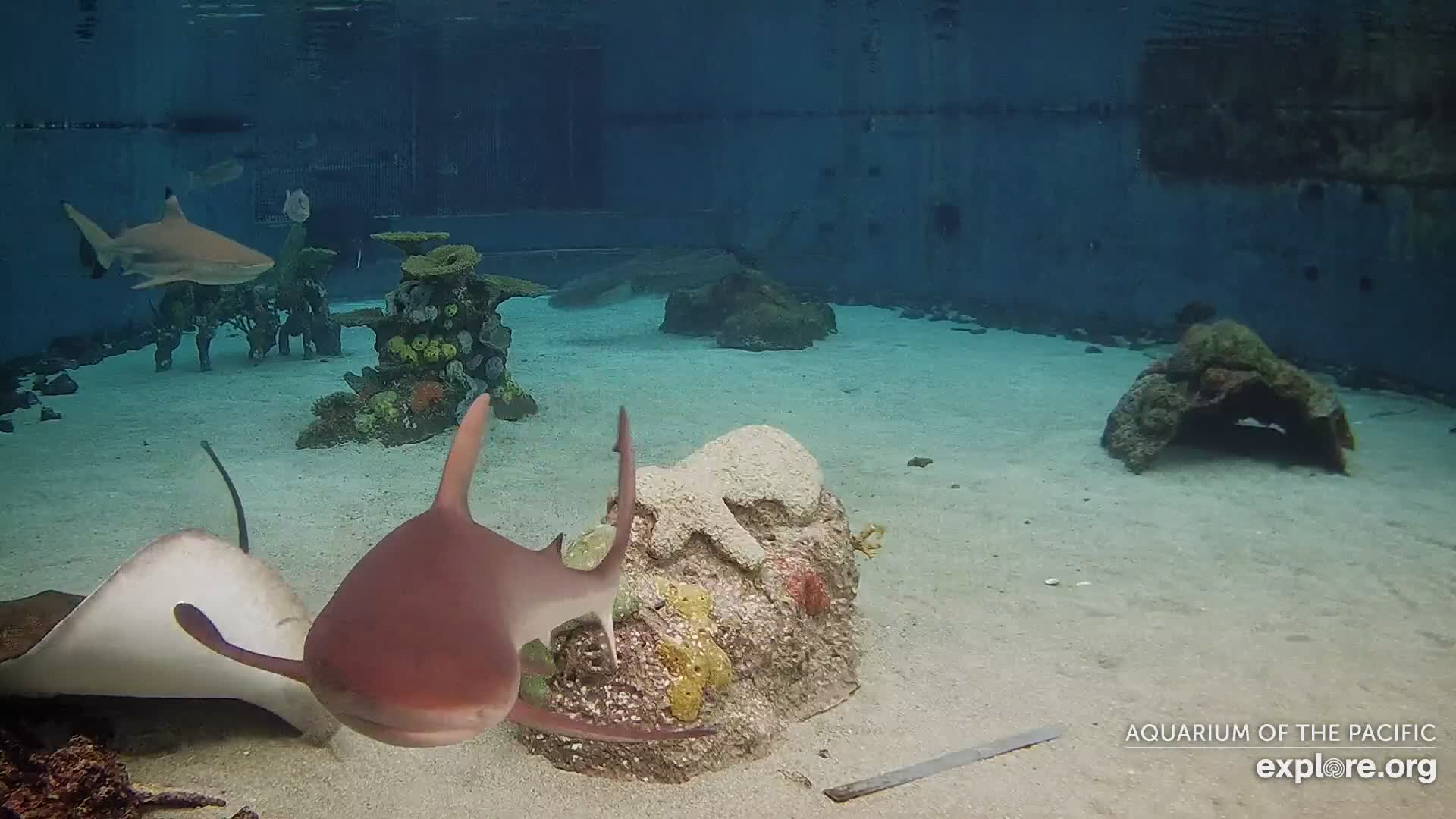
Credit: explore.org
Enhancing Aquarium Vibrancy
A tropical reef aquarium shows many bright colors. Keeping these colors strong needs care and good habits. Lighting, additives, and coral health all affect vibrancy.
This guide focuses on simple ways to make your aquarium look lively and colorful. Each tip helps create a better environment for your reef species.
Lighting Schedules
Correct lighting times help corals and fish show their best colors. Too much or too little light can cause dull colors or stress.
- Turn lights on for 8 to 12 hours daily
- Use a timer to keep a steady schedule
- Include periods of low light to mimic sunset
- Avoid sudden changes in light intensity
Using Color-enhancing Additives
Additives can improve water quality and boost coral colors. Use them carefully and follow instructions to avoid harming your reef.
| Additive | Purpose | Effect on Color |
| Trace Elements | Replace natural minerals | Enhances coral brightness |
| Iron Supplements | Supports algae growth | Deepens green shades |
| Calcium | Strengthens coral skeletons | Improves overall color health |
Promoting Coral Fluorescence
Coral fluorescence makes reefs glow under certain lights. It adds a stunning look to your aquarium.
- Use actinic or blue LED lights to highlight fluorescence
- Keep water clean to reduce stress on corals
- Feed corals regularly with suitable nutrients
- Maintain stable temperature and pH levels
Advanced Setup Tips
Setting up a tropical reef aquarium takes careful planning. Advanced tips help keep your system stable and healthy.
This guide covers automation, technology integration, and scaling your reef tank.
Automating Systems
Automating water changes and dosing saves time and reduces errors. Use timers and controllers to keep your reef stable.
- Set automatic water change pumps on a regular schedule.
- Use dosing pumps for calcium, magnesium, and alkalinity.
- Install temperature controllers to avoid sudden changes.
- Monitor salinity with automated top-off systems.
Integrating Technology
Smart devices help you track tank conditions and react quickly. Connect sensors and apps for easy monitoring.
| Device | Function | Benefit |
|---|---|---|
| pH Sensor | Measures water acidity | Alerts if pH goes out of range |
| Temperature Probe | Tracks water temperature | Prevents overheating or cooling |
| Smart Lighting | Controls light cycle and intensity | Supports coral growth and color |
| Remote Controller | Manages pumps and devices | Allows off-site adjustments |
Scaling Up Your Reef
Growing your reef means adding space, equipment, and livestock carefully. Large tanks need stronger filtration and flow.
- Increase tank size gradually to avoid stress.
- Upgrade filtration with protein skimmers and reactors.
- Enhance water flow using multiple powerheads.
- Keep stocking levels balanced to prevent overloading.
- Test water parameters often to catch issues early.

Credit: www.dreamstime.com
Frequently Asked Questions
What Is The Ideal Tank Size For Tropical Reef Species?
A 30-gallon tank or larger is ideal for tropical reef species. It provides enough space for fish and coral growth. Larger tanks help maintain stable water conditions, crucial for reef health. Always consider the species’ adult size when choosing tank dimensions.
How To Maintain Water Quality In A Reef Aquarium?
Regular water testing is essential for maintaining quality. Use a reliable test kit to check pH, salinity, and nitrate levels. Perform weekly water changes of 10-20%. Use a protein skimmer and quality filtration to remove toxins effectively.
Which Lighting Is Best For Tropical Reef Aquariums?
LED lighting is preferred for tropical reef tanks. It provides the right spectrum for coral growth and saves energy. Adjustable intensity helps mimic natural sunlight. Proper lighting enhances coral colors and supports photosynthetic species.
Can Tropical Reef Fish Coexist Peacefully?
Yes, but choose species carefully. Avoid aggressive fish that may harm corals or other species. Research compatibility before adding new fish. Provide plenty of hiding spots and maintain a balanced population to reduce stress and aggression.
Conclusion
Creating a vibrant tropical reef aquarium brings joy and beauty to any space. Careful planning and regular maintenance keep your reef healthy. Choose the right fish and corals for a balanced ecosystem. Monitor water quality often to avoid problems. Patience and dedication help your aquarium thrive.
Enjoy watching colorful species interact and grow. A tropical reef tank offers endless learning and fun. Start small, learn step by step, and expand over time. Your reef can become a stunning underwater world. Dive into this rewarding hobby with confidence and care.