
Are you looking to create a calm and beautiful underwater world right in your home? Setting up an aquarium for peaceful species of freshwater fish is the perfect way to bring tranquility and natural beauty into your space.
Imagine watching gentle fish glide effortlessly through clear water, adding a soothing rhythm to your day. You’ll discover which fish are best suited for a peaceful community tank, how to set up their ideal environment, and simple tips to keep them healthy and happy.
Ready to transform your aquarium into a serene haven? Let’s dive in!
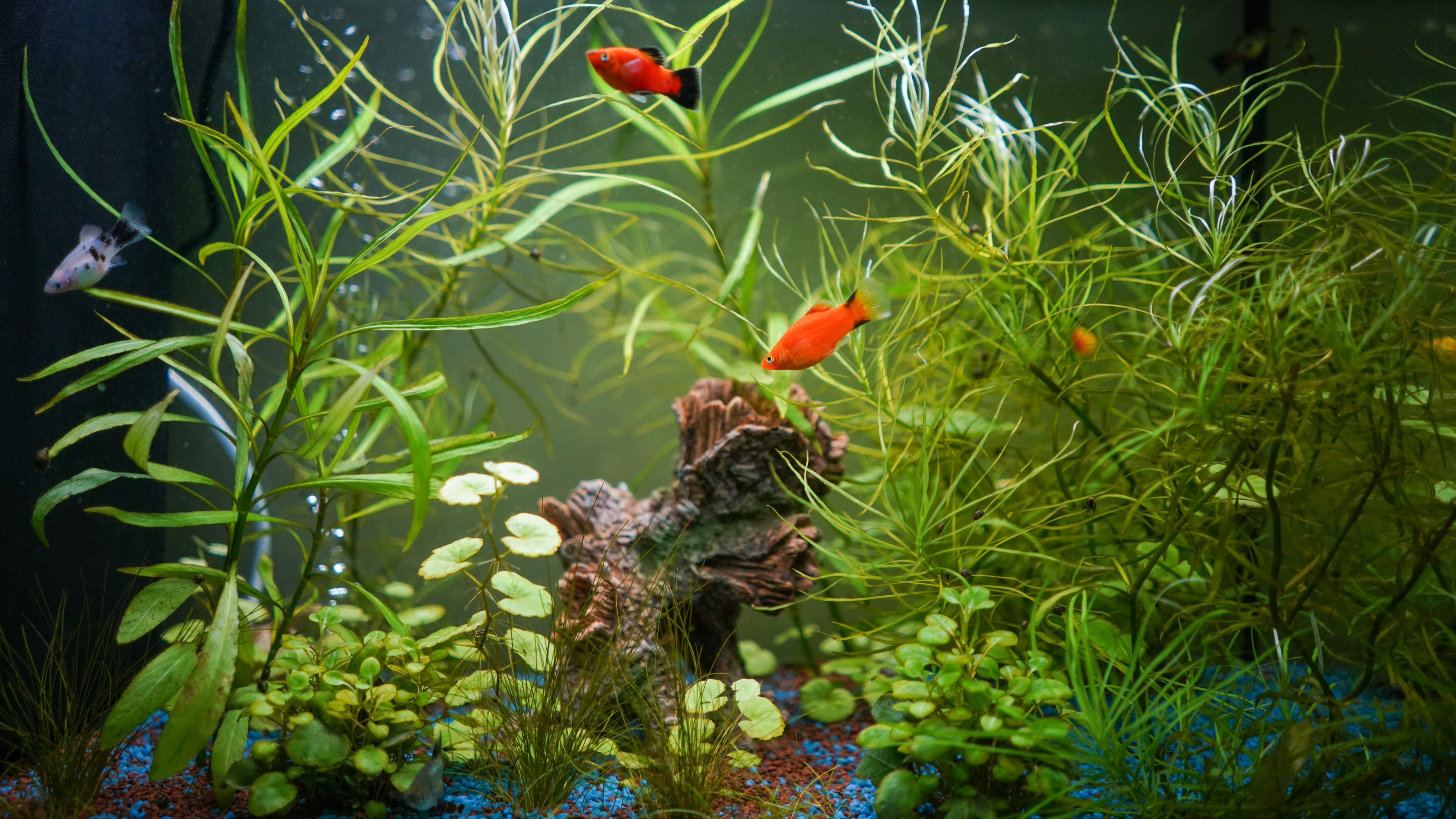
Credit: www.petsradar.com
Choosing Peaceful Fish
Setting up an aquarium with peaceful freshwater fish creates a calm and relaxing environment. Picking the right fish helps avoid stress and fights in the tank.
Peaceful fish usually swim calmly and do not harm others. They can live well with other gentle species in the same aquarium.
Top Peaceful Freshwater Species
- Neon Tetras: Small, colorful, and swim in groups.
- Guppies: Hardy fish with bright colors and easy care.
- Corydoras Catfish: Bottom dwellers that clean the tank gently.
- Harlequin Rasboras: Active swimmers with peaceful behavior.
- Platies: Friendly fish that adapt well to community tanks.
Compatibility Tips
| Fish Type | Ideal Tank Mates | Notes |
| Neon Tetras | Small peaceful fish | Keep in schools of 6 or more |
| Guppies | Platies, Mollies | Avoid fin-nippers |
| Corydoras Catfish | Bottom dwellers | Keep in groups of 3+ |
| Harlequin Rasboras | Tetras, Barbs | Need open swimming space |
| Platies | Guppies, Swordtails | Avoid aggressive species |
Avoiding Aggressive Fish
Aggressive fish can stress peaceful species and cause fights. Avoid species known for biting or chasing others.
- Do not keep large cichlids with small peaceful fish.
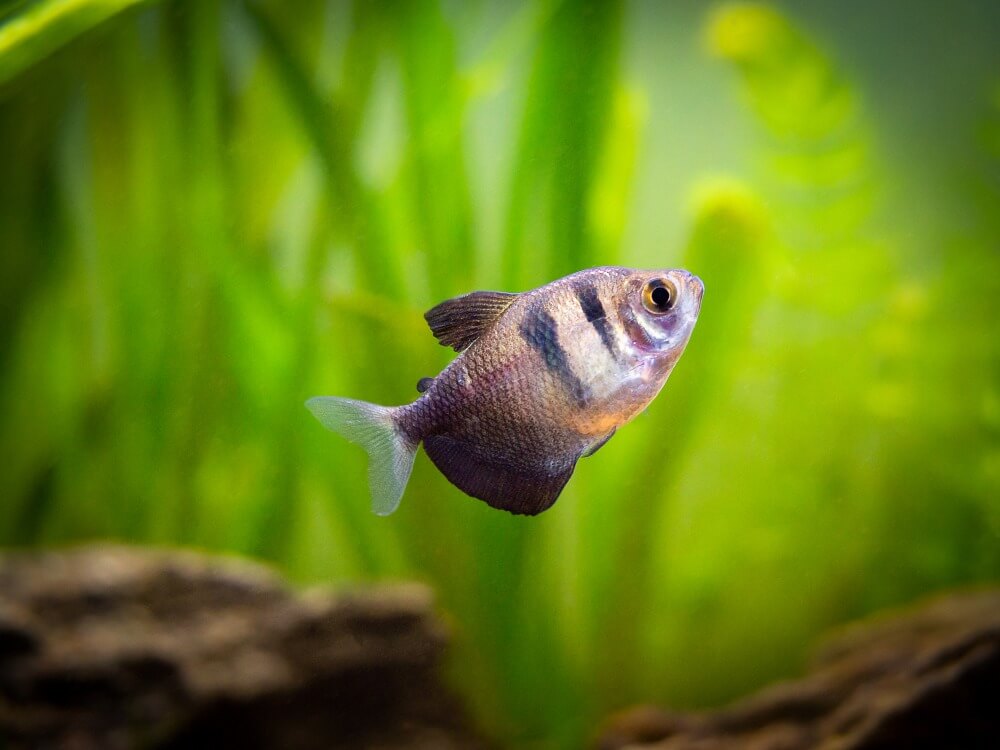
- Avoid fish that nip fins like some barbs or tiger barbs.
- Watch for territorial behavior in some males.
- Separate aggressive fish into their own tanks.
Setting Up The Aquarium
Creating a peaceful habitat for freshwater fish is rewarding. Setting up the aquarium properly is essential for the well-being of your fish.
In this guide, learn about tank size, substrate, decorations, and water parameters. These are key factors in creating a healthy aquarium environment.
Tank Size Recommendations
The size of your tank affects the health and happiness of your fish. Larger tanks provide more stability in water conditions and more space for fish to swim.
| Fish Type | Minimum Tank Size |
| Tetras | 20 gallons |
| Guppies | 10 gallons |
| Angelfish | 30 gallons |
Substrate And Decorations
Choose substrate and decorations that make your fish comfortable. These elements also enhance the visual appeal of your aquarium.
- Use smooth gravel or sand as substrate.
- Include hiding spots like rocks and caves.
- Add live plants for oxygen and beauty.
Water Parameters
Maintaining the right water parameters keeps your fish healthy. Regular checks and adjustments are crucial.
Filtration And Aeration
Keeping peaceful freshwater fish healthy needs clean water and enough oxygen. Good filtration and aeration systems help create a safe home for your fish.
This guide explains how to pick the right filter, keep water clean, and add oxygen effectively.
Selecting The Right Filter
Filters remove dirt and harmful waste from the aquarium water. Choosing the right filter depends on tank size and fish type.
- Use a sponge filter for small tanks and gentle water flow.
- Canister filters work well for larger tanks with many fish.
- Hang-on-back filters are easy to install and maintain.
- Make sure the filter flow is not too strong for peaceful fish.
- Check filter media to keep beneficial bacteria alive.
Maintaining Water Quality
Good water quality keeps fish healthy and stress-free. Regular checks and cleaning are key.
| Task | Frequency |
| Change 10-20% of water | Weekly |
| Clean filter media | Monthly |
| Test water parameters (pH, ammonia, nitrites) | Weekly |
| Remove uneaten food and waste | Daily |
Oxygenation Techniques
Oxygen is vital for fish survival. Use these methods to keep oxygen levels high.
Common oxygenation methods include:
- Air stones to create bubbles and surface movement
- Surface agitation with filters or powerheads
- Live plants that produce oxygen during the day
Check that air pumps match tank size for best results.
Feeding Peaceful Fish
Feeding peaceful freshwater fish is key to keeping them healthy. Good food helps them grow and stay active in your aquarium.
Different fish need different diets. Learning what to feed them ensures they get all their nutrients.
Diet Essentials
Peaceful fish eat a mix of foods. Many enjoy flakes, pellets, and live or frozen foods. Variety helps meet their needs.
- Flakes and pellets designed for tropical fish
- Freeze-dried or frozen bloodworms and brine shrimp
- Fresh vegetables like peas and spinach for herbivores
- Avoid oily or fatty foods that may harm fish
Feeding Schedules
Regular feeding times keep fish healthy and reduce waste. Most peaceful fish do well with small meals twice a day.
| Time | Recommended Food | Amount |
|---|---|---|
| Morning | Flakes or pellets | Small pinch per fish |
| Evening | Live or frozen food | One or two small pieces per fish |
Avoiding Overfeeding
Too much food causes poor water quality and fish health problems. Feed only what fish can eat in a few minutes.
Tips to avoid overfeeding:
- Feed small amounts at each meal
- Remove leftover food after 5 minutes
- Watch fish behavior for signs of hunger or fullness
- Adjust feeding if fish grow or change activity level
Health And Disease Prevention
Keeping peaceful freshwater fish healthy requires careful attention. Good care helps prevent illness and keeps fish active.
Knowing common diseases and how to manage them is key to a thriving aquarium. Proper steps reduce stress and disease risk.
Common Illnesses
Peaceful freshwater fish can face several common illnesses. These include fin rot, ich, and swim bladder disease. Early signs often show as changes in color, behavior, or fins.
- Fin Rot:Fins look ragged or discolored. Caused by poor water quality or injury.
- Ich (White Spot Disease):Small white spots appear on fish body and fins. It is a parasite infection.
- Swim Bladder Disease:Fish has trouble swimming or floats oddly. Can result from overfeeding or infection.
Quarantine Practices
New fish can carry diseases not seen in your main tank. Quarantine keeps your fish safe and healthy. It stops illness from spreading to your established aquarium.
- Set up a separate tank with clean water.
- Keep new fish isolated for at least two weeks.
- Observe fish daily for signs of illness.
- Use proper water conditions and feed carefully.
- Treat fish promptly if any symptoms appear.
Treating Sick Fish
Treating sick fish early improves their chance to recover. Use the right medicine and maintain clean water. Follow instructions carefully to avoid harm.
| Treatment | When to Use | Notes |
| Antibacterial medication | Fin rot and bacterial infections | Follow dosage on package carefully |
| Anti-parasitic treatment | Ich and other parasite issues | Remove activated carbon from filter |
| Water changes | All illnesses | Keep water clean and stable |
| Isolation | Sick fish to avoid spreading disease | Use quarantine tank if possible |
Behavior And Social Needs
Peaceful freshwater fish have unique behaviors and social needs. Understanding these helps create a healthy aquarium.
Meeting social needs reduces stress and encourages natural behavior in fish.
Schooling And Grouping
Many peaceful fish prefer living in groups called schools. Schooling helps fish feel safe and less stressed.
- Schooling fish swim together in the same direction.
- They communicate through body movements and color changes.
- Groups reduce the chance of attack from predators.
- Some fish need at least six members to feel comfortable.
Stress Reduction
Stress weakens fish and makes them sick. Good tank setup lowers stress.
| Cause of Stress | How to Reduce |
| Overcrowding | Keep proper fish numbers |
| Sudden light changes | Use gradual lighting |
| Strong water currents | Add plants or decorations |
| Harsh tank mates | Choose peaceful species |
Signs Of Contentment
Content fish show healthy and calm behavior. Watch for these signs to check well-being.
- Active swimming and exploring the tank
- Bright colors and smooth movements
- Regular eating and normal breathing
- Swimming in groups without hiding
Maintenance And Cleaning
Keeping a peaceful freshwater fish aquarium clean is important for healthy fish. Proper maintenance helps fish stay happy and live longer.
Regular care keeps the water clear and the tank safe. It also prevents diseases and removes waste.
Regular Water Changes
Change part of the tank water every week. This removes harmful chemicals and keeps water fresh.
Use a water conditioner to make tap water safe. Avoid changing all the water at once to protect fish.
- Change 10-20% of water weekly
- Use a gravel vacuum to clean the substrate
- Match new water temperature to tank water
- Add water conditioner before adding new water
Tank Cleaning Tips
Clean the tank glass to remove algae and dirt. Use a soft sponge or algae scraper for this task.
Clean decorations and plants gently without soap. Remove any leftover food and fish waste daily.
- Wipe inside glass weekly
- Rinse decorations in tank water
- Remove uneaten food after feeding
- Check plants for dead leaves
Equipment Upkeep
Keep filters clean to maintain good water flow. Rinse filter parts in tank water, not tap water, to keep bacteria alive.
Check heaters and lights regularly. Replace bulbs and fix any broken parts to keep the tank stable.
- Rinse filter media monthly in tank water
- Check heater temperature weekly
- Clean light covers to improve brightness
- Replace worn-out equipment promptly
Credit: www.aquariumsource.com
Breeding Peaceful Fish
Breeding peaceful freshwater fish is rewarding and fun. It helps keep the aquarium lively and full of healthy fish.
Knowing the right conditions and care for the fish and their fry is key to success. This guide covers important steps for breeding peaceful species.
Breeding Conditions
Peaceful fish need clean water and a calm environment to breed. Keep the tank temperature steady and suitable for the species.
Use plants or breeding mops to give the fish a safe place to lay eggs. Avoid sudden changes in light or water.
- Maintain temperature between 75°F and 80°F
- Keep pH level stable around 6.5 to 7.5
- Use gentle water flow to avoid stress
- Provide hiding spots with plants or decorations
Raising Fry
Fry need special care after hatching. Feed them small amounts often with food made for baby fish.
Keep the water very clean by doing small water changes daily. Watch the fry closely for any signs of sickness.
- Feed infusoria or liquid fry food first
- Move to baby brine shrimp after a few days
- Keep water temperature steady around 78°F
- Change 10% of water daily to keep clean
Separating Adults And Fry
Adults may eat fry if left together. Separate the fry in a safe tank or use a breeding box inside the main tank.
Check the fry tank daily. Make sure it has good water quality and hiding places to keep the fry safe.
- Use a mesh breeding box or separate tank
- Keep water conditions the same as main tank
- Remove adults once eggs hatch
- Provide plants or small shelters for fry

Credit: www.aqqapet.com
Frequently Asked Questions
What Are The Best Peaceful Freshwater Fish For Aquariums?
Best peaceful freshwater fish include neon tetras, guppies, corydoras, and angelfish. These species coexist well without aggression. They thrive in community tanks with similar water conditions and peaceful tank mates, making them ideal for beginner and experienced hobbyists.
How To Create A Peaceful Environment In A Freshwater Aquarium?
To create peace, maintain stable water conditions, provide hiding spots, and avoid aggressive fish. Use plants and decorations for shelter. Feed fish properly to reduce competition. Regular tank cleaning and proper stocking levels keep stress low and promote harmony.
What Tank Size Is Ideal For Peaceful Freshwater Fish?
A 20-gallon tank is suitable for most peaceful freshwater fish species. Larger tanks offer more swimming space and reduce territorial disputes. Ensure adequate filtration and maintain proper water parameters for a healthy, peaceful aquarium environment.
How To Choose Compatible Fish For A Peaceful Community Tank?
Select fish with similar temperaments, sizes, and water needs. Avoid aggressive or overly territorial species. Research compatibility and behavior. Peaceful fish like tetras, danios, and rasboras usually coexist well in community setups.
Conclusion
Creating an aquarium for peaceful freshwater fish brings calm to any space. These fish live well together and show gentle behavior. Proper care ensures they stay healthy and happy. Choose the right plants and decorations to mimic their natural home.
Keep water clean and check temperature often for best results. Enjoy watching these calm fish swim quietly all day. A peaceful aquarium can become a relaxing hobby anyone can enjoy. Start simple, learn as you go, and find joy in this gentle world.