
Keeping small fish healthy and happy starts with one key element: proper aquarium filtration. You might think a tiny tank means less work, but without the right filtration, water quality can quickly become a problem.
Imagine your fish swimming in clear, clean water every day—no cloudy tanks, no harmful buildup. That’s exactly what good filtration can do for you. You’ll discover simple yet effective ways to choose and maintain filtration systems tailored for small fish species.
Ready to make your aquarium a thriving underwater home? Let’s dive in!
Types Of Aquarium Filtration
Keeping water clean is vital for small fish species. Filtration helps remove waste and toxins. It keeps the aquarium healthy and clear.
There are three main types of filtration. Each type works differently but all improve water quality.
Mechanical Filtration
Mechanical filtration removes solid particles from the water. It traps debris like fish waste, uneaten food, and plant material.
- Uses sponges, pads, or floss to catch dirt
- Prevents particles from clouding the water
- Needs regular cleaning to work well
Biological Filtration
Biological filtration breaks down harmful chemicals in the water. Good bacteria grow on filter media and change waste into less harmful substances.
| Type of Waste | Converted To |
| Ammonia | Nitrite |
| Nitrite | Nitrate |
| Nitrate | Less harmful compound |
Chemical Filtration
Chemical filtration removes dissolved impurities. It uses substances that attract or absorb harmful chemicals from the water.
Common chemical filtration media include:
- Activated carbon to remove odors and toxins
- Zeolite to absorb ammonia
- Resins to target specific impurities

Credit: www.amazon.com
Choosing Filters For Small Fish
Finding the right filter is crucial for small fish species. It helps maintain clean water and a healthy environment.
Consider factors like size, flow rate, noise, and energy use when selecting a filter.
Filter Size And Flow Rate
Filter size should match your tank’s capacity. Flow rate must be gentle for small fish.
- Check the gallons per hour (GPH) rating.
- Ensure the filter is not too powerful for tiny fish.
- Adjustable flow rates offer more control.
Noise Levels And Vibration
Noisy filters can stress small fish. Choose quiet models to keep your fish calm.
| Filter Type | Noise Level |
| Internal Filter | Low |
| Hang-on-back Filter | Medium |
| Canister Filter | High |
Energy Efficiency
Energy-efficient filters save power and reduce costs. Look for models with low wattage.
Setting Up Filtration Systems
Proper filtration is key for keeping small fish healthy. A good filter cleans water and keeps the tank safe.
Setting up the right filtration system can be easy with some tips. This guide covers placement, priming, and common mistakes.
Placement Tips
Place the filter where it moves water well. Good flow helps remove waste and spreads oxygen.
- Put the filter near the tank’s back or side wall.
- Keep it low enough for water to circulate evenly.
- Avoid blocking the filter with decorations.
- Make sure the intake is easy to reach for cleaning.
Priming Your Filter
Priming fills the filter with water before turning it on. This stops air pockets and helps it work right away.
Follow these steps to prime your filter:
- Fill the filter chamber with water from the tank.
- Check hoses and tubes for water inside.
- Press the priming button if your filter has one.
- Turn on the filter and watch for steady water flow.
Avoiding Common Setup Mistakes
| Mistake | Why It Happens | How to Fix |
|---|---|---|
| Placing filter too high | Water flow is weak | Lower filter to tank level |
| Not priming the filter | Air blocks flow | Fill filter with water first |
| Ignoring filter cleaning | Clogs reduce filtering | Clean or replace media regularly |
| Using a filter too strong | Small fish get stressed | Choose filter with gentle flow |
Maintaining Clean Water
Clean water is very important for small fish. It helps keep them healthy and happy. Good filtration removes waste and harmful chemicals.
Filtration systems work best when cared for properly. You need to clean and replace parts regularly. Testing water helps catch problems early.
Regular Filter Cleaning
Filters collect dirt and debris from the water. Cleaning them often stops clogging. This keeps water flowing well and clear.
Use tank water to rinse filter parts. Avoid tap water because it can kill helpful bacteria. Clean every two weeks or as needed.
Replacing Filter Media
Filter media trap waste and support bacteria. Replace them when old or worn out. This keeps the filter working properly.
- Mechanical media captures particles
- Chemical media removes odors and toxins
- Biological media helps break down waste
Change chemical media monthly. Mechanical media may need cleaning or replacing. Biological media lasts longer, so replace less often.
Water Testing And Monitoring
Testing water helps track cleanliness. Test for ammonia, nitrite, nitrate, and pH levels. Safe water means safe fish.
- Use test kits weekly
- Keep ammonia and nitrite at zero
- Maintain nitrate below 20 ppm
- Check pH matches fish needs
Record results to see changes. Adjust water or filtration if levels get unsafe. Regular checks prevent fish stress and illness.
Troubleshooting Filtration Issues
Keeping the water clean is key for small fish health. Filtration problems can cause cloudy water, odors, and clogs.
Knowing how to fix these issues will keep your aquarium clear and safe for your fish.
Dealing With Cloudy Water
Cloudy water often means the filter is not working well. It may be dirty or the tank could have too many fish.
- Check if the filter media needs cleaning or replacing.
- Do partial water changes regularly to remove waste.
- Reduce feeding to avoid leftover food in the tank.
- Make sure the filter size matches your tank volume.
Handling Filter Clogs
Filter clogs stop water flow and cause poor filtration. Remove the filter and rinse it with tank water to clear debris.
| Cause | Effect | Solution |
|---|---|---|
| Excess debris | Slowed water flow | Rinse filter media gently |
| Algae buildup | Clogged tubes | Clean tubes with brush |
| Old filter media | Reduced filtration | Replace media as recommended |
Managing Odors
Bad smells come from waste buildup or poor filtration. Clean the tank and filter parts often.
- Remove uneaten food quickly.
- Do weekly water changes.
- Check for dead fish or plants and remove them.
- Use activated carbon in the filter to absorb odors.

Credit: www.amazon.com
Enhancing Filtration For Small Tanks
Small fish tanks need good filtration to keep water clean. Clean water helps fish stay healthy and happy.
Choosing the right filtration can be tricky. Some filters work better for small tanks and small fish.
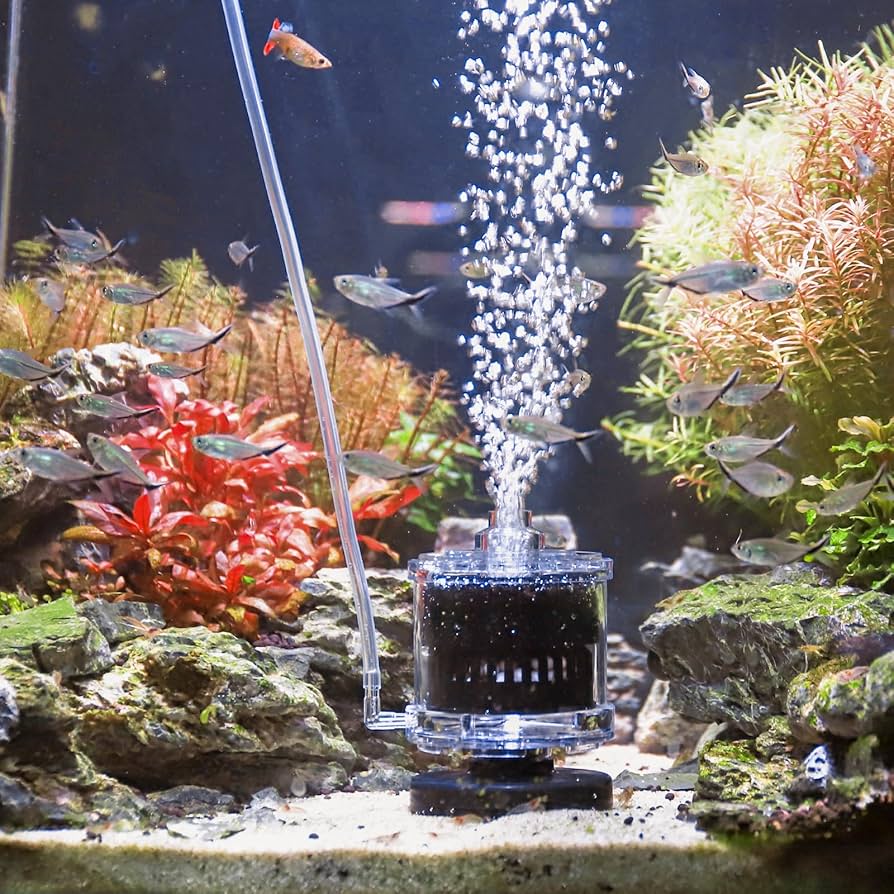
Using Sponge Filters
Sponge filters are simple and safe for small fish. They gently clean water without strong currents.
Sponge filters use air bubbles to pull water through a sponge. The sponge traps dirt and harmful bacteria.
- Easy to clean and reuse
- Does not suck in small fish or fry
- Provides good surface for beneficial bacteria
Adding Live Plants
Live plants help filter water naturally. They take in harmful chemicals like ammonia and nitrates.
Plants also add oxygen to the water. This makes the tank healthier for fish and bacteria.
- Choose small, easy plants like Java moss or Anubias
- Plants reduce algae by using nutrients
- They create hiding spots and reduce fish stress
Supplementing With Uv Sterilizers
UV sterilizers kill harmful bacteria and algae in the water. They use ultraviolet light to clean water.
UV sterilizers work well with other filters. They keep water clear and reduce disease risk for small fish.
- Use a small UV sterilizer made for small tanks
- Place it after the main filter for best results
- Check and replace the UV bulb regularly
Credit: www.amazon.com
Frequently Asked Questions
What Is The Best Filtration Type For Small Fish Tanks?
The best filtration for small fish tanks is a sponge filter. It provides gentle filtration, ideal for delicate fish. Sponge filters offer mechanical and biological filtration without strong currents that can stress small fish.
How Often Should Aquarium Filters Be Cleaned?
Clean aquarium filters every 2 to 4 weeks to maintain efficiency. Avoid over-cleaning to preserve beneficial bacteria. Use tank water to rinse filter media gently, ensuring biological filtration remains intact.
Can Small Fish Survive Without Filtration?
Small fish can survive briefly without filtration, but long-term health suffers. Filtration removes waste and toxins, maintaining water quality. Proper filtration is essential for a healthy, stable aquarium environment.
What Size Filter Is Suitable For Small Aquariums?
Choose a filter rated for at least the tank’s volume or higher. For small aquariums, a filter with gentle flow and capacity matching tank size ensures optimal water clarity and fish comfort.
Conclusion
Proper filtration keeps your small fish healthy and happy. Clean water means fewer diseases and better fish growth. Choose a filter that fits your tank size and fish type. Regular cleaning and maintenance help the filter work well. Good filtration also reduces odors and keeps the tank clear.
Remember, a healthy tank creates a peaceful home for your fish. Take care of your aquarium filter, and your fish will thrive. Simple steps bring big benefits to your aquarium life.