
If you want your aquarium water to look crystal clear and healthy, choosing the right filter is key. An aquarium filter with water polishing does more than just clean—it makes your water sparkle by removing tiny particles and impurities that regular filters miss.
Imagine your fish swimming in water so pure, it feels fresh and vibrant every day. You’ll discover how this advanced filtration can transform your tank, keep your aquatic friends happy, and save you time on maintenance. Ready to see your aquarium shine like never before?
Keep reading to learn how water polishing can make all the difference.
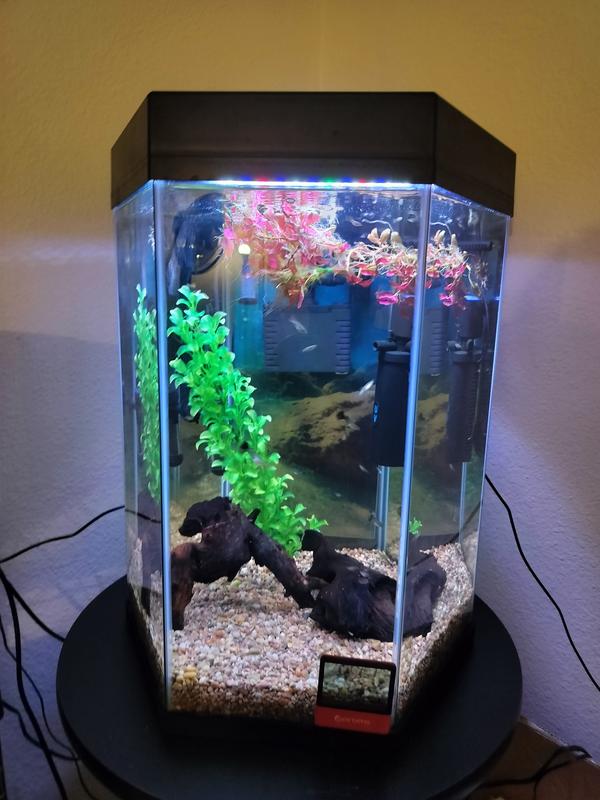
Credit: www.petsmart.ca
Types Of Aquarium Filters
A clean and healthy aquarium depends on proper filtration. Filters remove debris, waste, and harmful chemicals from the water.
There are different types of aquarium filters. Each type works in a unique way to keep water clear and safe for fish.
Mechanical Filters
Mechanical filters remove solid particles from the water. They trap dirt, uneaten food, and waste.
These filters use sponges, pads, or floss to catch debris. This helps keep the water clear and prevents cloudiness.
- Removes visible waste
- Improves water clarity
- Needs regular cleaning
Biological Filters
Biological filters use beneficial bacteria to break down harmful waste. These bacteria convert ammonia into less harmful substances.
This process is called the nitrogen cycle. It helps keep fish safe from toxic chemicals in the water.
- Breaks down fish waste
- Supports healthy bacteria
- Essential for aquarium balance
Chemical Filters
Chemical filters use substances like activated carbon to remove dissolved impurities. They clear odors and discoloration from the water.
These filters help polish the water by removing chemicals and toxins that mechanical and biological filters cannot catch.
- Removes odors and discoloration
- Removes harmful chemicals
- Needs replacement regularly
Combination Filters
Combination filters use two or more filtration methods. They provide mechanical, biological, and chemical cleaning in one unit.
These filters are effective and save space. They keep aquarium water clean and healthy by handling different types of waste.
- Combines several filter types
- Efficient and space-saving
- Easy to maintain

Credit: www.amazon.ca
What Is Water Polishing
Water polishing is the last step in aquarium filtration. It removes very small particles that make water cloudy. This process helps keep aquarium water clear and healthy.
Polishing targets tiny debris that regular filters might miss. It improves the look of the aquarium and the health of fish and plants.
Purpose Of Water Polishing
Water polishing cleans out fine particles like dust, algae, and waste. These particles can make water look dull or cloudy.
Removing these particles helps keep the water clear and safe for fish. It also helps prevent algae growth and keeps the tank looking nice.
How Polishing Enhances Clarity
Polishing improves water clarity by trapping tiny particles. These particles are too small for standard filters to catch.
Clear water lets light pass better. This makes fish colors brighter and plants grow stronger. It also shows a clean, healthy tank.
Common Polishing Materials
Polishing uses special filter materials that catch very fine particles. These materials fit inside the filter system.
- Activated carbon: removes small particles and odors
- Filter floss or polishing pads: trap fine debris
- Zeolite: absorbs ammonia and impurities
- Ceramic rings: hold beneficial bacteria and trap particles
Benefits Of Water Polishing In Aquariums
Water polishing is an important step in aquarium filtration. It removes tiny particles that cloud the water. This process makes the aquarium look clearer and healthier.
Using water polishing helps keep fish safe and happy. It improves the overall environment inside the tank.
Improved Water Clarity
Water polishing removes very small particles like dust and debris. This makes the water clear and bright. Clear water helps you see your fish better and enjoy your aquarium more.
Reduction Of Harmful Particles
This process filters out harmful particles that can build up in the tank. These include leftover food, fish waste, and tiny organic matter. Removing these particles helps prevent water pollution.
- Reduces ammonia and nitrate levels
- Removes suspended solids
- Helps keep water chemistry stable
- Prevents algae growth
Enhanced Fish Health
Clean water improves fish health by lowering stress. Fish breathe easier and avoid diseases. Polished water supports a balanced ecosystem inside the aquarium.
| Benefit | Effect on Fish |
| Clear Water | Better vision and less stress |
| Low Toxins | Reduced risk of illness |
| Stable Environment | Improved growth and activity |
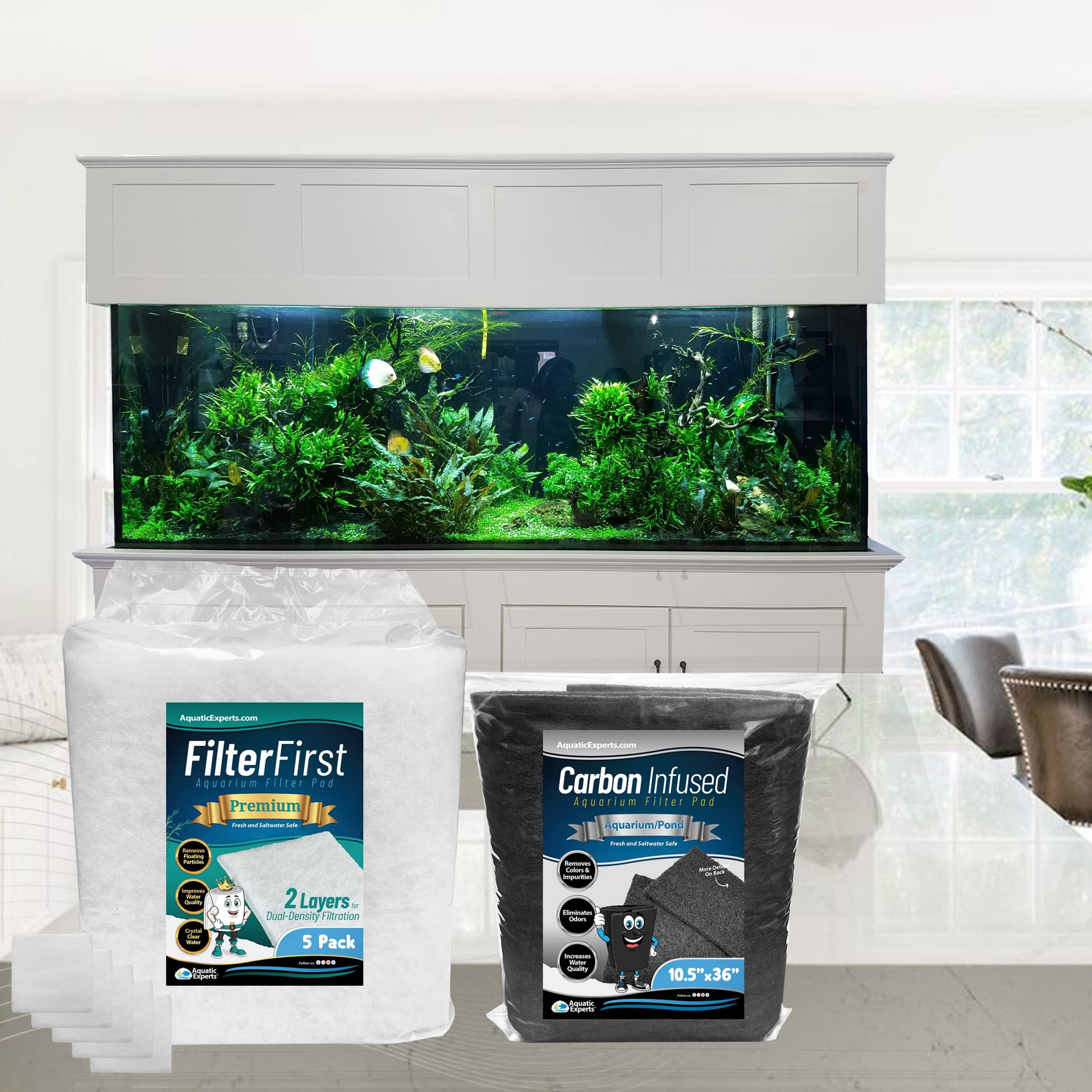
Credit: infrakraft.com
Choosing The Right Filter With Polishing Feature
A good aquarium filter keeps the water clean and clear. Filters with polishing features remove tiny particles. This makes the water look shiny and bright.
Picking the right filter with polishing depends on your aquarium setup. You need to consider size, flow rate, and media compatibility.
Assessing Aquarium Size And Stock
Check the size of your aquarium first. Larger tanks need stronger filters. Also, count the fish and plants inside. More stock means more waste and dirt.
Filters with polishing work best when matched to tank size and fish load. Too small a filter will not clean well. Too large can stress the water flow.
Filter Flow Rate Considerations
The flow rate shows how much water the filter moves each hour. It is measured in gallons per hour (GPH) or liters per hour (LPH). Choose a flow rate that suits your tank size.
Filters with polishing need enough flow to push water through the polishing media. Too slow flow means less polishing effect. Too fast can damage delicate media.
- Choose flow rate 4 to 5 times tank volume per hour
- Adjust flow if fish prefer calm water
- Match flow rate with polishing media needs
Compatibility With Polishing Media
Polishing media removes fine particles to clear water. Some filters support polishing pads, floss, or special cartridges. Check if the filter can hold these media types.
Choose polishing media that fits your filter’s design. Some media work better with certain flow rates and filter types. Make sure the media is easy to replace and clean.
- Use filter pads for mechanical polishing
- Consider polishing floss for tight spaces
- Check media compatibility before buying
- Replace polishing media regularly for best results
Installation And Maintenance Tips
Proper installation and maintenance keep your aquarium filter working well. Clean water helps fish stay healthy and active.
This guide covers easy tips for setting up the filter, changing polishing media, and cleaning the system regularly.
Setting Up The Filter
Choose a good spot for the filter inside the aquarium. Make sure it is stable and fully submerged if needed. Follow the manufacturer’s instructions for correct assembly.
Connect all tubes tightly to avoid leaks. Check the power source and plug in the filter safely to prevent electrical hazards.
Replacing Polishing Media
Polishing media helps clear tiny particles from the water. Replace it regularly to keep water sparkling clean. Most polishing media lasts about one month.
- Turn off the filter before opening it.
- Remove the old polishing media carefully.
- Rinse the new media with aquarium water.
- Place the new media in the filter compartment.
- Close the filter tightly and turn it on.
Regular Cleaning Practices
Cleaning your filter often keeps it working well. Remove debris and dirt from all parts. This prevents clogging and extends filter life.
| Cleaning Task | Frequency | Notes |
| Rinse filter media | Every 2 weeks | Use aquarium water, not tap water |
| Clean filter housing | Monthly | Remove dirt buildup |
| Check water flow | Weekly | Ensure proper circulation |
Common Issues And Troubleshooting
Keeping an aquarium clean and healthy can be challenging. Filters with water polishing features help maintain clear water. But, they can face issues over time.
Understanding common problems and how to fix them ensures a thriving environment for aquatic life. Here, we discuss key issues and solutions.
Clogging And Reduced Flow
Clogging is a common issue with aquarium filters. It often leads to reduced flow, affecting water quality. Regular maintenance is crucial.
- Check for debris buildup in the filter.
- Clean or replace filter media regularly.
- Ensure proper water flow by adjusting the filter settings.
Media Degradation
Filter media can degrade over time. This reduces its effectiveness in cleaning water. Recognizing the signs helps in timely replacement.
Signs of media degradation include:
- Reduced water clarity
- Unpleasant odors
- Increased algae growth
Algae Growth Control
Algae growth is a frequent issue in aquariums. It can cloud water and harm fish if unchecked. Filters help manage algae, but other steps are also needed.
| Action | Frequency |
| Clean the aquarium glass | Weekly |
| Monitor nutrient levels | Bi-weekly |
| Adjust lighting | As needed |
Enhancing Filtration With Additional Techniques
Enhancing your aquarium’s filtration system can lead to a healthier environment for your fish. By using advanced techniques, you can improve water clarity and quality.
These methods help in removing impurities and maintaining the natural ecosystem within the tank.
Using Uv Sterilizers
UV sterilizers use ultraviolet light to eliminate harmful microorganisms. They help in controlling algae and preventing fish diseases.
- Install the sterilizer in the filtration system.
- Ensure the light intensity is suitable for the tank size.
- Regularly check and clean the UV bulb.
Adding Activated Carbon
Activated carbon is effective in removing toxins and odors from the water. It also absorbs pollutants, making the water clearer.
| Benefit | Action |
| Removes toxins | Replace monthly |
| Clears water | Use in filter media |
| Eliminates odor | Monitor water quality |
Incorporating Live Plants
Live plants are a natural way to enhance filtration. They absorb nitrates and provide oxygen, creating a balanced environment.
Frequently Asked Questions
What Is An Aquarium Filter With Water Polishing?
An aquarium filter with water polishing removes tiny particles and debris. It enhances water clarity and quality. This filter type improves fish health and tank aesthetics by providing cleaner water.
How Does Water Polishing Improve Aquarium Water Quality?
Water polishing captures fine particles that regular filters miss. It reduces cloudiness and harmful contaminants. This process ensures clearer, healthier water, benefiting fish and aquatic plants in your aquarium.
Can I Add Water Polishing To My Existing Filter?
Yes, many water polishing units can be added to current filters. They complement existing filtration by removing smaller impurities. Check compatibility before purchase to ensure effective integration.
What Materials Are Used For Aquarium Water Polishing?
Common polishing materials include activated carbon, fine sponge, and filter floss. These trap microscopic debris and impurities. Using quality materials ensures efficient water polishing and better tank clarity.
Conclusion
A good aquarium filter with water polishing keeps your tank clean and clear. It removes tiny particles and improves water quality. Fish stay healthier and look more vibrant. Clean water also reduces odors and algae growth. Choosing the right filter helps maintain a balanced environment.
Regular filter care ensures it works well over time. Clear water makes your aquarium more beautiful to enjoy. Small effort brings big benefits for your fish and plants. Keep your aquarium fresh and sparkling every day.