
If you want your aquarium water to stay crystal clear and healthy for your fish, understanding the right filter is key. An aquarium filter with a mechanical chamber can make a huge difference in keeping debris and dirt out of your tank.
Imagine having a cleaner, fresher environment without constant maintenance. You’ll discover how this type of filter works and why it might be the perfect solution for your aquarium. Keep reading to find out how you can make your fish thrive with clearer water every day.
Role Of Mechanical Chamber
The mechanical chamber is a key part of an aquarium filter. It helps keep the water clean by catching solid waste. This step is important before the water reaches other filter sections.
By removing debris early, the mechanical chamber supports the entire filtration system. It keeps the water clearer and safer for fish and plants.
Trapping Debris And Particles
The mechanical chamber traps leftover food, fish waste, and plant bits. These particles float in the water and can make it dirty. The chamber acts like a net to catch them.
Removing these solids stops them from breaking down and polluting the tank. It also makes cleaning the aquarium easier for the owner.
- Captures floating debris
- Prevents water cloudiness
- Keeps tank environment healthy
Protecting Biological Media
The mechanical chamber shields the biological media from clogging. Biological media are surfaces where good bacteria grow. These bacteria break down harmful waste in the water.
If debris reaches the biological media, it can block water flow. This reduces the bacteria’s ability to clean the water. The mechanical chamber helps keep these surfaces clear.
- Prevents clogging of bio-media
- Maintains water flow
- Supports bacteria that clean water
Enhancing Filtration Efficiency
By removing solids early, the mechanical chamber improves overall filter performance. It stops the other filter parts from working harder or getting blocked.
This leads to cleaner water and a healthier aquarium. The filter uses less energy and lasts longer thanks to this first cleaning step.
- Reduces strain on filter components
- Improves water clarity
- Extends filter lifespan

Credit: glassboxdiaries.com
Types Of Mechanical Filters
Mechanical filters clean aquarium water by trapping debris and particles. They help keep the water clear and safe for fish. Different types work in various ways to capture waste.
Understanding the types of mechanical filters helps you choose the right one for your aquarium setup. Each type has unique features and uses.
Sponge Filters
Sponge filters use a porous sponge to trap dirt and debris. Water passes through the sponge, and particles get stuck inside. This filter type also provides a surface for beneficial bacteria to grow.
They are gentle and good for tanks with small or delicate fish. Sponge filters work well in low-flow environments and help maintain water quality.
Foam Pads
Foam pads are flat pieces of porous foam used inside filter chambers. They catch larger particles before water moves to finer filtration stages. Foam pads come in different thicknesses and pore sizes.
- Coarse foam pads trap big debris like fish waste and leftover food.
- Medium foam pads catch smaller particles and help prevent clogging.
- Fine foam pads filter tiny particles for clearer water.
Regular cleaning or replacing foam pads keeps the filter effective and prevents bad odors in the tank.
Filter Floss And Pads
Filter floss and pads are soft, fibrous materials used to catch very fine debris. They often follow mechanical foam pads in the filtration process. Filter floss can trap dust-like particles that other filters miss.
| Filter Material | Function | Maintenance |
| Filter Floss | Traps very fine particles | Replace when dirty or clogged |
| Filter Pads | Captures medium to fine debris | Rinse or replace regularly |
Choosing The Right Mechanical Chamber
The mechanical chamber in an aquarium filter removes solid waste from the water. Picking the right chamber helps keep your tank clean and healthy.
This guide covers key points to consider for choosing a mechanical chamber that fits your aquarium needs.
Filter Size And Aquarium Volume
The size of the mechanical chamber should match your aquarium’s water volume. A small chamber may clog quickly in a large tank.
| Aquarium Volume | Recommended Filter Size | Mechanical Chamber Capacity |
| Up to 20 gallons | Small | Low |
| 21 to 50 gallons | Medium | Medium |
| Over 50 gallons | Large | High |
Material Durability And Maintenance
Choose materials that resist water damage and wear. Durable chambers last longer and need less frequent replacement.
- Plastic chambers are lightweight and easy to clean.
- Stainless steel parts resist rust but may cost more.
- Foam inserts trap debris but should be replaced regularly.
- Check if parts are easy to remove for cleaning.
Compatibility With Other Filter Types
Mechanical chambers must work well with biological and chemical filters. This ensures full water purification.
| Filter Type | Mechanical Chamber Needs | Notes |
| Canister Filter | Medium to Large | Often includes multiple chambers |
| Hang-On-Back Filter | Small to Medium | Easy to replace parts |
| Sponge Filter | Integrated | Acts as mechanical and biological filter |
Maintenance Tips For Mechanical Chambers
Keeping your aquarium filter’s mechanical chamber clean helps maintain water quality. Regular care avoids problems like poor water flow and unhealthy fish.
This guide covers how often to clean, ways to prevent clogs, and when to replace filter media in the mechanical chamber.
Cleaning Frequency
Clean the mechanical chamber regularly to keep it working well. The usual time is every two to four weeks. More often if the tank is crowded or dirty.
- Check the chamber weekly for debris
- Rinse filter pads or sponges under tank water
- Avoid using tap water that can kill beneficial bacteria
- Note heavy debris buildup and clean sooner if needed
Preventing Clogs And Blockages
Clogs reduce water flow and filter efficiency. Prevent blockages by removing large debris and avoiding overfeeding fish.
| Cause | Prevention |
| Excess fish waste | Feed small amounts, remove leftovers |
| Plant debris | Trim plants regularly |
| Uneaten food | Use sinking pellets carefully |
| Dirty filter media | Clean or replace on time |
Replacing Filter Media
Replace mechanical filter media when it no longer cleans well. This keeps the chamber effective and fish healthy.
- Inspect filter pads every month
- Replace pads if torn or very dirty
- Use media recommended for your filter model
- Do not replace all media at once to keep beneficial bacteria
- Store new media dry and clean before use
Benefits Of Mechanical Filtration
Mechanical filtration in aquariums is essential for maintaining clear and healthy water. It traps debris and particles, enhancing the overall quality of the aquatic environment.
This type of filtration uses a mechanical chamber to physically remove impurities. Let’s explore the specific benefits it offers.
Improved Water Clarity
Mechanical filtration significantly improves water clarity by removing visible particles. This results in a cleaner and more visually appealing aquarium.
- Captures floating debris and waste
- Reduces cloudiness in water
- Enhances light penetration for plant growth
Reduced Toxin Build-up
By removing solid waste, mechanical filtration helps in reducing the build-up of harmful toxins. This is crucial for maintaining a safe environment for fish and plants.
| Toxin | Impact on Fish |
| Ammonia | Gills damage |
| Nitrites | Stress and illness |
| Nitrates | Algae growth |
Healthier Aquatic Environment
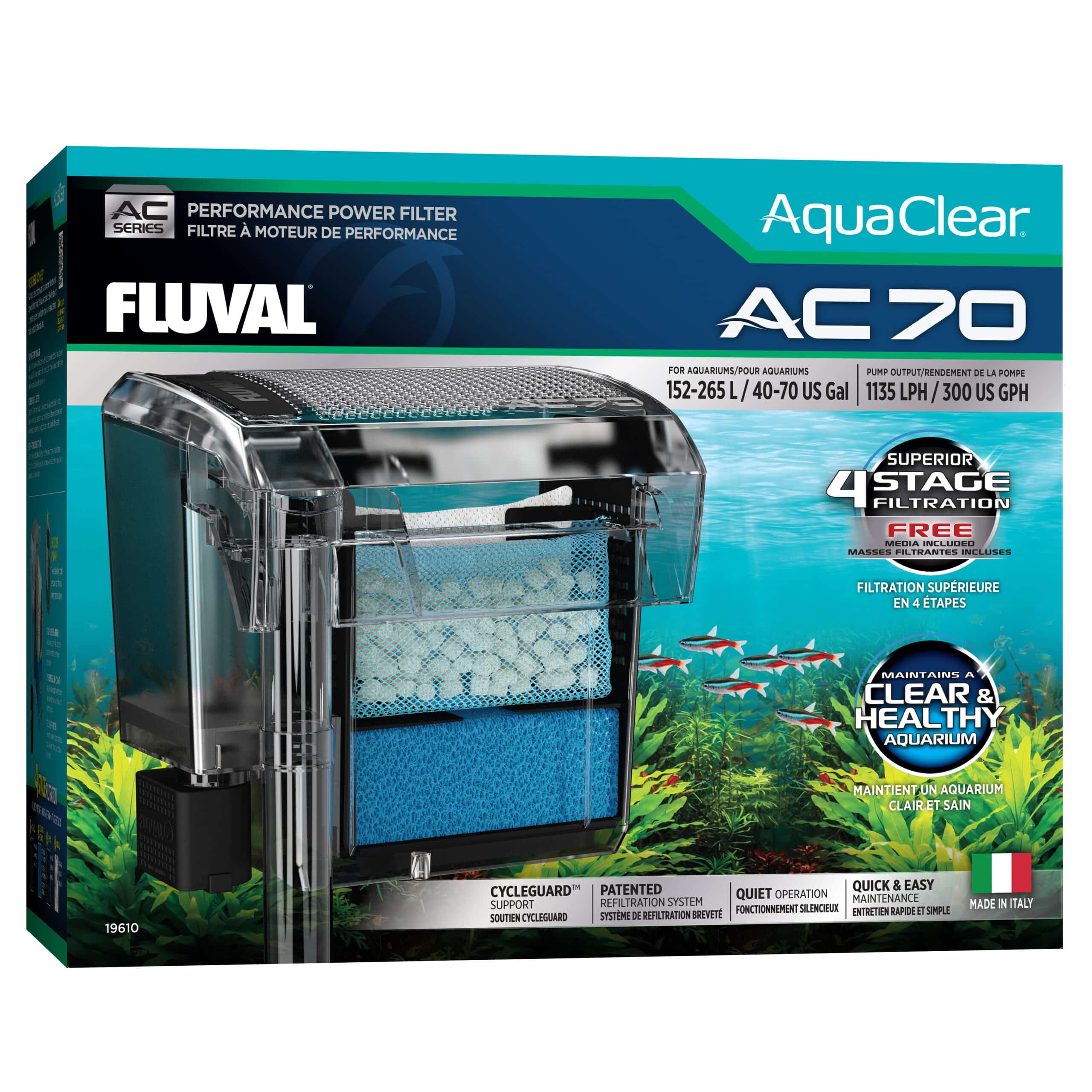
A healthier aquatic environment is achieved through effective mechanical filtration. It ensures that fish and plants thrive by keeping the water free from harmful substances.
Using a mechanical chamber, the filtration system can efficiently manage waste particles. This keeps the ecosystem balanced and healthy.
Credit: fluvalaquatics.com
Common Issues And Troubleshooting
Aquarium filters with mechanical chambers are essential for clean water. They trap debris and particles effectively. Still, problems may occur that reduce their performance.
This guide covers common issues and ways to fix them. Knowing these helps keep your aquarium healthy and clear.
Filter Flow Reduction
Flow reduction happens when water passes slowly through the filter. This can harm your aquarium’s cleanliness and oxygen levels.
- Check if the mechanical chamber is clogged with debris.
- Clean or replace filter pads regularly to avoid blockage.
- Inspect the impeller for dirt or damage, and clean it carefully.
- Ensure all tubes and hoses are free from kinks or obstructions.
- Verify that the water level is enough for proper filter operation.
Media Breakdown
Filter media wears out or breaks down over time. This reduces its ability to trap particles and support beneficial bacteria.
| Media Type | Signs of Breakdown | Action to Take |
| Foam Pads | Ripped or crumbly texture | Replace with new foam pads every 4-6 weeks |
| Carbon | Reduced odor absorption, cloudy water | Replace carbon monthly for best results |
| Ceramic Rings | Cracked or clogged rings | Rinse gently; replace if damaged |
Unpleasant Odors
Bad smells often come from trapped waste or poor filter maintenance. This can make your aquarium unpleasant and unhealthy.
Try these tips to remove odors:
- Clean the mechanical chamber and filter media regularly.
- Remove uneaten food and dead plant material from the tank.
- Check for areas where water flow is poor and clean them.
- Replace carbon media to absorb odors effectively.

Credit: www.amazon.com
Frequently Asked Questions
What Is A Mechanical Chamber In Aquarium Filters?
A mechanical chamber traps solid waste and debris from aquarium water. It prevents clogging in other filter sections and maintains water clarity. This chamber uses sponges or pads to physically filter particles, ensuring cleaner and healthier aquatic environments for fish and plants.
How Does A Mechanical Chamber Improve Aquarium Filtration?
The mechanical chamber captures large particles before water reaches biological and chemical media. This process enhances overall filtration efficiency by reducing clogging. It extends the life of filter media and maintains stable water flow, promoting a cleaner and balanced aquarium ecosystem.
Can I Clean The Mechanical Chamber Myself?
Yes, cleaning the mechanical chamber is simple and essential. Rinse the sponges or pads in aquarium water to preserve beneficial bacteria. Avoid using tap water, which can kill bacteria. Regular cleaning ensures optimal filtration and keeps your aquarium water clear and healthy.
Which Materials Are Best For Mechanical Chambers?
Common materials include foam sponges, filter pads, and floss. Foam sponges are reusable and easy to clean. Filter pads trap fine particles effectively. Choosing the right material depends on aquarium size and filtration needs for maintaining water quality.
Conclusion
A good aquarium filter with a mechanical chamber keeps water clean. It traps dirt and debris, making the water clear. Fish stay healthy in a clean environment. Regular cleaning of the chamber helps the filter work well. Choose a filter that fits your tank size.
Simple maintenance saves time and effort. Clear water means happy fish and a beautiful tank. This filter type is a smart choice for any aquarium owner. Clean water is easy to achieve with the right filter.