
Are you struggling to keep your aquarium water clear and healthy without overwhelming your tank’s natural balance? Choosing the right aquarium filter with low bio-load capacity could be the key to maintaining a clean, thriving environment for your fish.
If your tank has fewer fish or plants, a powerful filter might do more harm than good. You’ll discover how to pick the perfect filter that matches your tank’s needs, keeps your water crystal clear, and supports your aquatic life without extra hassle.
Keep reading to find out how to make your aquarium care easier and more effective.
Choosing Low Bio-load Filters
Choosing the right filter for an aquarium with low bio-load is important. A low bio-load means fewer fish and less waste. This needs a filter that cleans gently and keeps water clear.
Filters for low bio-load tanks must balance cleaning power and gentle water flow. This helps keep fish healthy without stressing them.
Filter Types For Small Bio-loads
Several filter types work well for small bio-loads. Each type has its pros and cons. Choose one that fits your tank size and fish needs.
- Sponge Filters:Provide gentle filtration and good biological media. Great for small tanks and shrimp.
- Hang-on-Back Filters:Easy to maintain and offer mechanical and biological filtration.
- Internal Filters:Compact and suitable for small tanks. They offer moderate water flow.
- Canister Filters:Usually for larger tanks but can be adjusted for low bio-load with proper media.
Key Features To Consider
| Feature | Why It Matters |
| Flow Rate | Should be gentle to avoid stressing fish in low bio-load tanks. |
| Filtration Type | Biological and mechanical filtration are both important. |
| Ease of Cleaning | Filters must be easy to clean to maintain water quality. |
| Size | Filter size should match the tank size for best results. |
| Noise Level | Quieter filters create a peaceful tank environment. |
Filter Media Options
Filter media help remove waste and support beneficial bacteria. Choosing the right media keeps the tank clean and fish healthy.
- Mechanical Media:Sponges or pads that trap debris and particles.
- Biological Media:Ceramic rings or bio-balls that provide space for bacteria to grow.
- Chemical Media:Activated carbon removes odors and toxins from the water.

Credit: www.amazon.com
Optimizing Filter Performance
Aquarium filters with low bio-load capacity need careful setup. Proper use improves water quality and keeps fish healthy.
Understanding how to optimize filter performance helps maintain a clean tank. This guide covers key points to focus on.
Flow Rate And Circulation
Flow rate affects how well the filter cleans the water. Too fast or too slow flow can harm filter efficiency.
Good circulation spreads oxygen and nutrients evenly. It also prevents dead spots where waste can build up.
Maintenance Tips For Efficiency
- Clean filter media regularly to avoid clogging.
- Replace worn parts to keep the filter working well.
- Check pump and tubing for blockages or leaks.
- Avoid overfeeding fish to reduce waste load.
- Test water parameters often to catch problems early.
Balancing Mechanical And Biological Filtration
| Filtration Type | Purpose | Maintenance |
|---|---|---|
| Mechanical | Removes particles and debris | Clean or replace sponges and pads regularly |
| Biological | Supports beneficial bacteria to break down waste | Do not clean all media at once to keep bacteria alive |
Benefits Of Low Bio-load Filters
Using an aquarium filter with a low bio-load capacity helps keep your tank clean and healthy. It reduces the stress on the filter system and makes maintenance easier.
These filters support a balanced environment by handling fewer waste products. This leads to better conditions for your fish and plants.
Energy Savings
Low bio-load filters use less power because they process fewer waste materials. This means your aquarium runs efficiently without wasting electricity.
- Less energy consumption from the filter motor
- Lower electricity bills each month
- Reduced heat output, helping keep water temperature stable
Improved Water Quality
Filters with low bio-load capacity keep water cleaner. They remove harmful toxins and prevent the buildup of waste that can harm fish.
| Water Quality Factor | Benefit |
| Ammonia Levels | Lowered for safer fish environment |
| Nitrate Levels | Reduced to avoid algae growth |
| Clarity | Improved for better viewing |
Extended Filter Lifespan
Filters with a low bio-load last longer. They do not work as hard, which reduces wear and tear on parts.
Regular cleaning is easier and less frequent, which keeps your filter in good shape over time.
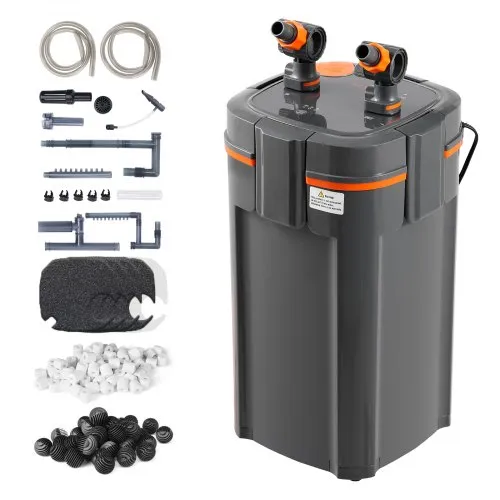
Credit: www.vevor.ca
Common Challenges And Solutions
An aquarium filter with low bio-load capacity faces many challenges. Understanding these issues helps in maintaining a healthy aquarium.
There are three main challenges to consider. These include overfeeding, waste build-up, and filter clogging.
Dealing With Overfeeding
Overfeeding is a common problem in aquariums. Excess food leads to waste and water pollution.
Feed fish only what they can eat in a few minutes. Remove any leftover food to keep the tank clean.
- Use a feeding schedule
- Measure food portions
- Observe fish during feeding
Managing Waste Build-up
Waste build-up occurs when the filter cannot handle all the debris. This leads to poor water quality.
Regular cleaning and water changes reduce waste. A gravel vacuum can help remove debris from the substrate.
- Clean filter media regularly
- Perform weekly water changes
- Use a gravel vacuum
Preventing Filter Clogging
Filter clogging reduces efficiency and water flow. This stresses the fish and affects their health.
Inspect and clean the filter often. Replace any worn or damaged parts to ensure proper function.
- Check filter weekly
- Rinse filter media in tank water
- Replace parts as needed
Upgrading And Customizing Filters
Low bio-load aquarium filters need upgrades to work better. Customizing your filter helps keep the water clean. It also makes the filter fit your tank size.
There are simple ways to improve your filter’s performance. You can add media, adjust the water flow, or make DIY changes. These upgrades keep your aquarium healthy.
Adding Supplemental Media
Adding extra filter media helps remove more waste and toxins. Different types of media serve different purposes. Use the right media for your tank’s needs.
- Activated carbon removes odors and chemicals
- Bio balls increase surface area for bacteria
- Sponges trap debris and provide bacteria homes
- Ceramic rings boost biological filtration
Adjusting Flow For Different Tank Sizes
Water flow must match your tank size. Too strong flow can stress fish. Too weak flow does not clean well. Adjust flow to keep balance in your aquarium.
| Tank Size (gallons) | Recommended Flow Rate (GPH) |
| 5 – 10 | 100 – 200 |
| 11 – 20 | 200 – 400 |
| 21 – 40 | 400 – 800 |
| 41 – 75 | 800 – 1500 |
| 76 and above | 1500+ |
Diy Filter Enhancements
You can improve your filter with simple DIY ideas. Use household items or cheap parts to add to your filter. These changes often boost filter life and efficiency.
Try these DIY enhancements:
- Cut a sponge to fit inside your filter for extra mechanical filtration.
- Add a small air stone to increase oxygen flow in the filter.
- Use zip ties to secure media in place and prevent shifting.
- Make a removable media basket using plastic mesh for easy cleaning.

Credit: www.amazon.ca
Frequently Asked Questions
What Is A Low Bio-load Aquarium Filter?
A low bio-load aquarium filter handles minimal waste from fewer fish or plants. It prevents over-filtration, ensuring water stays clean without stressing the aquarium ecosystem.
Why Choose A Filter For Low Bio-load Tanks?
Low bio-load filters are energy-efficient and maintain gentle water flow. They suit small or lightly stocked tanks, preserving water quality without overwhelming beneficial bacteria.
How To Maintain A Low Bio-load Aquarium Filter?
Regular cleaning every 2-4 weeks is key. Avoid over-cleaning to protect beneficial bacteria. Check filter media and replace only when necessary for optimal performance.
Can Low Bio-load Filters Support Sensitive Fish?
Yes, these filters provide a stable environment with gentle filtration. They reduce stress on delicate species by maintaining clean water and consistent conditions.
Conclusion
Choosing the right aquarium filter with low bio-load helps keep tanks clean. It supports fish health by reducing harmful waste. Small tanks or lightly stocked aquariums benefit the most from these filters. Easy maintenance saves time and keeps water clear.
Remember, regular filter care is key to success. A well-chosen filter creates a safe, healthy home for your fish. Simple steps can lead to a happy aquarium. Think about your tank size and fish load before buying. Clean water means happy fish and less work for you.