
Keeping your aquarium water crystal clear and safe for your fish can feel like a challenge. You want your underwater friends to thrive, but sometimes the water gets cloudy, smelly, or even harmful without the right care.
That’s where an aquarium filter with chemical filtration comes in. This powerful tool doesn’t just clean debris—it actively removes toxins and impurities that can harm your fish. If you’re ready to take your aquarium care to the next level and create a healthier environment for your aquatic pets, understanding how chemical filtration works is key.
Keep reading to discover how this type of filter can make a real difference in your tank’s water quality and your fish’s well-being.

Credit: www.amazon.com
Types Of Chemical Filtration Media
Chemical filtration media remove harmful substances from aquarium water. They help keep water clear and safe for fish.
Different media target different chemicals. Choosing the right media improves your aquarium’s health.
Activated Carbon
Activated carbon absorbs impurities and toxins from water. It removes odors, discoloration, and chemicals.
This media works well to clear the water and improve its smell. It is commonly used in many filters.
Zeolite
Zeolite traps ammonia and other harmful nitrogen compounds. It helps keep ammonia levels safe for fish.
This media is useful in new tanks or tanks with high fish loads. It protects fish from toxic ammonia spikes.
Phosphate Removers
Phosphate removers reduce phosphate levels in the aquarium. High phosphates cause algae growth and water problems.
These media help control algae by limiting phosphate availability. They keep the water cleaner and clearer.
- Works well in planted tanks and reef tanks
- Helps prevent green water and algae blooms
- Needs replacement when saturated
Resins And Polymers
Resins and polymers remove specific chemicals like nitrates and heavy metals. They provide targeted water treatment.
These media often last longer than carbon. They improve water quality by removing hard-to-filter substances.
Benefits Of Chemical Filtration
Chemical filtration is an important part of aquarium filters. It helps keep water clean and safe for fish.
This type of filtration removes harmful substances that mechanical or biological filters cannot catch.
Removing Odors And Discoloration
Chemical filtration removes bad smells from the aquarium water. It also clears yellow or brown stains.
Activated carbon is often used to absorb these odors and discolorations effectively.
- Removes organic compounds causing odors
- Clears tannins that discolor water
- Keeps aquarium water fresh and clear
Eliminating Harmful Toxins
Chemical filtration helps remove toxins like chlorine and heavy metals from tap water. These are harmful to fish.
Special resins or activated carbon trap these toxins to keep fish healthy and safe.
- Removes chlorine and chloramine
- Traps heavy metals like copper
- Prevents toxin buildup in the tank
Enhancing Water Clarity
Chemical filtration improves water clarity by removing tiny particles and dissolved impurities.
Clear water helps show the true colors of fish and plants, making the aquarium look beautiful.
- Removes dissolved organic waste
- Prevents cloudy water
- Makes the tank look clean and bright
Choosing The Right Chemical Filter
Chemical filters help keep aquarium water clean and safe. They remove harmful substances that other filters cannot catch.
Choosing the right chemical filter depends on your aquarium’s needs. Understanding how to match the filter to your water issues is important.
Matching Media To Water Issues
Chemical media target specific water problems. Different types of media remove different chemicals or toxins from the water.
Know what is wrong with your water. Pick a media that handles those issues well.
- Activated carbon removes odors and discoloration
- Zeolite absorbs ammonia and nitrogen compounds
- Phosphate removers lower phosphate levels
- Resins target heavy metals and toxins
Compatibility With Other Filtration Types
Chemical filters work best with mechanical and biological filters. Each type cleans the water in a different way.
Make sure your chemical media does not interfere with other filters. This keeps your aquarium water balanced and healthy.
- Mechanical filters remove debris and particles
- Biological filters break down waste with helpful bacteria
- Chemical filters remove dissolved chemicals and toxins
- Use media that fits well with your existing filter system
Media Lifespan And Replacement
Chemical filter media lose effectiveness over time. They can become saturated and stop working well.
Check the lifespan of your chosen media. Replace it regularly to keep water quality high.
- Activated carbon usually lasts 2-4 weeks
- Zeolite can last 4-6 weeks depending on water
- Phosphate removers vary by product, check instructions
- Resins need replacement based on toxin levels
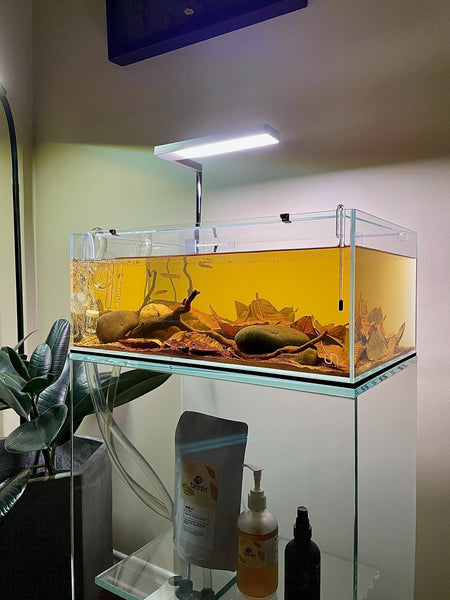
Credit: tanninaquatics.com
Installing Chemical Filtration In Your Aquarium
Chemical filtration helps keep aquarium water clean and safe. It removes harmful substances and odors.
Installing chemical filtration correctly improves water quality and fish health. It works with other filter parts.
Placement Within Filter Systems
Place chemical filtration media after mechanical filtration. This stops debris from blocking the chemical media.
It should be before biological filtration to avoid removing helpful bacteria. Check your filter’s design for the best spot.
- Mechanical filtration first to catch large particles
- Chemical filtration second to remove toxins and odors
- Biological filtration last to support beneficial bacteria
Flow Rate Considerations
Flow rate affects how well chemical filtration works. Water must flow evenly through the media.
Too fast flow means less contact time with the media. Too slow flow can cause clogging and poor filtration.
- Follow the filter manufacturer’s flow rate recommendations
- Adjust flow to keep water moving through chemical media evenly
- Check regularly for clogs that can slow flow
Safety And Maintenance Tips
Use chemical media safely by following instructions. Some media can release chemicals if used wrong.
Replace chemical media regularly. Old media loses effectiveness and may harm fish.
- Wear gloves when handling chemical media
- Rinse media if the instructions say so
- Replace media as often as the manufacturer suggests
- Monitor water quality after installing new media
Common Problems And Solutions
Aquarium filters with chemical filtration help keep water clean. They remove harmful chemicals and toxins. But using them can cause some problems.
It is important to understand these problems and fix them fast. This keeps your aquarium healthy and your fish safe.
Media Overuse And Saturation
Using too much chemical filter media can cause the filter to clog quickly. Saturated media stops working well and can reduce water flow. This makes the filter less effective.
- Replace chemical media regularly based on the manufacturer’s advice.
- Use the correct amount of media for your filter size.
- Clean or rinse media if reusable, but avoid harsh detergents.
- Monitor water flow to notice any clogging early.
Impact On Beneficial Bacteria
Chemical filtration can sometimes remove substances needed by good bacteria. These bacteria clean the water biologically. If they die off, water quality can drop.
| Problem | Effect | Solution |
| Excessive chemical media use | Removes nutrients for bacteria | Limit chemical media and add biological media |
| Frequent chemical media replacement | Destroys bacterial colonies | Replace media less often and seed bacteria |
| Strong chemicals in media | Kill beneficial bacteria | Choose gentle chemical media |
Balancing Chemical And Biological Filtration
Both chemical and biological filtration are important. A good balance keeps the water clean and safe. You need to manage both types carefully.
- Use biological media like bio balls or ceramic rings for bacteria growth.
- Only use chemical media when needed, such as for medication or odors.
- Test water regularly to check ammonia, nitrite, and nitrate levels.
- Clean filters without destroying beneficial bacteria.

Credit: glassboxdiaries.com
Maintaining Crystal Clear Water
An aquarium filter with chemical filtration helps keep water clear. Chemical filtration removes impurities and odors from the tank.
Maintaining crystal clear water is essential for fish health. Proper care ensures a beautiful and clean aquarium environment.
Regular Media Replacement
Filter media needs regular replacement to work well. Over time, media becomes clogged with debris and loses efficiency.
Replacing media ensures the filter continues to remove toxins and impurities. Follow the manufacturer’s guidelines for replacement frequency.
- Check media every month for debris buildup
- Replace carbon media every 4-6 weeks
- Use high-quality media for best results
Monitoring Water Parameters
Regularly test water parameters to ensure a healthy environment. Key parameters include pH, ammonia, nitrite, and nitrate levels.
Use test kits to monitor these parameters weekly. Adjustments may be needed to maintain ideal water conditions.
- Check pH levels weekly
- Monitor ammonia and nitrite levels
- Keep nitrate levels low for fish health
Combining Filtration With Proper Tank Care
Filtration alone is not enough for clear water. Combine it with regular tank maintenance for best results.
Clean the tank regularly and perform water changes. Remove uneaten food and debris to prevent water quality issues.
- Perform 10-15% water changes weekly
- Remove algae from tank surfaces
- Siphon debris from the substrate
Frequently Asked Questions
What Is An Aquarium Filter With Chemical Filtration?
An aquarium filter with chemical filtration removes toxins and impurities using activated carbon or resins. It enhances water clarity and eliminates odors, ensuring a healthy aquatic environment for fish and plants.
How Does Chemical Filtration Improve Aquarium Water Quality?
Chemical filtration absorbs harmful chemicals and contaminants that mechanical and biological filters miss. It helps maintain balanced pH levels and removes discoloration, keeping water safe and clear for aquatic life.
When Should I Replace Chemical Filter Media?
Replace chemical filter media every 3 to 4 weeks or as recommended by the manufacturer. Overused media loses effectiveness, reducing toxin absorption and water quality, potentially harming your aquarium inhabitants.
Can Chemical Filtration Remove Medication Residues?
Yes, chemical filtration can effectively remove medication residues after treatment. Activated carbon or specialized resins absorb leftover chemicals, preventing harm to beneficial bacteria and ensuring a safe environment post-medication.
Conclusion
Choosing the right aquarium filter with chemical filtration keeps water clean and clear. It removes harmful chemicals and keeps fish healthy. Regular maintenance helps the filter work well for a long time. Clean water means a happy, thriving aquarium. Simple steps make a big difference in fish care.
Trust the process and enjoy a beautiful tank every day.