
If you want clear, healthy water in your aquarium, choosing the right filter is key. An aquarium filter with a bio-media chamber can make a big difference in keeping your fish happy and your tank clean.
This special chamber helps good bacteria grow, which naturally breaks down harmful waste. Imagine having a filter that not only cleans but also creates a balanced environment for your aquatic life. Curious how it works and why it might be the perfect upgrade for your tank?
Keep reading to discover how this simple addition can transform your aquarium care routine.
Benefits Of Bio-media Chambers
Bio-media chambers are important parts of aquarium filters. They help keep water clean and safe for fish.
These chambers hold special materials that support good bacteria. These bacteria break down harmful substances in the water.
Improved Biological Filtration
Bio-media chambers provide a large surface area for beneficial bacteria to grow. These bacteria change toxic ammonia and nitrite into less harmful nitrate.
This natural process helps create a healthy environment for fish. It keeps the water safe and reduces fish stress.
Enhanced Water Clarity
Bio-media chambers help clear the water by removing waste and particles. Clean water allows more light to pass through and improves the look of the aquarium.
- Reduces cloudiness in the water
- Prevents algae growth by lowering nutrients
- Makes fish and plants more visible
Reduced Maintenance Frequency
Using bio-media chambers means you do not need to clean the filter as often. The good bacteria keep working even between cleanings.
| Maintenance Task | With Bio-Media Chamber | Without Bio-Media Chamber |
| Filter Cleaning | Every 4-6 weeks | Every 1-2 weeks |
| Water Changes | Less frequent | More frequent |
| Fish Health Issues | Lower risk | Higher risk |

Credit: www.amazon.ca
Types Of Aquarium Filters With Bio-media
Aquarium filters with bio-media help keep water clean and healthy. They use natural bacteria to break down waste.
Different types of filters work in various ways. Each type has a chamber to hold bio-media for biological filtration.
Canister Filters
Canister filters sit outside the tank. They pump water through tubes into the filter chamber. Inside, bio-media helps remove harmful substances.
- Strong water flow for large tanks
- Easy to add different bio-media types
- Quiet operation
- Good mechanical and chemical filtration options
Hang-on-back Filters
These filters hang on the tank’s back wall. Water flows from the tank into the filter, passing through bio-media. Then, clean water returns to the tank.
| Feature | Benefit |
| Compact design | Saves space |
| Easy to maintain | Simple bio-media access |
| Moderate flow rate | Good for small to medium tanks |
| Affordable | Cost-effective filtration |
Internal Filters
Internal filters sit inside the aquarium. They use a pump to move water through bio-media in the chamber. They are good for small tanks or breeding setups.
Advantages of Internal Filters:
- Easy to install inside tank
- Affordable and compact
- Works well in small spaces
- Provides mechanical and biological filtration
Choosing The Right Bio-media
Bio-media helps keep aquarium water clean by hosting good bacteria. These bacteria break down waste and keep fish healthy. Choosing the right bio-media improves your filter’s performance.
Different types of bio-media suit different tank setups. Some provide more surface area, while others help water flow better. Learn about ceramic rings, bio balls, and sponge media to decide what fits your aquarium.
Ceramic Rings
Ceramic rings are small, hollow cylinders with many pores. These pores give bacteria a large surface to grow. Ceramic rings are durable and easy to clean. They work well in most aquarium filters.
- Provide large surface area for bacteria
- Allow good water flow through the pores
- Last a long time without breaking down
- Easy to rinse and reuse
Bio Balls
Bio balls are plastic spheres with many holes. They float in the filter chamber and let water pass freely. They offer good surface area but less than ceramic rings. Bio balls dry out faster if exposed to air.
| Feature | Bio Balls | Ceramic Rings |
| Surface Area | Medium | High |
| Water Flow | Good | Excellent |
| Durability | Plastic, long-lasting | Ceramic, very long-lasting |
| Maintenance | Rinse carefully | Easy to clean |
Sponge And Foam Media
Sponge and foam media trap debris and provide surface for bacteria. They help mechanical and biological filtration. These sponges need regular cleaning to avoid clogging. They work well in both small and large filters.
- Captures particles and dirt
- Supports good bacteria growth
- Soft surface protects delicate filter parts
- Easy to replace or clean
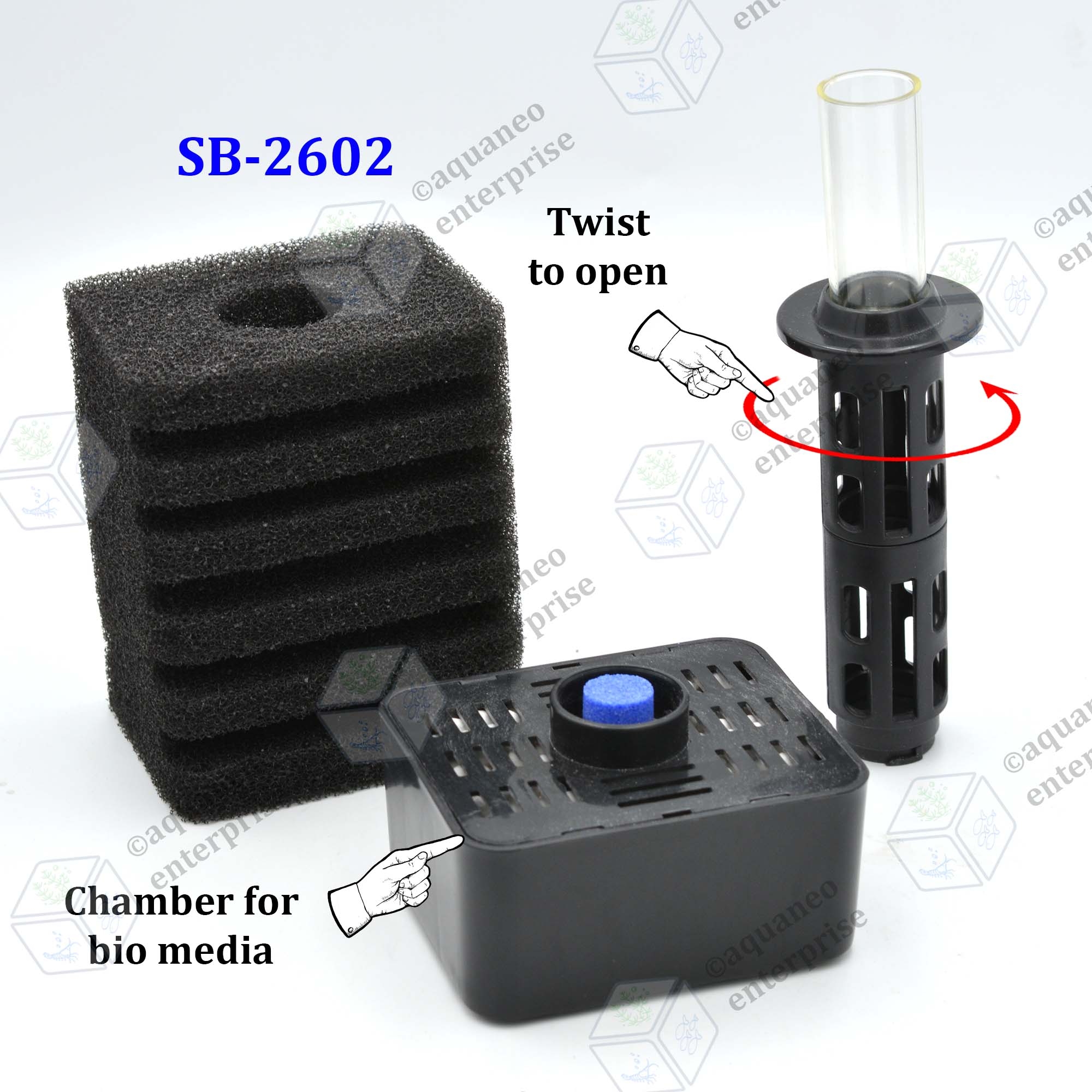
Credit: www.aquaneo2u.com
Installation Tips For Bio-media Chambers
Bio-media chambers help keep aquarium water clean by supporting beneficial bacteria. Proper installation ensures these chambers work well. Follow simple tips to install and maintain your bio-media chamber effectively.
Learn how to place the chamber, control water flow, and balance filtration types. These steps improve your aquarium’s health and water clarity.
Placement In Filter Unit
Place the bio-media chamber after the mechanical filter section. This setup lets the water flow through sponge or floss first. It removes debris before reaching the bio-media.
Keep the chamber easy to access for cleaning and maintenance. Avoid placing it where water flow is too weak or too strong. Proper placement helps bacteria grow well and filter water efficiently.
Flow Rate Considerations
Water flow must be balanced for the bio-media to work. Too fast flow can wash away bacteria. Too slow flow may limit oxygen and nutrients.
- Maintain moderate flow through the chamber.
- Check the filter’s pump settings regularly.
- Adjust flow to avoid dead spots inside the chamber.
- Ensure water reaches all parts of the bio-media evenly.
Balancing Mechanical And Biological Filtration
| Filtration Type | Function | Placement | Maintenance Tip |
|---|---|---|---|
| Mechanical | Removes solid waste and debris | First stage in filter unit | Clean or replace filter media weekly |
| Biological | Supports beneficial bacteria to break down toxins | After mechanical filtration | Rinse bio-media gently in tank water only |
Keep the mechanical filter clean so bio-media does not clog. Avoid over-cleaning bio-media to preserve bacteria colonies. This balance ensures healthy water for your fish.
Maintaining Bio-media For Optimal Performance
Bio-media in aquarium filters helps keep water clean and safe for fish. It supports good bacteria that break down waste.
Proper care of bio-media keeps these bacteria healthy. This improves your aquarium’s water quality and fish health.
Cleaning Procedures
Cleaning bio-media removes excess dirt without killing good bacteria. Use water from the aquarium to rinse the media.
Avoid using tap water or strong soap. These can harm the beneficial bacteria and reduce filter performance.
- Remove bio-media from the filter gently
- Rinse in a bucket of aquarium water
- Do not scrub or squeeze the media hard
- Replace the media back into the filter carefully
Replacing Bio-media
Replace bio-media when it becomes too old or damaged. Old media can lose its ability to support bacteria.
Keep some old bio-media to help new media start working faster. Change only part of the media at a time.
- Replace bio-media every 6 to 12 months
- Keep some old media to transfer bacteria
- Change media in small portions to avoid water problems
Monitoring Water Parameters
Check water quality often to see how bio-media is working. Good bacteria keep ammonia and nitrite levels low.
Use simple water test kits to track ammonia, nitrites, and nitrates. Stable readings mean your bio-media is healthy.
- Test water weekly for ammonia and nitrites
- Watch for sudden changes in water parameters
- Adjust cleaning and media replacement based on test results
Common Issues And Troubleshooting
Aquarium filters with bio-media chambers help keep water clean. They can face common issues. Here are some problems and how to fix them.
Understanding these issues can improve your aquarium’s health. Let’s look at common problems and solutions.
Clogging And Reduced Flow
Clogging can happen when debris blocks the filter. Reduced flow may stress fish and plants.
Regular cleaning can prevent clogging. Rinse the filter media in tank water, not tap water. This keeps good bacteria alive.
- Check filter media weekly
- Remove debris carefully
- Replace media when worn out
Unpleasant Odors
Bad smells can mean the filter is not working well. This might be due to trapped waste or dirty water.
Cleaning the filter and changing water can help. Ensure the bio-media is clean and functional.
- Clean filter regularly
- Perform water changes
- Check for trapped waste
Dealing With Algae Growth
Algae can grow if the filter is not effective. It can make the tank look dirty and harm fish.
Reduce light exposure and clean the filter. Consider adding algae-eating fish or snails.
- Limit tank light
- Clean filter regularly
- Add algae eaters

Credit: glassboxdiaries.com
Frequently Asked Questions
What Is A Bio-media Chamber In Aquarium Filters?
A bio-media chamber houses beneficial bacteria that break down harmful ammonia. It enhances biological filtration, improving water quality and fish health effectively.
How Does Bio-media Improve Aquarium Filtration?
Bio-media provides a large surface area for bacteria to grow. These bacteria convert toxic waste into less harmful substances, maintaining a balanced aquarium environment.
Can All Aquarium Filters Have A Bio-media Chamber?
Not all filters include bio-media chambers. Many hang-on-back, canister, and sump filters feature them for better biological filtration support.
How Often Should Bio-media Be Cleaned Or Replaced?
Clean bio-media gently with tank water every 1-2 months. Replace it sparingly to preserve beneficial bacteria essential for biological filtration.
Conclusion
Choosing an aquarium filter with a bio-media chamber helps keep water clean. It supports good bacteria that break down waste naturally. This keeps fish healthy and happy. The bio-media chamber also improves water clarity. It reduces harmful chemicals and odors.
Regular cleaning of the filter ensures it works well. This simple step makes a big difference in aquarium care. A good filter creates a stable and safe environment for fish. It makes maintaining an aquarium easier and more enjoyable. Clean water means a thriving underwater world.