
Are you struggling to keep your aquarium water clear and your fish happy? One simple but powerful step you might be overlooking is adjusting your aquarium filter’s water flow.
Getting the flow just right can make a huge difference in water quality and your tank’s overall health. You’ll discover easy ways to fine-tune your filter so your aquatic friends thrive. Keep reading, because mastering this small tweak could transform your entire aquarium experience.
Types Of Aquarium Filters
Aquarium filters keep water clean and safe for fish. They remove dirt, waste, and harmful chemicals.
Different filters have different ways to clean water. You can adjust water flow to match your tank’s needs.
Hang-on-back Filters
Hang-on-back filters hang on the tank’s edge. Water flows up and goes through filter media inside the unit.
They are easy to install and maintain. You can adjust the flow by turning a knob or changing the pump speed.
Canister Filters
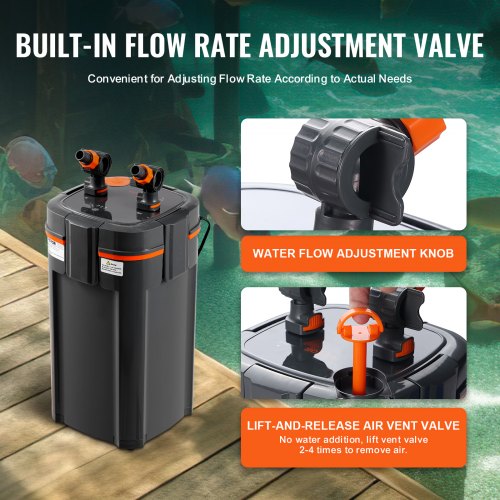
Canister filters sit below the tank. They use hoses to pull water in and push clean water back out.
These filters have strong flow and large media space. Flow can be adjusted with valves or pump controls.
Internal Filters
Internal filters stay inside the aquarium. They use a pump to pull water through filter sponges or cartridges.
You can adjust flow by changing the pump speed or moving the outlet nozzle to control water direction.
Sponge Filters
Sponge filters use air to push water through a sponge. They provide gentle flow and good biological filtration.
Flow can be adjusted by controlling the air pump speed or using an air valve. They are ideal for small tanks.
Undergravel Filters
Undergravel filters pull water down through a plate under the gravel. Water flows up through uplift tubes.
Water flow is controlled by the air pump or powerhead connected to the uplift tubes. They help keep gravel clean.
Credit: www.vevor.ca
Why Flow Rate Matters
The flow rate of an aquarium filter controls how fast water moves through it. This speed affects the whole tank environment. Proper flow keeps fish healthy, plants growing, and water clean.
Adjusting the flow rate helps balance the needs of all aquarium life. Too fast or too slow can cause problems. Understanding flow rate is key to a happy aquarium.
Impact On Fish Health
Fish need water movement that matches their natural habitat. Strong flow can stress some fish and tire them out. Weak flow might not provide enough oxygen or remove waste well.
Proper flow helps fish breathe easily and stay active. It removes harmful chemicals and keeps the water fresh. Adjusting flow based on fish species is important for their well-being.
- High flow suits strong swimmers like danios
- Low flow suits slow swimmers like bettas
- Balanced flow reduces fish stress and disease
Effect On Plant Growth
Aquatic plants need nutrients and carbon dioxide in the water. Flow helps move these around the tank. Too much flow can damage delicate leaves or uproot plants.
Moderate flow supports healthy plant roots and spreads nutrients evenly. It also prevents dead spots where algae or debris can build up. Adjust flow to fit the types of plants in your aquarium.
- Gentle flow helps fragile plants like Java moss
- Stronger flow suits plants with tough stems
- Good circulation prevents algae growth on plants
Water Clarity And Quality
Filter flow moves water through media that traps dirt and waste. Proper flow cleans the water and keeps it clear. Slow flow may let debris settle and dirty the tank.
Fast flow improves filtration but can stir up debris if too strong. Balanced flow helps maintain stable water conditions. It also supports beneficial bacteria that break down toxins.
- Correct flow removes fish waste and uneaten food
- Good circulation supports helpful bacteria growth
- Balanced flow keeps water clear and safe
Signs Of Improper Flow
Aquarium filter water flow is important for healthy fish and clean water. If the flow is too strong or weak, problems can happen.
Watch for signs that the flow needs adjustment to keep your aquarium safe and balanced.
Stress Indicators In Fish
Fish can show stress if the water flow is not right. Too much flow makes swimming hard. Too little flow lowers oxygen levels.
Common signs of stress include fast breathing, hiding, or low activity.
- Gasping at the surface
- Clamped fins
- Loss of appetite
- Erratic swimming
Algae Growth Issues
Improper flow can cause algae problems. Slow flow lets waste settle, feeding algae. Too strong flow may spread algae faster.
Algae can cover tank surfaces and plants, making the aquarium look dirty.
- Green or brown algae on glass
- Algae on plants or decorations
- Cloudy water from algae bloom
Debris Accumulation
Wrong water flow can cause debris to build up. Weak flow fails to move waste to the filter. Strong flow may cause debris to gather in corners.
Debris makes water dirty and can harm fish health.
- Uneaten food on the bottom
- Plant leaves covered in waste
- Dirty spots in low flow areas

Credit: www.amazon.co.uk
Adjusting Flow On Different Filters
Adjusting water flow in your aquarium filter helps keep your fish healthy. Different filters need different flow settings.
Control the flow to match your tank size and fish needs. Too strong flow can stress fish, too weak flow may not clean well.
Using Valves And Knobs
Many filters have valves or knobs to control water flow. Turn these to increase or decrease the flow speed.
Adjust the valve slowly. Watch how your fish react and check if the water moves well through the filter.
- Locate the flow control valve on the filter or tubing
- Turn clockwise to reduce flow
- Turn counterclockwise to increase flow
- Make small adjustments for best results
Modifying Filter Media
Changing or rearranging filter media can affect water flow. Dense media slows flow, while open media lets water pass easily.
Use coarse media for higher flow and fine media for slower flow. You can also add or remove media to adjust the flow.
- Remove some media to increase flow
- Add denser media to decrease flow
- Use sponge or foam for gentle flow
- Check media regularly for clogging
Adding Flow Restrictors
Flow restrictors are small devices that reduce water flow. They fit on the filter output or tubing.
Use restrictors if your filter flow is too strong and you cannot adjust it by valves or media changes.
- Choose a restrictor size that fits your tubing
- Install restrictor on filter output or hose
- Test flow after adding to ensure proper adjustment
- Remove restrictor if flow becomes too low
Tools For Measuring Flow Rate
Adjusting the water flow in your aquarium is important. It helps maintain a healthy environment for your fish. Here are tools and methods to measure flow rate effectively.
Flow Meters
Flow meters are precise instruments used to measure water flow. They provide accurate readings and are easy to use.
| Type | Features |
| Digital Flow Meter | Displays digital readouts |
| Rotameter | Simple and mechanical |
Bucket And Timer Method
This is a simple method to measure flow rate. It only requires a bucket and a timer.
- Place a bucket under the filter output.
- Use a timer to track how long it takes to fill the bucket.
- Calculate the flow rate by dividing the bucket’s volume by the time taken.
Visual Flow Checks
Visual checks can help ensure water is flowing properly. This method does not require any tools.
- Look for steady water movement.
- Check for any blockages in the filter.
- Ensure fish are not struggling against the current.

Credit: www.amazon.com
Tips For Achieving Perfect Flow
Adjusting the water flow in your aquarium filter is key to a healthy tank. The right flow keeps water clean and oxygenated.
Too strong or too weak flow can stress your fish and plants. Use these tips to find the best flow for your setup.
Positioning The Outlet
Place the filter outlet where water can circulate well without creating strong currents. Avoid pointing it directly at fish hiding spots.
- Aim outlet towards the tank surface to increase oxygen.
- Keep flow away from delicate plants to prevent damage.
- Use a spray bar to spread water evenly in larger tanks.
Balancing Flow With Tank Size
Choose a flow rate that matches your tank’s volume. Too high flow can tire fish, too low may not clean well.
| Tank Size (Gallons) | Recommended Flow Rate (Gallons per Hour) |
| 10 | 50 – 100 |
| 20 | 100 – 200 |
| 40 | 200 – 400 |
| 75 | 375 – 750 |
Adjusting For Specific Species
Different fish and plants need different flow levels. Adjust the filter to meet their needs.
- Slow flow for bettas and shrimp, to avoid stress.
- Moderate flow for tetras and live plants to keep water fresh.
- Strong flow for goldfish and cichlids that like moving water.
Common Mistakes To Avoid
Adjusting the water flow in your aquarium filter is important. Many make mistakes that can harm fish and plants.
Let’s explore common errors and how to avoid them. This will help keep your tank healthy and thriving.
Overestimating Flow Needs
Too much water flow can stress fish and disturb plants. It is crucial to assess the needs of your aquarium’s inhabitants.
- Research the ideal flow rate for your fish species.
- Adjust the filter to match the tank size and setup.
- Observe fish behavior for signs of stress from strong currents.
Ignoring Filter Maintenance
Filters need regular maintenance to function well. Ignoring them can lead to poor water quality and unhealthy conditions.
Set a reminder for regular filter checks. Clean or replace parts as needed to maintain efficiency.
Neglecting Tank Layout
The layout of your tank affects water flow. Rocks, plants, and decorations can block or redirect currents.
| Element | Effect on Flow |
| Large Rocks | Block currents |
| Tall Plants | Redirect flow upwards |
| Caves | Create sheltered areas |
Frequently Asked Questions
How Do I Adjust Water Flow In An Aquarium Filter?
To adjust water flow, locate the flow control knob or lever on your filter. Turn it clockwise to reduce flow and counterclockwise to increase flow. Always adjust gradually to avoid stressing fish. Proper flow ensures effective filtration and a healthy aquarium environment.
Why Is Water Flow Adjustment Important For Fish Health?
Water flow affects oxygen levels and waste removal. Too strong flow can stress or harm fish. Too weak flow reduces filtration efficiency. Adjusting flow ensures optimal water circulation, maintaining clean water and a comfortable habitat for all aquarium inhabitants.
Can I Adjust Flow On All Types Of Aquarium Filters?
Most filters, including hang-on-back, canister, and internal types, have flow adjustment options. However, some basic models may lack this feature. Check your filter’s manual for specific instructions. Proper flow control is essential for customizing your aquarium’s environment.
How Often Should I Check And Adjust Aquarium Filter Flow?
Regularly check your filter flow weekly or after maintenance. Adjust if you notice debris buildup or stressed fish. Seasonal changes or tank upgrades may require flow tweaks. Consistent monitoring helps maintain a balanced, healthy aquarium ecosystem.
Conclusion
Adjusting your aquarium filter flow keeps fish healthy and water clear. Too strong a flow can stress your fish. Too weak a flow may not clean well. Find the right balance by watching your fish and plants. Regular checks help maintain water quality.
Small changes can make a big difference. Keep your aquarium peaceful and clean with proper flow settings. Your fish will thank you with better health and activity. Simple steps lead to a happy, thriving tank.