
Setting up the right aquarium filter for your single-species tank is more important than you might think. If you want your fish to thrive and your tank to stay crystal clear, the filter you choose and how you set it up can make all the difference.
You might be wondering which filter works best or how to avoid common mistakes that can harm your aquatic friends. This guide will walk you through everything you need to know to create the perfect environment for your fish. Keep reading, and you’ll learn how to keep your tank healthy, your fish happy, and your water spotless.
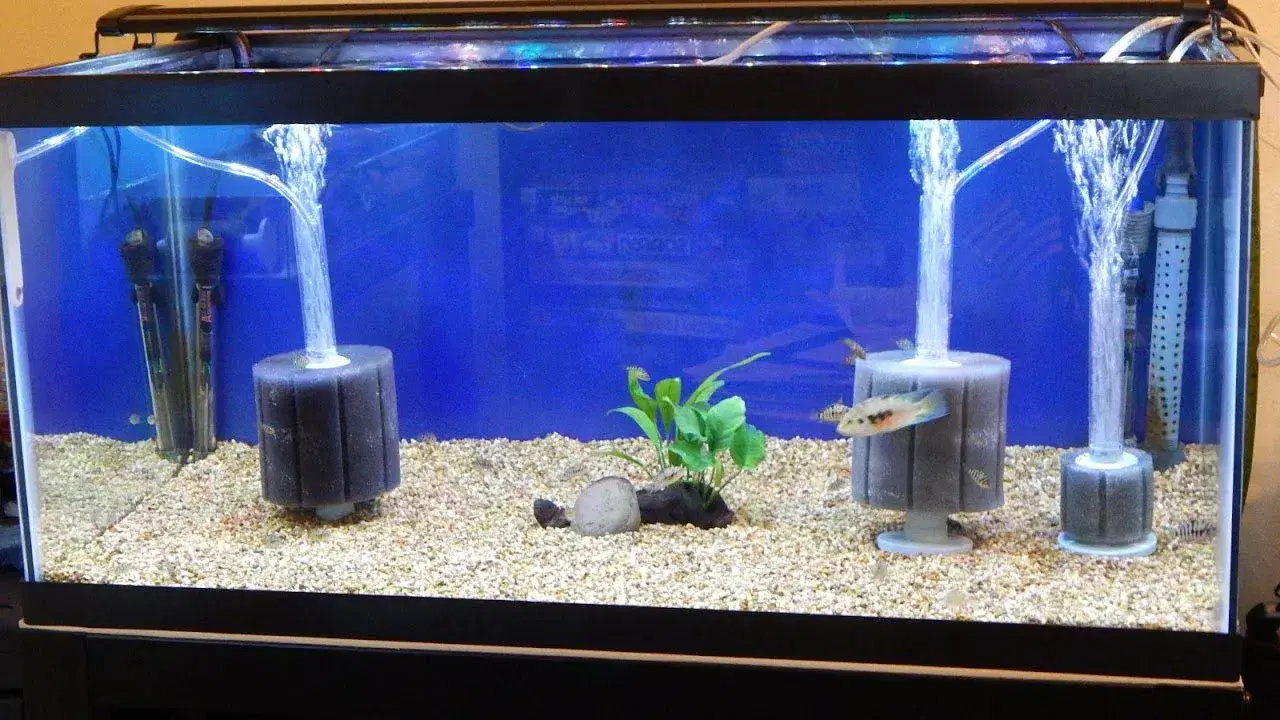
Credit: aquadecorbackgrounds.com
Choosing The Right Filter
Setting up an aquarium filter is key to keeping your tank clean and healthy. The right filter keeps the water clear and safe for your fish.
Single-species tanks have specific needs. Picking the best filter helps maintain a stable environment for your fish.
Types Of Aquarium Filters
There are several filter types to choose from. Each works differently to clean water and remove waste.
- Hang-on-back (HOB) filters:Easy to install and maintain. Good for small to medium tanks.
- Canister filters:Powerful and quiet. Best for larger tanks or heavy fish waste.
- Sponge filters:Gentle filtration using air bubbles. Great for small tanks and fry.
- Internal filters:Placed inside the tank. Suitable for small spaces.
- Undergravel filters:Use gravel as a filter medium. Less common but useful for specific setups.
Filter Size And Capacity
Choose a filter that matches your tank size. A filter too small will not clean well. A filter too big can stress your fish.
| Tank Size | Recommended Filter Flow Rate |
| Up to 10 gallons | 100 to 150 gallons per hour (GPH) |
| 10 to 30 gallons | 150 to 300 GPH |
| 30 to 50 gallons | 300 to 400 GPH |
| 50+ gallons | 400+ GPH |
Compatibility With Single-species Tanks
Some filters suit single-species tanks better than others. Consider the fish type and tank environment.
Factors to check:
- Water flow: Some fish prefer gentle flow, others like strong currents.
- Space: Make sure the filter fits without crowding the tank.
- Noise: Quieter filters reduce stress for sensitive fish.
- Maintenance: Easy-to-clean filters keep water quality steady.
Setting Up The Filter
Setting up a filter for a single-species aquarium helps keep water clean. A good filter supports fish health and water quality.
This guide explains how to place the filter, install filter media, and connect tubing and power.
Placement In The Aquarium
Place the filter where water flows smoothly. Avoid blocking fish swimming space.
Check if the filter suits your tank size. Position it near a power source for easy connection.
- Place the filter at the back or side of the tank
- Ensure water intake and output are not blocked
- Keep the filter fully submerged if required
- Leave space for easy maintenance access
Installing Filter Media
Filter media cleans water by trapping debris and hosting beneficial bacteria. Use the right media for your fish species.
Insert media layers in the correct order for best results. Rinse media before placing it in the filter.
- Start with mechanical media to catch large particles
- Add biological media to grow helpful bacteria
- Use chemical media to remove odors or toxins (optional)
- Do not overpack media to allow water flow
Connecting Tubing And Power
Connect tubing carefully to avoid leaks and ensure good water flow. Secure tubing with clamps if needed.
Plug the filter into a safe power source. Use a drip loop on the cord to prevent water from reaching the outlet.
- Attach tubing firmly to filter intake and output
- Check all connections for tightness
- Use a drip loop to protect electrical safety
- Turn on the filter and watch for proper operation
Maintaining Water Quality
Keeping water clean is very important for single-species aquariums. Good water quality helps fish stay healthy and active.
Using the right filter setup keeps harmful substances away and creates a safe home for your fish.
Mechanical Filtration Techniques
Mechanical filtration removes solid waste and debris from the water. It traps particles like uneaten food and fish waste.
Common mechanical filters use sponges, filter pads, or floss to catch dirt before it harms fish.
- Use fine filter pads for small particles
- Clean or replace pads regularly
- Sponges can be rinsed to keep flow steady
Biological Filtration Importance
Biological filtration uses good bacteria to break down harmful waste. These bacteria turn ammonia into less harmful substances.
Providing a surface for bacteria to grow is key. Biological media like ceramic rings or bio balls help bacteria thrive.
- Good bacteria reduce toxic ammonia and nitrites
- Use porous media to grow more bacteria
- A healthy bacteria colony keeps water safe
Chemical Filtration Options
Chemical filtration removes dissolved chemicals and odors from aquarium water. Activated carbon is a common choice.
Other options include resins that remove specific toxins or soften water. Choose the right media for your tank needs.
- Activated carbon clears discoloration and odors
- Chemical resins target specific pollutants
- Replace media as recommended by manufacturer

Credit: www.reddit.com
Customizing For Different Species
Setting up the right aquarium filter depends on the type of fish you keep. Different species need different water conditions. Choosing the proper filter helps keep fish healthy and water clean.
Understanding the needs of freshwater, saltwater, and sensitive species guides filter choice and maintenance. This ensures a safe environment for your fish.
Filters For Freshwater Fish
Freshwater fish require filters that provide mechanical, biological, and sometimes chemical filtration. These filters remove waste and keep the water clear. Common types include sponge filters, canister filters, and hang-on-back filters.
- Sponge filters are gentle and good for small tanks or fry.
- Canister filters offer strong filtration for larger tanks.
- Hang-on-back filters are easy to maintain and fit most tank sizes.
Filters For Saltwater Fish
Saltwater tanks need filters that handle higher bio-loads and maintain stable salt levels. Protein skimmers help remove organic waste before it breaks down. Live rock also acts as a natural biological filter.
| Filter Type | Purpose | Best For |
| Protein Skimmer | Removes dissolved organics | Marine tanks with fish and corals |
| Live Rock | Biological filtration | Reef and fish-only saltwater tanks |
| Sump Filters | Houses filtration equipment | Large saltwater tanks |
Special Considerations For Sensitive Species
Some species need very clean water and low flow. Sensitive fish like discus and some tropical species require gentle filtration. Filters must not disturb the water too much or stress the fish.
- Use sponge filters or adjustable flow filters for gentle water movement.
- Perform frequent water changes to keep water quality high.
- Avoid chemical filtration unless necessary, as it may harm sensitive fish.
- Check filter media regularly to prevent buildup of waste.
Troubleshooting Common Issues
Setting up an aquarium filter for single-species tanks is easy. Sometimes, small issues can stop it from working well.
Fixing these problems quickly keeps your fish healthy and your tank clean.
Dealing With Filter Noise
Noise from your filter can disturb fish and make your tank less peaceful. Noise often comes from air bubbles or loose parts.
Check if the filter is placed firmly. Remove trapped air by tilting the filter or running it underwater before use.
- Tighten loose screws or parts
- Clear air bubbles inside the filter
- Make sure the filter is fully submerged
- Clean filter components regularly
Preventing Clogs And Blockages
Clogs block water flow and reduce filter performance. They happen when debris builds up inside the filter parts.
Clean filter media and tubes often. Avoid putting large or sticky waste into the tank to help prevent blockages.
- Rinse filter sponges and pads weekly
- Check intake tubes for debris
- Remove uneaten food regularly
- Use pre-filter covers to catch big debris
Handling Reduced Water Flow
Slow water flow lowers oxygen and filter cleaning. It often means something is blocking the filter or pump.
Look for dirt in the impeller or tubes. Clean the parts carefully to restore good water movement.
- Remove and clean the impeller monthly
- Clear tubes of algae or debris
- Check for kinks in the tubing
- Replace worn parts if flow stays low
Enhancing Filter Efficiency
Aquarium filters are crucial for keeping your tank clean. For single-species tanks, filter efficiency is important. Here’s how to enhance it.
Maintaining a good filter setup ensures your fish stay healthy. Let’s explore ways to improve filter performance.
Regular Cleaning Schedules
Regular cleaning is key to efficient filter function. Clean the filter parts often. This prevents blockages and keeps water flowing smoothly.
Follow a routine to maintain your filter. This helps avoid buildup and ensures a healthy environment for your fish.
- Check filter weekly
- Rinse filter media monthly
- Replace filter media as needed
Upgrading Filter Media
Filter media plays a big role in water quality. Upgrading media can improve filtration. Choose media that suits your tank’s needs.
Consider media that targets specific issues like ammonia or nitrates. This will enhance water clarity and health.
- Use activated carbon for clear water
- Bio-media supports beneficial bacteria
- Ammonia remover for improved safety
Using Pre-filters And Additional Accessories
Pre-filters catch larger debris before it reaches the main filter. They help reduce the load on the main filter.
Additional accessories can boost filter efficiency. Consider adding a surface skimmer or sponge filter for better results.
- Pre-filters extend main filter life
- Surface skimmers remove surface debris
- Sponge filters offer extra biological filtration

Credit: glassboxdiaries.com
Frequently Asked Questions
What Is The Best Filter Type For Single-species Tanks?
Canister filters are ideal for single-species tanks. They provide strong mechanical, chemical, and biological filtration. These filters maintain clean water and stable conditions, crucial for single-species health and well-being.
How Often Should I Clean My Aquarium Filter?
Clean your aquarium filter every 2-4 weeks. Avoid over-cleaning to preserve beneficial bacteria. Regular maintenance keeps filtration efficient and water quality high in single-species tanks.
Can A Single-species Tank Use A Sponge Filter?
Yes, sponge filters are excellent for single-species tanks. They offer gentle filtration and aeration, perfect for delicate or small fish. Sponge filters also support beneficial bacteria growth, promoting a healthy tank environment.
Should I Use Chemical Media In A Single-species Filter?
Chemical media like activated carbon can remove toxins and odors. However, use it sparingly to avoid stripping essential trace elements. It’s best for tanks with specific water quality issues or after medication.
Conclusion
Setting up the right aquarium filter helps keep water clean and fish healthy. Choose a filter that matches your tank size and fish needs. Regular cleaning and maintenance keep the filter working well. Good water flow and proper filtration reduce waste and improve fish comfort.
A well-set filter supports a balanced and safe environment for your fish. Simple steps lead to a clear, fresh tank everyone can enjoy. Take time to check your filter often and adjust as needed. Clean water means happy fish and a beautiful aquarium.