
Setting up the right aquarium filter for your multi-species tank can make all the difference between a thriving underwater world and a stressful, unhealthy environment. You want your fish to live happily, but with different species sharing the same space, finding the perfect filter setup can feel overwhelming.
What if you could create crystal-clear water, keep harmful toxins away, and maintain a balanced ecosystem—all without constant hassle? You’ll discover simple, effective tips to choose and set up the ideal filter for your diverse tank. Keep reading to unlock the secrets that will help your aquatic community flourish like never before.

Credit: www.amazon.com
Choosing The Right Filter
Setting up a filter for a multi-species aquarium is very important. It keeps the water clean and safe for all fish.
You must pick a filter that fits your tank and the types of fish you have.
Types Of Aquarium Filters
There are several filters you can use for your aquarium. Each type works in a different way to clean the water.
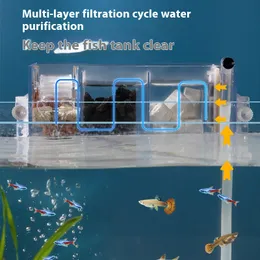
- Hang-on-back (HOB) filters hang outside the tank and pull water through a filter pad.
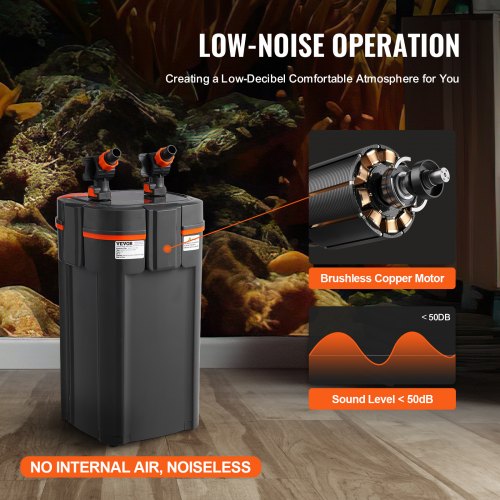
- Canister filters sit below the tank and push water through various filter materials.
- Sponge filters use air bubbles to pull water through a sponge, great for gentle filtration.
- Internal filters sit inside the tank and work quietly to clean water.
- Undergravel filters pull water through the gravel bed, helping with biological filtration.
Filter Capacity And Tank Size
It is important to choose a filter that matches your tank size. A small filter will not clean enough water for a big tank.
Look for filters that can process at least four times the tank’s volume per hour. For example, a 20-gallon tank needs a filter rated for 80 gallons per hour.
- Small tanks (under 20 gallons): small HOB or sponge filters work well.
- Medium tanks (20 to 50 gallons): canister or larger HOB filters are best.
- Large tanks (over 50 gallons): high-capacity canister filters are ideal.
Energy Efficiency Considerations
Energy use is important when choosing a filter. Filters that use less power save money and reduce heat in the tank.
Look for filters with energy-saving motors or adjustable flow settings. This helps you control power use based on your tank needs.
- Choose filters with low wattage motors.
- Adjust flow rate to match tank size and fish load.
- Use filters with energy-saving designs.
- Turn off extra equipment during maintenance to save power.
Credit: www.dhgate.com
Understanding Multi-species Tank Needs
Setting up an aquarium filter for a tank with many species requires special care. Each species has unique needs that affect water quality and tank balance.
Knowing these needs helps keep fish healthy and the tank clean. Filters must handle different wastes and support good water conditions.
Water Quality Requirements
Different fish need different water conditions like pH, temperature, and hardness. The filter must keep these stable for all species.
Good filtration removes harmful chemicals and keeps oxygen levels high. It helps avoid stress and illness in fish.
- Maintain stable pH suitable for all species
- Keep temperature consistent and correct
- Ensure high oxygen levels with good water flow
- Remove toxins like ammonia and nitrites quickly
Waste Production Variations
Different species produce different types and amounts of waste. Some fish eat a lot and produce more waste, affecting filter needs.
A good filter handles both solid waste and dissolved waste. It must be strong enough to clean the tank without stressing fish.
- Heavy waste producers need stronger mechanical filtration
- Biological filtration breaks down harmful chemicals
- Regular cleaning prevents filter clogging
- Consider species diet and waste output
Compatibility Of Species
Species compatibility affects how well the tank stays clean. Some fish disturb the substrate and waste, making filtration harder.
Choose species that live well together and do not stress each other. Stress can cause more waste and water problems.
- Pick species with similar water needs
- Avoid aggressive species that cause stress
- Include bottom dwellers that help clean waste
- Observe behavior and adjust tank setup if needed
Mechanical Filtration Setup
Mechanical filtration removes particles and debris from aquarium water. This process keeps the tank clean and clear. It is essential for multi-species tanks to ensure healthy water conditions.
Setting up mechanical filtration correctly helps protect fish and plants from harmful waste. Proper flow and maintenance improve filtration efficiency and water quality.
Selecting Filter Media
Choose filter media that traps particles but allows water flow. Common media include sponges, floss, and foam pads. Each type captures different sizes of debris.
- Sponge: captures large debris and is easy to clean
- Filter floss: traps fine particles for clearer water
- Foam pads: balance between debris capture and water flow
- Pre-filters: protect pump and extend media life
Positioning For Optimal Flow
Place mechanical filter media where water enters the filter. This setup catches debris before it reaches biological or chemical media. Arrange media layers from coarse to fine for best results.
| Media Type | Position in Filter | Purpose |
| Coarse Sponge | First Layer | Captures large particles |
| Foam Pad | Second Layer | Traps medium debris |
| Filter Floss | Last Layer | Removes fine particles |
Maintenance Tips
Clean mechanical filter media regularly to keep it effective. Avoid harsh soaps or chemicals. Rinse media in tank water to preserve beneficial bacteria.
- Inspect filter media every 2 weeks
- Rinse media gently in aquarium water
- Replace worn or damaged media as needed
- Do not over-clean to protect beneficial bacteria
Credit: www.vevor.com
Biological Filtration Essentials
Biological filtration is key for healthy multi-species aquariums. It helps break down fish waste and keeps water clean.
This process uses good bacteria to change harmful substances into safer ones. Setting up the filter properly supports these bacteria.
Beneficial Bacteria Colonization
Good bacteria grow on surfaces inside the filter. They help remove ammonia and nitrites from the water.
Adding filter media with lots of surface area encourages bacteria growth. Avoid cleaning the media too often to keep bacteria alive.
Media Choices For Biofiltration
Choose filter media that provide space for bacteria. Porous materials let water flow and trap waste.
- Ceramic rings: high surface area for bacteria
- Bio balls: good water flow and bacteria space
- Sponge: traps debris and holds bacteria
- Lava rock: natural and porous for colonization
Use a mix of media for best results. Each type supports bacteria in different ways.
Balancing Nitrification Process
Nitrification turns toxic ammonia into less harmful nitrate. This happens in two steps by bacteria.
Keep water conditions stable for bacteria to work well. Test ammonia, nitrite, and nitrate levels often.
- Keep temperature steady between 72-78°F (22-26°C)
- Maintain pH around 6.5 to 8.0
- Ensure good water flow through filter media
- Limit sudden changes in fish load or feeding
Chemical Filtration Options
Chemical filtration plays a key role in keeping multi-species tanks clean and safe. It removes toxins, odors, and discoloration from the water. Choosing the right chemical media can improve water quality and fish health.
This guide covers common chemical filtration options and tips on using and replacing them for the best results.
Activated Carbon Benefits
Activated carbon is a popular choice for chemical filtration. It absorbs impurities like chlorine, tannins, and harmful chemicals. This helps keep water clear and free of odors.
It also helps reduce discoloration caused by decaying plants or food. Using activated carbon regularly can improve the overall look and health of your tank.
Use Of Zeolite And Other Media
Zeolite is a chemical media that removes ammonia and other toxins. It is very useful in tanks with many fish or new setups. Other media include phosphate removers and resins.
- Zeolite helps control ammonia levels
- Phosphate removers prevent algae growth
- Resins target specific chemicals like heavy metals
- Combine media for best results in multi-species tanks
When To Replace Chemical Media
| Chemical Media | Replacement Frequency | Signs to Replace |
| Activated Carbon | Every 2-4 weeks | Water discoloration returns or odor returns |
| Zeolite | Every 3-4 weeks | Ammonia spikes or reduced water clarity |
| Phosphate Removers | Every 4-6 weeks | Algae growth increases |
Customizing Filtration For Diverse Species
Setting up an aquarium for multiple species requires careful planning. Each species may have unique needs for water flow and oxygen.
Choosing the right filter ensures a healthy environment for all aquatic life. Let’s explore how to customize filtration for various species.
Adjusting Flow Rates
Different fish require different flow rates in their environment. Some fish prefer calm waters, while others thrive in strong currents.
- Guppies need gentle water flow.
- Betta fish prefer a low-flow environment.
- Rainbowfish enjoy strong currents.
Managing Oxygen Levels
Oxygen is crucial for all aquatic life. A good filter helps maintain the right oxygen levels in your tank.
| Species | Oxygen Requirement |
| Goldfish | High |
| Catfish | Moderate |
| Tetras | Low |
Handling Sensitive Species
Some species are more sensitive to changes in their environment. It is important to monitor conditions closely.
Use a water testing kit to regularly check the water quality. Ensuring stable conditions will help sensitive species like Discus and Angelfish thrive.
Filter Maintenance And Troubleshooting
Setting up an aquarium filter for a multi-species tank requires care. Proper maintenance ensures a healthy environment for all aquatic life.
Understanding how to troubleshoot common filter issues can save you time and keep your tank clean. Let’s dive into some essential tips.
Routine Cleaning Schedule
Regular cleaning helps your filter work effectively. A clean filter ensures good water quality for fish and plants.
- Check and clean the filter every two weeks.
- Rinse filter media with tank water, not tap water.
- Inspect and clean the impeller monthly.
Identifying Common Issues
Filters can have problems that affect their performance. Knowing what to look for helps you fix issues quickly.
- Low water flow often means a clogged filter.
- Loud noises can indicate a blocked impeller.
- Unpleasant odors suggest the need for cleaning.
Extending Filter Lifespan
Taking steps to extend your filter’s lifespan saves money and ensures efficiency. Simple practices make a big difference.
- Avoid overfeeding fish to reduce waste.
- Use a pre-filter sponge to catch debris.
- Replace filter parts as recommended by the manufacturer.
Advanced Filtration Techniques
Keeping a multi-species aquarium healthy needs strong filtration. Different fish produce different wastes. This means the filter must handle many types of impurities.
Advanced filtration techniques improve water quality and reduce maintenance. This guide covers multiple filters, UV sterilizers, and automation.
Using Multiple Filters
Using more than one filter spreads the workload. It helps keep water clean and clear in tanks with many species. Each filter can target a different type of waste.
- Use a mechanical filter to catch debris and particles.
- Add a biological filter to break down harmful ammonia and nitrites.
- Include a chemical filter to remove toxins and odors.
- Place filters in different tank areas to improve water flow.
- Check and clean each filter regularly for best results.
Incorporating Uv Sterilizers
UV sterilizers kill harmful bacteria and parasites in the water. They help prevent diseases that can spread quickly in multi-species tanks.
| Benefit | Details |
| Reduces pathogens | Kills bacteria and viruses in water |
| Controls algae | Stops algae spores from growing |
| Improves clarity | Removes tiny particles that cloud water |
| Safe for fish | Does not harm fish or plants directly |
Automating Filter Systems
Automation keeps filters running smoothly without constant checks. Timers and sensors help keep water clean and balanced.
- Use timers to turn filters on and off at set intervals.
- Install water flow sensors to detect blockages or failures.
- Connect alarms to notify you if the filter stops working.
- Automate water changes to reduce waste buildup.
- Monitor water quality with smart devices for early alerts.
Frequently Asked Questions
What Type Of Filter Suits Multi-species Aquariums Best?
A canister filter is ideal for multi-species tanks. It offers powerful mechanical, chemical, and biological filtration. This keeps water clean and balanced for diverse fish species. Canister filters also provide adjustable flow rates to suit different species’ needs effectively.
How Often Should I Clean My Aquarium Filter?
Clean your aquarium filter every 2 to 4 weeks. Regular maintenance prevents clogging and maintains efficient filtration. Avoid over-cleaning to preserve beneficial bacteria. Rinse filter media in tank water, not tap water, to protect the biological balance.
Can One Filter Handle Multiple Fish Species?
Yes, one well-maintained filter can support multiple species. Ensure the filter capacity matches tank size and bioload. Proper filtration reduces toxins and maintains water quality, supporting diverse fish health and behavior in a multi-species aquarium.
What Filtration Media Is Best For Diverse Tanks?
Use a combination of mechanical, biological, and chemical media. Mechanical media traps debris, biological media supports beneficial bacteria, and chemical media removes toxins. This trio ensures clean, healthy water for all species in your multi-species aquarium.
Conclusion
Setting up the right aquarium filter keeps your tank clean and healthy. Good filtration helps remove waste and keeps water clear. Choose a filter that fits your tank size and species needs. Regular cleaning and maintenance keep the filter working well.
A balanced filter setup supports happy, thriving fish and plants. Take time to learn your filter’s features and functions. Enjoy the beauty of a well-maintained multi-species tank every day.