
Are you ready to take your aquarium to the next level? Setting up the right filter is key to keeping your tank clean and your fish healthy.
But if you’re an advanced user, you know that a basic filter just won’t cut it. You need a system that’s efficient, customizable, and reliable. You’ll discover expert tips and techniques to create the perfect aquarium filter setup tailored to your unique needs.
Get ready to unlock the full potential of your aquatic world and enjoy crystal-clear water like never before. Keep reading—you won’t want to miss these game-changing insights.
Choosing The Right Filter
Choosing the right aquarium filter is key for a healthy tank. Filters keep the water clean and safe for fish.
Advanced users should pick filters based on tank size, fish type, and maintenance needs.
Canister Filters
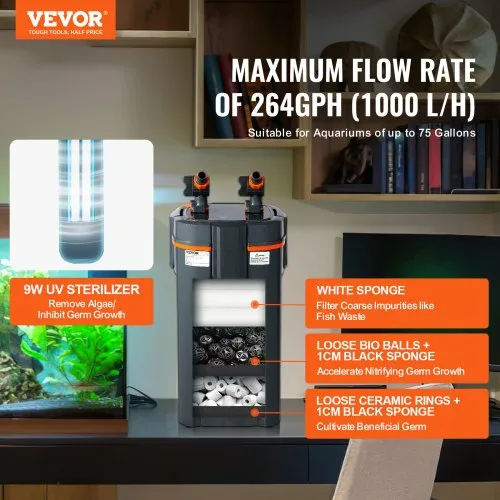
Canister filters sit outside the tank and push water through filter media. They clean water mechanically, chemically, and biologically.
These filters are strong and work well for big tanks. They are quiet but need regular cleaning.
- Good for large aquariums
- Provides multi-stage filtration
- Requires space outside the tank
- Needs regular maintenance
Sponge Filters
Sponge filters use air to pull water through a sponge. They mainly offer biological filtration.
These filters are gentle and safe for small fish or shrimp. They are low cost and easy to clean.
- Best for small tanks and fry
- Air-driven, no electricity needed
- Provides good biological filtration
- Easy to maintain and clean
Hang-on-back Filters
Hang-On-Back (HOB) filters hang on the tank’s back. They pull water up and push it through filter media.
HOB filters are simple to install and good for medium tanks. They offer mechanical and chemical filtration.
- Easy to install and access
- Good for small to medium tanks
- Offers mechanical and chemical filtration
- Requires electricity to run
Undergravel Filters
Undergravel filters pull water down through gravel. They use gravel as a natural filter medium.
These filters provide biological filtration and need an air pump or powerhead to work well.
- Uses gravel for natural filtration
- Good biological filtration
- Needs additional equipment to run
- Hard to clean and maintain

Credit: www.amazon.com
Filter Media Selection
Choosing the right filter media is key for a healthy aquarium. It keeps the water clean and safe for fish.
Advanced users must balance different media types. This helps remove dirt, toxins, and harmful bacteria.
Mechanical Media Options
Mechanical media traps solid waste and debris. It stops particles from floating in the water.
Common mechanical media include sponges, filter floss, and foam pads. They vary in thickness and pore size.
- Sponges clean large debris and are reusable.
- Filter floss traps fine particles but needs frequent replacement.
- Foam pads offer good water flow and particle capture.
Biological Media Choices
Biological media support beneficial bacteria growth. These bacteria break down harmful ammonia and nitrites.
Materials like ceramic rings, bio balls, and porous rocks work well. They have large surface areas for bacteria.
- Ceramic rings have tiny holes for bacteria to live inside.
- Bio balls provide space and airflow for bacteria growth.
- Porous rocks are natural and support diverse bacteria colonies.
Chemical Media Types
Chemical media remove dissolved impurities and toxins. They improve water clarity and quality.
Activated carbon, zeolite, and phosphate removers are common choices. Each targets different chemicals in water.
- Activated carbon absorbs odors, discoloration, and chemicals.
- Zeolite traps ammonia and other nitrogen compounds.
- Phosphate removers lower phosphate levels to reduce algae.
Customizing Filter Flow
Setting up an aquarium filter is crucial for a healthy fish environment. Advanced users can customize filter flow for better results.
Customizing the flow can help reduce waste and improve water quality. Let’s explore some methods to achieve this.
Adjusting Flow Rate
Flow rate is the speed at which water moves through the filter. Adjusting this can make a big difference in your tank.
Use the filter’s settings to increase or decrease the flow. Watch how your fish react to find the perfect speed.
- Higher flow for larger tanks
- Lower flow for delicate fish
- Adjust based on plant needs
Preventing Dead Zones
Dead zones are areas where water does not circulate well. These can lead to poor water quality and algae growth.
Position your filter outlets strategically to avoid these zones. This ensures water moves evenly throughout the tank.
- Move decorations to improve flow
- Use powerheads for extra circulation
- Check for blockages regularly
Enhancing Oxygenation
Oxygen is vital for fish and plants in the aquarium. Enhancing oxygenation helps keep the tank environment healthy.
Adjust the filter output to create surface agitation. This increases the oxygen exchange between air and water.
- Install an air stone for extra bubbles
- Ensure good surface movement
- Choose filters with oxygenation features

Credit: www.amazon.com
Advanced Filtration Techniques
Advanced aquarium filtration improves water quality and fish health. Using more than one method keeps the tank cleaner for longer.
These techniques target different types of waste. They help keep the environment safe for aquatic life.
Multi-stage Filtration Setup
Multi-stage filtration uses several layers to clean water. Each stage removes different impurities. This keeps water clear and healthy.
- Mechanical filtration traps large particles like debris.
- Chemical filtration removes toxins using activated carbon or resins.
- Biological filtration grows beneficial bacteria to break down waste.
- Final polishing filters remove fine particles for crystal clear water.
Using Uv Sterilizers
UV sterilizers kill harmful microorganisms in the water. They help control algae, bacteria, and parasites. The water passes by a UV light inside the unit.
| Benefit | Description |
| Algae Control | Reduces green water and algae growth |
| Bacteria Reduction | Kills harmful bacteria that cause diseases |
| Parasite Control | Prevents spread of parasites in the tank |
| Water Clarity | Improves overall water transparency |
Incorporating Protein Skimmers
Protein skimmers remove organic waste before it breaks down. They create tiny bubbles that attract proteins and debris. The waste collects in a cup for easy removal.
- Reduces ammonia and nitrate levels
- Improves oxygen exchange
- Helps maintain stable water chemistry
- Supports healthy coral and fish growth
Maintenance Strategies
Keeping your aquarium filter in good shape helps your fish stay healthy. Regular care improves water quality and filter life.
This guide covers cleaning tips, media replacement, and fixing common problems in aquarium filters.
Routine Cleaning Tips
Clean your filter regularly to avoid clogs and poor water flow. Use gentle methods to keep beneficial bacteria alive.
- Turn off and unplug the filter before cleaning.
- Rinse filter media in old tank water, not tap water.
- Remove debris from filter intake and impeller areas.
- Check hoses and connections for blockages.
- Clean the filter housing with a soft brush or sponge.
Media Replacement Schedule
Filter media needs replacement on a set schedule to keep the filter working well. Each type of media lasts different times.
| Media Type | Replacement Interval | Notes |
|---|---|---|
| Mechanical (sponges, pads) | Every 2-4 weeks | Rinse regularly to avoid clogging |
| Chemical (activated carbon) | Every 3-4 weeks | Replace often to keep water clear |
| Biological (bio balls, ceramic rings) | Every 6-12 months | Rinse gently; replace only if damaged |
Troubleshooting Common Issues
Filters may stop working properly. Check these issues to fix them fast.
Cause:
Fix:
Problem:
Cause:
Fix:
Problem:
Cause:
Fix:
Optimizing For Different Aquariums
Choosing the right aquarium filter setup depends on the type of aquarium you have. Each aquarium type has unique needs for water flow, filtration, and maintenance.
This guide explains how to optimize filters for freshwater tanks, saltwater tanks, planted aquariums, and cichlid setups.
Freshwater Tanks
Freshwater tanks usually need filters that handle moderate water flow. Mechanical and biological filtration are most important here. The filter should remove debris and support helpful bacteria.
Choose filters that are easy to clean and maintain. Canister filters and hang-on-back filters work well for most freshwater tanks.
Saltwater Tanks
Saltwater tanks require stronger filtration due to higher waste from fish and coral. Protein skimmers help remove organic waste before it breaks down.
Use filters with biological, mechanical, and chemical filtration. Powerheads can improve water flow, mimicking ocean currents.
- Protein skimmers for organic waste removal
- Live rock for natural biological filtration
- Powerheads for better water circulation
Planted Aquariums
Planted aquariums need gentle water flow to avoid disturbing plants. Filters should provide clean water without removing nutrients needed by plants.
Canister filters with adjustable flow are ideal. Avoid filters that create strong currents. Use filter media that supports beneficial bacteria but does not remove fertilizers.
- Low flow rate to protect plants
- Biological media for bacteria growth
- Avoid chemical media that remove nutrients
Cichlid Setups
Cichlids produce a lot of waste. Filters must handle heavy biological and mechanical filtration. Strong water flow helps keep the tank clean.
Use large canister filters or sump systems. Include coarse mechanical media to trap debris. Regular filter maintenance is important to keep water quality high.
- High capacity filters for heavy waste
- Strong water flow for cleanliness
- Regular cleaning to prevent clogging
Energy Efficiency And Noise Control
Setting up an aquarium filter can be complex. Advanced users focus on energy efficiency and noise control for a better environment.
These elements help maintain a peaceful and cost-effective aquarium setup.
Choosing Energy-saving Filters
Energy-saving filters are key to reducing electricity bills. They also help in conserving energy resources.
- Look for filters with energy-efficient ratings.
- Choose models with adjustable flow rates.
- Consider filters with automated shut-off features.
Reducing Operational Noise
Noise control is important for both fish and owners. Quiet environments help in creating a serene atmosphere.
| Noise Reduction Tips | Benefits |
| Place filter on a soft mat | Reduces vibrations |
| Use insulated cabinets | Dampens sound |
| Regular maintenance | Ensures smooth operation |
Upgrading And Modifying Filters
Upgrading your aquarium filter helps keep your water clean and healthy. Modifying filters lets you customize the system to fit your tank’s needs.
This guide covers ways to improve filter performance with DIY changes, automation, and backup plans.
Diy Filter Enhancements
You can improve filter efficiency by adding new materials or adjusting flow rates. Simple upgrades often cost less and work well.
- Add activated carbon to reduce odors and chemicals.
- Use bio balls to increase beneficial bacteria growth.
- Install a pre-filter sponge to catch large debris.
- Adjust the output nozzle for better water circulation.
- Clean or replace filter media regularly to maintain flow.
Integrating Automation
Automation can save time and keep your filter running smoothly. Timers and sensors help control filter cycles and water quality.
| Automation Tool | Purpose | Benefit |
| Timer | Turns filter on/off at set times | Saves energy and extends filter life |
| Water sensor | Monitors water quality | Alerts when maintenance is needed |
| Automatic feeder | Feeds fish regularly | Reduces leftover food in water |
Adding Backup Systems
Backup filters keep your aquarium safe during power outages or failures. Having extra equipment prevents water problems.
- Use a battery-powered air pump to keep water oxygenated.
- Keep a spare filter ready for quick replacement.
- Set up a secondary filter on a separate power source.
- Test backups regularly to ensure proper operation.
Credit: www.vevor.ca
Frequently Asked Questions
How To Choose The Best Filter For Advanced Aquarium Setups?
Select a filter based on tank size, fish species, and water flow needs. Consider multi-stage filtration for superior water quality. Advanced users often prefer canister or sump filters for customization and efficiency.
What Maintenance Is Essential For Advanced Aquarium Filters?
Regularly clean filter media without removing beneficial bacteria. Replace worn parts promptly and monitor water parameters weekly. Advanced setups benefit from scheduled deep cleaning to ensure optimal performance.
How To Optimize Water Flow In Advanced Aquarium Filters?
Adjust flow rate to suit fish and plant requirements. Use spray bars or diffusers for even distribution. Proper flow prevents dead zones and promotes healthy oxygen levels.
Can Advanced Filters Support Reef Aquariums Effectively?
Yes, advanced filters like protein skimmers and refugiums help maintain water quality. They remove organic waste and support beneficial organisms, essential for reef health.
Conclusion
Setting up an aquarium filter correctly keeps fish healthy and water clean. Choose the right filter for your tank size and fish type. Regular cleaning and maintenance help your filter work well. Watch water flow and filter media to avoid problems.
A good setup saves time and keeps your aquarium beautiful. Enjoy a clear, safe home for your aquatic pets. Keep learning and adjusting for the best results. Your fish will thank you with vibrant colors and happy swimming.