
Is your aquarium water looking cloudy or smelling off? It might be time to replace your aquarium filter.
Keeping your filter in top shape is key to a healthy, vibrant tank. But how do you know when to replace it, and what’s the best way to do it without stressing your fish? This guide will walk you through everything you need to know about aquarium filter replacement.
By the end, you’ll feel confident maintaining a clean and safe environment for your aquatic friends. Keep reading to discover simple tips and expert advice that make filter replacement easy and effective.
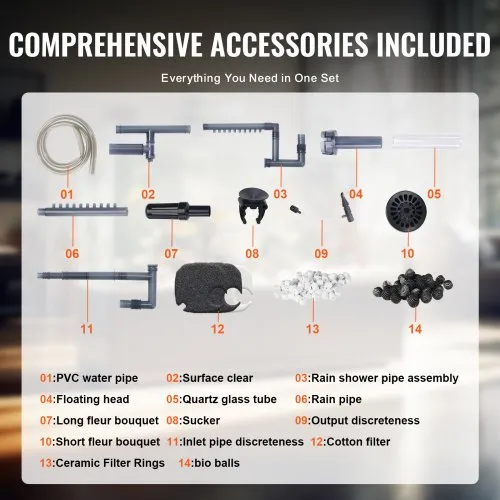
Credit: www.vevor.ca
Signs To Replace Aquarium Filter
Your aquarium filter keeps the water clean and healthy for fish. It needs regular checks to work well.
Watch for signs that show your filter needs to be replaced soon. This guide helps you know when.
Reduced Water Flow
One sign to replace the filter is slow water flow. The filter may be clogged with dirt or debris.
Slow water flow means the filter cannot clean the water well. Fish may get sick without good water flow.
Unpleasant Odors
Bad smells from the aquarium can mean the filter is dirty or worn out. The filter stops working well.
- Check for fish waste build-up.
- Notice if water smells foul or sour.
- Replace filter if odors stay after cleaning.
Visible Debris
Look inside the filter for large debris or dirt. Visible particles mean the filter media is full or broken.
Cleaning the filter media may help, but if debris stays, replace the filter to keep water clean.
Filter Media Wear
| Filter Media Type | Signs of Wear | Replacement Frequency |
|---|---|---|
| Foam Pads | Cracks, tears, or loss of shape | Every 3-6 months |
| Carbon Packs | Loss of black color, reduced odor removal | Every 4 weeks |
| Ceramic Rings | Clogged or heavy algae growth | Every 6-12 months |

Credit: glassboxdiaries.com
Choosing The Right Replacement Filter
Replacing your aquarium filter keeps the water clean and fish healthy. Picking the right filter can be tricky. This guide helps you make the best choice for your tank.
We will look at different filter types, matching filters to tank sizes, and choosing the right filter media. Understanding these will help your aquarium thrive.
Filter Types
Aquarium filters come in many forms. Each type cleans the water differently. Knowing the options helps you find the best fit.
- Hang-on-back (HOB) filters:Easy to install, good for small to medium tanks.
- Canister filters:Powerful and quiet, ideal for large tanks.
- Internal filters:Placed inside the tank, best for small tanks.
- Sponge filters:Gentle filtration, suitable for fry and shrimp tanks.
- Undergravel filters:Use gravel as filter media, good for biological filtration.
Compatibility With Aquarium Size
Size matters when choosing a filter. Too small a filter will not clean well. Too large may stress the fish or waste power.
| Aquarium Size | Recommended Filter Type | Flow Rate (Gallons Per Hour) |
|---|---|---|
| Up to 10 gallons | Internal or Sponge Filter | 100-150 GPH |
| 10 to 30 gallons | Hang-on-back (HOB) Filter | 150-300 GPH |
| 30 to 75 gallons | Canister Filter | 300-500 GPH |
| 75 gallons and above | Canister or Multiple Filters | 500+ GPH |
Filter Media Options
Filter media clean water in three ways: mechanical, chemical, and biological. Choosing the right media keeps your tank balanced.
- Mechanical:Sponges or pads that catch dirt and debris.
- Chemical:Activated carbon removes odors and toxins.
- Biological:Ceramic rings or bio-balls support good bacteria.
Preparing For Filter Replacement
Replacing an aquarium filter helps keep your tank clean and fish healthy. Proper preparation makes the process smooth and safe for your aquatic pets.
Before starting, gather what you need and follow steps to protect your aquarium’s environment.
Gathering Necessary Tools
Having the right tools ready saves time and avoids mistakes. Prepare all items before you begin.
- Replacement filter cartridge or media
- Bucket or container for old filter parts
- Clean cloth or paper towels
- Gloves to keep hands clean
- Fresh water for rinsing filter parts
- Scissors or knife to open packaging
Turning Off Equipment
Switch off the filter and any connected electrical devices. This protects you from shock and prevents water damage.
| Equipment | Action |
|---|---|
| Filter | Unplug and turn off power |
| Heater | Turn off or unplug to avoid damage |
| Air Pump | Switch off to stop airflow |
Maintaining Water Conditions
Keep the water stable during filter replacement to avoid stressing your fish. Check temperature and water level often.
- Test water temperature before and after
- Do not remove too much water at once
- Keep water clean by avoiding sudden changes
- Replace filter quickly to restore filtration
Step-by-step Filter Replacement
Replacing your aquarium filter keeps the water clean and fish healthy. Follow these clear steps for a smooth filter change.
Each step helps maintain your tank’s balance. Take time to do it carefully and safely.
Removing Old Filter
First, unplug the filter from the power source. This stops the water flow and protects you from electric shock.
Next, gently remove the filter unit from the aquarium. Place it over a sink or bucket to catch any dripping water.
Cleaning Filter Components
Rinse filter parts using tank water, not tap water. This keeps beneficial bacteria alive.
- Remove the filter media gently.
- Swish media in a bowl of aquarium water.
- Clean the filter housing with a soft brush.
- Do not use soap or chemicals.
Installing New Filter Media
Place the new filter media in the filter compartment. Follow the order recommended by the manufacturer.
| Media Type | Purpose |
| Mechanical | Traps debris and particles |
| Chemical | Removes toxins and odors |
| Biological | Supports beneficial bacteria |
Reassembling The Filter
After installing the new media, put the filter parts back together. Make sure all seals and locks are secure.
Plug in the filter and check for leaks. Watch the water flow to confirm the filter runs smoothly.
Post-replacement Care
Replacing your aquarium filter is just the start of keeping your tank healthy. Proper care after replacement helps your fish and plants stay safe.
Follow these simple steps to make sure your new filter works well and your water stays clean.
Restarting The Filter
After installing the new filter, plug it in and check if it runs smoothly. Listen for any strange noises that might mean a problem.
Make sure the water flows through the filter as it should. If it does not, turn off the filter and check the parts again.
Monitoring Water Quality
Keep a close eye on your water after replacing the filter. Test the water daily for the first week to catch any issues early.
- Check ammonia, nitrite, and nitrate levels
- Watch for cloudiness or strange smells
- Look for changes in fish behavior
Routine Maintenance Tips
Regular cleaning keeps your filter working well and your tank healthy. Clean filter parts as the manufacturer advises.
Replace filter media on time and avoid over-cleaning beneficial bacteria. Keep a schedule to maintain good water quality.
- Rinse filter sponges in tank water only
- Change carbon or chemical media monthly
- Check filter flow rate every week
- Keep the filter motor free from debris
Common Mistakes To Avoid
Aquarium filter replacement is crucial for a healthy fish environment. Many people make mistakes when replacing filters. Avoid these common errors to keep your aquarium thriving.
Understanding the right techniques can prevent harm to your fish. Here are some mistakes to watch out for during filter replacement.
Overcleaning Filter Media
Overcleaning filter media can remove beneficial bacteria. These bacteria help break down waste in your aquarium. Clean the filter media gently and not too often.
Use aquarium water to rinse the media. Avoid using tap water as it can kill the bacteria.
- Rinse media lightly, not scrub
- Use aquarium water for cleaning
- Keep cleaning intervals reasonable
Delaying Replacement
Delaying filter replacement can harm your aquarium’s health. Over time, filters lose their efficiency. Replace them regularly to maintain water quality.
Check the manufacturer’s guidelines for replacement schedules. Stick to these timelines for the best results.
- Follow replacement schedule
- Monitor filter performance
- Keep spare filters ready
Ignoring Manufacturer Instructions
Manufacturer instructions are there to guide you. Ignoring them can lead to improper filter use. Always read and follow the instructions provided.
The instructions include installation, maintenance, and replacement guidelines. Adhering to them ensures your filter works effectively.
- Read instructions carefully
- Follow installation steps
- Adhere to maintenance tips

Credit: www.completekoi.com
Frequently Asked Questions
How Often Should I Replace My Aquarium Filter?
Replace your aquarium filter every 4 to 6 weeks. Frequent replacement ensures clean water and healthy fish. Check the manufacturer’s recommendations for specific filter types. Timely changes prevent clogging and maintain optimal filtration efficiency.
What Are Signs Of A Clogged Aquarium Filter?
Signs include reduced water flow, strange noises, and cloudy water. Fish may appear stressed or sick. Regular inspection helps spot clogging early. Clean or replace the filter media promptly to maintain water quality.
Can I Reuse Aquarium Filter Media During Replacement?
Some filter media can be rinsed and reused. Avoid using tap water; rinse with aquarium water instead. Replace carbon or chemical media regularly as they lose effectiveness. Reusing mechanical media like sponges is usually safe if cleaned properly.
Is It Necessary To Replace All Filter Parts Together?
Not always; mechanical and chemical media need frequent changes. Biological media can last longer and should be preserved. Replace parts based on wear and manufacturer advice. Proper maintenance ensures balanced filtration and a healthy aquarium.
Conclusion
Changing your aquarium filter keeps your fish healthy and water clean. Regular replacement stops harmful buildup and maintains good water flow. Follow the steps carefully to avoid mistakes. Choose the right filter for your tank size and fish type. Remember, clean water means happy fish.
Keep an eye on filter condition and replace it on time. Small effort, big benefits for your aquarium’s health. Simple care helps your fish live longer and thrive. Stay consistent, and enjoy a clear, safe tank every day.