
If you want your aquarium to stay clean and your fish to stay healthy, knowing when to replace your filter media is key. You might be wondering how often you should swap out those sponges, cartridges, or bio-balls.
Replace them too soon, and you waste money; wait too long, and your water quality can suffer. You’ll discover a simple, easy-to-follow schedule for replacing your aquarium filter media. By the end, you’ll have the confidence to keep your tank crystal clear and your aquatic friends thriving.
Keep reading to learn how to protect your underwater world with the right timing.
Types Of Aquarium Filter Media
Aquarium filter media helps keep water clean and safe for fish. It removes dirt, waste, and harmful chemicals from the water.
There are three main types of filter media: mechanical, biological, and chemical. Each one has a special job in the filter system.
Mechanical Media
Mechanical media traps solid particles like fish waste and uneaten food. It stops these particles from floating in the water.
Common mechanical media includes sponges, filter floss, and foam pads. They need regular cleaning or replacement to work well.
- Sponges catch large debris
- Filter floss traps fine particles
- Foam pads provide surface area for trapping dirt
Biological Media
Biological media holds good bacteria that break down harmful waste. These bacteria turn toxic ammonia into less harmful substances.
Materials like ceramic rings, bio balls, and porous stones are used for biological media. They have many tiny holes for bacteria to grow.
- Ceramic rings have a rough surface for bacteria
- Bio balls provide large area for bacteria
- Porous stones allow water to flow through easily
Chemical Media
Chemical media removes dissolved impurities and odors from the water. It cleans things that mechanical and biological media cannot catch.
Activated carbon, zeolite, and phosphate removers are common chemical media. They help keep the water clear and healthy for fish.
- Activated carbon absorbs chemicals and odors
- Zeolite removes ammonia from freshwater tanks
- Phosphate removers reduce algae growth
Credit: crossroadoc.org
Signs You Need To Replace Filter Media
Filter media keeps aquarium water clean by trapping dirt and harmful substances. Over time, it gets dirty and stops working well. Knowing when to change it helps keep fish healthy.
Watch for certain signs that tell you the filter media needs replacing. These signs show the filter is not cleaning the water properly.
Decreased Water Flow
If water flows slower through the filter, it may mean the media is clogged. Clogged media blocks water and reduces cleaning power.
Check the filter for debris or buildup. Clean or replace the media to restore good water flow and filtration.
Unpleasant Odors
Bad smells from the aquarium often mean the filter media is dirty. Old media can trap waste and cause odors.
Replace the filter media to remove the source of the smell and keep the tank fresh.
Cloudy Water
Cloudy or murky water shows the filter media is not cleaning well. Dirty media loses the ability to clear particles.
Replacing the media helps improve water clarity and creates a better environment for fish.
Increased Ammonia Or Nitrate Levels
High ammonia or nitrate levels mean the filter media is not removing harmful chemicals. Old media cannot support beneficial bacteria well.
Test water regularly and replace media to keep chemical levels safe for fish.
Recommended Replacement Intervals
Keeping your aquarium filter media fresh is key to a healthy tank. Old media can reduce water quality. Knowing when to replace each type helps maintain clear and safe water for your fish.
Different filter media types last for different periods. This guide covers mechanical, biological, and chemical media lifespans. Follow these intervals to keep your aquarium clean.
Mechanical Media Lifespan
Mechanical media traps debris and particles from the water. It usually clogs first and needs frequent cleaning or replacement. Replace mechanical media every 3 to 4 weeks to avoid blockages.
- Foam pads: replace every 4 weeks
- Filter floss: replace every 2 to 3 weeks
- Sponges: clean regularly, replace every 4 to 6 weeks
Biological Media Lifespan
Biological media houses beneficial bacteria that break down waste. It lasts longer than mechanical media but still needs monitoring. Replace biological media every 6 to 12 months to keep bacteria healthy.
| Type | Replacement Interval | Notes |
| Ceramic Rings | 12 months | Rinse gently in tank water only |
| Bio Balls | 6-12 months | Replace if damaged or clogged |
| Foam Bio Pads | 6 months | Clean regularly, replace if worn |
Chemical Media Lifespan
Chemical media removes toxins and impurities from the water. It loses effectiveness as it absorbs substances. Replace chemical media according to product instructions, usually every 4 to 6 weeks.
- Activated carbon: replace every 4 weeks
- Zeolite: replace every 4 to 6 weeks
- Phosphate removers: replace every 4 to 6 weeks

Credit: www.reddit.com
How To Replace Filter Media Correctly
Changing aquarium filter media keeps your tank clean and healthy. Proper replacement helps maintain water quality.
Replacing the media at the right time and in the right way protects beneficial bacteria. These bacteria help break down fish waste.
Step-by-step Replacement Process
Start by turning off the filter and unplugging it from power. Remove the filter media carefully without spilling debris.
Replace old media with new ones, following the order in the filter. Put back the filter parts and turn the filter on.
- Turn off and unplug the filter
- Remove old filter media carefully
- Insert new filter media in correct order
- Reassemble the filter
- Plug in and turn on the filter
Avoiding Disruption To Beneficial Bacteria
Beneficial bacteria live in the filter media and help clean the water. Replacing all media at once can kill these bacteria.
Change only a part of the filter media at a time. This keeps some bacteria alive to keep the tank balanced.
- Replace one-third of the media at once
- Keep old media to preserve bacteria
- Use tank water to rinse media
- Avoid using tap water on bacteria media
Cleaning Tips Before Replacement
Clean filter parts gently before adding new media. Use tank water to rinse filter sponges and foam.
Do not scrub hard or use soap. Hard cleaning can remove good bacteria and harm the tank’s ecosystem.
- Use tank water for rinsing
- Do not use soap or chemicals
- Handle media gently
- Remove debris carefully
Maintaining Filter Media For Longevity
Filter media is key to keeping aquarium water clean. It traps waste and helps good bacteria grow.
Replacing and cleaning filter media on time keeps your aquarium healthy. It also extends the media’s life.
Regular Cleaning Schedule
Clean your filter media regularly to stop buildup. This keeps the filter working well and water clear.
Rinse media in tank water, not tap water. Tap water can kill helpful bacteria.
- Check media every 2-4 weeks
- Rinse with aquarium water only
- Replace media if damaged or very dirty
Using Multiple Media Types
Use different types of media for best results. Each type cleans water in a special way.
Mechanical media traps particles. Biological media grows good bacteria. Chemical media removes toxins.
- Mechanical: sponges, pads
- Biological: ceramic rings, bio balls
- Chemical: activated carbon, resins
Monitoring Water Parameters
Test water often to see if filter media works well. Bad water means media needs attention.
Check ammonia, nitrite, nitrate, and pH levels. Stable numbers show good filter performance.
- Test weekly for new tanks
- Test every 2 weeks for established tanks
- Change or clean media if levels rise
Common Mistakes To Avoid
Replacing aquarium filter media is important for clean water. Mistakes can harm your fish.
Learn how to avoid common errors and keep your aquarium healthy.
Replacing All Media At Once
Changing all filter media at once can shock your aquarium. Beneficial bacteria live in the media. They help break down waste. Replacing all at once removes these helpful bacteria.
- Replace only part of the media at a time
- Allow bacteria to grow back
- Keep water quality stable
Using Harsh Cleaning Agents
Using strong cleaners can harm your fish. Chemicals can leave residues that are toxic. Always rinse media with aquarium water.
| Action | Alternative |
| Using bleach | Rinse with aquarium water |
| Using soap | Use plain water |
| Using hot water | Use lukewarm water |
Ignoring Manufacturer Guidelines
Manufacturers provide instructions for a reason. Ignoring guidelines can lead to errors. Follow the steps they recommend for best results.
Choosing The Right Media For Your Aquarium
An aquarium’s filter media is crucial for maintaining water quality. Choosing the right media helps keep fish healthy. Select carefully based on your tank’s needs.
Different types of media serve various functions. Understand what your aquarium requires for optimal performance.
Matching Media To Tank Size And Bioload
Aquariums with larger volumes and more fish need stronger filtration. The media should match the size and bioload for efficiency.
| Tank Size | Media Type |
| Small (up to 20 gallons) | Carbon filters |
| Medium (20-50 gallons) | Bio-balls |
| Large (over 50 gallons) | Ceramic rings |
Specialized Media Options
Specialized media provide specific benefits like removing toxins or increasing water clarity. Choose based on your aquarium’s unique needs.
- Ammonia-removing resin
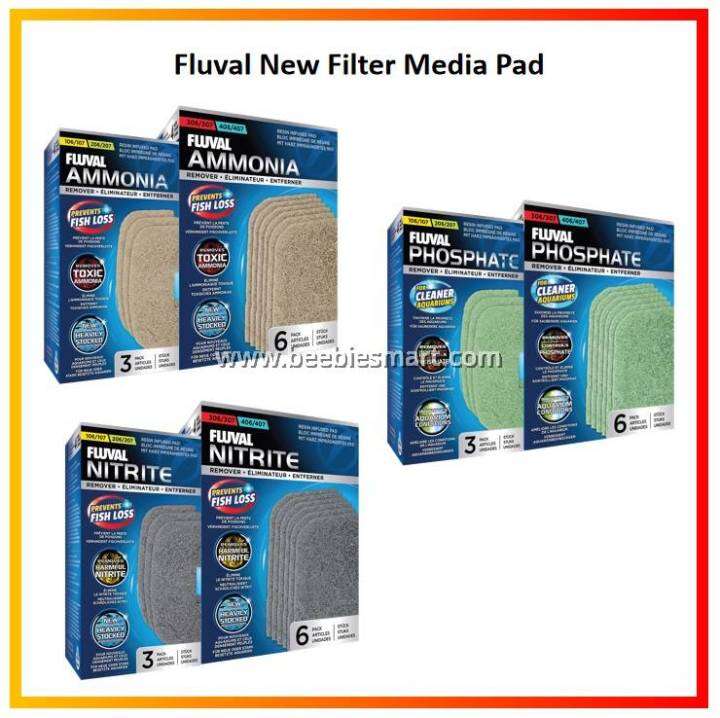
- Phosphate absorbent pads
- Peat moss for lowering pH
Budget Considerations
Filter media costs vary widely. Budget-friendly options are available, but consider long-term effectiveness and replacement frequency.

Credit: www.walmart.com
Frequently Asked Questions
How Often Should I Replace Aquarium Filter Media?
Replace mechanical filter media every 2-4 weeks, chemical media monthly, and biological media every 6-12 months. Regular replacement ensures optimal filtration and a healthy aquarium environment.
What Happens If I Delay Filter Media Replacement?
Delaying filter media replacement reduces filtration efficiency, leading to poor water quality. This can cause harmful toxin buildup and stress your fish, risking their health and the tank’s ecosystem.
Can I Clean Filter Media Instead Of Replacing It?
Yes, mechanical and biological media can be gently rinsed in tank water to remove debris. Avoid using tap water to preserve beneficial bacteria. Chemical media usually needs full replacement for effectiveness.
Which Filter Media Type Needs The Most Frequent Replacement?
Mechanical media requires the most frequent replacement, typically every 2-4 weeks. It traps solid waste and debris, clogging quickly and reducing filter performance if not replaced regularly.
Conclusion
Regularly changing your aquarium filter media keeps water clean and fish healthy. Follow a clear schedule to avoid problems like bad smells or cloudy water. Different filter types need different replacement times. Watch your fish and water closely for signs of trouble.
Clean or replace media on time to help your aquarium thrive. A simple routine makes tank care easier and more effective. Stay consistent, and your fish will enjoy a safe home every day.