
Keeping your aquarium clean and healthy starts with one simple habit: maintaining your filter regularly. If you want clear water, happy fish, and a thriving tank, following a proper aquarium filter maintenance schedule is a must.
But how often should you clean or replace your filter? What signs tell you it’s time to act? This guide will help you understand exactly when and how to care for your filter, so you can avoid common problems and enjoy a beautiful underwater world every day.
Ready to make filter maintenance easy and stress-free? Let’s dive in.
Credit: www.vevor.com
Types Of Aquarium Filters
A clean aquarium keeps fish healthy and water clear. Filters help remove waste and harmful substances. There are three main types of aquarium filters.
Understanding each type helps you choose the right filter for your tank. Each filter works in a different way to keep the water safe.
Mechanical Filters
Mechanical filters remove solid waste from the water. They catch debris like fish waste, uneaten food, and plant material. This keeps the water clear and stops dirt from building up.
- Use sponges, pads, or floss to trap particles
- Need regular cleaning to stay effective
- Prevent clogging in other filter parts
Biological Filters
Biological filters use good bacteria to break down harmful waste. These bacteria turn toxic ammonia into less harmful substances. This process is called the nitrogen cycle.
| Waste Type | Converted To |
| Ammonia | Nitrites |
| Nitrites | Nitrates |
| Nitrates | Less harmful compounds |
Chemical Filters
Chemical filters remove dissolved chemicals and odors from water. They use materials like activated carbon to clean the water. This improves water quality and removes smells.
- Activated Carbon: absorbs toxins and odors
- Zeolite: removes ammonia quickly
- Resin: targets specific chemicals
Signs Your Filter Needs Cleaning
Keeping your aquarium filter clean is important for a healthy tank. A dirty filter can hurt your fish and plants.
Look for these signs to know when it is time to clean your filter. Early cleaning keeps your aquarium water clear and safe.
Reduced Water Flow
If the water flow from your filter slows down, it may be clogged. A slow flow means the filter cannot clean the water well.
- Check for debris blocking the intake or output tubes.
- Look for buildup inside the filter media.
- Inspect the impeller for dirt or damage.
Unpleasant Odors
A bad smell from the aquarium often means the filter needs cleaning. Waste and decayed matter can cause odors.
| Cause | Effect |
| Dirty filter media | Trap waste, cause smell |
| Dead fish or plants | Release harmful gases |
| Overfeeding | Excess food rots, smell worsens |
Cloudy Water
Cloudy or murky water is a sign the filter is not working well. It may be full of dirt and needs cleaning.
Keep your filter clean to avoid cloudy water:
- Rinse or replace filter media regularly.
- Remove uneaten food and debris from the tank.
- Test water quality often to catch problems early.
Daily Filter Checks
Keeping your aquarium filter in good shape needs daily attention. Small problems can cause big issues for fish health.
Daily checks help you spot trouble early. This keeps your aquarium clean and safe for your fish.
Inspect Water Flow
Check if the water flows smoothly through the filter every day. Slow or weak flow can mean a clog or a problem.
Good water flow helps remove waste and keeps water oxygenated. Fix any flow issues quickly to protect fish health.
Look For Unusual Noises
Listen to the filter’s sound daily. Strange noises might mean a blocked impeller or worn parts.
Regular noise checks can prevent filter breakdowns and keep your aquarium running smoothly.
Check Filter Media Condition
Examine the filter media for dirt or damage every day. Dirty media reduces filter performance and water quality.
Replace or clean media as needed to maintain good filtration and clear water.
Monitor Water Clarity
Look at the aquarium water daily. Cloudy or dirty water may mean the filter is not working well.
Clear water shows the filter cleans effectively. Take action if water looks bad to keep fish healthy.
Check Power Supply And Connections
Make sure the filter is plugged in and running every day. Loose or faulty connections can stop the filter.
- Verify the power cord is secure
- Check the plug and outlet for damage
- Ensure the filter switches on properly
Weekly Maintenance Tasks
Keeping your aquarium filter clean is important for your fish’s health. Weekly care helps the filter work well and keeps water clear.
Doing simple checks every week can stop problems before they start. It also makes your filter last longer.
Inspecting Filter Media
Check the filter media for dirt and damage every week. Media can include sponges, pads, or bio balls.
Rinse the media in old tank water to avoid killing good bacteria. Replace it only if it looks worn out or breaks apart.
- Look for clogs or buildup on the media
- Rinse gently with tank water, not tap water
- Replace media if it is torn or crumbling
Checking Tubing And Connections
Look over all tubes and connections to find leaks or cracks. Loose parts can cause water to spill or reduce flow.
Make sure tubes are tightly connected and not bent. Clean inside the tubes if you see buildup or blockages.
- Check for cracks or holes in tubing
- Ensure all connections are tight and secure
- Remove buildup inside tubes with a brush
Monthly Cleaning Routine
Keeping your aquarium filter clean is key to healthy water. A monthly routine helps maintain good water quality and fish health.
This guide covers rinsing mechanical media, replacing chemical media, and cleaning the filter housing.
Rinsing Mechanical Media
Mechanical media traps debris and particles. Rinsing it monthly prevents clogging and keeps water flowing well.
Use tank water to rinse the media gently. Avoid tap water to protect beneficial bacteria.
Replacing Chemical Media
Chemical media removes toxins and odors. Replace it each month for best results.
- Check the type of chemical media in your filter.
- Remove old media carefully and discard it.
- Insert new chemical media according to the filter instructions.
- Do not mix different brands unless safe to do so.
Cleaning Filter Housing
Cleaning the filter housing prevents buildup and keeps parts working well. Use a soft brush or cloth to wipe inside.
| Area | Cleaning Method |
|---|---|
| Filter lid | Wipe with damp cloth |
| Filter body | Scrub gently with soft brush |
| Tubes and connectors | Rinse with tank water |
| Seals and gaskets | Check for damage and clean with cloth |
Credit: neurocirugiachile.org
Quarterly Filter Overhaul
Aquarium filters need regular maintenance to function well. A quarterly overhaul helps ensure clean water.
This process keeps the aquarium environment healthy for fish and plants. Follow these steps to maintain your filter every three months.
Deep Cleaning Biological Media
Biological media support beneficial bacteria growth. These bacteria break down waste and keep water clean.
Rinse the media gently in old tank water. This preserves bacteria while removing debris.
- Remove media from the filter
- Use a bucket of old tank water
- Swish media gently to clean
- Reinstall media in the filter
Inspecting Pump And Motor
The pump and motor drive water through the filter. They must work well to keep water moving.
Check for noise or reduced flow. These signs may indicate issues that need fixing.
- Listen for unusual sounds
- Check water flow rate
- Clean impeller for smooth function
- Ensure all parts are secure
Tips For Extending Filter Life
Maintaining your aquarium filter is important. It keeps your fish healthy and water clean. Proper care can make your filter last longer.
By following a regular maintenance schedule, you can reduce wear and tear. This helps extend the life of your aquarium filter.
Avoiding Overfeeding
Overfeeding is a common problem in aquariums. Excess food leads to more waste. This can clog the filter and reduce its lifespan.
Feed your fish small amounts. Ensure all food is eaten within a few minutes. This reduces waste and keeps the filter working well.
- Feed once or twice daily
- Remove uneaten food
- Use high-quality fish food
Regular Water Changes
Water changes are essential for aquarium health. They help remove toxins and debris. Clean water reduces stress on the filter.
Change 10-15% of the water weekly. This keeps the water clean. It also helps your filter work more efficiently.
- Use dechlorinated water
- Match the water temperature
- Vacuum the substrate for debris
Credit: www.vevor.com
Troubleshooting Common Filter Issues
Aquarium filters need regular care to keep your tank clean. Sometimes filters have problems that affect water quality.
This guide helps you fix common filter issues fast. Follow these tips to keep your filter working well.
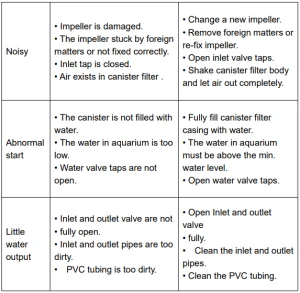
Noisy Filter Sounds
Noisy filters can bother you and stress your fish. Noise often means parts are dirty or loose.
Check the filter for trapped air, worn parts, or clogged media. Clean and tighten parts to reduce noise.
- Make sure the filter is fully underwater.
- Clean the impeller and housing regularly.
- Replace worn or broken parts as needed.
- Remove trapped air by tilting the filter or tapping gently.
Water Flow Problems
Slow or no water flow means the filter can’t clean properly. This can harm fish and plants.
Check for blockages in the intake and output tubes. Clean or replace filter media if clogged.
- Remove debris from intake and output areas.
- Rinse or change filter sponges and cartridges.
- Ensure the pump is working and not damaged.
- Check that tubing is not bent or crushed.
Frequently Asked Questions
How Often Should I Clean My Aquarium Filter?
You should clean your aquarium filter every 2 to 4 weeks. Regular cleaning prevents clogging and maintains water flow. Avoid over-cleaning to preserve beneficial bacteria that support fish health.
What Is The Best Maintenance Schedule For Filters?
A good schedule is weekly inspection, biweekly cleaning, and monthly deep maintenance. Adjust frequency based on tank size and fish load. Consistent care keeps filters effective and water quality high.
Can I Use Tap Water To Clean Filter Media?
Using tap water can kill beneficial bacteria due to chlorine. Instead, rinse filter media in tank water during water changes. This preserves helpful bacteria essential for biological filtration.
When Should I Replace My Aquarium Filter Media?
Replace filter media every 4 to 6 weeks or as recommended. Some mechanical media last longer, while chemical media like carbon need frequent changes. Timely replacement ensures optimal filtration and water clarity.
Conclusion
Keeping a regular aquarium filter maintenance schedule helps fish stay healthy. Clean filters remove dirt and harmful waste from the water. Check and replace filter media on time for best results. A well-maintained filter keeps water clear and fresh. Your fish will live longer and be more active.
Small efforts every week can prevent big problems later. Remember, clean filters mean a happy aquarium. Stick to the schedule and enjoy a beautiful, thriving fish tank. Simple steps make a big difference in fish care.