
If you want your tropical fish to thrive and stay healthy, choosing the right aquarium filter is one of the most important steps you can take. You might think all filters are the same, but the truth is, the wrong filter can harm your fish or make your tank dirty and cloudy.
This guide will help you understand exactly what to look for in an aquarium filter for tropical fish, so you can create a clean, safe, and beautiful environment for your underwater friends. Keep reading, and you’ll discover simple tips that make a big difference for your aquarium’s health and your peace of mind.
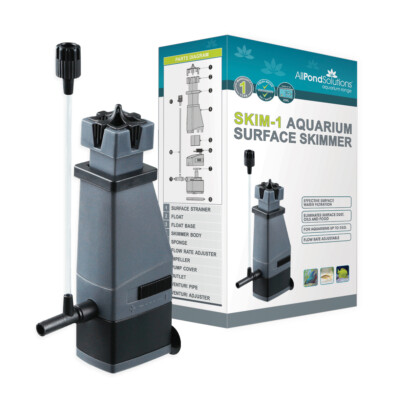
Credit: www.ebay.ca
Choosing The Right Filter
Keeping tropical fish healthy needs good water quality. A filter helps clean the water and keeps fish safe.
Choosing the right filter depends on your tank size, fish type, and filter features. Learn about filters before buying.
Types Of Aquarium Filters
There are several filter types for tropical fish tanks. Each type uses a different cleaning method.
- Hang-on-back (HOB) filters:Easy to install and maintain. They hang on the tank’s back.
- Canister filters:Powerful and quiet. They sit outside the tank and filter large volumes.
- Internal filters:Placed inside the tank. Good for small tanks or shrimp tanks.
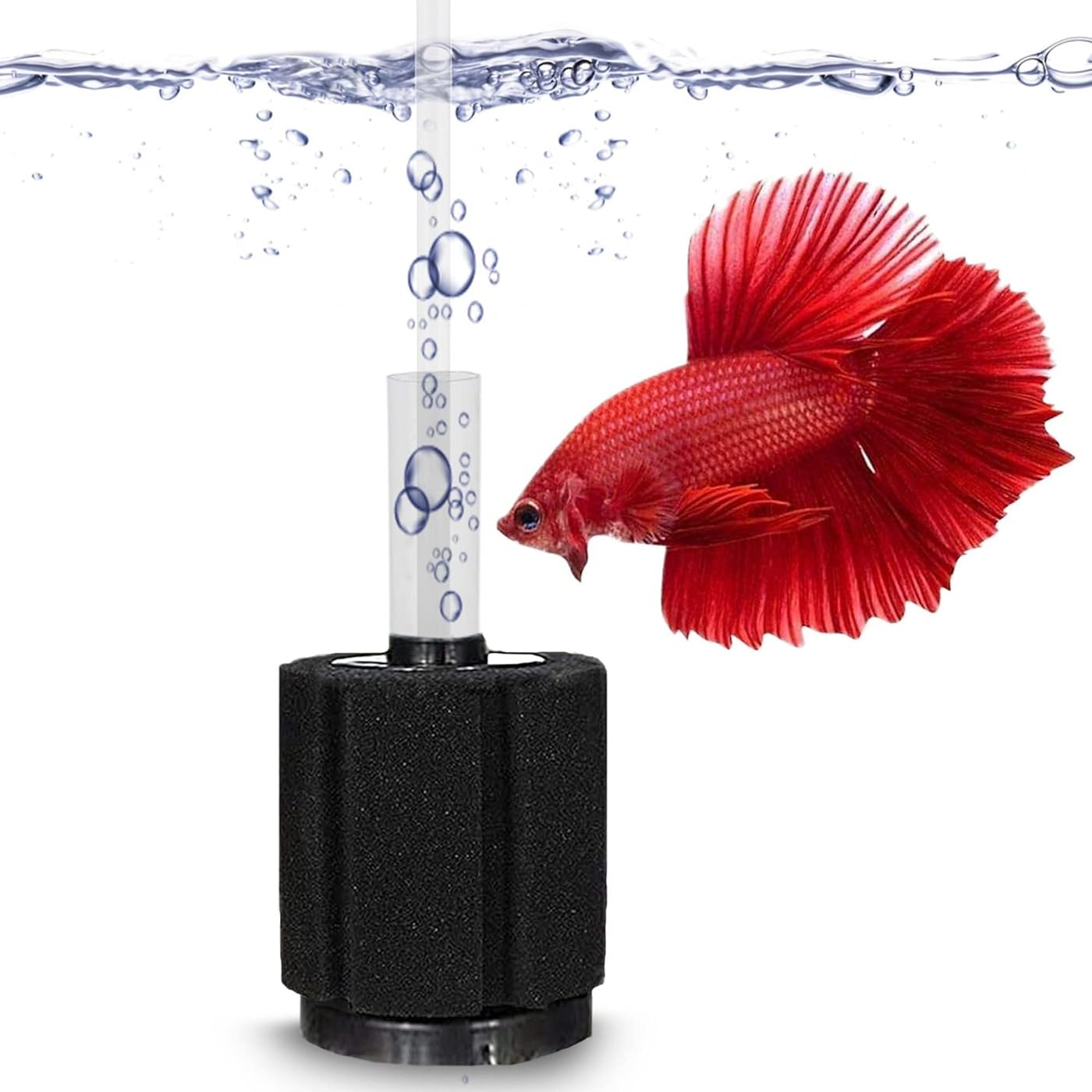
- Sponge filters:Use air to push water through a sponge. Great for fry and delicate fish.
Filter Size And Capacity
Filter size matters. It must match your aquarium volume to clean water well.
| Tank Size (Gallons) | Recommended Filter Flow Rate (GPH) |
| Up to 20 | 100 – 150 |
| 21 – 50 | 200 – 300 |
| 51 – 100 | 400 – 600 |
| Over 100 | 800+ |
Filter Media Options
Filter media remove different wastes from the water. Use a combination for best results.
- Mechanical media:Removes large particles and debris.
- Chemical media:Removes odors and toxins with activated carbon.
- Biological media:Supports good bacteria that break down fish waste.

Credit: sevenports.com
Setting Up Your Filter
Choosing the right filter is important for keeping your tropical fish healthy. Setting it up correctly helps keep the water clean and clear.
This guide will help you install your aquarium filter with simple steps to follow for best results.
Installation Tips
Read the instructions that come with your filter before starting. Make sure all parts are included and clean. Use gloves to avoid contaminating the filter media.
- Rinse filter media with tank water only
- Assemble parts tightly to avoid leaks
- Check power cords for damage before plugging in
- Place filter parts where they are easy to reach
Positioning For Optimal Flow
Place the filter where water flows well through the tank. Avoid spots blocked by decorations or plants. Position the filter intake below water surface to reduce noise.
| Position | Effect |
| Near tank corner | Better water circulation |
| Under substrate | May block flow |
| Next to heater | Even temperature distribution |
| Behind decorations | Reduced water flow |
Priming The Filter
Priming removes air and starts water flow in your filter. Some filters have a built-in priming button. If not, fill the filter with water manually.
- Unplug the filter before priming
- Fill the filter chamber with tank water
- Press the priming button or pour water slowly
- Plug the filter back in and check for flow
- Repeat if the water does not flow smoothly
Maintaining Clear Water
Clear water is essential for a healthy tropical fish aquarium. Clean water helps fish stay healthy and active.
Using a good aquarium filter and keeping it well maintained keeps your water clear and safe for your fish.
Regular Cleaning Schedule
Regular cleaning prevents dirt and waste build-up that cloud water. Clean the filter and tank parts often.
- Check the filter weekly for debris.
- Rinse filter parts in tank water every two weeks.
- Clean the aquarium glass monthly to remove algae.
- Remove uneaten food and waste daily.
Replacing Filter Media
Filter media traps dirt and helps clean the water. Replace it to keep filtering strong and effective.
| Type of Media | Replacement Frequency |
| Mechanical (sponges, pads) | Every 3-4 weeks |
| Chemical (activated carbon) | Every 4 weeks |
| Biological (bio balls, ceramic rings) | Replace only if damaged |
Monitoring Water Parameters
Good water quality depends on stable parameters. Test your water regularly to keep fish safe.
Important water parameters include:
- pH level between 6.5 and 7.5
- Ammonia at 0 ppm
- Nitrite at 0 ppm
- Nitrate below 20 ppm
- Temperature between 74°F and 80°F (23°C – 27°C)
Troubleshooting Common Issues
Aquarium filters keep tropical fish tanks clean and healthy. Sometimes, problems arise that affect filter performance.
This guide helps you fix common aquarium filter issues quickly and easily.
Dealing With Cloudy Water
Cloudy water can make your tank look dirty. It also harms fish health.
Cloudy water often means the filter is not working well or there is too much waste.
- Check if the filter media is clogged and clean it gently.
- Do a partial water change to remove excess particles.
- Do not overfeed your fish to reduce waste buildup.
- Make sure the filter size matches your tank volume.
Managing Filter Noise
Filter noise can be annoying and stress your fish. It often comes from air or worn parts.
Fix noisy filters by checking for trapped air and cleaning moving parts.
- Ensure the filter is fully submerged if it is a submersible type.
- Clean impellers and remove debris that blocks movement.
- Tighten any loose parts to stop rattling sounds.
- Replace worn or damaged parts if noise stays.
Addressing Flow Problems
Low or uneven water flow affects filter efficiency and tank cleanliness.
Clear flow issues by inspecting intake and outflow areas for blockages.
- Remove debris from the filter intake and hoses.
- Check if the pump is working properly.
- Adjust flow control valves if your filter has them.
- Replace clogged or damaged filter parts.
Enhancing Filtration Efficiency
An aquarium filter helps keep water clean for tropical fish. Good filtration removes waste and harmful chemicals.
Improving filter efficiency makes the tank healthier. Fish stay safe and the water stays clear.
Adding Biological Boosters
Biological boosters add helpful bacteria to the filter. These bacteria break down fish waste and toxins.
Adding boosters supports the natural cleaning process. It helps keep ammonia and nitrites low.
- Choose boosters made for tropical fish tanks
- Use boosters regularly for best results
- Follow instructions on the product label
Combining Multiple Filters
Using more than one filter can improve water flow and cleaning power. Each filter can target different wastes.
Combining filters spreads the workload. This reduces clogging and helps keep water clearer.
- Use a mechanical filter for debris
- Add a chemical filter to remove toxins
- Use a biological filter to grow helpful bacteria
Upgrading Filter Components
Replacing old parts can make filters work better. New sponges, cartridges, or media improve cleaning.
Upgrades help filters last longer and clean more efficiently. Check parts often and replace when needed.
- Change filter pads regularly
- Use high-quality filter media
- Clean or replace impellers for strong water flow
Filter Choices For Different Tropical Fish
Choosing the right filter for your tropical fish is important. Different fish need different filters for their health.
Filters help to keep the aquarium water clean and safe. Let’s explore options for different tank sizes and species.
Filters For Small Aquariums
Small aquariums need compact filters. They should not take up much space but must be effective.
- Internal filters are good for small tanks.
- Air-driven sponge filters work well with tiny fish.
- Hang-on-back filters fit easily on small setups.
Filters For Large Tanks
Large tanks require powerful filters. They handle more water and need efficient filtration.
| Filter Type | Features |
| Canister Filters | High capacity and customizable |
| Sump Filters | Great for very large tanks |
| Power Filters | Easy to maintain and reliable |
Special Needs For Sensitive Species
Sensitive species need gentle filtration. They prefer low water flow to avoid stress.
Credit: www.shopabunda.com
Frequently Asked Questions
What Is The Best Aquarium Filter For Tropical Fish?
The best filter is one that provides mechanical, biological, and chemical filtration. It should match your tank size and fish load. Popular options include canister filters, hang-on-back filters, and sponge filters, which maintain clean and healthy water for tropical fish.
How Often Should I Clean My Tropical Fish Aquarium Filter?
Clean your aquarium filter every 2 to 4 weeks. Avoid cleaning all filter media at once to preserve beneficial bacteria. Regular maintenance ensures efficient filtration and keeps the water safe for tropical fish without disrupting the tank’s biological balance.
Can I Use Any Filter For A Tropical Fish Tank?
Not all filters suit tropical fish tanks. Choose filters that offer gentle water flow to avoid stressing fish. Filters with biological filtration are essential to maintain water quality and support the health of tropical fish in your aquarium.
Why Is Biological Filtration Important For Tropical Fish?
Biological filtration breaks down harmful ammonia and nitrites into less toxic nitrates. Beneficial bacteria in the filter media perform this process. This filtration keeps water safe, promoting a healthy environment necessary for tropical fish survival and growth.
Conclusion
Choosing the right aquarium filter keeps tropical fish healthy and happy. Clean water helps fish breathe and grow well. Filters remove dirt, waste, and harmful chemicals easily. Regular filter care makes the tank a safe home. Remember, a good filter means less work for you.
Enjoy watching your colorful fish swim in clear water. Simple steps can make a big difference in fish care. Start with a filter that fits your tank size. Healthy fish bring joy and calm to any space.