
Choosing the right aquarium filter for your small community tank can make all the difference in keeping your fish healthy and your water crystal clear. You want a filter that works quietly, fits perfectly, and handles the waste without overwhelming your little ecosystem.
But with so many options out there, how do you find the one that suits your tank best? You’ll discover simple tips and trusted recommendations to help you pick the perfect filter. Keep reading to make sure your aquatic friends thrive in a clean, balanced home.

Credit: us.amazon.com
Choosing Filters For Small Tanks
Choosing the right filter is key for small community tanks. A good filter keeps water clean and fish healthy.
Small tanks need filters that fit their size and fish needs. Too big or too small can cause problems.
Types Of Aquarium Filters
There are many filter types for small tanks. Each type works differently to clean water.
Common types include sponge, hang-on-back, and internal filters. Choose one that fits your tank setup.
- Sponge filtersuse air to push water through a sponge that traps dirt.
- Hang-on-back filtershang on the tank’s edge and pull water through filter media.
- Internal filterssit inside the tank and use a pump to circulate water.
Filter Capacity And Tank Size
Filter capacity must match the tank size for best results. Too weak filters cannot clean well.
Look for filters rated for your tank size or slightly larger. This ensures good water flow and cleaning.
- Small tanks (5-10 gallons) need filters with low flow rates.
- Filters rated for 10-20 gallons can work for tanks up to 15 gallons.
- Do not use large filters with very strong flow for small tanks.
Noise Levels And Maintenance
Quiet filters make tank care easier. Loud noise can stress fish and bother you.
Choose filters known for low noise and easy cleaning. Regular maintenance keeps filters working well.
- Sponge filters are very quiet and simple to clean.
- Hang-on-back filters may need weekly cleaning to prevent noise.
- Internal filters can be noisy if not cleaned often.
- Check manufacturer instructions for filter care tips.

Credit: www.reddit.com
Top Filters For Community Tanks
Keeping water clean is key for small community tanks. Filters remove waste and keep fish healthy.
Choosing the right filter depends on tank size and fish types. Here are top options to consider.
Hang-on-back Filters
Hang-on-back (HOB) filters hang on the tank’s back wall. They are easy to install and maintain.
- Provide mechanical, chemical, and biological filtration
- Good for tanks up to 50 gallons
- Easy to clean and replace filter media
- Does not take space inside the tank
Canister Filters
Canister filters sit outside the tank and pump water through media. They offer strong filtration.
| Feature | Benefit |
| Large media capacity | Better filtration for bigger tanks |
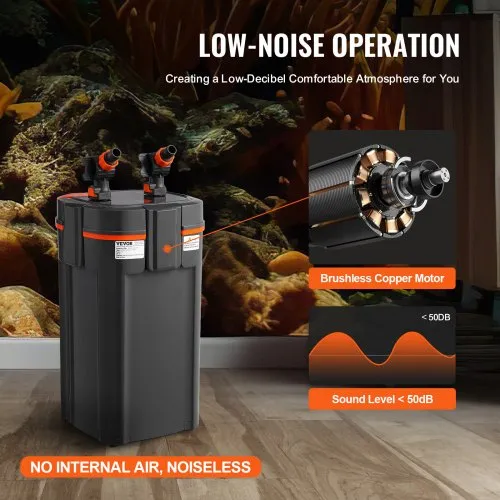
| Quiet operation | Minimal noise near the aquarium |
| Customizable media | Adapt to specific tank needs |
| Suitable for tanks over 50 gallons | Handles heavy bioload |
Internal Filters
Internal filters sit inside the tank, usually attached to a wall with suction cups.
Internal filters are best for small tanks. They offer:
- Simple installation and maintenance
- Good water circulation
- Compact design saving space
- Lower filtration power compared to canisters
Installation And Setup Tips
Setting up an aquarium filter correctly keeps your tank clean and fish healthy. Small community tanks need careful filter placement and adjustment. Follow easy tips to get the best results.
Good setup helps water flow well and avoids stress for your fish. Learn how to position, prime, and balance your filter for a happy aquarium.
Positioning For Optimal Flow
Place the filter where water moves evenly across the tank. Avoid spots with dead zones where debris can collect. Keep the filter intake away from fish hiding places to prevent disturbance.
- Put the filter near a corner for good circulation
- Keep it below the water line to maintain suction
- Ensure the outflow directs water across the tank surface
- Do not block the filter intake with decorations or plants
Priming And Starting The Filter
Prime the filter before turning it on to avoid air pockets. Air inside the filter can stop water flow and damage the motor. Fill the filter chamber with water until it is full.
- Unplug the filter before priming
- Fill the filter with water manually if needed
- Close all valves and hoses tightly
- Plug in the filter and check for steady water flow
- Listen for unusual sounds that may show trapped air
Balancing Filtration And Fish Comfort
Strong filtration cleans water fast but can stress small fish. Find the right balance between cleaning power and gentle water flow. Adjust the filter speed or flow rate if possible.
| Filter Setting | Effect on Water Flow | Impact on Fish |
| High | Fast, strong current | May stress timid or small fish |
| Medium | Moderate flow | Good balance for most community tanks |
| Low | Gentle flow | Best for sensitive fish or plants |
Credit: www.vevor.com
Maintenance Best Practices
Keeping your aquarium filter clean is key for a healthy tank. Regular care helps the filter work well.
Good maintenance also keeps your fish happy and water clear. It prevents problems before they start.
Cleaning Frequency And Methods
Clean your filter every two to four weeks. This stops dirt from building up and blocking water flow.
Use tank water to rinse the filter parts. Avoid tap water because it can kill helpful bacteria.
- Turn off and unplug the filter before cleaning
- Remove filter media carefully to avoid damage
- Rinse sponges and pads in aquarium water
- Clean the filter housing with a soft brush
- Do not use soap or chemicals on filter parts
- Reassemble the filter and restart it gently
Replacing Filter Media
Change filter media based on the type and brand. Usually, replace mechanical media every month.
Chemical media like activated carbon needs replacing every 3-4 weeks. Biological media lasts longer.
- Replace mechanical pads when they look worn or clogged
- Swap chemical cartridges regularly for best water quality
- Keep biological media unless damaged or very old
- Never replace all media at once to keep good bacteria
- Follow manufacturer instructions for specific media changes
Troubleshooting Common Issues
If the filter stops working well, check for blockages first. Dirt or debris can slow it down.
Listen for strange noises. They may mean the motor or impeller is stuck or dirty.
- Filter not running: check power and plug connections
- Low water flow: clean or replace clogged media
- Noise or rattling: clean impeller and housing
- Water leaking: check seals and tighten parts
- Bad smell: replace filter media and clean tank
Enhancing Water Quality
A clean tank is vital for healthy fish and plants. Aquarium filters help keep water clear and safe.
Small community tanks need effective filtration to maintain good water quality. Filters remove waste and toxins.
Biological Filtration Benefits
Biological filtration uses good bacteria to break down fish waste. This process turns harmful ammonia into less harmful nitrate.
These bacteria live on filter media like sponges or ceramic rings. They help keep the water safe for fish.
- Removes toxic ammonia and nitrites
- Supports a stable and healthy tank environment
- Promotes natural waste breakdown
Chemical Filtration Options
Chemical filtration uses materials that absorb impurities from water. These help remove odors, colors, and harmful chemicals.
Common chemical filter media include activated carbon and zeolite. They improve water clarity and quality.
- Activated carbon removes odors and toxins
- Zeolite absorbs ammonia quickly
- Helps keep water clear and healthy
Mechanical Filtration Importance
Mechanical filtration removes solid waste like uneaten food and fish waste. It traps debris before it breaks down.
Filters use sponges, pads, or floss to capture particles. This keeps the water clear and reduces harmful buildup.
- Traps debris and dirt particles
- Prevents water cloudiness
- Protects biological filter from clogging
Frequently Asked Questions
What Is The Best Aquarium Filter For Small Community Tanks?
The best filter for small community tanks is a sponge or hang-on-back filter. They provide gentle water flow and effective biological filtration, ideal for small fish and delicate species. These filters maintain clean water without stressing your aquatic pets.
How Often Should I Clean My Small Tank Filter?
Clean your small tank filter every 2 to 4 weeks. Avoid over-cleaning to preserve beneficial bacteria. Rinse filter media gently in tank water to maintain filtration efficiency and keep your community tank healthy.
Can A Small Filter Handle Multiple Fish Species?
Yes, a quality small filter can support multiple fish species. Ensure it matches the tank size and bioload. Proper filtration keeps water clear, reduces toxins, and maintains a balanced environment for diverse fish communities.
Are Hang-on-back Filters Suitable For Community Tanks?
Yes, hang-on-back filters are perfect for small community tanks. They offer easy maintenance, good mechanical and biological filtration, and adjustable flow. These filters keep the tank water clean without disturbing peaceful fish.
Conclusion
Choosing the right aquarium filter keeps your small community tank healthy. Clean water helps fish stay active and colorful. A good filter removes dirt and harmful waste. It also keeps the water clear and fresh. Small tanks need filters that fit their size and fish number.
Regular cleaning and maintenance make filters work well longer. Simple tools can make a big difference in fish care. Remember, a happy tank means happy fish. Keep your aquarium clean and enjoy the beauty it brings.