
Are you looking to create the perfect peaceful home for your favorite fish? Choosing the right aquarium filter can make all the difference in keeping your single-species tank clean and balanced.
The right filter not only keeps the water crystal clear but also helps maintain a healthy environment where your fish can thrive without stress or conflict. You’ll discover how the perfect aquarium filter supports harmony in your tank, making your fish feel safe and happy every day.
Keep reading to find out how to select the best filter for your single-species aquarium and unlock the secret to a calm, thriving underwater world.

Credit: theplecofeeder.com
Choosing The Right Filter
Choosing the right filter is important for a healthy aquarium. It keeps the water clean and safe for your fish. Different filters suit different tank sizes and fish types.
For single-species harmony, the filter must match the needs of that species. This guide helps you pick the best one for your tank.
Types Of Aquarium Filters
There are many filters: sponge, hang-on-back, canister, and undergravel. Each works differently to clean water.
- Sponge filtersuse air to pull water through sponge material.
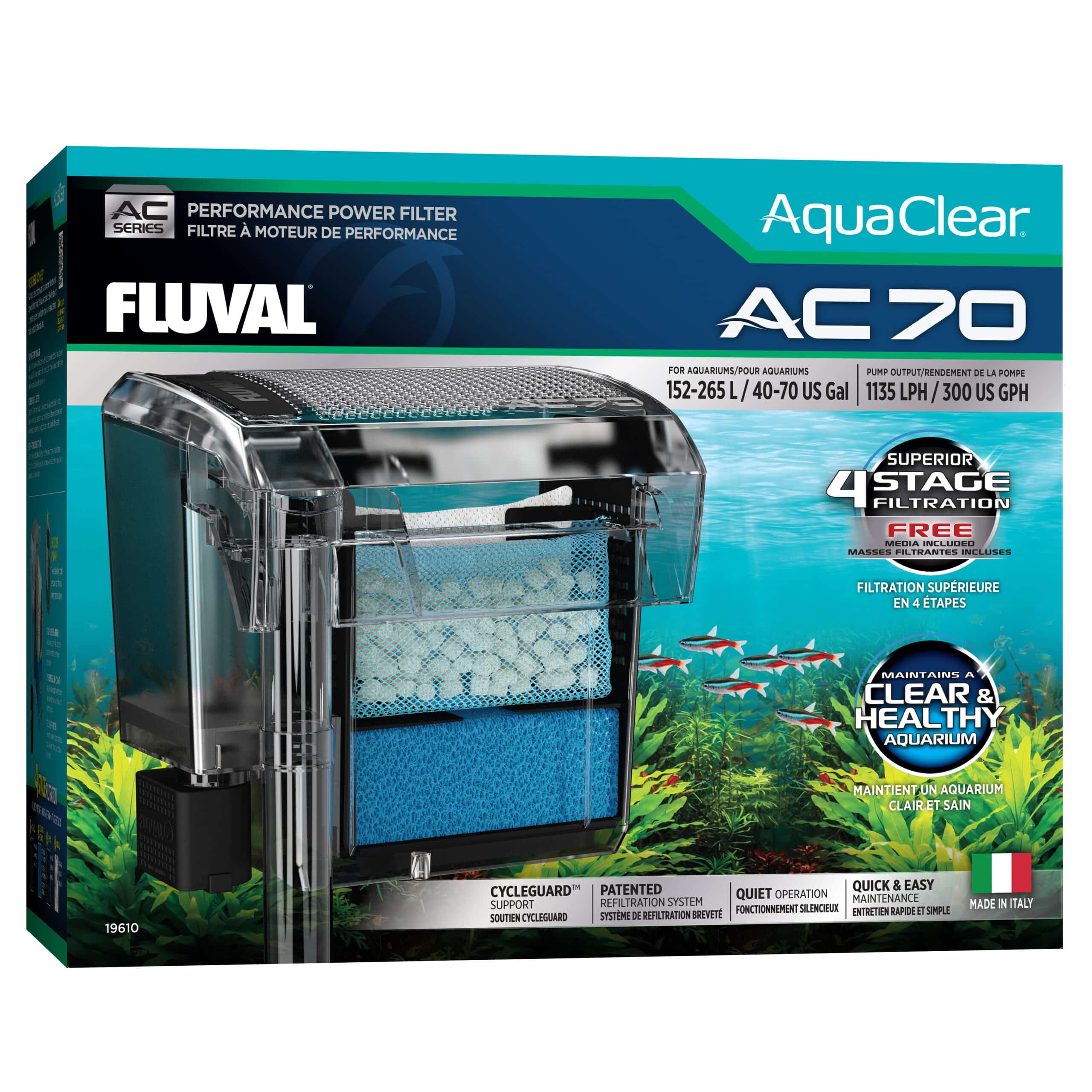
- Hang-on-back filtershang outside the tank and filter water mechanically and biologically.
- Canister filterssit below the tank and offer strong filtration for larger tanks.
- Undergravel filterspull water through gravel to remove waste from the bottom.
Filter Capacity And Tank Size
Filter capacity must fit your tank size. A small filter in a big tank will not clean well. A large filter in a small tank may cause strong water flow.
| Tank Size (Gallons) | Recommended Filter Flow Rate (GPH) |
| 10 or less | 50–100 |
| 11 to 30 | 100–200 |
| 31 to 50 | 200–300 |
| 51 to 75 | 300–400 |
| 75+ | 400+ |
Noise Levels And Maintenance
Some filters make more noise than others. Choose a quiet filter if your aquarium is in a living area. Maintenance also matters for filter choice.
- Clean the filter media regularly to keep it working well.
- Replace parts like cartridges or sponges as needed.
- Check the motor or air pump for noise and wear.
- Choose filters that are easy to open and clean.
Benefits Of Clear Water
Clear water is important for any aquarium, especially a single-species tank. It helps keep fish healthy and happy.
Using a good aquarium filter improves water clarity. This creates a better home for your fish.
Healthier Fish Environment
Clear water means fewer harmful chemicals and waste in the tank. This lowers the risk of fish diseases.
A proper filter removes toxins and cleans the water. Fish can breathe better and stay active.
Enhanced Visual Appeal
Clear water makes your aquarium look beautiful and inviting. You can see your fish and decorations clearly.
Bright water shows off the colors of your fish. It also makes the tank a nice part of your room.
Reduced Algae Growth
Clean water lowers the nutrients algae need to grow. This helps keep algae from taking over the tank.
A good filter controls waste and food leftovers. This reduces algae and keeps the tank balanced.
Filter Media Options
Choosing the right filter media is important for a healthy single-species aquarium. Each type of media helps keep the water clean in different ways. Understanding these options makes it easier to maintain a balanced tank.
This guide covers three main types of filtration media used in aquarium filters. They include mechanical, biological, and chemical filtration. Each plays a key role in water quality and fish health.
Mechanical Filtration
Mechanical filtration removes solid waste and particles from the water. It helps keep the tank clear and prevents debris buildup. Common materials include sponges and filter floss.
- Foam pads trap larger particles
- Filter floss catches fine debris
- Polyester pads provide durable filtration
- Pre-filters protect pumps from clogging
Biological Filtration
Biological filtration uses beneficial bacteria to break down harmful substances. These bacteria convert ammonia into less toxic compounds. Porous media are best for growing these bacteria.
| Media Type | Description | Benefit |
| Ceramic Rings | Porous rings with a large surface area | Supports strong bacteria colonies |
| Bio Balls | Plastic balls with many holes | Easy to clean and maintain |
| Sponge Media | Soft, porous foam | Provides good bacteria growth and mechanical filtration |
Chemical Filtration
Chemical filtration removes dissolved impurities from the water. It helps control odors, discoloration, and toxins. Activated carbon is the most common chemical filter media.
Chemical media types include:
- Activated Carbon: Removes chemicals and discoloration
- Zeolite: Absorbs ammonia and other toxins
- Phosphate Removers: Control algae growth by reducing phosphates

Credit: theplecofeeder.com
Installation Tips For Single-species Tanks
Installing an aquarium filter properly helps keep your fish healthy. It also keeps the water clean and clear.
Single-species tanks need special care to make sure the filter works well. Follow these tips to set up your filter right.
Positioning The Filter
Place the filter where water flows evenly throughout the tank. Avoid spots with dead water or strong currents.
Position the filter intake and outflow to support fish swimming and tank cleaning.
- Keep the intake away from fish hiding spots
- Put the outflow near the surface for good oxygen exchange
- Ensure the filter is easy to reach for maintenance
Adjusting Flow Rate
Set the flow rate to match the needs of your fish species. Too strong flow can tire fish or stress them out.
Lower the flow if your fish prefer calm water. Increase it slightly if your species likes more movement.
- Check fish behavior after adjusting flow
- Use adjustable filters for easy flow control
- Test water movement with a floating object
Avoiding Stress For Fish
Stress can harm fish health. Keep filter noise low and avoid sudden changes in water flow.
Introduce the filter to the tank slowly. Let fish get used to it before running it at full power.
- Turn on the filter outside the tank first
- Watch fish for signs of stress like hiding or gasping
- Keep water temperature steady during installation
Maintenance Routines
Keeping your aquarium filter clean is key for a healthy tank. Regular maintenance helps fish stay safe and water clear.
Different tasks keep the filter working well. This guide covers cleaning, changing filter parts, and checking water quality.
Cleaning Frequency
Clean your filter regularly to avoid buildup of debris and waste. This keeps the system effective and prevents clogs.
- Check the filter every 2 weeks for dirt and clogging
- Rinse filter sponges or pads in tank water, not tap water
- Deep clean the filter monthly by disassembling parts carefully
- Do not clean all filter media at once to keep beneficial bacteria
Replacing Filter Media
Filter media wears out over time. Replace it to keep water clean and safe for your fish.
| Media Type | Replacement Interval | Notes |
|---|---|---|
| Mechanical (sponges, pads) | Every 3-4 weeks | Rinse regularly, replace when torn |
| Chemical (activated carbon) | Every 4-6 weeks | Removes odors and toxins |
| Biological (bio balls, ceramic rings) | Every 6-12 months | Replace only if damaged |
Monitoring Water Quality
Check water quality to ensure the filter works well. Good water means healthy fish and plants.
- Ammonia levels: Should be 0 ppm
- Nitrite levels: Should be 0 ppm
- Nitrate levels: Keep below 20 ppm
- pH level: Match species needs
- Temperature: Stable and appropriate
Credit: fluvalaquatics.com
Troubleshooting Common Issues
Maintaining a healthy aquarium environment can be challenging. Filters can sometimes cause issues. This guide helps solve common problems.
Understanding how to address these issues ensures harmony in a single-species tank. Let’s explore solutions for common filter problems.
Cloudy Water Solutions
Cloudy water can be frustrating. It often indicates a filter problem. Check the filter media first.
Rinse the filter media in tank water. Avoid using tap water, which can kill beneficial bacteria.
- Ensure the filter is not clogged
- Replace old filter media as needed
- Check the tank’s feeding schedule
Handling Filter Noise
Filter noise can disturb both you and the fish. A noisy filter often needs maintenance.
Check if the filter is properly seated. Vibrations often cause noise. A simple adjustment might solve it.
- Ensure the filter is stable
- Inspect the impeller for wear
- Clean the filter components regularly
Dealing With Reduced Flow
Reduced flow can harm water quality. Filters must circulate water effectively. If flow is weak, check the intake and outflow.
Clean any debris blocking these areas. Ensure the pump is functioning well. Regular maintenance prevents flow issues.
- Check for blockages in the intake and outflow
- Inspect the pump for any malfunctions
- Perform regular cleaning to maintain flow
Upgrading Your Filtration System
Keeping a single-species aquarium is an art. A good filtration system is key to maintaining harmony. Upgrading the filter can enhance water quality and ensure the well-being of your aquatic pets.
This guide will help you decide when to upgrade, choose advanced filters, and integrate them with other equipment. Let’s dive into creating a balanced environment for your fish.
When To Upgrade
Filters need upgrading for several reasons. Water clarity may decrease, or your fish may seem stressed. These are signs that your current system is not enough.
Consider upgrading if you plan to add more fish or if the filter is over three years old. A new filter can handle increased waste and improve water circulation.
Choosing Advanced Filters
Advanced filters offer better performance. Look for multi-stage filters that provide mechanical, chemical, and biological filtration. These types clean water more effectively.
Consider the size of your aquarium when selecting a filter. Ensure the filter’s flow rate matches the tank’s volume. This will maintain a healthy environment for your fish.
- Canister filters are great for large tanks
- Power filters work well for medium tanks
- Sponge filters are suitable for small tanks
Integrating With Other Equipment
When upgrading, consider how the filter will work with other equipment. Ensure compatibility with heaters, lights, and air pumps. This integration is important for a balanced aquarium.
Proper setup prevents equipment from interfering with each other. Arrange equipment to maximize efficiency and maintain aesthetics. This helps in creating a harmonious home for your fish.
| Equipment | Compatibility |
| Heater | Ensure no direct contact with filter |
| Lights | Position away from filter outlets |
| Air Pumps | Coordinate with filter flow |
Frequently Asked Questions
What Type Of Filter Suits Single-species Aquariums Best?
A sponge filter is ideal for single-species tanks. It provides gentle filtration, prevents fish stress, and maintains water clarity effectively.
How Often Should I Clean My Aquarium Filter?
Clean the filter every two to four weeks. Regular cleaning ensures optimal performance and prevents harmful waste buildup in the tank.
Can A Filter Improve Harmony Among Single-species Fish?
Yes, a well-maintained filter keeps water quality high. This reduces stress and promotes peaceful behavior in single-species aquariums.
What Size Filter Do I Need For My Aquarium?
Choose a filter rated for your tank’s gallon size. Proper sizing ensures efficient filtration and stable water conditions for your fish.
Conclusion
Choosing the right aquarium filter keeps your fish healthy and happy. Clean water means less stress and fewer diseases for your single-species tank. A good filter helps remove waste and keeps the water clear. It also keeps oxygen flowing, which your fish need.
Remember to clean and maintain the filter regularly. Small steps create a peaceful, balanced environment. Your fish will thrive in a calm and clean home. Simple care brings lasting harmony to your aquarium.