
Are you looking to create a healthy, vibrant aquarium for your school? Choosing the right aquarium filter is key to keeping your fish happy and your tank clean.
But with so many options out there, how do you pick the best one for your classroom? This guide will help you understand exactly what to look for in an aquarium filter, making it easier for you to provide a safe and clear environment for your aquatic friends.
Keep reading to discover simple tips that will save you time, money, and effort while making your school aquarium a success.

Credit: www.amazon.com
Benefits Of Aquarium Filters In Schools
Aquariums in schools are great tools for learning about nature. Keeping water clean is very important for fish and plants.
A good aquarium filter helps keep the water clear and safe. This helps students see healthy fish and enjoy the aquarium more.
Improved Water Quality
An aquarium filter removes dirt and waste from the water. This keeps the water clear and fresh for a long time.
- Filters trap uneaten food and fish waste
- Removes harmful chemicals from the water
- Prevents bad smells in the aquarium
- Keeps water oxygen-rich for aquatic life
Healthier Aquatic Life
Clean water helps fish and plants stay healthy. Filters lower the chance of diseases and stress for aquatic animals.
| Benefit | Effect on Aquatic Life |
| Removes toxins | Fish stay safe and active |
| Improves oxygen levels | Plants grow well |
| Reduces algae growth | Clear water for better light |
Engaging Learning Environment
A clean aquarium helps students enjoy watching fish. It makes lessons about biology and nature more real and fun.
- Students learn how to care for living things
- Teachers use the aquarium for science projects
- Observation skills improve with a clear view
- Encourages responsibility in daily tank care

Credit: www.amazon.com
Types Of Aquarium Filters Suitable For Schools
Choosing the right aquarium filter helps keep fish healthy in school tanks. Filters clean water and remove waste.
Schools need simple and safe filters. These filters should be easy to use and maintain by students.
Mechanical Filters
Mechanical filters remove solid waste from the water. They trap debris like uneaten food and fish waste.
These filters use sponges or pads to catch particles. They keep the water clear and reduce tank cleaning.
- Easy to clean and replace
- Good for small to medium tanks
- Prevents water cloudiness
Biological Filters
Biological filters use good bacteria to break down harmful waste. They change fish waste into less harmful substances.
This filter is important for a healthy tank. It helps keep ammonia and nitrite levels low.
- Uses filter media like bio balls or ceramic rings
- Supports natural waste processing
- Works best with good water flow
Chemical Filters
Chemical filters remove toxins and odors from water. They use materials like activated carbon to clean water.
These filters help keep water clear and safe. They are useful if water smells or looks dirty.
- Removes harmful chemicals
- Improves water clarity and smell
- Needs regular media replacement
Choosing The Right Filter For Classroom Aquariums
Classroom aquariums need the right filter to keep fish healthy. Filters clean the water by removing dirt and waste.
Choosing the best filter depends on several factors. These include tank size, ease of use, and safety.
Tank Size And Filter Capacity
The filter must match the size of the aquarium. A filter too small will not clean enough water.
Look for a filter that can handle at least the tank’s full volume per hour. This helps keep water clear.
- Small tanks (up to 10 gallons) need filters with low flow rates.
- Medium tanks (10 to 30 gallons) need moderate flow rates.
- Large tanks (over 30 gallons) require powerful filters.
Ease Of Maintenance
Teachers and students should find the filter easy to clean and use. Complex filters can waste class time.
Filters with removable parts and simple designs are best. They make regular cleaning quicker and safer.
- Choose filters with clear instructions.
- Look for models with easy access to filter media.
- Avoid filters that need special tools for maintenance.
Noise Levels And Safety
Classrooms need quiet filters to avoid distractions. A noisy filter can disturb lessons and students.
Safety is very important. Filters should have protected parts and no sharp edges.
- Pick filters with low noise ratings.
- Ensure electrical parts are covered and safe.
- Check that filters do not create water spills.
Installing And Maintaining Aquarium Filters
A clean and well-maintained aquarium filter keeps water clear and fish healthy. Schools can use filters to create a safe environment for aquatic life.
This guide covers the basic steps to install and maintain aquarium filters in school tanks. Simple care will extend the filter’s life and improve water quality.
Proper Setup Steps
Start by choosing the right filter for the tank size. Follow the instructions from the filter manufacturer carefully.
- Unpack the filter and check all parts are included.
- Rinse filter media with tank water to remove dust.
- Attach the filter securely to the tank or place it as directed.
- Fill the tank with water before turning on the filter.
- Plug in the filter and check for proper water flow.
- Adjust settings if available to suit the tank’s needs.
Regular Cleaning Tips
Cleaning the filter regularly keeps it working well. Avoid using tap water on filter parts to protect helpful bacteria.
| Cleaning Task | Frequency |
|---|---|
| Rinse filter media with tank water | Every 2 weeks |
| Clean intake and outflow tubes | Monthly |
| Replace filter cartridges | Every 3 months |
| Check for debris and blockages | Weekly |
Troubleshooting Common Issues
If the filter stops working or water flow slows, check power and connections first. Clean clogged parts and replace worn pieces.
- No power:Check the plug and outlet.
- Low water flow:Clean the intake tubes and filter media.
- Unusual noise:Inspect the impeller for debris or damage.
- Leaks:Ensure all seals are tight and parts fit correctly.
Educational Activities Using Aquarium Filters
Aquarium filters are useful tools in educational settings. They offer hands-on learning opportunities for students. Schools can integrate them into science and biology lessons.
By using aquarium filters, students can explore water quality and ecosystem dynamics. These activities foster responsibility and environmental awareness in young learners.
Science Experiments On Water Quality
Students can conduct experiments to test water quality. Aquarium filters play a key role in these studies. They help maintain clean water for observation.
- Test pH levels using aquarium water.
- Measure water clarity before and after filtration.
- Observe the removal of pollutants.
Biology Lessons On Ecosystems
Aquarium filters support healthy ecosystems in tanks. Students learn about ecosystems through direct observation. They see how filters affect aquatic life.
| Component | Function |
| Filter | Removes waste and toxins |
| Plants | Provide oxygen and habitat |
| Fish | Maintain balance in the ecosystem |
Encouraging Responsibility And Care
Taking care of aquariums teaches students responsibility. They learn the importance of regular maintenance. This includes cleaning filters and monitoring water conditions.
- Check the filter weekly for clogs.
- Change water regularly to ensure freshness.
- Feed fish according to their needs.
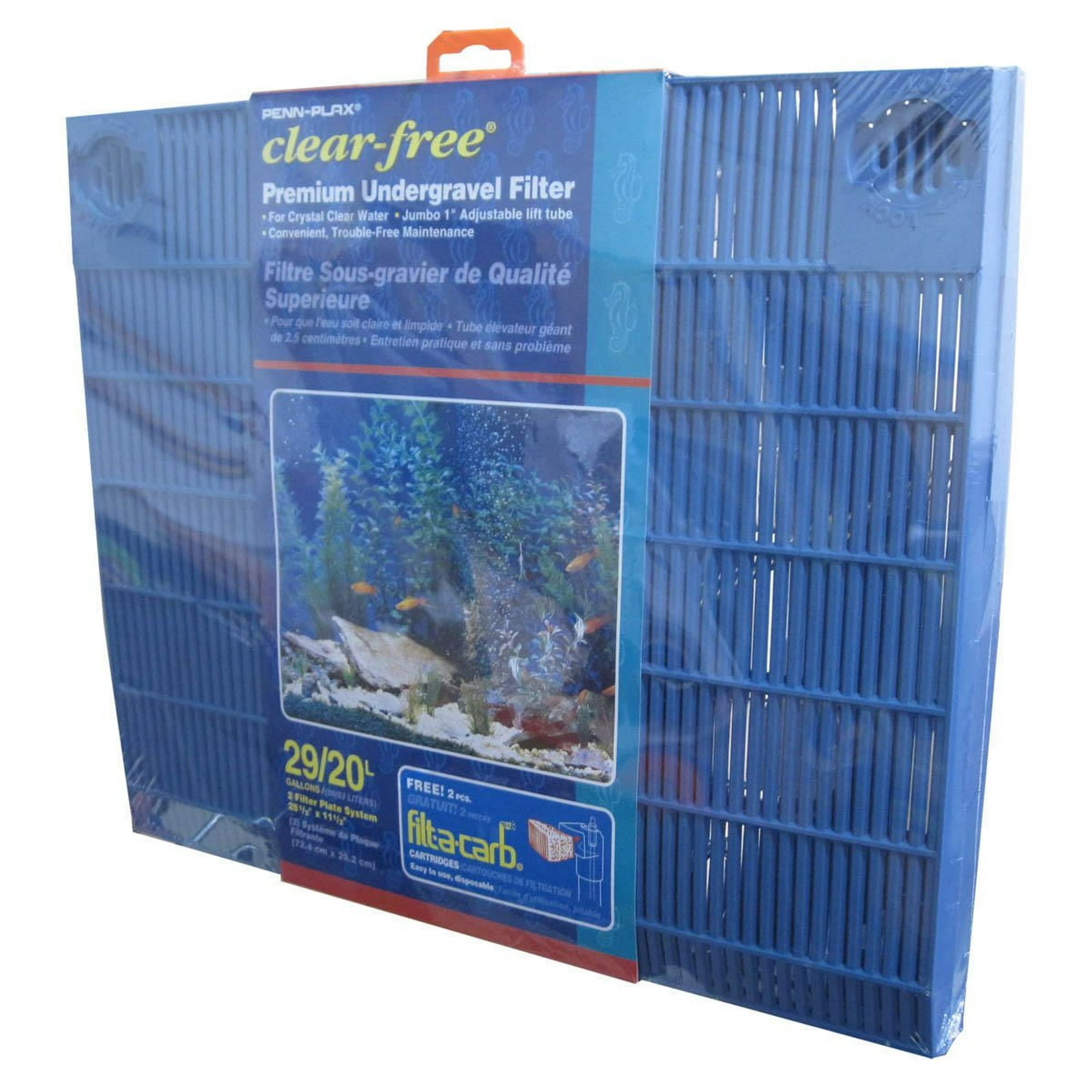
Credit: www.walmart.ca
Cost Considerations And Budget-friendly Options
Choosing the right aquarium filter for schools involves thinking about costs. Schools often have tight budgets. Finding affordable options helps maintain the aquarium without overspending.
There are many filter models that fit different budgets. It is important to balance price with quality. This guide highlights cost-saving ideas for school aquariums.
Affordable Filter Models
Some filter models offer good performance at a low price. These filters are easy to maintain and keep water clean. They work well for small to medium-sized tanks.
- Hang-on-back filters are simple and cost less.
- Sponge filters use air pumps and are very affordable.
- Internal filters fit inside the tank and save space.
- Canister filters are pricier but last longer and clean better.
Long-term Savings
Buying a cheap filter can save money at first. But some filters use more electricity or need parts often. This increases costs over time. Choosing energy-efficient filters can lower bills.
| Filter Type | Initial Cost | Maintenance Cost | Energy Use |
|---|---|---|---|
| Hang-on-back | Low | Medium | Low |
| Sponge | Very Low | Low | Very Low |
| Internal | Medium | Medium | Medium |
| Canister | High | Low | Medium |
Funding And Grants For Schools
Schools can get help to buy aquarium filters. Some programs offer funding or grants for science projects. Applying for these can reduce costs for aquarium setups.
Here are tips to find funding:
- Check local education departments for grant programs.
- Look for environmental or science foundations offering funds.
- Ask parent-teacher associations for support.
- Partner with local businesses for donations.
- Use online crowdfunding sites for school projects.
Frequently Asked Questions
What Is The Best Aquarium Filter For Schools?
The best aquarium filter for schools is one that is quiet, easy to use, and efficient. It should provide clear water and be safe for students. Hang-on-back or canister filters are popular choices due to their reliability and low maintenance needs.
How Often Should School Aquarium Filters Be Cleaned?
School aquarium filters should be cleaned every 2 to 4 weeks. Regular cleaning prevents clogging and keeps water healthy for fish. Avoid over-cleaning to preserve beneficial bacteria essential for a balanced aquarium ecosystem.
Why Are Aquarium Filters Important In School Tanks?
Aquarium filters maintain water quality by removing waste, toxins, and debris. They ensure a healthy environment for fish and reduce odors. Filters also promote oxygen circulation, which is vital for aquatic life in school aquariums.
Can Students Safely Maintain Aquarium Filters?
Yes, students can safely maintain aquarium filters with adult supervision. Teaching filter maintenance encourages responsibility and science learning. Basic tasks include rinsing filter media and checking water flow, making it an educational experience.
Conclusion
Choosing the right aquarium filter helps keep water clean and fish healthy. Clean water supports learning and makes the classroom lively. Filters remove dirt and harmful substances easily. They save time and reduce maintenance work for teachers. A good filter means less worry about fish care.
Schools create a better environment for students to observe and enjoy. Simple tools like filters make a big difference in school aquariums. Keep fish safe, water fresh, and lessons fun.