
If you have a planted tank, you know how important it is to keep your underwater garden healthy and thriving. The right aquarium filter can make all the difference in maintaining clear water, balanced nutrients, and a safe environment for your plants and fish.
But with so many options out there, how do you choose the best filter for your planted tank? You’ll discover exactly what to look for to keep your aquatic plants vibrant and your tank sparkling clean. Let’s dive into the key features that will help your planted tank flourish like never before.
Choosing The Right Filter
Choosing the right filter for your planted aquarium is important. A good filter keeps the water clean without harming your plants.
Different filters work better for different tank sizes and plant types. Understanding the options helps you pick the best one.
Types Of Filters For Planted Tanks
There are several filter types suitable for planted tanks. Each type has its own way of cleaning and water flow.
Common filters include sponge, canister, hang-on-back, and internal filters. Each suits different tank setups and plant needs.
- Sponge filtersare gentle and good for small tanks.
- Canister filtersoffer strong filtration for larger tanks.
- Hang-on-back filtersare easy to maintain and fit many tanks.
- Internal filterssit inside the tank and provide moderate flow.
Filter Capacity And Flow Rate
Filter capacity means how much water the filter can clean per hour. Flow rate is how fast water moves through the filter.
For planted tanks, pick a filter with a flow rate that does not disturb plants. Too strong flow can harm delicate leaves.
- Calculate filter capacity based on tank size.
- Choose a flow rate that gently moves water.
- Adjust flow if your plants show stress signs.
Noise Levels And Maintenance
Quiet filters create a peaceful tank environment. Loud filters can stress fish and plants.
Regular maintenance keeps filters working well. Clean filters prevent build-up that can harm water quality.
- Choose filters known for low noise.
- Clean filter media every few weeks.
- Check the filter parts for wear regularly.
Benefits Of Filtration In Planted Tanks
Filtration plays a key role in keeping planted tanks healthy. It helps clean the water and creates a good environment for plants and fish.
Using a good filter supports clear water and balanced life in the aquarium. It removes waste and keeps harmful things away.
Maintaining Water Clarity
Filters remove dirt and particles from the water. This keeps the water clear and easy to see through.
Clear water makes the tank look nice and helps plants get enough light. It also makes it easy to spot any problems in the tank.
Supporting Plant Health
Filtration helps keep water clean and free from harmful chemicals. This supports strong and healthy plant growth.
Good filters also help move water gently. This spreads nutrients and carbon dioxide, which plants need to grow.
- Removes toxic waste
- Circulates nutrients
- Prevents algae growth
Balancing Aquarium Ecosystem
Filters help balance bacteria and other tiny life in the tank. This keeps the water safe for fish and plants.
A balanced ecosystem stops harmful chemicals from building up. It also helps break down fish waste and leftover food.
- Supports beneficial bacteria
- Breaks down waste
- Maintains stable water conditions
Filter Media Options
Aquarium filters keep planted tanks clean and healthy. They use different media to remove waste and support plants.
Choosing the right filter media helps maintain water quality and keeps fish and plants safe.
Mechanical Media For Debris Removal
Mechanical media traps solid waste and particles from the water. It stops dirt from spreading in the tank.
Common mechanical media include sponges, filter floss, and foam pads. They catch uneaten food, fish waste, and plant debris.
- Sponges: reusable and easy to clean
- Filter floss: fine fibers trap small particles
- Foam pads: provide surface area for trapping debris
Biological Media For Beneficial Bacteria
Biological media gives space for good bacteria to grow. These bacteria help break down harmful waste in the water.
Good bacteria turn fish waste into less harmful substances. This keeps the tank water safe for plants and fish.
- Ceramic rings: porous and long-lasting
- Bio balls: provide large surface area
- Foam blocks: trap bacteria and debris
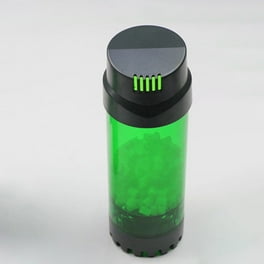
Chemical Media For Water Purification
Chemical media remove toxins and impurities from the water. They help control odors and discoloration.
Activated carbon is a popular chemical media. Other options include zeolite and resin beads for specific needs.
- Activated carbon: removes chemicals and odors
- Zeolite: absorbs ammonia and harmful gases
- Resin beads: target specific toxins
Credit: www.walmart.com
Installation Tips For Planted Tanks
Installing an aquarium filter in a planted tank needs care. The right setup helps plants grow and keeps water clean.
Filters move water and remove waste without hurting plants. Follow simple tips for a healthy tank.
Positioning Filters For Optimal Flow
Place the filter so water flows evenly across the tank. Avoid strong currents that can uproot plants or stir substrate.
- Set intake near the bottom to capture debris without disturbing plants.
- Direct outflow to create gentle circulation in the tank.
- Keep flow low to medium speed for plant safety.
- Use spray bars or diffusers to spread water flow evenly.
Avoiding Disturbance To Plants And Substrate
Filters can disturb plants and substrate if not installed carefully. Keep the tank stable by following these tips.
| Common Issue | How to Avoid |
| Uprooted plants | Lower flow rate and avoid direct outflow on plants |
| Cloudy water | Use pre-filter sponge and clean filter media regularly |
| Substrate movement | Place intake away from sandy substrate |
Integrating Filters With Co2 Systems
CO2 helps plants grow but can be lost if filter flow is too strong. Balance filter and CO2 system for best results.
Tips to combine filter and CO2:
- Place CO2 diffuser near filter outflow for better mixing.
- Use a gentle filter flow to keep CO2 in water longer.
- Check CO2 levels regularly to adjust filter speed if needed.
Maintenance Practices
Aquarium filters keep water clean and healthy for plants and fish. Regular care of the filter is important. It helps keep beneficial bacteria alive and the tank balanced.
Good maintenance stops problems before they start. It also helps your filter work well for a long time. Learn how to clean and check your filter properly.
Cleaning Filter Media Without Killing Bacteria
Filter media holds helpful bacteria that break down waste. Cleaning it too hard can kill these bacteria. Use gentle cleaning methods to protect them.
- Rinse media in tank water only, never tap water.
- Squeeze gently to remove dirt but keep bacteria colonies intact.
- Clean media one part at a time, not all at once.
- Replace media slowly to avoid losing all bacteria at once.
Frequency Of Filter Maintenance
| Maintenance Task | How Often |
| Rinse filter media | Every 2-4 weeks |
| Check and clean impeller | Monthly |
| Replace filter cartridges | Every 1-3 months |
| Full filter inspection | Every 3-6 months |
These times may change based on tank size and fish load. Watch your aquarium to find the best schedule for your filter.
Signs Of Filter Malfunction
Recognizing problems early helps save your tank. Look for these signs that the filter needs attention or repair.
- Water flow slows or stops.
- Unusual noises from the filter.
- Cloudy or smelly water.
- Plants or fish show stress or poor health.
- Visible damage or leaks on the filter.
Common Issues And Solutions
Managing a planted aquarium requires attention to detail. Filters play a crucial role in maintaining balance.
Let’s explore some common issues with aquarium filters and how to solve them effectively.
Dealing With Algae Growth
Algae can quickly overrun your tank, making it unsightly. Proper filtration can help reduce this growth.
- Ensure your filter is not clogged.
- Maintain a regular cleaning schedule.
- Consider adding algae-eating fish or snails.
Preventing Nutrient Imbalance
Nutrient imbalance can harm plant health. A good filter helps keep nutrients in check.
| Issue | Solution |
| Excess nitrates | Perform regular water changes |
| Low CO2 levels | Use a CO2 diffuser |
| High phosphates | Limit fish feeding |
Managing Flow Rate For Sensitive Plants
Some plants are sensitive to strong water flow. Adjusting your filter’s flow rate is essential.
Recommended Filters For Planted Tanks
Planted tanks require clean water to support plant growth. Choosing the right filter is crucial for maintaining water quality.
Different types of filters offer various benefits. Below, find the recommended filters to keep your planted tank thriving.
Top Canister Filters
Canister filters are powerful and efficient. They provide excellent filtration for planted tanks.
- Fluval FX4: Known for its high capacity and advanced mechanical filtration.
- Eheim Classic: Offers reliable performance and easy maintenance.
- API Filstar XP-L: Provides customizable filtration media options.
Best Hang-on-back Filters
Hang-on-back filters are easy to install and maintain. They are a great choice for smaller planted tanks.
| Filter Model | Key Feature |
| AquaClear 70 | Adjustable flow rate |
| Marineland Penguin 350 | Bio-Wheel technology |
| Seachem Tidal 55 | Self-priming pump |
Suitable Sponge Filters
Sponge filters are ideal for gentle filtration. They support beneficial bacteria in planted tanks.
- Cost-effective and easy to maintain
- Provide biological and mechanical filtration
- Safe for fish fry and shrimp

Credit: www.ebay.ca

Credit: www.2hraquarist.com
Frequently Asked Questions
What Is The Best Filter For Planted Aquarium Tanks?
The best filter for planted tanks provides gentle water flow and efficient biological filtration. Canister filters and sponge filters are popular choices. They protect plants while maintaining water clarity and oxygen levels, promoting a healthy aquatic environment.
How Does An Aquarium Filter Affect Planted Tank Plants?
Filters help maintain water quality by removing waste and toxins. Proper filtration prevents algae growth and supports beneficial bacteria. This creates a stable environment where plants can thrive and absorb nutrients effectively.
Can Filter Flow Damage Delicate Aquarium Plants?
Yes, strong filter flow can uproot or damage delicate plants. It’s important to choose filters with adjustable flow rates or add flow diffusers. This protects plants while ensuring proper water circulation.
How Often Should I Clean My Planted Tank Filter?
Clean your filter every 3 to 4 weeks to prevent clogging. Avoid over-cleaning to preserve beneficial bacteria. Regular maintenance keeps the filter efficient and your planted tank healthy.
Conclusion
Choosing the right aquarium filter helps keep your planted tank healthy. Clean water supports plant growth and fish well-being. Filters remove waste, prevent algae, and improve water flow. A good filter works quietly and fits your tank size. Remember to check and clean the filter regularly.
Healthy plants and clear water make your tank beautiful. Simple care leads to a thriving underwater garden. Enjoy watching your plants and fish grow happily.