
If you’re serious about capturing stunning photos of aquatic life, you know how clear and vibrant your tank needs to be. But keeping your photography tank crystal clear can be tricky without the right tools.
That’s where an aquarium filter for photography tanks becomes a game-changer. Imagine having perfectly clean water that highlights every detail of your subject, making your shots pop like never before. You’ll discover how the right filter can transform your photography setup and help you achieve those sharp, professional-quality images you’ve been aiming for.
Ready to take your underwater photography to the next level? Let’s dive in.
Choosing The Right Filter
Using the right filter in your photography aquarium tank keeps the water clean. Clean water helps you take clear and sharp photos of your fish and plants.
Filters remove dirt, debris, and harmful chemicals. Picking the right filter depends on your tank size and the type of water you want to maintain.
Types Of Aquarium Filters
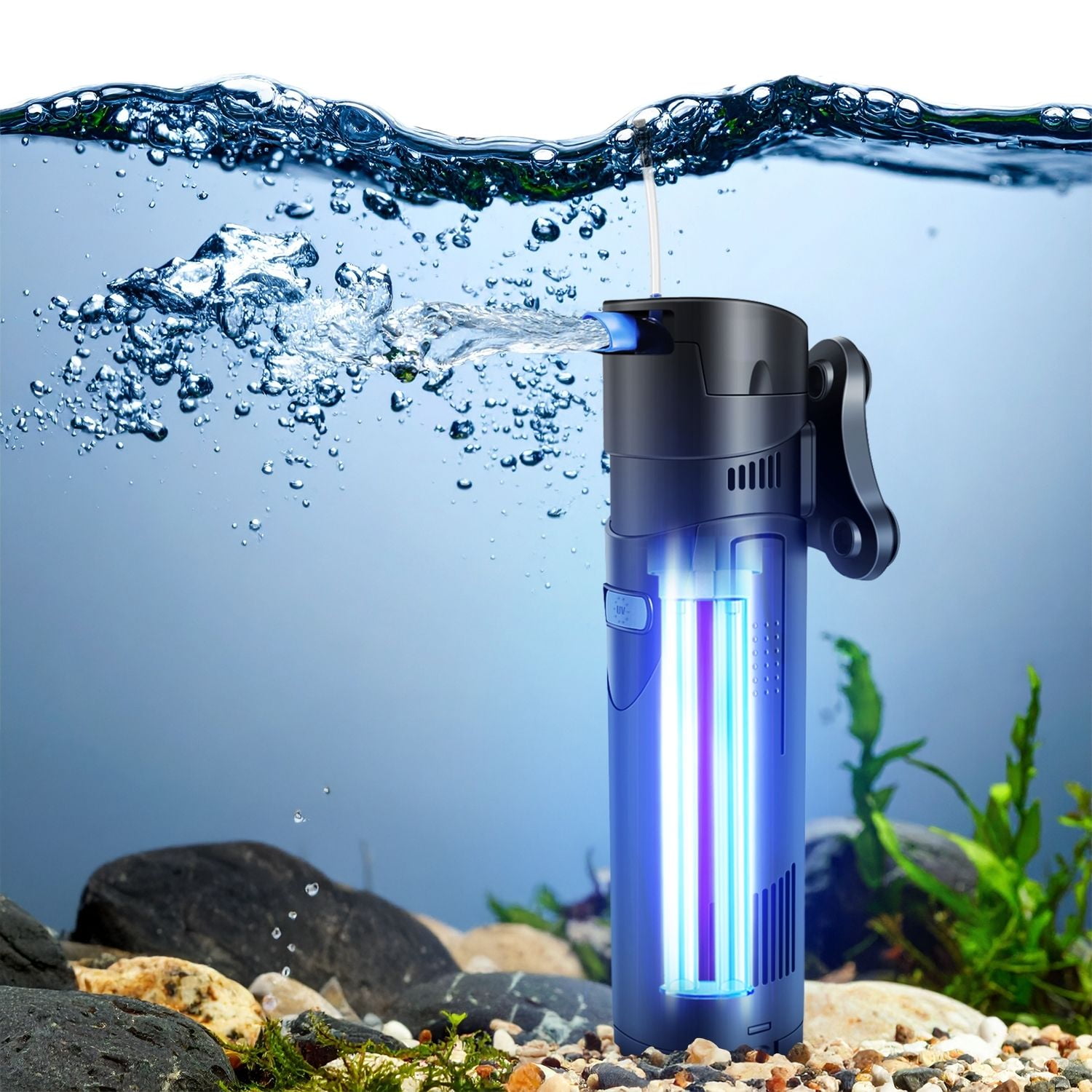
There are several types of aquarium filters. Each type works differently to clean the water.
- Internal Filters:Placed inside the tank. They are quiet and easy to use.
- Hang-on-back Filters:Hang on the tank’s back. They are good for medium tanks.
- Canister Filters:Sit outside the tank. They offer strong filtration for large tanks.
- Sponge Filters:Use air to pull water through a sponge. They are gentle and good for small tanks.
- Undergravel Filters:Use gravel as a filter medium. They are hidden under the substrate.
Filter Size And Flow Rate
Choose a filter size that matches your tank volume. A filter that is too small will not clean well.
The flow rate shows how much water the filter moves each hour. It should be strong enough to clean but not stress your fish.
- For small tanks, use filters with lower flow rates.
- Large tanks need filters with higher flow rates.
- Adjust flow if fish or plants are disturbed.
Filter Media Options
Filter media help clean water by trapping particles or breaking down waste. Different media types serve different purposes.
- Mechanical Media:Sponges or pads that catch debris.
- Chemical Media:Activated carbon removes odors and toxins.
- Biological Media:Porous materials where good bacteria grow.
Using a mix of media improves water quality. Choose media based on your tank’s needs and the type of fish you keep.
Credit: kmccberwick.ca
Maintaining Crystal Clear Water
Keeping water clear in photography tanks is important for sharp images. Clean water shows the true colors and details of your subjects.
An aquarium filter helps remove dirt and debris. It keeps the water fresh for better photos.
Regular Cleaning Schedule
Set a cleaning routine to keep your filter working well. Clean the filter parts every week or two.
Rinse the filter sponges and tubes with tank water. Avoid using tap water to protect beneficial bacteria.
- Check the filter daily for blockages
- Clean filter sponges every 7 to 14 days
- Inspect tubes and intake area for debris
Replacing Filter Media
Filter media removes particles and toxins from water. Replace it regularly to keep the filter effective.
Use the right type of media for your filter. Change carbon or chemical media every 3 to 4 weeks.
- Mechanical media traps solid waste
- Chemical media removes odors and chemicals
- Biological media supports good bacteria
- Replace chemical media more often than others
Managing Algae Growth
Algae can cloud your tank and ruin photos. Control algae to keep water clear and bright.
Limit light exposure and avoid overfeeding fish. Clean algae from tank walls and decorations.
- Use a scraper to remove algae from glass
- Keep lights on for 6 to 8 hours daily
- Feed fish only the amount they eat quickly
- Perform water changes to reduce nutrients
Optimizing Water Quality For Photography
Clear water is essential for great photos of aquarium tanks. Good water quality shows fish and plants clearly.
Using the right filter helps keep water clean and sharp for photography.
Balancing Ph And Hardness
Water pH and hardness affect how clear the water looks. Balanced water helps fish stay healthy.
Filters help keep pH and hardness stable by removing harmful chemicals and minerals.
- Check pH regularly with test kits
- Use filter media that controls minerals
- Adjust water hardness with additives if needed
Controlling Debris And Particulates
Debris and particles cloud the water and hide details in photos. Filters trap these particles.
Mechanical filter layers catch dirt, uneaten food, and waste before they spread.
- Use sponge or floss filter pads
- Clean filter pads regularly to keep flow steady
- Place filter intake away from tank bottom to avoid stirring sediment
Preventing Cloudiness
Cloudy water reduces photo quality and hides tank details. Filters reduce cloudiness by cleaning water.
Biological and chemical filter media help break down waste and remove toxins.
- Use activated carbon to clear discoloration
- Choose bio-media to support good bacteria
- Maintain filter to avoid buildup that causes cloudiness
Credit: www.walmart.com
Setting Up The Tank For Best Shots
Taking great photos of aquarium tanks requires careful setup. The filter plays a key role in the water’s clarity and movement.
This guide covers how to position the filter, reduce water flow, and adjust lighting for clear, sharp images.
Positioning The Filter
Place the filter where it cleans well but stays out of the camera’s view. Filters near the tank’s back corners work best.
- Use a filter with adjustable flow direction
- Avoid placing the filter directly in front of the camera
- Hide the filter behind plants or decorations
- Keep the filter intake away from the camera lens
Minimizing Water Movement
Too much water movement can blur your photos. Lower the filter’s flow speed to reduce ripples and bubbles.
| Flow Rate | Effect on Photography |
| High | Strong currents cause blurry images |
| Medium | Moderate movement, some distortion |
| Low | Calm water, clear shots |
Lighting Considerations
Lighting affects the tank’s colors and clarity. Use soft, even lighting to avoid reflections and shadows.
- Position lights above and slightly in front of the tank
- Use diffusers to soften harsh light
- Turn off room lights to reduce glare on the glass
- Adjust light color temperature for natural tones
Troubleshooting Common Issues
Managing aquarium filters in photography tanks can be tricky. Understanding common issues helps keep your tank running smoothly.
Here we address some frequent problems and offer easy solutions for each.
Handling Filter Noise
Filter noise can be distracting and affect the tranquility of your tank. Keeping your filter quiet is essential for a peaceful environment.
- Ensure the filter is securely attached to the tank.
- Check for trapped debris in the filter mechanism.
- Position the filter on a stable surface to reduce vibrations.
Dealing With Water Stains
Water stains can obscure the view and ruin photographs. Clear glass is essential for capturing vibrant images.
Mix equal parts of vinegar and water for a cleaning solution. Apply with a soft cloth to remove stains.
Fixing Uneven Water Flow
Uneven water flow can affect the tank’s ecosystem. A balanced flow is crucial for even filtration.
| Solution | Action |
| Clogged intake | Clean intake tube |
| Blocked impeller | Inspect and clear debris |
| Filter positioning | Adjust filter height |
Enhancing Visual Appeal
An aquarium filter keeps water clean and clear in photography tanks. Clear water helps show the tank’s beauty. Good filtration makes photos look sharp and vibrant.
Using the right filter supports the tank’s design. It lets photographers capture every detail without blur or cloudiness.
Using Plants And Decorations
Plants and decorations add color and life to photography tanks. They create natural scenes that look good in photos. Filters keep these elements free from dirt and algae.
Choose plants that do not block light. Use decorations that enhance the tank’s theme. Clean water from the filter shows their true colors.
- Live or artificial plants add texture
- Rocks and driftwood create natural shapes
- Bright decorations catch the eye
- Keep items clean with a strong filter
Creating Depth And Contrast
Depth makes photos more interesting. Use the aquarium filter to keep water clear and layers visible. Clear water helps light pass through for good contrast.
Place objects at different distances from the camera. This shows a natural scene with shadows and highlights. Filters remove particles that blur these effects.
- Position plants near and far
- Use background decorations for depth
- Keep water crystal clear with filtration
- Enhance light and shadow contrasts
Maintaining Consistent Clarity
Consistent clarity is key to good photos. Aquarium filters remove dirt and debris every day. This keeps the tank clean for every photo session.
Regular filter maintenance avoids cloudy water. Clean water shows fish and decorations clearly. A clear tank looks professional in pictures.
- Use filters with mechanical and biological cleaning
- Check and clean filters weekly
- Replace filter media as needed
- Keep water clear for sharp photos

Credit: www.cafr.ebay.ca
Frequently Asked Questions
What Type Of Aquarium Filter Suits Photography Tanks?
A sponge or canister filter works best for photography tanks. They provide gentle filtration and minimal water movement, ensuring clear visuals without disturbing the setup or the aquatic life.
How Does Filtration Affect Aquarium Photography Quality?
Proper filtration keeps water clear and free of debris. Clean water enhances light penetration and image sharpness, resulting in vibrant and professional-quality photos of your aquarium subjects.
Can Aquarium Filters Reduce Algae In Photography Tanks?
Yes, filters remove excess nutrients that feed algae. Using a filter with biological and mechanical filtration helps control algae growth, maintaining a clean tank ideal for clear photography.
Should I Choose A Silent Filter For Photography Tanks?
Absolutely. Silent filters prevent vibrations and noise, which can scare fish and disrupt photo sessions. Quiet operation ensures a calm environment for better aquarium photography results.
Conclusion
Choosing the right aquarium filter keeps your photography tank clear and healthy. Clean water helps your fish and plants look their best. A good filter reduces dirt and prevents cloudy water. It also supports a safe space for aquatic life.
Keep checking the filter regularly to maintain its performance. Simple care means better photos and happier fish. Your tank will stay fresh and inviting every day. A clear tank makes every shot stand out. Easy to use and effective—just what you need.