
Are you struggling to keep your aquarium water clear and healthy? High phosphate levels could be the hidden culprit causing algae blooms and cloudy water in your tank.
Finding the right aquarium filter for phosphate control can make a huge difference in maintaining a vibrant, clean environment for your fish and plants. You’ll discover simple, effective ways to reduce phosphates and keep your aquarium sparkling. Keep reading to learn how to protect your underwater world and enjoy a beautiful, balanced tank every day.
Credit: www.walmart.ca
Why Phosphate Matters
Phosphate is a chemical that affects aquarium water. It comes from many sources and can change the water quality.
Too much phosphate can harm fish and plants. Managing phosphate is key to a healthy aquarium.
Sources Of Phosphate In Aquariums
Phosphate enters aquariums from different places. Fish waste is one of the main sources.
Uneaten food and decaying plants also add phosphate. Tap water can contain phosphate too.
- Fish waste and excrement
- Leftover fish food
- Decaying plant matter
- Tap water with phosphate
- Some aquarium decorations
Effects On Water Quality
High phosphate levels cause algae to grow fast. Algae can make the water look green and cloudy.
Too much algae uses up oxygen in the water. This can make it hard for fish to breathe.
- Algae overgrowth
- Cloudy or green water
- Reduced oxygen levels
- Unpleasant odors
Impact On Fish And Plants
Excess phosphate can stress fish and cause illness. It can also block light from reaching plants.
Plants need light to grow strong. When algae cover the tank, plants may die or grow weak.
- Fish stress and health problems
- Reduced plant growth
- Blocked light for plants
- Imbalanced aquarium ecosystem
Types Of Aquarium Filters
Keeping phosphate levels low is key to a healthy aquarium. Filters help remove waste and chemicals.
Different filter types work together to clean water and control phosphate buildup.
Mechanical Filters
Mechanical filters trap solid waste like uneaten food and fish waste. They use sponges or pads to catch debris.
- Remove particles that cloud water
- Prevent decay that raises phosphate levels
- Require regular cleaning to stay effective
Biological Filters
Biological filters use beneficial bacteria to break down harmful ammonia and nitrites. This process helps keep water safe.
| Filter Type | Purpose | Effect on Phosphate |
| Mechanical | Traps solid waste | Reduces debris that can cause phosphate |
| Biological | Breaks down toxins | Indirectly lowers phosphate by removing waste |
| Chemical | Removes dissolved substances | Directly lowers phosphate levels |
Chemical Filters
Chemical filters use media like activated carbon or special resins. These remove dissolved chemicals including phosphates.
Chemical filter media options:
- Activated carbon removes odors and some chemicals
- Phosphate remover media target phosphate directly
- Resins can remove heavy metals and toxins
Filters Targeting Phosphate
Phosphate is a common problem in aquariums. It can cause algae to grow fast and harm fish health.
Using filters that remove phosphate helps keep the water clean. These filters use special materials or designs.
Phosphate Removing Media
Phosphate removing media are materials placed inside filters. They absorb or bind phosphate from the water.
Common media types include granules, crystals, and resins. They work by trapping phosphate ions effectively.
- Granular ferric oxide attracts phosphate molecules
- Lanthanum-based crystals capture phosphate chemically
- Ion exchange resins swap phosphate for other ions
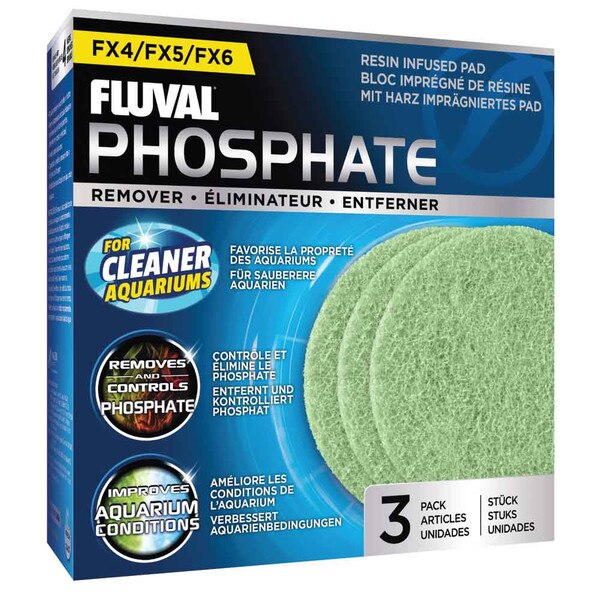
Specialized Filter Cartridges
Specialized cartridges fit inside filter units. They contain phosphate removing media for easy use.
Cartridges offer a simple way to reduce phosphate. Just replace the cartridge when it is full.
- Pre-filled with phosphate-absorbing materials
- Designed to fit standard aquarium filters
- Replace cartridges regularly for best results
Diy Phosphate Filters
DIY phosphate filters let you create custom solutions. Use materials like media bags and phosphate-absorbing media.
These filters can fit any tank size. You control the amount and type of media used.
- Fill mesh bags with phosphate-removing granules
- Place bags in filter chambers or sump tanks
- Check and change media to keep phosphate low
Choosing The Right Filter
Choosing the right aquarium filter is key for controlling phosphate levels. A good filter keeps water clean and healthy for fish.
Filters vary by size, compatibility, and cost. Understanding these helps pick the best option for your tank.
Tank Size Considerations
Tank size affects filter choice. Larger tanks need stronger filters to handle more water and waste.
| Tank Size | Recommended Filter Type | Filter Capacity (GPH) |
| Small (up to 20 gallons) | Hang-on-back or sponge filter | 100-150 |
| Medium (20-55 gallons) | Canister or power filter | 200-300 |
| Large (55+ gallons) | Canister or sump filter | 400+ |
Compatibility With Existing Setup
Check if the filter fits your tank’s size and shape. Also, make sure it matches your water flow needs.
- Measure tank dimensions before buying
- Consider filter placement space
- Match filter output to fish and plants
- Check power source and noise level
Budget And Maintenance
Filters differ in price and upkeep. Choose one that fits your budget and time for cleaning.
- Set a budget for purchase and parts
- Check how often filter media needs replacing
- Consider ease of cleaning and parts access
- Look for energy-efficient models to save costs
Installation And Setup Tips
Using an aquarium filter helps control phosphate levels in your tank. Proper installation and setup improve its performance.
Follow these tips to position the filter correctly, keep the media fresh, and set the right flow rate.
Positioning The Filter
Place the filter where water flows through it easily. Avoid areas with low circulation or dead spots.
Keep the filter intake away from fish waste and debris to prevent clogging and maintain phosphate removal.
- Install near the tank bottom for better debris capture
- Ensure the output flows across the tank to mix water
- Keep the filter hidden but accessible for maintenance
Media Replacement Schedule
Replace phosphate-removing media regularly to keep it effective. Old media loses its ability to absorb phosphates.
Check the media every 2 to 4 weeks and change it based on your tank’s phosphate levels and filter type.
- Change media monthly for tanks with high phosphate
- Replace every 6 weeks for average phosphate levels
- Rinse media in tank water before reuse if recommended
Optimizing Flow Rate
Set the filter flow rate to move water steadily without disturbing fish or plants. Proper flow improves phosphate removal.
Too fast flow can reduce contact time with media. Too slow flow lowers water circulation and filtration efficiency.
- Start with flow rate recommended by the filter maker
- Adjust flow to avoid stirring up substrate or stressing fish
- Monitor water clarity and phosphate levels to find the best flow
Monitoring Phosphate Levels
Phosphate control is vital for a healthy aquarium. High phosphate levels can lead to algae growth, which is harmful to fish and plants. Regular monitoring keeps phosphate levels in check and maintains a balanced environment.
Understanding how to test and adjust phosphate levels is important for aquarium upkeep. Here’s a guide to help you manage this process effectively.
Testing Kits And Frequency
Testing kits are tools that measure phosphate levels in water. These kits are easy to use and provide quick results. It’s important to use them regularly to maintain optimal conditions.
Test your aquarium water weekly. Consistent testing helps catch phosphate spikes early and prevents algae problems.
- Choose a reliable phosphate testing kit
- Follow the instructions carefully
- Record your results for future reference
Interpreting Test Results
Understanding test results is crucial for phosphate control. A low phosphate level is ideal for most aquariums. High levels can be problematic and require immediate action.
If the test shows high phosphate, it might be due to overfeeding or decaying plants. Address these issues to restore balance.
- Ideal phosphate level: below 0.05 mg/L
- High phosphate: above 0.10 mg/L
- Check for common causes of high phosphate
Adjusting Filtration Accordingly
Filtration plays a key role in controlling phosphate levels. Adjust your filter to remove excess phosphate from the water. This process helps maintain a clean and healthy aquarium.
Consider using specialized phosphate-removing media in your filter. This helps reduce phosphate levels effectively and prevents future spikes.
- Use phosphate-removing filter media
- Clean filters regularly for best results
- Monitor changes in phosphate levels after adjustments
Additional Phosphate Control Methods
Keeping phosphate levels low is key for a healthy aquarium. Filters help, but other methods also reduce phosphates. These methods work well alongside your aquarium filter.
Here are some simple ways to control phosphate naturally and keep your water clean and clear.
Regular Water Changes
Changing water often removes phosphates and other waste. It keeps the tank environment safe for fish and plants. Use clean, phosphate-free water to refill the tank.
- Change 10-20% of water weekly
- Use a gravel vacuum to clean the substrate
- Test phosphate levels before and after changes
- Use water conditioner to remove chlorine
Limiting Phosphate Sources
Phosphates enter the aquarium from fish food, decorations, and tap water. Choosing the right supplies helps cut down phosphate input.
| Source | How to Limit |
| Fish Food | Feed only what fish eat in 2 minutes |
| Decorations | Use phosphate-free or natural materials |
| Tap Water | Test water and use phosphate removers if needed |
Using Live Plants
Live plants absorb phosphates as nutrients. They help balance your aquarium’s ecosystem naturally. Fast-growing plants are best at phosphate control.
- Choose plants like hornwort or water sprite
- Plant densely to absorb more phosphates
- Remove dead plant parts to avoid decay
- Provide proper light and nutrients for plant growth
Credit: www.thatpetplace.com
Common Mistakes To Avoid
Keeping your aquarium clean is important. Filters help control phosphate levels. But, mistakes can make things worse.
Learn how to use your filter correctly. Avoid these common errors for a healthy aquarium.
Overfiltering
More filtering isn’t always better. Too much filtering can remove good bacteria. These bacteria help keep water healthy.
Balance is key. Use the right size filter for your tank. This keeps water clean without harming helpful bacteria.
Ignoring Media Saturation
Filter media gets saturated over time. When full, it can’t remove phosphates. Regular checks are important.
Replace or clean media as needed. This ensures your filter works properly. A working filter keeps phosphate levels low.
Neglecting Water Testing
Testing water is crucial. It shows phosphate levels in your tank. Without testing, you won’t know if there’s a problem.
Test your water regularly. This helps you spot issues early. Fix problems before they harm your fish.
- Use a reliable test kit
- Check water weekly
- Adjust filter use based on test results

Credit: sevenports.com
Frequently Asked Questions
What Is The Best Aquarium Filter For Phosphate Control?
The best aquarium filter for phosphate control uses media like activated carbon or phosphate removers. It effectively lowers phosphate levels and prevents algae growth. Choosing a filter with chemical filtration options improves water quality and maintains a healthy aquatic environment.
How Do Aquarium Filters Reduce Phosphate Levels?
Aquarium filters reduce phosphate by trapping particles and using phosphate-absorbing media. Chemical filtration media bind phosphates, removing them from the water. This process prevents excess nutrient buildup, which helps control algae growth and keeps water clear and healthy for fish.
Can Phosphate Control Filters Prevent Algae Growth?
Yes, phosphate control filters limit algae growth by reducing phosphate nutrients. Algae feed on phosphates, so removing them starves algae. Maintaining low phosphate levels helps keep the aquarium clean and visually appealing while supporting fish health and plant growth.
How Often Should I Replace Phosphate Filter Media?
Replace phosphate filter media every 4 to 6 weeks for optimal results. Over time, media loses its ability to absorb phosphates effectively. Regular replacement ensures continuous phosphate removal and maintains balanced water chemistry in your aquarium.
Conclusion
Controlling phosphate in your aquarium keeps fish healthy and water clear. A good filter helps remove excess phosphate easily. Regular cleaning and filter checks improve results. Choose filters designed for phosphate control to avoid algae growth. Healthy water means happier fish and plants.
Keep your aquarium balanced for a beautiful, thriving tank. Simple steps make a big difference every day. Your fish will thank you.