
If you want your ornamental fish tank to stay clean and your fish to stay healthy, choosing the right aquarium filter is essential. Without a good filter, waste and harmful substances can build up quickly, making your tank a risky place for your fish.
You might wonder which filter suits your setup best or how to keep the water crystal clear without stressing your fish. This guide will help you understand everything you need to know about aquarium filters for ornamental fish tanks. Keep reading to discover simple tips and tricks that will make your tank a beautiful, safe home for your fish.
Types Of Aquarium Filters
A good filter keeps your ornamental fish tank clean and healthy. Filters remove waste, dirt, and harmful chemicals.
There are different types of aquarium filters. Each type works in a special way to keep water clear.
Mechanical Filters
Mechanical filters trap solid waste and particles from the water. They act like a net to catch dirt.
These filters use sponges, pads, or floss to remove debris. Cleaning them often is important to keep flow strong.
- Removes fish waste and uneaten food
- Keeps water clear by trapping solids
- Needs regular cleaning or replacement
Biological Filters
Biological filters use good bacteria to break down harmful waste. These bacteria turn toxic ammonia into safe substances.
They grow on surfaces like ceramic rings or bio balls. Biological filters help keep fish healthy by cleaning water naturally.
- Hosts beneficial bacteria
- Converts toxic ammonia to nitrite, then to nitrate
- Needs oxygen-rich water to work well
Chemical Filters
Chemical filters remove toxins and odors from water. They use materials like activated carbon or resins to clean water at a chemical level.
These filters help clear cloudy water and remove bad smells. They need replacing often to stay effective.
- Removes dissolved chemicals and odors
- Uses activated carbon or special resins
- Needs regular replacement for best results
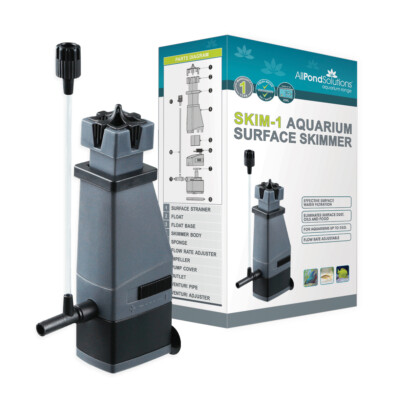
Combination Filters
Combination filters use more than one filtering method. They mix mechanical, biological, and chemical filtration in one unit.
These filters offer complete cleaning by handling waste, bacteria, and chemicals together. They are popular for easy maintenance.
- Includes mechanical, biological, and chemical parts
- Offers full water cleaning
- Good for most ornamental fish tanks
Credit: www.ebay.ca
Choosing Filters For Ornamental Fish
Choosing the right filter is key to keeping ornamental fish healthy. Filters clean the water and remove harmful substances.
A good filter helps maintain a safe and clear tank environment for your fish to thrive.
Tank Size And Filter Capacity
The filter should match the size of your fish tank. A small filter won’t clean a big tank well.
Choose a filter that can handle at least the volume of your tank per hour.
- For tanks under 20 gallons, use filters rated for 20 gallons or more.
- For tanks 20-50 gallons, pick a filter with higher capacity.
- For tanks over 50 gallons, use powerful filters or multiple units.
Fish Species And Their Needs
Different fish need different water conditions. Some fish need cleaner water than others.
Research your fish species before choosing a filter to meet their needs.
- Delicate fish like tetras need gentle filtration and clean water.
- Goldfish produce more waste and need stronger filtration.
- Bottom dwellers may prefer filters that do not create strong currents.
Water Flow And Oxygenation
Filters move water and help add oxygen. Too much flow can stress some fish.
Choose filters with adjustable flow to control water movement and oxygen levels.
- Low flow is best for calm fish like bettas.
- Moderate flow suits most community tanks.
- High flow helps oxygenate large or heavily stocked tanks.
Installation Tips
Setting up an aquarium filter correctly helps keep your fish healthy. A good installation ensures clear water and proper tank circulation.
Follow these tips to position, set up, and start your filter the right way for ornamental fish tanks.
Positioning The Filter
Place the filter where it can draw water easily without disturbing the fish. Most filters work best near a tank corner or sidewall.
Keep the filter intake below the water surface to avoid noise and maintain steady flow.
Setting Up Filter Media
Filter media cleans the tank water by trapping debris and housing beneficial bacteria. Use the right media in the correct order.
- Place mechanical media (sponges or pads) first to catch large particles.
- Next, add biological media like ceramic rings for bacteria growth.
- Finally, include chemical media such as activated carbon to remove odors and toxins.
Priming The Filter
Priming means filling the filter with water before turning it on. This step stops the motor from running dry.
| Priming Method | Instructions |
| Manual Fill | Pour water into the filter intake until full. |
| Automatic Priming | Switch the filter on briefly to fill it with water. |
Credit: www.vevor.ca
Maintenance And Cleaning
An aquarium filter is essential for keeping your fish tank clean. Regular maintenance ensures a healthy environment for your ornamental fish.
Learn how to maintain and clean your filter properly. This helps to prolong its life and keep your fish happy.
Cleaning Frequency
Cleaning frequency depends on the type of filter you use. Some filters need weekly cleaning, while others can go longer.
Check your filter manual for specific cleaning instructions. Regular cleaning prevents clogging and keeps water clear.
- Weekly: Sponge and power filters
- Bi-weekly: Canister filters
- Monthly: Undergravel filters
Replacing Filter Media
Filter media should be replaced regularly. This ensures your filter works effectively. Different media types have different replacement schedules.
Replace activated carbon every 3-4 weeks. Bio-media lasts longer but needs occasional rinsing.
- Activated carbon: Replace every month
- Bio-media: Rinse monthly, replace if damaged
- Mechanical media: Replace if worn out
Avoiding Common Mistakes
Don’t clean all filter parts at once. This removes beneficial bacteria needed for a healthy tank. Clean parts on different days.
Avoid using soap or harsh chemicals. They can harm fish. Use tank water to rinse filter parts.
- Stagger cleaning times for different parts
- Use only tank water for rinsing
- Do not use soap or chemicals
Troubleshooting Filter Issues
A clean aquarium filter keeps water safe for your fish. Sometimes, filters stop working well. This guide helps fix common filter problems.
Fixing filter issues quickly protects your fish. Check these problems to keep your tank healthy and clear.
Noisy Filters
Noisy filters can bother you and your fish. Noise often means parts are dirty or broken. Clean the filter parts to reduce noise.
Check if the impeller moves freely. Replace worn parts if noise stays. Make sure the filter is level and stable to stop vibrations.
- Clean the impeller and housing
- Replace damaged parts
- Place filter on a flat surface
- Check for trapped air bubbles
Reduced Water Flow
Slow water flow means the filter is not working well. Blocked tubes or dirty media can cause this. Clean or replace the filter media regularly.
Look for clogs in intake tubes and clean them. Check if the pump is running properly. Fixing flow keeps the water clean for your fish.
- Clean filter media and tubes
- Clear any debris blocking intake
- Check pump for damage
- Ensure filter is fully assembled
Filter Leaks
Leaks can cause water damage and stress fish. Check all seals and connections for cracks or looseness. Tighten or replace parts as needed.
Inspect the filter housing for damage. Use aquarium-safe sealant for small cracks. Turn off the filter before fixing leaks to avoid electric hazards.
- Check and tighten all connections
- Inspect seals and replace if worn
- Look for cracks in the housing
- Use safe sealant on small leaks
- Turn off filter before repairs

Credit: sevenports.com
Enhancing Water Quality
Aquarium filters are vital for keeping fish tanks clean. They help remove debris and harmful substances from the water.
To maintain a healthy environment, it is essential to use the right filtration methods. Let’s explore some effective options.
Supplemental Filtration Methods
Supplemental filtration enhances the main filter’s performance. It helps in keeping the water clean and safe for fish.
- Sponge filters for biological filtration
- Protein skimmers for saltwater tanks
- UV sterilizers to kill harmful microorganisms
Using Activated Carbon
Activated carbon is popular for removing impurities. It absorbs chemicals and odors, making water clearer.
Consider using activated carbon in a filter bag. Replace it every four weeks for best results.
Beneficial Bacteria Additives
Beneficial bacteria help break down waste. They convert harmful ammonia into less toxic substances.
| Additive Type | Function |
| Nitrosomonas | Converts ammonia to nitrite |
| Nitrobacter | Converts nitrite to nitrate |
Energy Efficiency And Cost
Aquarium filters help keep water clean for ornamental fish. Choosing the right filter saves energy and money.
Energy use and cost are key when picking a filter. Efficient filters reduce bills and protect the environment.
Choosing Low Power Filters
Low power filters use less electricity. They keep tanks clean without raising energy costs.
Look for filters with energy-saving features. These models run quietly and use less power.
- Check the wattage before buying
- Choose filters designed for your tank size
- Consider filters with automatic power adjustments
Budget-friendly Options
You can find good filters without spending much. Many budget options still keep water clean.
Focus on quality and efficiency, not just price. A cheap filter might cost more in energy or repairs.
- Look for basic filters with good reviews
- Consider used filters in good condition
- Buy filters with easy-to-replace parts
Long-term Cost Considerations
Think about costs beyond the first purchase. Energy use and maintenance add to total expenses.
Choose filters that last long and need less power. This saves money over the years.
- Energy bills from daily filter use
- Replacement parts and filter media costs
- Time and effort for cleaning and upkeep
Frequently Asked Questions
What Type Of Filter Is Best For Ornamental Fish Tanks?
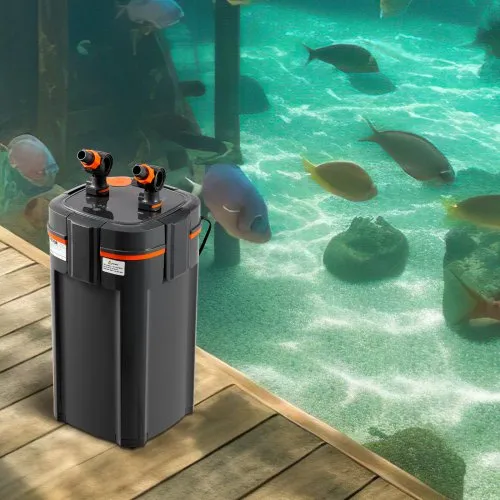
A canister filter is ideal for ornamental tanks. It provides excellent mechanical, biological, and chemical filtration. It keeps water clean and clear, ensuring a healthy environment for fish. Canister filters are quiet and efficient for various tank sizes.
How Often Should I Clean My Aquarium Filter?
Clean your aquarium filter every 3 to 4 weeks. Rinse filter media with tank water to preserve beneficial bacteria. Avoid using tap water to prevent killing helpful microbes. Regular cleaning maintains filter efficiency and keeps water quality high.
Can A Filter Prevent Fish Tank Algae Growth?
Yes, a good filter helps control algae by removing excess nutrients. Filters reduce organic waste that algae feed on. Combined with proper lighting and tank maintenance, filters keep algae growth in check. However, additional algae control methods may be needed.
What Size Aquarium Filter Do I Need?
Choose a filter rated for at least the tank’s volume. For example, a 30-gallon tank needs a filter rated for 30 gallons or more. A slightly larger filter ensures efficient water turnover and better filtration performance. Always check manufacturer recommendations.
Conclusion
Choosing the right aquarium filter keeps your fish healthy and happy. Clean water helps fish breathe and grow well. Filters remove waste and stop water from smelling bad. They also keep the tank clear and bright. Regular cleaning of the filter makes it work better and last longer.
A good filter saves time and worry. Healthy fish and clear water make your tank a beautiful home. Simple care with the right filter brings joy to both fish and owner.