
Are you struggling to keep your aquarium water clean and safe for your fish? High nitrate levels can harm your aquatic friends and cloud your tank, making it less enjoyable to watch.
The right aquarium filter for nitrate removal can make a huge difference in maintaining a healthy environment. You’ll discover how to choose the best filter that effectively reduces nitrates, ensuring clear water and happy fish. Keep reading to find simple solutions that will transform your aquarium care routine.

Credit: www.amazon.ca
Why Nitrate Removal Matters
Nitrates are common in aquariums. They come from fish waste and leftover food.
High nitrate levels can harm fish and plants. Removing nitrates keeps the tank healthy.
Impact Of Nitrates On Fish Health
Too much nitrate causes stress for fish. Stress weakens their immune system.
High nitrate can lead to slow growth and poor color. It may also cause fish to die early.
Sources Of Nitrate In Aquariums
Nitrates form when bacteria break down fish waste and uneaten food. Plants also add to the nitrate cycle.
Tap water can contain nitrates too. Regular water changes help lower nitrate levels.
- Fish waste and urine
- Uneaten food and decaying plants
- Bacteria converting ammonia to nitrate
- Tap water containing nitrates
Signs Of High Nitrate Levels
Fish may swim near the surface or gasp for air. They might lose appetite or become inactive.
Algae can grow quickly in tanks with high nitrate. Water may look cloudy or smell bad.
- Fish gasping at the surface
- Fish hiding or resting too much
- Faded fish colors
- Excessive algae growth
- Cloudy or smelly water

Credit: www.amazon.ca
Types Of Aquarium Filters
Aquarium filters keep water clean and safe for fish. They remove waste and harmful chemicals. Different filters work in different ways to maintain water quality.
Understanding the types of aquarium filters helps you choose the best one. Filters target solid waste, bacteria, and chemicals in the water.
Mechanical Filters
Mechanical filters trap solid particles like fish waste and uneaten food. They use sponges, pads, or floss to catch debris. This keeps the water clear and prevents clogging.
- Remove visible waste
- Prevent water cloudiness
- Require regular cleaning
- Protect other filter types from clogging
Biological Filters
Biological filters use good bacteria to break down harmful substances. These bacteria turn toxic ammonia into less harmful nitrate. This process is vital for fish health.
| Filter Part | Function |
| Filter Media | Holds bacteria colonies |
| Bacteria | Convert ammonia to nitrate |
| Water Flow | Delivers oxygen to bacteria |
Chemical Filters
Chemical filters remove toxins and impurities from water. They use materials like activated carbon to absorb chemicals. This helps control nitrate levels and improve water clarity.
Common chemical filter media include:
- Activated carbon
- Zeolite
- Resin beads
- Phosphate removers
Filters That Target Nitrates
Nitrates can build up in aquariums and harm fish and plants. Special filters help remove these nitrates. Using the right filter keeps your tank clean and safe.
Several types of filters work to reduce nitrate levels. Each uses a different process to keep water healthy. Let’s look at some common filters that target nitrates.
Denitrifying Filters
Denitrifying filters use bacteria to remove nitrates. These bacteria live in areas without oxygen. They change nitrates into nitrogen gas, which leaves the water.
These filters often use special media or chambers. The water flows slowly to give bacteria time to work. They are effective for keeping nitrate levels low.
Wet/dry Filters
Wet/dry filters expose water to air and bacteria. Water flows over a sponge or bio-media that stays wet. Air helps bacteria grow and break down nitrates.
These filters offer good oxygen flow. They support both nitrifying and denitrifying bacteria. This helps reduce harmful nitrate build-up in the tank.
Refugium Systems
Refugium systems are separate tanks linked to the main aquarium. They grow plants and algae that absorb nitrates from the water. This natural process lowers nitrate levels.
These systems also provide space for beneficial organisms. Refugiums improve water quality and help maintain a balanced aquarium environment.
Choosing The Right Filter
Removing nitrates from your aquarium is important for fish health. Choosing the right filter helps keep nitrate levels low. Filters vary in size, function, and care needs.
Consider your tank’s size, fish load, and setup before buying a filter. Also think about your budget and how much time you want to spend on maintenance.
Tank Size And Bioload Considerations
Filters must match the size of your tank and the number of fish inside. Bigger tanks need stronger filters to clean water well. More fish produce more waste and nitrates.
- Small tanks (under 20 gallons) need gentle filtration.
- Medium tanks (20 to 50 gallons) require moderate flow filters.
- Large tanks (over 50 gallons) need powerful filters with high flow rates.
- High bioload tanks need filters that handle heavy waste.
Compatibility With Aquarium Setup
Choose a filter that fits your aquarium’s style and space. Some filters hang on the back, others sit inside or under the tank. Consider where you can place the filter for easy access.
| Filter Type | Placement | Best For |
| Hang-on-back (HOB) | Back of tank | Most freshwater tanks |
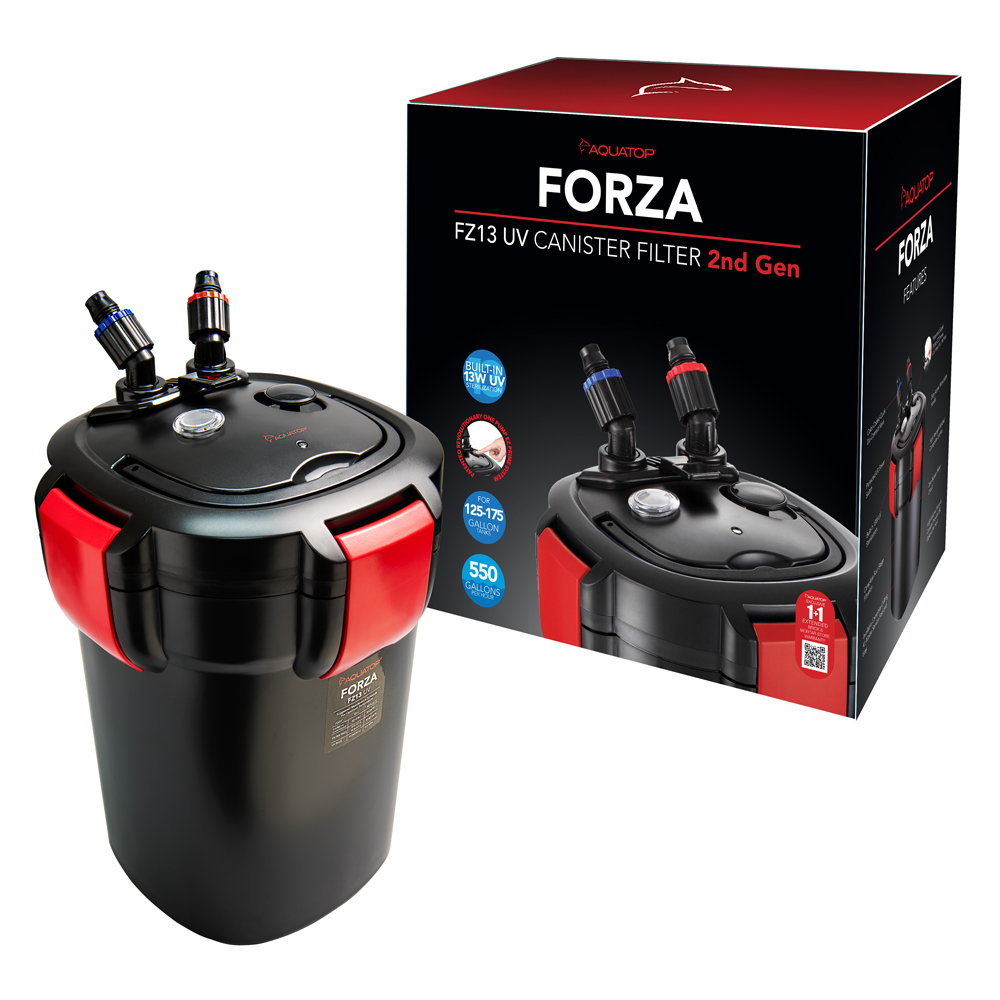
| Canister | Under or beside tank | Large or planted tanks |
| Internal | Inside tank | Small tanks or shrimp tanks |
| Sponge | Inside tank | Breeding or fry tanks |
Budget And Maintenance Needs
Filters vary in price and care effort. Some need frequent cleaning or parts replaced. Choose one that fits your budget and time for maintenance.
- Low-cost filters need more frequent care.
- Mid-range filters balance price and ease of use.
- High-end filters cost more but require less maintenance.
- Consider filter media costs and availability.
Enhancing Nitrate Removal
Nitrate removal is important for a healthy aquarium. High nitrate levels can harm fish and plants.
There are several methods to enhance nitrate removal. Let’s explore some effective strategies.
Using Live Plants
Live plants help reduce nitrate levels naturally. They absorb nitrates as they grow.
- Choose plants like Java Fern and Anubias
- Ensure they get enough light and nutrients
- Regularly trim and maintain plant health
Regular Water Changes
Regular water changes are key to lowering nitrate levels. Fresh water dilutes existing nitrates.
- Change 10-15% of the water weekly
- Use a gravel vacuum to clean the substrate
- Monitor nitrate levels with a test kit
Supplementing With Nitrate-reducing Media
Nitrate-reducing media can be added to filters. They are effective in absorbing nitrates.
| Media Type | Effectiveness |
| Zeolite | High |
| De-nitrate | Moderate |
| Bio-balls | Low |
Credit: www.aquatop.com
Maintaining Clear Water
Keeping aquarium water clear is key for a healthy fish tank. Nitrate buildup can cloud water and harm fish.
Using the right filter helps remove nitrates and keeps the water clean and safe for your fish.
Routine Filter Cleaning
Clean your aquarium filter regularly to keep it working well. A dirty filter cannot remove nitrates properly.
Remove debris and rinse filter parts in tank water to avoid killing helpful bacteria.
- Clean filter every 2-4 weeks
- Use tank water for rinsing filter media
- Replace filter media if it is worn out
Monitoring Water Parameters
Check water quality often to spot nitrate problems early. Use test kits to measure nitrate levels.
Keep nitrates below 20 ppm for a safe environment. High nitrates can cause stress and algae growth.
- Test nitrate levels weekly
- Check pH and ammonia as well
- Keep records to track changes
Troubleshooting Cloudiness And Algae
Cloudy water and algae often mean nitrate levels are high. Fix this by cleaning and adjusting care.
If water stays cloudy, check filter function and water changes. Reduce feeding to lower nitrate waste.
- Clean tank and filter more often
- Do partial water changes weekly
- Limit fish food to avoid excess waste
- Use plants to absorb nitrates naturally
Frequently Asked Questions
How Does An Aquarium Filter Remove Nitrates Effectively?
Aquarium filters remove nitrates by promoting beneficial bacteria growth. These bacteria convert harmful nitrates into nitrogen gas through biological filtration. This process reduces nitrate levels, keeping water safe for fish and plants. Efficient filters combine mechanical, chemical, and biological filtration for best nitrate removal results.
Which Filter Type Is Best For Nitrate Removal?
Biological filters are best for nitrate removal. They provide a surface for beneficial bacteria to thrive, converting nitrates into harmless gases. Canister filters and bio-wheels commonly excel in nitrate reduction. Combining mechanical and chemical filtration enhances overall water quality and nitrate control.
How Often Should I Clean My Nitrate Removal Filter?
Clean your nitrate removal filter every 3-4 weeks. Avoid over-cleaning to preserve beneficial bacteria colonies. Rinse filter media with tank water, not tap water, to protect bacteria. Regular maintenance ensures optimal nitrate removal and a healthy aquarium environment.
Can Nitrate Removal Filters Improve Aquarium Fish Health?
Yes, nitrate removal filters improve fish health by maintaining low nitrate levels. High nitrates cause stress, disease, and poor growth in fish. Efficient filtration reduces toxins, promoting a stable and clean aquatic environment for healthier fish.
Conclusion
Keeping nitrate levels low is key for a healthy aquarium. A good filter helps remove these harmful substances. Choose a filter designed for nitrate removal. Clean the filter regularly to keep it working well. Healthy fish need clean, clear water every day.
Small steps lead to big improvements in water quality. Your fish will thank you with vibrant colors and energy. Simple care makes aquarium keeping more fun and rewarding.