
If you want a healthy, vibrant aquarium, controlling nitrate levels is key. High nitrates can harm your fish and cloud your water.
But how do you keep nitrates in check without constant water changes? The answer lies in choosing the right aquarium filter for nitrate control. You’ll discover simple, effective ways to reduce nitrates and keep your tank thriving. By the end, you’ll know exactly what to look for in a filter that keeps your water clear and your fish happy.
Keep reading to unlock the secret to a cleaner, healthier aquarium!
Why Nitrate Matters
Nitrate is a common chemical in aquarium water. It comes from fish waste and leftover food. High nitrate levels can harm fish and plants.
Keeping nitrate low helps fish stay healthy. It also keeps the water clear and clean.
Sources Of Nitrate In Aquariums
Nitrate forms when bacteria break down fish waste and uneaten food. Plants and decorations also add to nitrate levels over time.
- Fish waste and urine
- Uneaten fish food
- Decaying plants and algae
- Tap water with nitrates
Effects Of High Nitrate Levels
High nitrate can stress fish and weaken their immune system. It may cause slow growth and poor colors. Plants can also suffer from too much nitrate.
Excess nitrate encourages algae growth. This makes the tank look dirty and can use up oxygen needed by fish.
- Fish stress and illness
- Reduced fish growth
- Faded fish colors
- Algae blooms
- Oxygen depletion
Safe Nitrate Ranges For Fish
Most fish do best with nitrate levels below 40 ppm (parts per million). Sensitive fish need even lower levels, under 20 ppm.
Regular water tests help keep nitrate in safe ranges. Changing water and using good filters control nitrate.
| Fish Type | Safe Nitrate Level (ppm) |
|---|---|
| Hardy fish (e.g., goldfish) | Below 40 ppm |
| Sensitive fish (e.g., tetras) | Below 20 ppm |
| Plants | 10-30 ppm |

Credit: www.amazon.ca
Types Of Aquarium Filters
Aquarium filters help keep water clean and safe for fish. They remove waste, dirt, and harmful chemicals.
Different types of filters work in different ways. Each type plays a role in controlling nitrate levels in the water.
Mechanical Filters
Mechanical filters trap solid waste and debris from the water. They use sponges, pads, or floss to catch particles.
Removing these particles helps stop nitrate buildup. Waste breaks down into nitrate if left in the tank.
- Sponges and foam pads catch dirt
- Filter floss traps tiny particles
- Easy to clean and replace
Biological Filters
Biological filters use good bacteria to break down waste. These bacteria turn harmful ammonia into less harmful nitrate.
Good bacteria live in filter media like ceramic rings or bio balls. They help keep the water safe for fish.
- Supports beneficial bacteria growth
- Converts ammonia to nitrate
- Helps maintain a healthy tank environment
Chemical Filters
Chemical filters remove dissolved impurities from the water. They use activated carbon or special resins to clean chemicals.
These filters reduce toxins and help control nitrate levels. They improve water clarity and smell.
- Activated carbon removes odors and chemicals
- Resins target specific pollutants
- Needs regular replacement for best results
Filters That Reduce Nitrate
Nitrate buildup can harm fish and plants in an aquarium. Using filters that reduce nitrate helps keep the water clean and safe.
There are different types of filters designed to lower nitrate levels. Each type works in a unique way to improve water quality.
Denitrifying Filters
Denitrifying filters use bacteria to convert nitrate into nitrogen gas. This process removes nitrate from the water. These filters create low-oxygen zones where special bacteria thrive.
Refugium Filters
Refugium filters are small tanks connected to the main aquarium. They grow plants and algae that absorb nitrate as food. This natural method helps control nitrate levels.
- Provides extra space for beneficial plants
- Improves water quality naturally
- Supports small animals like snails and shrimp
- Reduces nitrate by plant uptake
Wet/dry Filters
Wet/dry filters expose water to air and filter media. This design promotes bacteria that break down nitrate. They are easy to maintain and effective at nitrate control.
| Filter Type | How It Works | Main Benefit |
|---|---|---|
| Denitrifying Filter | Bacteria convert nitrate to nitrogen gas | Removes nitrate biologically |
| Refugium Filter | Plants and algae absorb nitrate | Natural nitrate reduction |
| Wet/Dry Filter | Exposes water to air to support bacteria | Efficient nitrate breakdown |
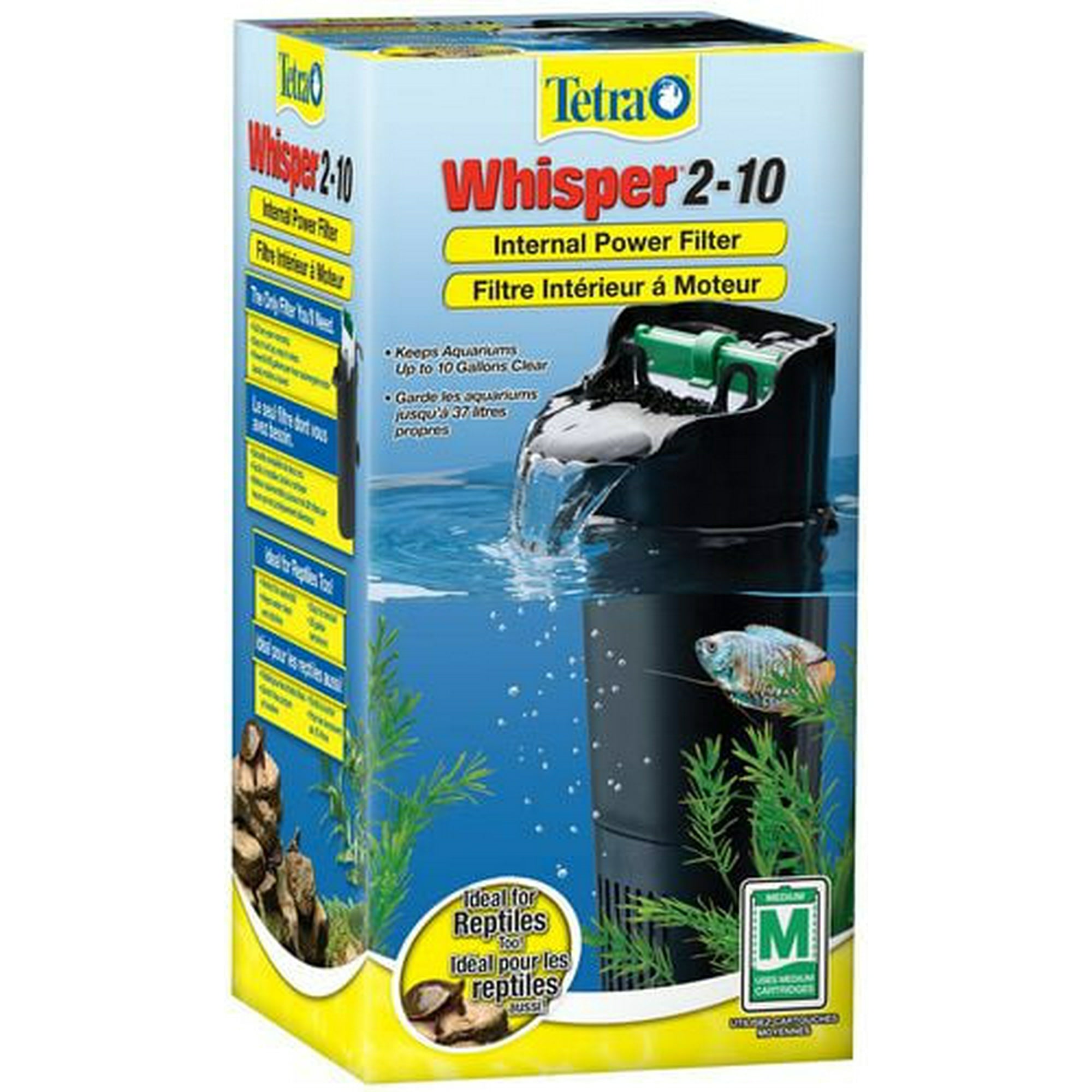
Credit: www.walmart.ca
Choosing The Right Filter
Keeping nitrate levels low is important for a healthy aquarium. The right filter helps control nitrate buildup. It removes waste and supports good water quality.
Choosing a filter depends on several factors. Consider tank size, fish stock, and how much you can maintain the filter.
Tank Size Considerations
Tank size affects the type and power of the filter you need. Bigger tanks need stronger filters to clean the water well.
Filters that work for small tanks may not be enough for large tanks. Always check the filter’s capacity before buying.
- Small tanks (under 20 gallons): use gentle filters
- Medium tanks (20 to 50 gallons): choose moderate flow filters
- Large tanks (over 50 gallons): need strong filters with high flow
Fish Stock And Bioload
The number and size of fish affect how much waste builds up. More fish produce more nitrate.
Filters must handle the bioload well to keep nitrate low. Choose filters that match your fish count and size.
- Light fish stock: small filters work fine
- Moderate fish stock: use filters with good biological media
- Heavy fish stock: need filters with large capacity and strong flow
Maintenance Requirements
Some filters need more cleaning than others. Pick a filter that fits your time for maintenance.
Regular cleaning helps filters work well and lowers nitrate levels. Avoid filters that clog quickly if you want less work.
- Low maintenance: sponge or canister filters with easy access
- Moderate maintenance: hang-on-back filters need regular media changes
- High maintenance: complex filters need more frequent cleaning
Enhancing Filter Performance
Keeping nitrate levels low is important for a healthy aquarium. A good filter helps remove waste and controls nitrates.
Improving filter performance can make your water cleaner and safer for fish. Simple steps keep your filter working well.
Regular Cleaning Tips
Cleaning your filter often stops clogs and keeps water flowing. Dirty filters do not remove nitrates well.
Rinse filter parts in old aquarium water to keep beneficial bacteria alive. Avoid using tap water for cleaning.
- Clean sponges and pads every 2-4 weeks
- Check for blockages in tubes and pumps
- Replace worn filter media as needed
- Do not clean all parts at once to save bacteria
Using Filter Media Effectively
Filter media traps debris and supports bacteria that break down nitrates. Using the right media helps control water quality.
Use a mix of mechanical, chemical, and biological media for best results. Each type has a special role in cleaning water.
- Mechanical media catches large particles
- Chemical media removes toxins and odors
- Biological media grows bacteria to reduce nitrates
- Replace chemical media monthly for best effect
Complementary Nitrate Control Methods
Filters help, but other methods also reduce nitrates. Combining methods gives cleaner water and healthier fish.
Use live plants and water changes along with your filter. These help lower nitrate buildup in the tank.
- Add fast-growing plants to absorb nitrates
- Perform regular water changes of 10-20%
- Use nitrate-absorbing resins or pads if needed
- Feed fish only what they can eat quickly

Credit: www.amazon.ca
Common Mistakes To Avoid
Aquarium filters are essential for keeping fish tanks clean. They help control nitrate levels. But sometimes, mistakes happen. These errors can harm your fish and water quality.
Learn about common mistakes to avoid with aquarium filters. This will help you maintain a healthy environment for your fish.
Overfeeding And Waste Build-up
Overfeeding fish is a common mistake. It leads to waste build-up. Excess food falls to the bottom and decays. This raises nitrate levels in the tank.
Feed your fish small amounts. Make sure they eat all the food in a few minutes. This prevents waste and keeps nitrate levels low.
- Feed fish once or twice a day.
- Remove uneaten food after feeding.
- Observe fish behavior during feeding.
Neglecting Filter Maintenance
Filters need regular maintenance. If neglected, they become less effective. Dirty filters lead to high nitrate levels. This harms your fish.
Check your filters often. Clean or replace them as needed. This ensures they work properly and keep nitrates in check.
- Check filters weekly.
- Replace filter media every month.
- Rinse filters in tank water, not tap water.
Ignoring Water Testing
Water testing is crucial for aquariums. It helps you monitor nitrate levels. Ignoring tests can lead to unhealthy water conditions.
Test your water weekly. Use a reliable test kit. This helps you catch problems early and keep your fish healthy.
- Test water for nitrates weekly.
- Record test results to track changes.
- Adjust filtration if nitrate levels rise.
Frequently Asked Questions
What Is The Best Aquarium Filter For Nitrate Control?
The best aquarium filter for nitrate control is a biological filter. It uses beneficial bacteria to convert nitrates into harmless nitrogen gas, reducing nitrate levels effectively and maintaining water quality.
How Do Aquarium Filters Reduce Nitrate Levels?
Aquarium filters reduce nitrate by promoting bacterial growth. These bacteria convert harmful nitrate into nitrogen gas through a process called denitrification, which escapes from the water, keeping nitrate levels low and fish healthy.
Can Mechanical Filters Help Control Nitrate Buildup?
Mechanical filters primarily remove debris, not nitrate. They trap particles but do not reduce nitrate. Biological filtration is essential for nitrate control as it breaks down nitrate naturally.
How Often Should I Clean My Aquarium Filter For Nitrate Control?
Clean your aquarium filter every 2-4 weeks. Avoid over-cleaning to preserve beneficial bacteria that reduce nitrates. Regular maintenance ensures efficient filtration and stable nitrate levels.
Conclusion
Controlling nitrate levels keeps fish healthy and water clear. A good aquarium filter plays a key role here. It removes waste and prevents nitrate build-up. Choose a filter that fits your tank size and needs. Regular cleaning helps the filter work well over time.
Watch your water quality often to catch problems early. Clean water means happy fish and a beautiful tank. Simple steps can make a big difference in your aquarium care.