
If you have a multi-species tank, you know how important it is to keep the water clean and healthy for all your aquatic friends. Choosing the right aquarium filter can make a huge difference in maintaining a balanced environment where different fish and plants can thrive together.
But with so many options out there, how do you pick one that works best for your unique setup? This guide will help you understand exactly what to look for in an aquarium filter for multi-species tanks, so you can create a vibrant, stress-free home for every creature in your aquarium.
Keep reading to discover the secrets of perfect filtration and ensure your tank stays crystal clear and safe.
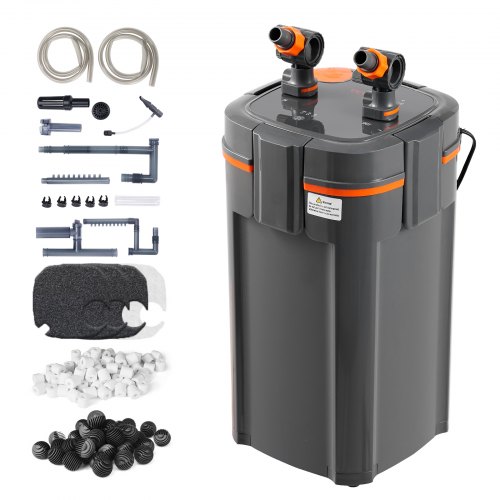
Credit: www.vevor.com
Choosing The Right Filter
Aquarium filters keep the water clean and healthy for fish. Picking the right filter is key for tanks with many fish types.
Different fish produce different wastes. You need a filter that handles all types well and keeps the water clear.
Filter Types For Multi-species Tanks
There are many filter types. Each works best for certain tank setups and fish needs.
- Canister filters offer strong cleaning and good water flow.
- Hang-on-back filters are easy to maintain and fit most tanks.
- Sponge filters are gentle and good for small or fry tanks.
- Internal filters fit inside tanks and save space.
- Undergravel filters use the gravel for biological cleaning.
Choose a filter type that suits your fish and tank setup. Some filters work better with many species.
Capacity And Flow Rate Considerations
Filters must handle the tank size and fish load. Capacity means how much water the filter can clean.
Flow rate is how fast water moves through the filter. Too strong flow may stress some fish.
- Check filter capacity matches your tank volume.
- Choose a flow rate that suits your fish’s needs.
- Adjust flow if possible for different species comfort.
- Over-filtering is better than under-filtering for multi-species tanks.
Compatibility With Tank Size
Filter size must fit your tank dimensions. Too large filters may not fit well.
Some filters work better in large tanks. Others suit small or medium tanks.
- Measure tank before buying a filter.
- Check filter dimensions and installation needs.
- Choose filters designed for your tank size range.
- Consider space for filter maintenance and access.
Mechanical Filtration Benefits
Mechanical filtration plays a key role in keeping multi-species tanks clean. It removes waste and particles from the water.
This process helps keep the tank environment healthy for all fish and plants. Clean water supports good oxygen levels and visibility.
Removing Debris And Particles
Mechanical filters trap solid waste like uneaten food, fish waste, and plant debris. Removing these particles stops them from decaying in the water.
- Prevents water cloudiness
- Reduces harmful bacteria growth
- Improves water flow in the tank
- Protects sensitive species from waste buildup
Preventing Filter Clogging
Mechanical filtration also helps stop the filter from clogging. Clogged filters slow down water flow and reduce efficiency.
| Cause of Clogging | Effect on Filter | Benefit of Mechanical Filtration |
| Trapped debris | Blocks water flow | Keeps filter clean longer |
| Excess particles | Reduces oxygen exchange | Maintains proper water flow |
| Organic waste buildup | Causes filter damage | Protects filter parts |
Biological Filtration Essentials
Biological filtration is key for healthy aquarium water. It removes harmful waste using bacteria. This process keeps fish and plants safe in multi-species tanks.
Good filtration supports a balance between fish and bacteria. It helps maintain clean water and stable tank conditions over time.
Nitrifying Bacteria Role
Nitrifying bacteria convert toxic ammonia into less harmful substances. They first change ammonia to nitrite, then nitrite to nitrate. This cycle prevents poison buildup in the tank.
- Ammonia comes from fish waste and uneaten food.
- Bacteria convert ammonia into nitrite, which is also toxic.
- Other bacteria turn nitrite into nitrate, which is safer.
- Regular water changes remove excess nitrate from the tank.
Maintaining Beneficial Bacteria Colony
Keep bacteria colonies healthy to ensure good filtration. Avoid cleaning all filter media at once. This protects bacteria from being wiped out.
| Action | Effect on Bacteria |
| Rinse filter media in aquarium water | Removes debris, keeps bacteria alive |
| Replace filter media completely | Destroys bacteria colony |
| Maintain stable water temperature | Supports bacteria growth |
| Avoid strong chemicals | Prevents bacteria death |
Chemical Filtration Options
Chemical filtration helps keep aquarium water clean. It removes harmful substances that affect fish health.
This is important for multi-species tanks because different fish produce different waste chemicals.
Activated Carbon Uses
Activated carbon is a common chemical filter media. It removes odors, discoloration, and toxins from water.
This filter media works by trapping chemicals on its surface. It helps keep water clear and safe for fish.
- Removes chlorine and chloramine from tap water
- Reduces harmful chemicals from fish waste
- Clears yellow or brown water tint
- Eliminates odors caused by decaying matter
Other Chemical Media Choices
Besides activated carbon, other chemical media can improve water quality. Each has a special use in aquariums.
Some remove specific toxins, while others help balance water chemistry for different fish species.
- Zeolite: absorbs ammonia, useful in new or crowded tanks
- Phosphate removers: lower phosphate to prevent algae growth
- Resin beads: remove heavy metals like copper and lead
- Purigen: traps organic waste and improves water clarity
Filter Maintenance Tips
Keeping your aquarium filter clean is key to a healthy tank. Proper maintenance helps all fish and plants thrive.
This guide shares easy tips on cleaning schedules, replacing media, and avoiding common mistakes.
Cleaning Schedule For Multi-species Tanks
Multi-species tanks need regular filter cleaning to keep water clear and safe. A steady routine avoids buildup of waste and toxins.
- Check filter parts every two weeks for debris and dirt.
- Rinse filter sponges and cartridges in tank water only.
- Clean intake tubes monthly to prevent clogging.
- Do not clean all filter media at once to keep beneficial bacteria alive.
- Note any changes in water flow or noise as signs for extra cleaning.
Replacing Filter Media
Filter media traps dirt and helps good bacteria grow. Replace it carefully to keep tank balance.
| Type of Media | Replacement Frequency |
| Mechanical (sponges, pads) | Every 3-4 weeks |
| Chemical (activated carbon) | Every 4-6 weeks |
| Biological (bio balls, ceramic rings) | Only when damaged |
Avoiding Common Maintenance Mistakes
Many aquarium keepers make simple mistakes that hurt their tanks. Avoid these to keep your filter working well.
- Do not use tap water with chlorine to clean media; use tank water instead.
- Never clean all filter parts at the same time.
- Avoid over-cleaning which removes helpful bacteria.
- Do not replace all media at once; stagger replacements.
- Keep a maintenance log to track cleaning and replacements.

Credit: www.ebay.com
Enhancing Water Quality
Aquarium filters play a key role in keeping water clean in multi-species tanks. Good water quality helps fish and plants stay healthy.
Filters remove waste, toxins, and debris from the water. This creates a safe environment for different fish species.
Balancing Filtration With Regular Water Changes
Filters clean the water by trapping particles and breaking down waste. Still, they cannot remove all toxins on their own.
Regular water changes help keep the water fresh and reduce harmful chemicals. Combining filtration and water changes improves water quality.
- Change 10-20% of the water weekly
- Use dechlorinated water to protect fish
- Clean the filter media carefully during water changes
- Do not change all the water at once to avoid stress
Monitoring Water Parameters
Testing water parameters helps you spot problems early. Good water quality depends on stable pH, ammonia, nitrite, and nitrate levels.
Check water regularly to keep fish safe. Adjust filter settings or water changes based on test results.
- Test pH to keep it stable for all species
- Check ammonia and nitrite for toxic levels
- Monitor nitrate to avoid buildup
- Record results to track changes over time
Special Considerations For Diverse Species
Keeping different fish species in one tank can be a challenge. Each species has its own needs, especially with filtration. A good filter keeps the water clean and safe for all fish.
It’s important to understand the needs of each species. The right filter helps them live together happily. Let’s explore the special considerations for multi-species tanks.
Sensitive Species Needs
Some fish are very sensitive to water changes. They need stable water conditions. A filter must work gently to avoid stress.
Look for filters with adjustable flow rates. This helps keep the water calm for sensitive species. It reduces the risk of stress-related issues.
- Choose a filter with a gentle flow setting
- Monitor water parameters regularly
- Provide hiding spots for sensitive fish
Managing Waste Production
Different fish produce different waste levels. A good filter handles this waste effectively. It keeps the water clean and clear.
High waste levels need stronger filtration. Consider using a multi-stage filter. It removes debris, ammonia, and nitrites efficiently.
- Use a filter suitable for tank size and fish type
- Regularly clean filter media
- Check ammonia and nitrite levels often
Avoiding Cross-contamination
Cross-contamination can harm fish health. Different species can pass diseases to each other. A proper filter helps prevent this.
Use filters with UV sterilizers if possible. They kill harmful bacteria and parasites. This keeps the tank safer for all species.
- Quarantine new fish before adding them
- Regularly check for signs of disease
- Consider filters with UV sterilizers

Credit: sevenports.com
Upgrading And Customizing Filters
Upgrading your aquarium filter is important for healthy fish. Custom filters can meet the needs of different species.
Adding new features to your filter can improve water quality. It helps keep your tank clean and supports diverse aquatic life.
Adding Pre-filters And Diffusers
Pre-filters catch large debris before it reaches the main filter. They protect your filter from clogs and reduce maintenance.
Diffusers spread out the flow of water. They create gentle currents that are safe for small fish and plants.
- Pre-filters are easy to attach and remove
- Diffusers help balance water pressure
- Both increase filter efficiency
Combining Filter Types
Combining different filters can handle multiple tank needs. Use a mix of mechanical, biological, and chemical filters.
This combination supports fish with different requirements. It also improves overall water quality in your tank.
| Filter Type | Purpose |
| Mechanical | Removes debris |
| Biological | Breaks down waste |
| Chemical | Removes toxins |
Frequently Asked Questions
What Is The Best Filter For Multi-species Tanks?
A canister filter is ideal for multi-species tanks. It provides strong mechanical, biological, and chemical filtration. This helps maintain water quality and supports diverse aquatic life effectively.
How Often Should I Clean My Aquarium Filter?
Clean your aquarium filter every 2 to 4 weeks. Regular cleaning ensures optimal performance and prevents harmful waste buildup. Avoid over-cleaning to preserve beneficial bacteria in the filter.
Can One Filter Support Multiple Fish Species?
Yes, a high-capacity filter can support multiple species. It must handle the bio-load and maintain stable water parameters for all tank inhabitants.
Why Is Biological Filtration Important In Multi-species Tanks?
Biological filtration breaks down toxic ammonia and nitrites. It keeps water safe for all species by promoting beneficial bacteria growth. This is crucial for a healthy ecosystem.
Conclusion
Choosing the right aquarium filter keeps your tank clean and healthy. It helps balance water for all fish types. Good filtration reduces waste and prevents disease. Filters also improve water clarity and oxygen levels. Remember, each tank needs a filter that fits its size and species.
Regular cleaning of the filter keeps it working well. A well-maintained filter means happy fish and clearer water. Simple steps lead to a thriving multi-species aquarium. Keep it clean, keep it safe, and enjoy your fish.