
Choosing the right aquarium filter for your medium freshwater tank can make all the difference in keeping your fish healthy and your water crystal clear. You want a filter that not only cleans efficiently but also fits your tank’s size and your lifestyle.
If you’ve ever struggled with cloudy water or a smelly tank, you know how frustrating it can be. This guide will help you find the perfect filter so you can enjoy a beautiful, thriving aquarium without the hassle. Keep reading to discover the best options and expert tips tailored just for your tank.
Choosing Filters For Medium Tanks
Choosing the right filter helps keep your freshwater tank clean and healthy. Medium tanks need filters that match their size and fish load.
Understanding flow rate, filter types, and key features guides you to the best choice for your tank.
Tank Size And Flow Rate
Medium tanks usually hold between 20 and 40 gallons of water. The filter should circulate water several times each hour to keep it clean.
- Look for filters with a flow rate of 4 to 6 times your tank’s volume per hour.
- For a 30-gallon tank, aim for a filter with 120 to 180 gallons per hour flow.
- Too high flow can stress fish, so adjust flow if needed.
Filter Types Compared
| Filter Type | Advantages | Disadvantages |
| Hang-On-Back (HOB) | Easy to install and maintain | Takes tank space above water |
| Canister | Strong filtration and quiet | More expensive and complex setup |
| Internal | Compact and good for small spaces | Less powerful for medium tanks |
| Sponge | Great for biological filtration | Needs frequent cleaning |
Key Features To Consider
- Filter media type: mechanical, biological, chemical
- Ease of cleaning and maintenance
- Noise level during operation
- Energy consumption and power use
- Adjustable flow control options
Credit: www.amazon.com
Top Filter Picks
Choosing the right filter for a medium freshwater tank keeps water clean and fish healthy.
Different filters suit different tank setups. Here are the main types to consider.
Hang-on-back Filters
These filters hang on the tank’s back wall. They use a pump to pull water up and through filter media.
They are easy to install and maintain. Hang-on-back filters offer good mechanical and chemical filtration.
Canister Filters
Canister filters sit below the tank and use hoses to move water. They provide strong filtration for larger tanks.
| Feature | Benefit |
| Powerful Pump | Handles high water flow |
| Multiple Media Slots | Customizable filtration types |
| Quiet Operation | Minimal noise in room |
| Easy to Hide | Placed under the aquarium |
Internal Filters
These filters sit inside the tank. They are good for small to medium tanks with limited space.
Internal filters use a pump to move water through sponges or cartridges. They provide mechanical and biological filtration.
Sponge Filters
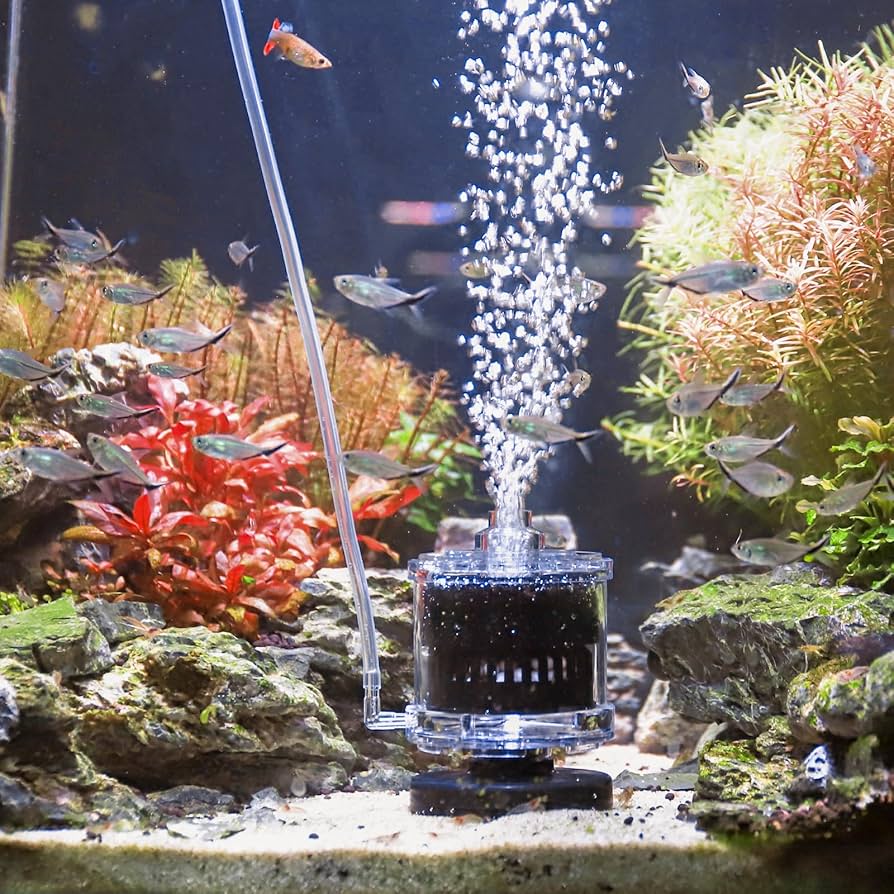
Sponge filters use air pumps to push water through a sponge. They are simple and safe for fish and shrimp.
- Provide gentle water flow
- Excellent biological filtration
- Low cost and easy to clean
- Ideal for breeding tanks and fry
Filter Maintenance Tips
Keeping your aquarium filter clean helps your fish stay healthy. Proper maintenance keeps water clear and safe. Follow simple tips to care for filters in medium freshwater tanks.
Regular checks and cleaning improve filter performance. This guide covers how often to clean, when to replace media, and ways to avoid common problems.
Cleaning Frequency
Cleaning your filter at the right time prevents damage and keeps water quality high. Avoid overcleaning to protect beneficial bacteria.
- Clean mechanical parts every 2 weeks to remove debris.
- Rinse filter media monthly using tank water only.
- Check filter intake weekly for blockages.
- Deep clean the entire filter every 3 months.
Replacing Media
Filter media helps trap dirt and supports bacteria. Replace media carefully to keep the tank balanced.
| Media Type | Replacement Time | Tips |
| Foam Pads | Every 3-4 months | Rinse before replacing |
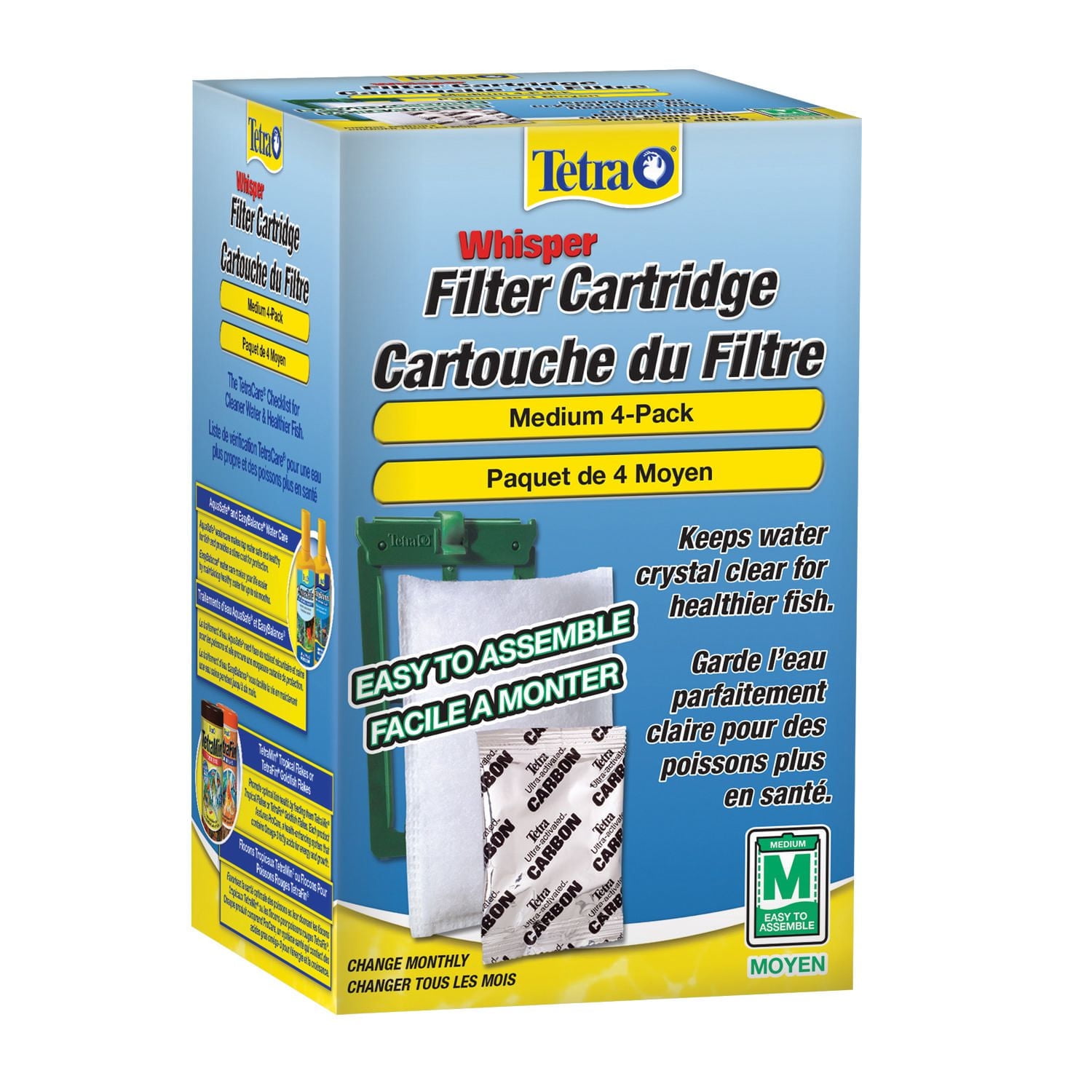
| Activated Carbon | Every 4-6 weeks | Replace fully for best results |
| Bio Balls | Rarely replaced | Rinse gently to keep bacteria |
Avoiding Common Issues
Problems like clogging or bad smells can harm your tank. Watch for signs and fix issues quickly.
- Do not use tap water with chlorine to clean media.
- Keep the filter running without long breaks.
- Check for cracks or leaks in the filter housing.
- Do not mix old and new filter media at once.
- Replace worn parts to maintain good flow.
Improving Water Quality
A clean aquarium helps fish live longer and stay healthy. Good water quality is very important in freshwater tanks.
A filter removes dirt and harmful substances from the water. This keeps the tank clear and safe for fish.
Biological Filtration Benefits
Biological filtration uses good bacteria to break down fish waste. These bacteria change harmful ammonia into less harmful substances.
This process keeps water safe and balanced. It helps fish avoid stress and illness.
- Removes toxic ammonia and nitrites
- Supports a healthy fish environment
- Maintains stable water chemistry
Mechanical Filtration Role
Mechanical filtration catches particles and debris in the water. It traps fish waste, leftover food, and plant bits.
Removing these particles stops the water from getting cloudy. It also keeps the filter from clogging.
- Clears floating debris
- Prevents water cloudiness
- Protects other filter parts
Chemical Filtration Options
Chemical filtration uses materials that remove toxins and odors. Activated carbon is a common choice for this purpose.
This filtration type helps keep water clear and free of bad smells. It can also remove some medicines and chemicals.
- Removes dissolved chemicals
- Eliminates odors
- Improves water clarity
Enhancing Tank Environment
Keeping your aquarium clean is important for your fish. A good filter helps maintain the water quality.
Filters also help to improve the overall environment for all the tank’s inhabitants.
Optimizing Water Flow
Water flow in a tank should be steady and even. This ensures that all areas of the tank are clean and healthy.
- Adjust the filter’s flow rate to match your tank size.
- Position the filter outlet to reduce dead spots.
- Regularly check for clogs to maintain flow efficiency.
Noise Reduction Techniques
Aquarium filters can be noisy, but there are ways to reduce the sound. A quiet tank is more relaxing for you and your fish.
| Technique | Benefit |
| Use a sponge around the filter | Reduces vibration noise |
| Place the filter on a soft mat | Dampens sound transmission |
| Regular maintenance | Prevents rattling issues |
Energy Efficiency
Energy-efficient filters save power and reduce costs. They are also better for the environment.
Credit: www.walmart.ca

Credit: www.ebay.ca
Frequently Asked Questions
What Is The Best Aquarium Filter For Medium Freshwater Tanks?
The best filter for medium freshwater tanks is a canister or hang-on-back filter. They offer strong mechanical, chemical, and biological filtration, ensuring clean and healthy water for fish.
How Often Should I Clean My Aquarium Filter?
Clean your aquarium filter every 2 to 4 weeks. Regular cleaning prevents clogging and maintains efficient filtration without disrupting beneficial bacteria.
Can I Use A Small Filter In A Medium Tank?
Using a small filter in a medium tank is not recommended. It won’t provide enough filtration, leading to poor water quality and unhealthy fish.
What Type Of Filter Media Is Best For Freshwater Tanks?
A combination of mechanical, biological, and chemical media works best. Mechanical traps debris, biological supports beneficial bacteria, and chemical removes toxins and odors.
Conclusion
Choosing the right aquarium filter keeps your tank clean and fish healthy. A good filter removes dirt and harmful chemicals from the water. It also helps keep the water clear and fresh. Medium freshwater tanks need filters that match their size and fish type.
Regular cleaning and maintenance make filters work better and last longer. Clean water means happy fish and a beautiful tank. Remember, a simple, well-chosen filter can make a big difference in your aquarium’s health. Take care of your tank, and it will take care of your fish.