
If you want your marine fish to thrive and your aquarium to stay crystal clear, choosing the right aquarium filter is crucial. You might think any filter will do, but the truth is, your marine fish need a specific kind of care that only the best filters can provide.
Imagine waking up to a vibrant, healthy underwater world right in your home—no cloudy water, no unpleasant odors, just pure beauty. You’ll discover exactly how to pick the perfect aquarium filter for your marine fish, so you can enjoy a stunning, hassle-free tank every day.
Keep reading to make your marine aquarium a true masterpiece.
Types Of Aquarium Filters
Keeping marine fish healthy needs clean water. Aquarium filters help remove dirt and waste. Different filters work in different ways.
Choosing the right filter helps keep your aquarium water clear and safe. Filters remove particles, harmful chemicals, and waste.
Mechanical Filters
Mechanical filters catch solid particles from the water. They trap debris like fish waste and leftover food. This keeps the water clear.
These filters use sponges, pads, or floss to filter the water. You need to clean or replace the material often.
- Removes visible dirt and particles
- Helps prevent water cloudiness
- Needs regular maintenance
Biological Filters
Biological filters use good bacteria to clean the water. These bacteria break down harmful waste like ammonia and nitrites. This makes water safe for fish.
These filters use materials with large surface areas. The bacteria grow on these surfaces and keep water healthy.
- Removes harmful chemicals naturally
- Uses beneficial bacteria
- Needs time to develop bacteria colonies
Chemical Filters
Chemical filters remove toxins and bad smells from water. They use special materials like activated carbon to clean the water. This improves water quality.
Chemical filters help clear cloudiness and remove odors. They need to be replaced regularly to work well.
- Removes toxins and odors
- Uses materials like activated carbon
- Needs periodic replacement
Combination Filters
Combination filters use mechanical, biological, and chemical filtering together. This type cleans water in many ways. It is good for marine fish tanks.
These filters keep water very clean by removing particles, toxins, and waste. They need regular care to work well.
- Combines all filter types
- Provides thorough water cleaning
- Best for larger or marine tanks
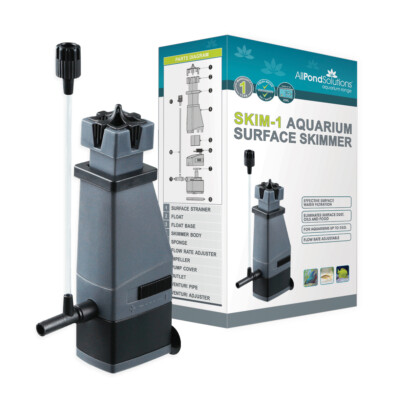
Credit: www.ebay.ca
Choosing The Right Filter
Choosing the right aquarium filter is key for a healthy marine fish tank. Filters keep water clean and safe for your fish.
Different filters suit different tank sizes, fish types, and tank setups. Understanding these needs helps you pick well.
Tank Size Considerations
Tank size affects the filter you need. Small tanks need gentle filtration. Large tanks require stronger filters.
- Small tanks (under 20 gallons): Use low-flow filters to avoid stressing fish.
- Medium tanks (20 to 55 gallons): Moderate power filters work well.
- Large tanks (over 55 gallons): High-capacity filters keep water clean effectively.
Fish Species Needs
Different fish have different filter needs. Some like calm water; others like strong currents.
| Fish Type | Filter Type | Flow Preference |
| Clownfish | Hang-on-back | Low to Moderate |
| Angelfish | Canister | Moderate |
| Damselfish | Sponge Filter | Low |
| Surgeonfish | Power Filter | High |
Flow Rate Importance
Flow rate shows how much water the filter moves per hour. It should match your tank size and fish needs.
- Too low flow: Water stays dirty and fish waste builds up.
- Too high flow: Fish may get stressed or injured.
- Ideal flow: Filter moves 4 to 6 times the tank volume per hour.
Noise Levels
Quiet filters help keep your home peaceful. Some filters make noise that can be annoying.
Tips to reduce filter noise:
- Choose filters labeled “quiet” or “low noise.”
- Place filters on soft surfaces to absorb sound.
- Clean filters regularly to avoid loud motor sounds.
Installation Tips
Installing an aquarium filter for marine fish helps keep the water clean. Good installation makes sure the filter works well.
Follow these tips to place and set up your filter correctly. This will protect your marine fish and keep the tank healthy.
Placement Strategies
Put the filter where water flows naturally. This helps clean the whole tank evenly. Avoid placing it where it blocks decorations or fish movement.
Keep the filter close to a power source but away from water splashes. This prevents electrical problems and keeps the area tidy.
- Place near the tank corner for good water circulation
- Keep it hidden but accessible for easy cleaning
- Avoid spots with too much direct sunlight
Priming The Filter
Priming means filling the filter with water before turning it on. This stops air from entering and protects the pump.
Use a hose or fill the filter chamber by hand. Make sure all parts inside have water before powering the filter.
- Check the filter instructions for priming steps
- Fill slowly to avoid spills
- Repeat if the filter does not start immediately
Ensuring Proper Flow
Water must flow well through the filter for cleaning. Check the flow rate and adjust if needed. Too strong flow can stress fish.
Use valves or flow control features to set the right speed. Watch the water movement for even circulation in the tank.
- Test flow after installation
- Lower flow for small or delicate fish
- Clean or replace filter parts if flow drops

Credit: www.amazon.com
Maintenance And Cleaning
Keeping your marine fish aquarium clean is important for healthy fish. The filter helps keep the water clear and safe.
Regular maintenance of the aquarium filter makes sure it works well. Clean filters remove waste and toxins from the water.
Regular Cleaning Schedule
Set a cleaning schedule for your filter to keep it working. Clean parts every two to four weeks depending on tank size.
Check the filter daily for clogs and dirt build-up. This helps avoid big problems and keeps fish safe.
- Inspect the filter intake and output weekly
- Rinse filter sponges or pads every two weeks
- Deep clean filter components once a month
- Watch for any unusual noises or slow water flow
Replacing Filter Media
Filter media include sponges, carbon, and bio balls. Replace them to keep the filter working well.
Do not replace all media at once. Change one part at a time to keep helpful bacteria alive.
- Replace carbon every 3 to 4 weeks
- Rinse sponges with tank water before reusing
- Replace bio media only if damaged
- Follow the filter maker’s instructions for best results
Avoiding Common Mistakes
Many aquarium owners make mistakes that harm the filter and fish. Avoid these to keep your tank safe.
Do not use tap water to clean filter media. Chlorine kills good bacteria needed for water health.
- Never clean all filter media at once
- Do not over-clean or replace media too often
- Use only tank water for rinsing filter parts
- Keep electrical parts dry during cleaning
Benefits Of Clean Water
Clean water is vital for a healthy marine aquarium. It supports the well-being of fish and other sea creatures.
A good aquarium filter helps keep the water clear and free from harmful substances. This creates a safe habitat for marine life.
Healthier Marine Fish
Marine fish need clean water to stay strong and active. Dirty water can cause stress and diseases in fish.
- Removes toxins and waste from the water
- Maintains proper oxygen levels
- Prevents harmful bacteria growth
- Helps fish heal faster if they get sick
Preventing Algae Growth
Excess nutrients and waste in water lead to algae blooms. Algae can harm fish and plants in the aquarium.
| Cause | Effect |
| High nitrate levels | Algae growth |
| Too much light | Algae blooms |
| Unclean water | Algae covers decorations |
Using a good filter reduces waste and controls algae growth effectively.
Enhancing Aquarium Aesthetics
Clear water makes your aquarium look beautiful. Clean tanks show bright colors of fish and plants.
- Improves visibility inside the tank
- Keeps decorations free from slime and dirt
- Creates a natural and vibrant underwater scene
- Makes maintenance easier and faster

Credit: www.amazon.com
Troubleshooting Common Issues
Aquarium filters are essential for marine fish. They help keep the water clean and healthy. However, filters can sometimes have problems. Here are common issues and how to fix them.
Knowing how to troubleshoot these problems can save time. It can also ensure your fish stay happy and healthy. Let’s look at some frequent filter issues.
Filter Clogging
Clogging is a common filter problem. It happens when debris blocks the filter. This can reduce water flow and affect water quality.
To fix clogging, clean your filter regularly. Remove debris and rinse it with clean water. Avoid using soap as it can harm your fish.
- Check the filter weekly for debris
- Rinse filter parts with warm water
- Replace filter media as needed
Unusual Noises
Filters can sometimes make strange noises. This may happen if air gets trapped inside. It can also be due to loose parts.
If your filter is noisy, check for trapped air. Tilt the filter to release air bubbles. Tighten any loose parts to reduce noise.
- Inspect the filter for air pockets
- Tighten all screws and connections
- Ensure the filter is level and stable
Water Flow Problems
Water flow issues can affect filter efficiency. This may be due to incorrect setup or a clogged impeller.
To fix flow problems, check the setup. Ensure hoses are not kinked. Clean the impeller and reassemble carefully.
| Problem | Solution |
| Low flow | Clean impeller and hoses |
| No flow | Check power supply |
| Uneven flow | Reposition filter correctly |
Frequently Asked Questions
What Is The Best Aquarium Filter For Marine Fish?
The best filter for marine fish is a protein skimmer combined with a canister or sump filter. This setup removes organic waste, maintains water clarity, and supports biological filtration essential for saltwater tanks.
How Often Should I Clean My Marine Aquarium Filter?
Clean your marine aquarium filter every 2 to 4 weeks. Regular cleaning prevents clogging, ensures efficient filtration, and maintains healthy water conditions for your marine fish.
Can I Use A Freshwater Filter For Marine Fish Tanks?
Freshwater filters are not ideal for marine tanks. Marine setups need specialized filters like protein skimmers to handle saltwater conditions and remove unique waste effectively.
Why Is Biological Filtration Important In Marine Aquariums?
Biological filtration breaks down harmful ammonia and nitrites into less toxic nitrates. It supports beneficial bacteria essential for stable and healthy marine fish environments.
Conclusion
Choosing the right aquarium filter keeps marine fish healthy and happy. Clean water helps fish grow and live longer. Filters remove waste, dirt, and harmful chemicals easily. Simple maintenance saves time and avoids stress for fish. Good filtration supports a balanced and clear tank environment.
Trust your filter to do its job well daily. Enjoy watching your colorful marine fish thrive with clean water. A proper filter makes all the difference in your aquarium care.