
Keeping your aquarium clean and clear doesn’t have to be a daily struggle. If you want a beautiful tank without spending hours on maintenance, the right aquarium filter can make all the difference.
Imagine enjoying crystal-clear water and healthy fish with less effort—sounds great, right? You’ll discover how to choose the best aquarium filter for low-maintenance tanks, so your underwater world stays vibrant while you spend more time enjoying it and less time worrying about it.
Keep reading to find out how simple changes can transform your aquarium care routine.
Credit: www.vevor.ca
Benefits Of Low-maintenance Aquarium Filters
Low-maintenance aquarium filters help keep tanks clean with less effort. They support healthy fish and clear water without daily work.
Choosing the right filter can save time and energy. It also makes tank care easier for beginners and busy owners.
Consistent Water Clarity
These filters remove waste and debris steadily. They keep the water clear for a long time. This helps fish stay healthy and visible.
- Trap small particles effectively
- Reduce cloudiness in water
- Limit algae growth by filtering nutrients
Reduced Cleaning Frequency
Low-maintenance filters need less frequent cleaning. This saves time and avoids disturbing fish. Owners can enjoy their tanks more.
| Filter Type | Cleaning Interval | Cleaning Effort |
| Low-Maintenance Filter | Every 4-6 weeks | Light to moderate |
| Standard Filter | Every 1-2 weeks | Moderate to heavy |
Energy Efficiency
These filters use less power than traditional models. They keep your electricity bill low. Efficient design helps the environment too.
- Use low wattage pumps
- Run quietly with minimal vibration
- Provide steady filtration with less energy
Types Of Filters Suitable For Low-maintenance Tanks
Choosing the right filter helps keep your aquarium clean with less work. Some filters need less care and work well for easy tanks.
Here are common types of filters that fit low-maintenance tanks. Each type has benefits for simple care.
Sponge Filters
Sponge filters use a sponge to clean water by trapping dirt and debris. They also provide a home for good bacteria.
They are quiet, low cost, and easy to clean. Sponge filters need only gentle rinsing in tank water to keep working well.
Hang-on-back Filters
Hang-on-back filters hang on the back of the tank. They pull water out, clean it, then return it to the aquarium.
They use sponges, carbon, or other media for cleaning. These filters are easy to remove and clean without much effort.
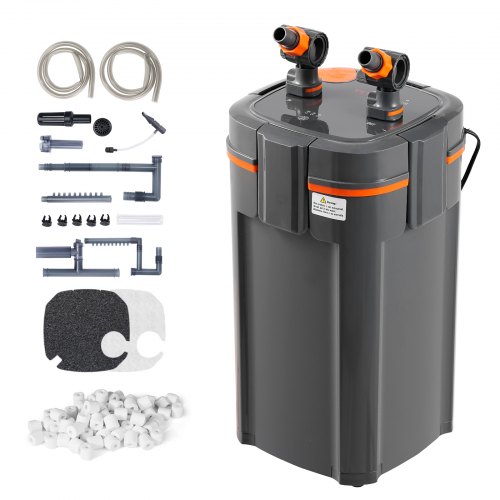
Canister Filters
Canister filters sit outside the tank and push water through layers of filter media. They clean water well and fast.
These filters hold lots of media, so they need cleaning less often. They are good for bigger tanks with low maintenance.
Internal Filters
Internal filters sit inside the tank. They pull water through sponges or other media to remove dirt and waste.
These filters are easy to install and clean. They work well in small tanks where space is limited and care is simple.
Choosing The Right Filter Size
Picking the right filter size is important for low-maintenance aquarium tanks. A good filter keeps water clean and fish healthy without much effort.
Choosing the correct size depends on your tank’s volume and how fast water flows through the filter. Both factors ensure proper cleaning and oxygen levels.
Matching Tank Volume
Filters are designed for specific tank sizes. Always select a filter that fits your tank’s volume. This helps the filter work well without overworking.
If the filter is too small, it will not clean enough water. If it is too big, it may waste energy and cost more.
- Check the filter’s recommended tank size on the label.
- Match the filter size to your tank volume in gallons or liters.
- Choose a slightly larger filter if you have many fish.
Flow Rate Considerations
Flow rate means how much water the filter moves each hour. It is usually measured in gallons per hour (GPH) or liters per hour (LPH).
To keep water clean, pick a filter with a flow rate about 4 to 5 times your tank’s volume per hour. This helps water cycle well without stressing fish.
- For a 20-gallon tank, look for a filter with 80 to 100 GPH flow rate.
- Lower flow rates may not clean well in bigger tanks.
- High flow rates can be too strong for small or delicate fish.
Maintenance Tips For Effortless Filtration
An aquarium filter keeps your tank water clean and safe for fish. Proper maintenance is key to avoid problems and keep the filter working well.
This guide covers simple tips to keep your filter running smoothly with little effort.
Regular Media Replacement
Replace filter media on a regular schedule. Old media can clog and stop filtering properly. Follow the manufacturer’s advice for timing.
- Change mechanical media like sponges every 2-4 weeks.
- Replace chemical media such as activated carbon monthly.
- Rinse biological media gently in tank water to keep beneficial bacteria alive.
Cleaning Without Disruption
Clean the filter parts carefully to avoid disturbing the tank’s balance. Avoid using tap water on biological parts.
| Filter Part | Cleaning Method |
| Sponges and Pads | Rinse in tank water, squeeze gently |
| Impeller | Use a soft brush to remove debris |
| Filter Tubes | Flush with warm water carefully |
Monitoring Filter Performance
Check the filter often to ensure it works well. Watch for signs like slow water flow or strange noises.
- Listen for unusual sounds from the motor or impeller.
- Look for reduced water flow through the filter outlet.
- Test water quality regularly to catch issues early.
Enhancing Filtration With Additional Equipment
Keeping an aquarium clean is important for fish health. Adding extra equipment can make this easier. This helps keep the water clear and safe.
Using different types of filters can improve water quality. Let’s explore some options for better filtration.
Using Uv Sterilizers
UV sterilizers use light to kill bacteria. They also reduce algae in the tank. This helps keep the water clear.
They are easy to install and require little maintenance. A UV sterilizer is a good addition for cleaner water.
Incorporating Biological Media
Biological media provide a home for good bacteria. These bacteria break down waste in the tank. This process keeps the water safe for fish.
Adding biological media is simple. It can be placed in the filter or inside the tank. This helps create a balanced environment.
Adding Chemical Filtration
Chemical filtration removes impurities from the water. It uses materials like activated carbon. This helps keep the water clean and odor-free.
Choose chemical filters based on your tank needs. They are effective in improving water quality quickly.
- Activated carbon removes toxins and odors
- Ammonia removers help control ammonia levels
- Phosphate removers reduce algae growth

Credit: www.amazon.ca
Common Mistakes To Avoid
Using an aquarium filter for low-maintenance tanks is smart. But mistakes can cause problems. Avoid these common errors to keep your tank healthy.
Good filter care helps water stay clean and fish stay safe. Learn what to watch out for to avoid damage and poor water quality.
Overloading The Filter
Putting too many fish or too much waste in the tank can overload the filter. The filter then can’t clean the water well. This leads to cloudy water and unhealthy fish.
- Do not exceed the filter’s recommended tank size.
- Feed fish only what they can eat in a few minutes.
- Remove uneaten food quickly to avoid extra waste.
- Keep the number of fish suitable for the filter’s capacity.
Neglecting Routine Checks
Filters need regular checks to work well. Ignoring these checks can cause blockages or breakage. Clean the filter parts gently and often.
| Task | How Often | Why It Matters |
| Check filter media | Every 2 weeks | Prevents clogging and keeps flow strong |
| Clean intake and output tubes | Monthly | Ensures water moves freely |
| Inspect motor and seals | Every 3 months | Avoids leaks and motor failure |
Ignoring Filter Compatibility
Not all filters suit every tank or fish type. A wrong filter can stress fish or fail to clean properly. Match the filter to your tank’s size and needs.
Check these points for filter compatibility:
- Tank size must match filter capacity.
- Choose filter type based on fish species.
- Consider flow rate; some fish prefer gentle water.
- Look at filter noise if tank is in a quiet room.
Credit: www.walmart.ca
Frequently Asked Questions
What Is The Best Filter For Low-maintenance Aquariums?
The best filter for low-maintenance tanks is a reliable, efficient, and easy-to-clean model. Canister and sponge filters work well. They provide good mechanical and biological filtration with minimal upkeep.
How Often Should I Clean A Low-maintenance Aquarium Filter?
Clean your low-maintenance aquarium filter every 4 to 6 weeks. Avoid over-cleaning to preserve beneficial bacteria. Rinse filter media gently in tank water to maintain biological balance.
Can Low-maintenance Filters Handle Large Tanks?
Yes, some low-maintenance filters are designed for large tanks. Look for powerful canister or hang-on-back filters with high flow rates. They effectively maintain water quality with minimal effort.
Are Sponge Filters Suitable For Low-maintenance Tanks?
Sponge filters are ideal for low-maintenance tanks. They offer gentle filtration, promote beneficial bacteria growth, and are easy to clean. Perfect for small to medium aquariums and shrimp tanks.
Conclusion
Choosing the right aquarium filter keeps your tank clean and healthy. Filters help remove dirt and keep water clear. Low-maintenance filters save time and effort. They work quietly and need fewer cleanings. This means more time to enjoy your fish.
A good filter supports fish health and tank balance. Simple, reliable filters suit beginners and busy owners. Clean water means happy fish and a beautiful tank. Trust your filter to do the hard work for you.