
If you have a large aquarium, you know how important it is to keep the water clean and clear. Choosing the right aquarium filter for large tanks can make all the difference in maintaining a healthy environment for your fish.
But with so many options out there, how do you find the perfect filter that fits your tank’s size and meets your needs? You’ll discover simple tips and expert advice to help you pick the best filter that keeps your aquarium sparkling and your fish thriving.
Keep reading, and you’ll learn exactly what to look for to make your large tank a beautiful, worry-free underwater world.
Choosing The Right Filter
Choosing the right aquarium filter is important for keeping your tank clean. A good filter helps keep the water clear and safe for fish.
This guide explains key points to consider when picking a filter for large tanks.
Types Of Filters For Large Tanks
There are several filter types designed for large aquariums. Each type works differently and suits different needs.
- Canister Filters:External units that provide strong mechanical and biological filtration.
- Power Filters:Hang on the back of the tank and offer easy maintenance.
- Sponge Filters:Air-driven and good for biological filtration in large tanks.
- Sump Filters:Installed under the tank, these handle large water volumes and extra equipment.
Filter Capacity And Flow Rate
Filter capacity shows how much water the filter can clean per hour. Flow rate is the speed water moves through the filter.
| Tank Size (Gallons) | Recommended Flow Rate (GPH) | Filter Capacity Needed |
|---|---|---|
| 50-75 | 200-300 | Medium to Large |
| 75-100 | 300-400 | Large |
| 100+ | 400+ | Extra Large |
Compatibility With Tank Size
Filters must match the tank size to work well. Too small a filter will not clean enough water.
Check these points to ensure your filter fits your tank:
- Filter flow rate should be 4-6 times the tank volume per hour.
- Choose a filter that fits your tank shape and setup.
- Consider extra filtration media for heavily stocked tanks.
Mechanical Filtration Benefits
Mechanical filtration is important for large aquarium tanks. It helps keep the water clean by removing solid waste. This type of filtration improves water clarity and fish health.
Large tanks produce more debris, so good mechanical filtration is needed. It traps particles before they break down and pollute the water.
Removing Debris And Particles
Mechanical filters catch debris like uneaten food, fish waste, and plant bits. These particles can cloud the water and harm fish if left in the tank.
By trapping solids early, the filter keeps the water clear and reduces toxins. This helps keep fish healthy and the tank clean.
Choosing Filter Media
Filter media is the material inside the filter that traps debris. Different media types work best for certain tank sizes and needs.
Common filter media include sponges, filter floss, and foam pads. These materials catch particles but allow water to flow well.
- Sponges are reusable and easy to clean
- Filter floss traps fine particles effectively
- Foam pads offer good water flow and debris trapping
Biological Filtration Essentials
Biological filtration is key for keeping large aquarium tanks healthy. It helps break down fish waste and harmful chemicals.
Understanding how beneficial bacteria work can improve water quality and create a stable environment for fish.
Role Of Beneficial Bacteria
Beneficial bacteria live in the filter media and tank surfaces. They change toxic ammonia into less harmful substances.
- Nitrosomonas bacteria convert ammonia into nitrites.
- Nitrobacter bacteria turn nitrites into nitrates.
- Nitrates are less toxic and can be removed by water changes or plants.
Maintaining Biological Balance
Keep beneficial bacteria healthy by avoiding sudden changes. Stable water conditions help bacteria grow and work well.
| Factor | Effect on Bacteria |
| Water Temperature | Ideal range supports growth |
| pH Level | Neutral to slightly alkaline is best |
| Oxygen | Needed for bacteria to survive |
| Filter Cleaning | Clean gently to keep bacteria intact |
Chemical Filtration Options
Chemical filtration helps keep large aquarium tanks clean. It removes unwanted substances from the water. This improves water quality and fish health.
There are several chemical media types. Each works differently to clean the water. Choosing the right one depends on your tank’s needs.
Activated Carbon And Its Uses
Activated carbon is a common chemical filter in large tanks. It removes odors, colors, and toxins. The carbon works by trapping impurities in its pores.
- Removes chlorine and chloramine from tap water
- Clears yellow or brown tint in aquarium water
- Eliminates harmful chemicals and toxins
- Helps reduce fish stress by keeping water clean
- Needs regular replacement for best results
Other Chemical Media Types
| Media Type | Main Use | Notes |
| Zeolite | Removes ammonia | Good for new tanks or fish sickness |
| Phosphate Removers | Controls algae growth | Works well in planted tanks |
| Resins | Removes heavy metals | Protects sensitive fish species |
| Manganese Greensand | Removes iron and manganese | Improves water clarity and taste |
Installation Tips For Large Filters
Installing a filter in a large aquarium needs careful planning. A good setup keeps the water clean and the fish healthy.
This guide gives simple tips to help you install large filters easily and correctly.
Placement Strategies
Place the filter where it is easy to reach for cleaning and maintenance. Avoid spots that block your view of the tank.
Keep the filter near a power source but away from water splashes to avoid electric hazards.
- Choose a stable surface to hold the filter securely.
- Keep the filter outlet away from tank decorations.
- Allow enough space around the filter for air circulation.
- Ensure the filter does not disturb the tank’s appearance.
Ensuring Proper Water Flow
Good water flow helps spread clean water evenly in the tank. It also removes waste and toxins effectively.
Set the filter flow rate to match the tank size. Too strong flow can stress fish. Too weak flow reduces cleaning.
- Place the filter intake low to collect debris from the bottom.
- Point the filter outlet towards the tank’s open space.
- Use spray bars or flow diffusers for even water movement.
- Check the flow direction and adjust if dead spots appear.
Credit: www.walmart.ca
Maintenance For Clear Water
Keeping aquarium water clear is important for fish health. Regular maintenance of the filter is key.
A clean filter ensures good water quality. It removes waste and prevents harmful toxins from building up.
Cleaning Filter Components
Clean filter components every month. This keeps the filter working well and water clear.
Disassemble the filter carefully. Rinse each part under running water to remove dirt.
- Remove the filter from the tank
- Disassemble all parts
- Rinse parts with warm water
- Reassemble the filter
Replacing Filter Media
Change filter media regularly. This helps the filter work efficiently.
Filter media can get clogged. Replace it to maintain good water flow and filtration.
- Check the media monthly
- Replace if dirty or clogged
- Use the correct type of media for your filter
Troubleshooting Common Issues
Aquarium filters are crucial for keeping large tanks clean. They help maintain water quality and ensure a healthy environment for fish. Sometimes, filters can encounter issues, and troubleshooting them is necessary.
This guide will address common problems such as cloudy water and filter noise. Learn how to solve these issues effectively.
Dealing With Cloudy Water
Cloudy water can make your aquarium look unattractive. It usually happens due to unbalanced filtration or overfeeding. Check your filter to ensure it is working properly and not clogged.
Reducing the amount of food you give your fish can help. You can also perform regular water changes to clear up the water.
- Check filter for clogs
- Reduce fish feeding
- Perform regular water changes
Addressing Filter Noise And Malfunctions
Filter noise can disturb both you and your fish. It may indicate a problem with the filter. Check if any parts are loose or need cleaning. Sometimes, debris can block the filter parts, causing noise.
If the filter malfunctions, check the power supply first. Make sure the power cord is plugged in correctly. Inspect the impeller to see if it is damaged or needs cleaning.
- Check for loose parts
- Clean blocked filter parts
- Inspect power supply and impeller

Credit: www.amazon.ca
Upgrading Filters For Growing Tanks
As your aquarium grows, your filter must keep up. A larger tank holds more water and fish. This means more waste and debris to clean.
Upgrading your filter helps keep water clean and fish healthy. Choosing the right filter can save you time and effort.
Signs You Need A New Filter
Watch for these signs to know if your filter needs an upgrade:
- Water is cloudy or smells bad
- Fish show signs of stress or illness
- Filter is noisy or works slower than before
- Filter media is clogged quickly
- Tank size has increased beyond filter capacity
Best Filters For Large Aquariums
Choosing the right filter depends on tank size and fish type. Here are some popular filter types for large tanks:
| Filter Type | Advantages | Best For |
| Canister Filter | Strong flow, easy to clean | Large tanks with many fish |
| Hang-On-Back Filter | Simple setup, good for moderate size | Medium to large tanks |
| Sponge Filter | Gentle filtration, good for fry | Breeding tanks and small fish |
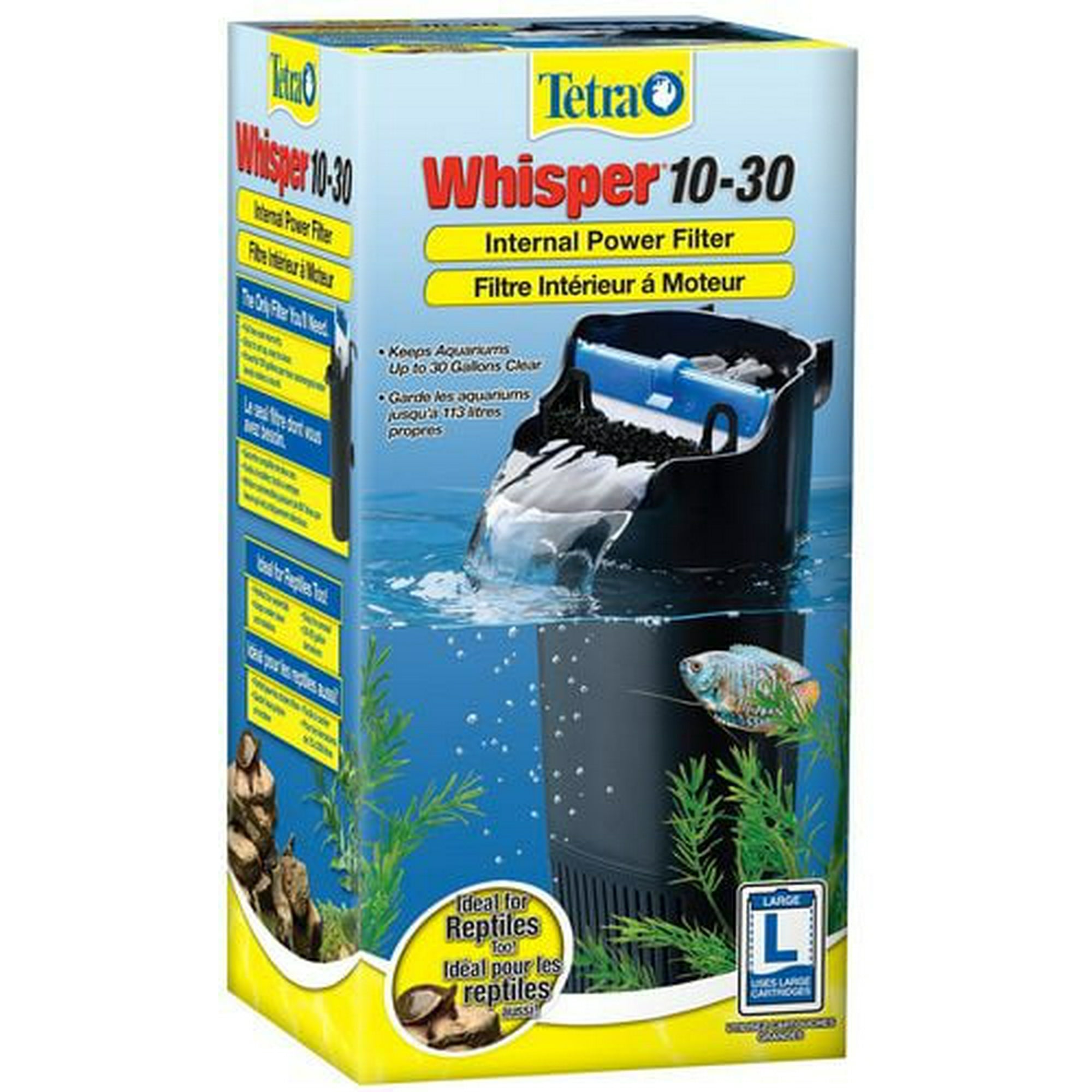
| Internal Filter | Compact, fits inside tank | Smaller large tanks or extra filtration |

Credit: www.amazon.com
Frequently Asked Questions
What Is The Best Aquarium Filter For Large Tanks?
The best filter for large tanks combines mechanical, biological, and chemical filtration. Canister filters are popular due to their power and capacity. They efficiently handle large water volumes and maintain clear, healthy water.
How Often Should I Clean A Large Aquarium Filter?
Clean your large aquarium filter every 4 to 6 weeks. Avoid cleaning all media at once to preserve beneficial bacteria. Regular maintenance ensures optimal filter performance and a healthy tank environment.
Can A Single Filter Handle A Large Tank Alone?
A single powerful filter can often handle a large tank. However, combining filters improves water circulation and redundancy. Consider tank size, fish load, and filter capacity for best results.
What Filter Type Is Best For A Planted Large Aquarium?
Canister and sponge filters are ideal for planted tanks. They provide gentle water flow and preserve beneficial bacteria. Avoid filters that create strong currents that may harm plants.
Conclusion
Choosing the right aquarium filter helps keep large tanks clean and healthy. Good filters remove waste and keep water clear. They also help fish stay happy and safe. Remember to pick a filter that matches your tank size and fish needs.
Regular cleaning of the filter keeps it working well. A strong, reliable filter makes tank care easier every day. Clean water means healthy fish and a beautiful aquarium. Trust in a quality filter to support your underwater world. Simple steps lead to a thriving, vibrant tank.