
Keeping large fish healthy and happy in your aquarium starts with one key element: the right filter. If you’ve ever struggled with cloudy water, unpleasant odors, or stressed-out fish, you know how crucial filtration is.
But when it comes to big, powerful species, ordinary filters just don’t cut it. You need a filter that can handle their size and waste efficiently, so your aquarium stays clean and your fish thrive. You’ll discover exactly what to look for in an aquarium filter for large species and how to choose the perfect one for your tank.
Ready to transform your aquarium into a crystal-clear haven? Let’s dive in.

Credit: theplecofeeder.com
Choosing Filters For Large Fish
Large fish need clean water to stay healthy and active. Choosing the right filter helps keep their tank safe and clear.
Filters remove waste and toxins from the water. This prevents diseases and keeps fish comfortable.
Key Features To Consider
Look for filters with strong mechanical, biological, and chemical cleaning. Large fish produce more waste, so the filter must handle it well.
Durability and ease of cleaning are important. You want a filter that lasts and is simple to maintain.
- Strong filtration media for waste removal
- Easy access for cleaning and maintenance
- Quiet operation to avoid stressing fish
- Durable parts that resist wear and tear
Types Of Aquarium Filters
Different filters work in different ways. Choose one that fits your tank size and fish type.
Common filters include canister, hang-on-back, sponge, and sump filters. Each has pros and cons for large fish tanks.
- Canister filters:Powerful and good for big tanks
- Hang-on-back filters:Easy to install and maintain
- Sponge filters:Provide gentle filtration and aeration
- Sump filters:Offer high capacity and flexibility
Filter Capacity And Flow Rate
Filter capacity shows how much water it can clean. For large fish, pick filters that handle more water than your tank size.
Flow rate is the speed water moves through the filter. Too strong flow can stress large fish. Choose a filter with adjustable flow.
| Tank Size (Gallons) | Recommended Filter Flow Rate (GPH) |
|---|---|
| 50 | 200 – 300 |
| 75 | 300 – 450 |
| 100 | 400 – 600 |
| 150+ | 600+ |

Credit: theplecofeeder.com
Top Filter Types For Large Species
Keeping large fish healthy needs a strong and reliable filter. Large species produce more waste. This means the filter must handle more water and debris. Choosing the right filter helps keep water clean and fish safe.
This guide covers four popular filter types. Each type works well for big fish tanks. Learn their features to pick what fits your aquarium best.
Canister Filters
Canister filters sit outside the tank and use hoses to move water. They offer strong water flow and great cleaning power. These filters use multiple filter media to remove dirt, chemicals, and harmful bacteria.
Canister filters are good for large species because they handle big volumes of water. They are quiet and easy to maintain. You can customize the filter media inside to suit your tank’s needs.
Sponge Filters
Sponge filters use an air pump to push water through a sponge. The sponge traps debris and helps grow good bacteria. These filters are gentle, making them safe for large but delicate fish.
- Low cost and easy to clean
- Provide biological filtration
- Do not create strong currents
- Best for tanks with gentle or slow-moving large fish
Power Filters
Power filters hang on the back of the aquarium. They pull water up and push it through filter pads. These filters are simple to install and maintain. They offer mechanical, chemical, and biological filtration in one unit.
Power filters work well for large species because they clean water quickly. They create moderate water flow, which suits many large fish. These filters often come with replaceable cartridges.
Undergravel Filters
Undergravel filters sit under the gravel at the tank bottom. They pull water down through the gravel, which acts as a filter. This system uses beneficial bacteria living in the gravel to clean the water.
| Advantages | Disadvantages |
| Good biological filtration | Hard to clean gravel |
| Quiet operation | Less effective with heavy waste from large fish |
| Low cost | Can disturb fish that dig in gravel |
Benefits Of High-quality Filtration
Large species aquariums need strong filters to keep water clean. Good filtration helps keep the tank clear and healthy.
High-quality filters remove dirt and waste. They also support fish health and balance the aquarium ecosystem.
Maintaining Water Clarity
Clear water makes your aquarium look beautiful. It lets you see your fish and plants easily.
Good filters remove particles and debris. They stop water from turning cloudy or dirty.
- Trap leftover food and waste
- Filter out tiny dirt particles
- Prevent algae growth by keeping water clean
Supporting Fish Health
Healthy fish need clean water. High-quality filters remove harmful chemicals and toxins.
Filters also help keep oxygen levels steady. This reduces stress and disease in large fish species.
- Remove ammonia and nitrites
- Provide good water flow for oxygen
- Reduce fish illness and stress
Balancing Aquarium Ecosystem
A balanced ecosystem keeps fish and plants thriving. Filters help by breaking down waste naturally.
They support good bacteria growth. These bacteria help change harmful waste into safer substances.
- Promote beneficial bacteria growth
- Break down fish waste and uneaten food
- Keep water chemistry stable
Installation And Maintenance Tips
A good aquarium filter keeps large fish healthy. It cleans water and removes waste. Installing it right helps it work well.
Regular care of the filter is important. It keeps the tank water clear and safe for your fish.
Proper Filter Setup
Place the filter near the tank’s water outlet. This helps water flow smoothly. Make sure all parts fit tightly to stop leaks.
Check the power source and use a drip loop to keep water from reaching the plug. Follow the filter manual for specific installation steps.
- Choose a filter rated for your tank size
- Install the filter outside or inside as per model
- Position intake and output for good water circulation
- Secure all hoses and connections firmly
- Test the filter before adding fish
Cleaning And Replacing Media
Clean the filter media regularly to keep it working well. Use tank water to rinse media, not tap water. This keeps good bacteria alive.
Replace filter media as the instructions say. Some parts last longer, but all need changing at times to keep water pure.
- Rinse sponges and pads in aquarium water every 2 weeks
- Replace carbon or chemical media monthly or as needed
- Check biological media for blockages and clean gently
- Do not clean all media at once to keep beneficial bacteria
Troubleshooting Common Issues
If the filter stops working, first check the power and connections. Clear any blockages in the intake or output tubes.
Noise or weak water flow can mean clogged media or a dirty impeller. Clean parts carefully to fix this.
- Unplug filter before cleaning or checking parts
- Remove debris from intake and tubing
- Clean or replace impeller if noisy or slow
- Check for air bubbles blocking water flow
- Replace worn or damaged parts promptly
Recommended Filters For Large Aquariums
Large aquariums need strong filters to keep water clean. Good filters help fish stay healthy and tanks look clear.
Choosing the right filter depends on tank size and fish type. This guide covers top canister filters, power filters, and budget options.
Top Canister Filter Models
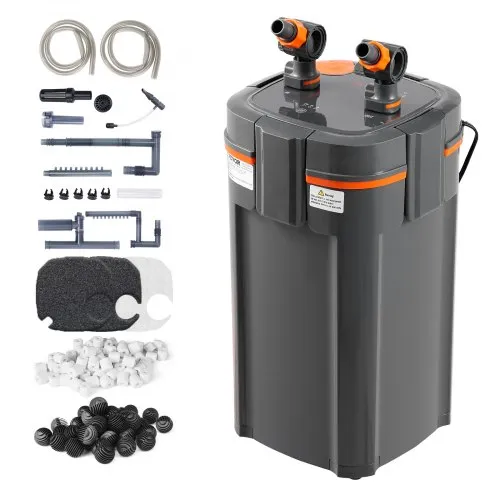
Canister filters work outside the tank and offer great cleaning power. They hold many filter media types for better water quality.
- Fluval FX6 – strong flow and easy to maintain
- Eheim Pro 4+ – quiet and reliable performance
- Marineland Magniflow – good for very large tanks
- API SuperClean – simple design with great filtration
Best Power Filters For Big Tanks
Power filters hang on the tank edge. They are easy to install and clean. Many models can handle large water volumes.
| Model | Flow Rate (GPH) | Tank Size | Features |
| AquaClear 110 | 110 | Up to 110 gallons | Adjustable flow, multi-stage filtration |
| Marineland Penguin 350 | 350 | Up to 80 gallons | Bio-wheel, easy cartridge replacement |
| Seachem Tidal 110 | 110 | Up to 110 gallons | Self-priming, customizable media baskets |
Affordable Options With Great Performance
Good filters do not always cost a lot. Some models offer strong cleaning at a low price.
- Tetra Whisper EX – quiet and budget-friendly
- Hydor Professional – compact with good flow
- Fluval C4 – strong canister filter for less cost
Credit: www.vevor.ca
Frequently Asked Questions
What Type Of Filter Is Best For Large Aquarium Species?
Canister filters are ideal for large species due to strong flow and multi-stage filtration. They handle large water volumes efficiently.
How Often Should I Clean Filters For Large Fish Tanks?
Clean filters every 3-4 weeks to maintain optimal water quality. Avoid over-cleaning to preserve beneficial bacteria in the filter media.
Can Large Fish Species Use Sponge Filters Effectively?
Sponge filters are suitable for fry and small species. Large fish need powerful filters with higher flow and debris removal capacity.
What Filter Capacity Suits A Large Aquarium With Big Fish?
Choose a filter rated for at least 4 times the tank volume per hour. This ensures proper filtration and oxygenation.
Conclusion
Choosing the right aquarium filter keeps large fish healthy and happy. It cleans water well and controls waste easily. Good filtration helps fish breathe and swim freely. Remember, big fish need strong filters to stay safe. Regular filter care makes your tank last longer.
Enjoy a clear, fresh aquarium every day. A proper filter supports your fish’s life and your aquarium’s beauty.