
If you have a koi tank, you know how important it is to keep the water clean and clear. But finding the right aquarium filter for koi tanks can be tricky.
You want a filter that keeps your fish healthy, water fresh, and maintenance simple. You’ll discover what makes a great koi tank filter and how to choose the perfect one for your setup. Keep reading to learn the secrets to a sparkling koi pond that your fish will love.
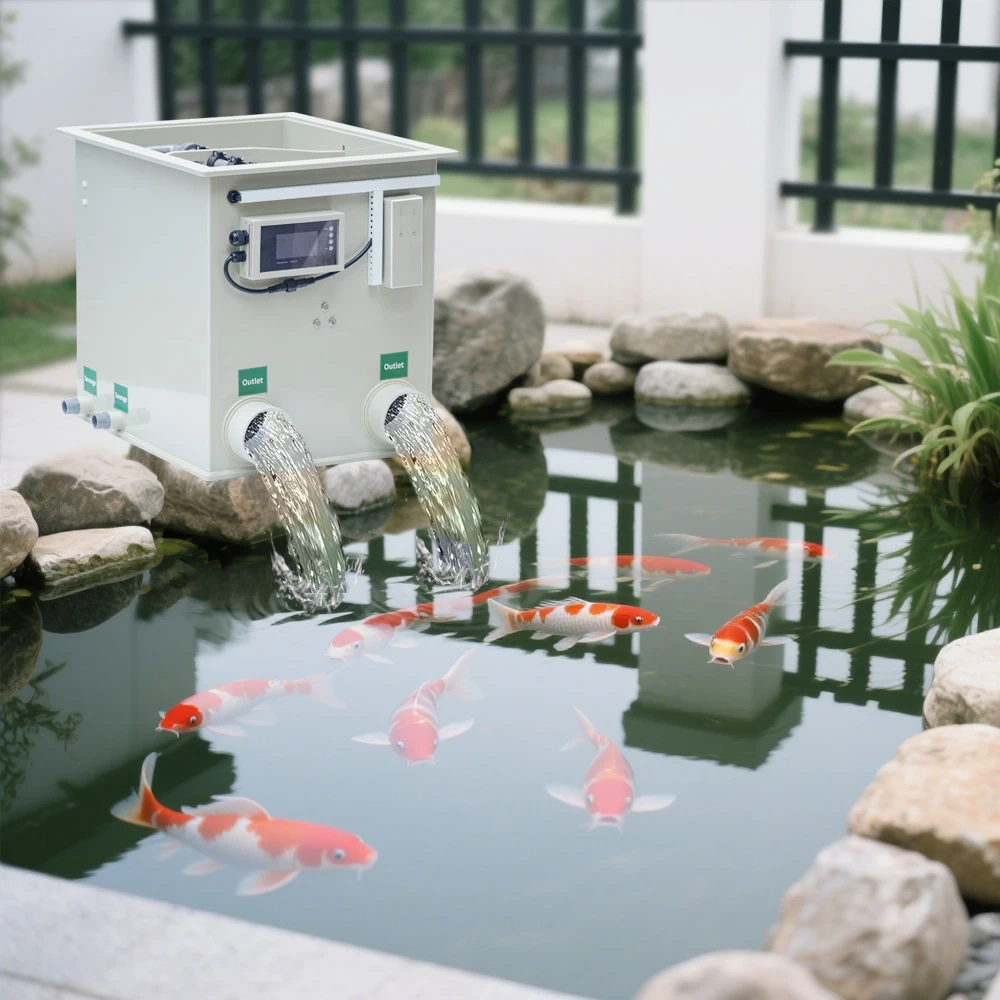
Credit: www.alibaba.com
Choosing The Right Filter
Keeping koi fish healthy needs clean water. A good filter helps remove waste and keeps water clear.
Choosing the right filter for your koi tank can be tricky. You need to think about tank size and fish number.
Types Of Filters For Koi Tanks
There are several filter types for koi tanks. Each type works in a different way to clean water.
- Mechanical filters trap solid waste like fish poop and uneaten food.
- Biological filters use good bacteria to break down harmful chemicals.
- Chemical filters remove toxins and bad smells from the water.
- Combination filters mix two or more types for better cleaning.
Filter Size And Capacity
Choose a filter size that matches your tank volume. Bigger tanks need bigger filters.
Look for filters that can handle more water than your tank holds. This keeps water cleaner longer.
- Check the filter’s flow rate in gallons per hour (GPH).
- Pick a filter with 3 to 5 times your tank volume in GPH.
- Consider the number of fish and their size in the tank.
Mechanical Vs Biological Filtration
Mechanical filtration removes solid waste from the water. It keeps water clear but does not remove chemicals.
Biological filtration uses bacteria to change harmful chemicals into safer ones. It keeps fish healthy.
- Mechanical filters catch dirt and debris.
- Biological filters break down ammonia and nitrites.
- Both types are important for a clean koi tank.

Credit: www.meesho.com
Essential Filter Components
Keeping a koi tank clean and healthy depends on a good filter system. Filters remove waste and keep the water clear for the fish.
A filter has several parts that work together to clean the water. Each part plays an important role in maintaining water quality.
Filter Media Explained
Filter media is the material inside the filter that traps dirt and waste. It also helps good bacteria grow, which breaks down harmful substances.
There are different types of filter media. Each type works in a different way to clean the water.
- Mechanical media traps debris and particles.
- Biological media supports beneficial bacteria.
- Chemical media removes toxins and odors.
Pump And Flow Rate
The pump moves water through the filter. It controls how fast the water flows and how well it gets cleaned.
A proper flow rate is important. If the water moves too fast, it may not get cleaned well. If it is too slow, waste can build up.
- Choose a pump that matches your tank size.
- Adjust flow rate for effective filtration.
- Check the pump regularly to keep it working.
Uv Sterilizers For Clarity
UV sterilizers use light to kill harmful algae and bacteria. This helps keep the water clear and safe for koi.
They work best as part of a complete filter system. UV sterilizers do not remove waste but improve water clarity.
- UV light kills algae spores and germs.
- It reduces green water and cloudiness.
- Use UV sterilizers with proper filter media and pump.
Installation Tips
Installing a good aquarium filter is key for a healthy koi tank. A well-installed filter keeps the water clean and clear.
Follow these tips to set up your filter correctly. Proper installation helps your koi thrive.
Positioning The Filter
Place the filter where it is easy to reach for cleaning and maintenance. Keep it close to the tank to reduce hose length.
A stable and dry spot prevents water damage. Avoid direct sunlight to reduce algae growth in the filter.
- Keep the filter near the tank
- Choose a dry, stable surface
- Avoid direct sunlight exposure
- Allow space for maintenance
Plumbing And Connections
Use the right size hoses for your filter and tank. Tight connections stop leaks and keep water flowing well.
Check all fittings and clamps. Secure them firmly but do not overtighten. Use plumber’s tape on threaded parts.
- Match hose size to filter ports
- Check for tight connections
- Use clamps on all hoses
- Apply plumber’s tape on threads
Ensuring Proper Water Flow
Make sure water flows smoothly through the filter. Avoid sharp bends or kinks in hoses that block flow.
Adjust the flow rate so it suits your koi tank size. Too fast or too slow flow can harm your fish and filter.
- Keep hoses straight and free of bends
- Set flow rate per tank volume
- Monitor water movement regularly
- Clean filter media to maintain flow
Maintenance And Cleaning
Keeping your koi tank filter clean is key to healthy water. Regular care helps your filter work well and lasts longer.
Learn simple ways to clean the filter media, check the filter’s work, and fix common problems.
Cleaning Filter Media
Filter media traps dirt and waste from the water. Clean it often to stop clogging and keep water clear.
- Remove the media gently from the filter.
- Rinse it in a bucket with tank water, not tap water.
- Do not use soap or chemicals on the media.
- Clean one part at a time to keep helpful bacteria alive.
- Replace old or damaged media as needed.
Monitoring Filter Performance
Watch how your filter works to catch problems early. Check water flow and clarity often.
| Check | What to Look For | Action |
| Water Flow | Strong and steady | Clean or fix pump if weak |
| Water Clarity | Clear or slightly cloudy | Clean filter media if cloudy |
| Odor | Neutral or fresh | Clean filter and tank if smell is bad |
| Noise | Quiet operation | Check for blockages or damaged parts |
Troubleshooting Common Issues
Problems may happen. Knowing what to do helps keep your koi healthy and your filter working.
- Low water flow: Check for clogs or clean the impeller.
- Cloudy water: Clean the filter media and test water quality.
- Bad smell: Remove debris and clean filter thoroughly.
- Filter leaks: Tighten fittings and check seals.
- Noise from filter: Inspect moving parts and remove blockages.
Enhancing Water Quality
Keeping water clean is very important for koi tanks. Good water helps koi fish stay healthy and happy. Aquarium filters play a big role in cleaning the water.
Filters remove dirt, waste, and harmful chemicals. They also help balance the tank’s natural life. This makes the water safe for koi fish to live in.
Balancing Biological Load
Biological load means the amount of fish waste and organic matter in the tank. A good filter helps keep this load balanced. It stops waste from building up and harming the fish.
Filters use special media to trap solids and break down waste. This keeps water clear and safe. It also helps maintain the right oxygen levels for koi.
Managing Algae Growth
Algae can grow quickly in koi tanks. Too much algae makes the water green and unhealthy. Filters help control algae by removing extra nutrients from water.
Good filtration reduces food and waste that algae need to grow. This helps keep the tank clean and bright. It also stops algae from using too much oxygen.
Using Beneficial Bacteria
Filters are homes for good bacteria. These bacteria help break down fish waste and harmful chemicals. This process is called biological filtration.
Beneficial bacteria turn toxic ammonia into less harmful substances. This keeps water safe for koi fish. A strong colony of bacteria means cleaner water and healthier fish.
- Ammonia from fish waste is toxic
- Good bacteria convert ammonia to nitrite
- Other bacteria change nitrite to nitrate
- Nitrate is less harmful and removed by water changes
Upgrading Your Filtration System
Keeping koi fish healthy requires a strong filtration system. An upgrade ensures clean water and happy fish.
Upgrading your filtration system can improve water quality. It helps maintain the ideal environment for koi.
Signs You Need An Upgrade
Knowing when to upgrade is important. Here are some signs your current system is struggling.
- Water is cloudy or dirty
- Unpleasant odors in the tank
- Frequent algae blooms
- Koi appear stressed or sick
Advanced Filtration Options
Advanced filters offer better performance. They help in keeping the tank clean and healthy for koi.
Consider these advanced options for your koi tank. They can handle higher loads and improve water clarity.
- Multi-stage filters
- UV sterilizers
- Protein skimmers
- Canister filters
Integrating Automation
Automation makes maintenance easier. It helps in monitoring and adjusting the filtration system.
Consider integrating automation for better control. It ensures your filtration system works efficiently.
- Automatic water level sensors
- Smart controllers for pumps
- Remote monitoring via apps
- Timed cleaning schedules

Credit: www.meesho.com
Frequently Asked Questions
What Type Of Filter Is Best For Koi Tanks?
A bio-mechanical filter is best for koi tanks. It provides both biological and mechanical filtration. This keeps water clean and safe for koi fish. It removes debris and harmful toxins efficiently.
How Often Should I Clean My Koi Tank Filter?
Clean your koi tank filter every 2 to 4 weeks. Regular cleaning prevents clogging and maintains effective filtration. Avoid over-cleaning to preserve beneficial bacteria essential for water quality.
Can Aquarium Filters Handle Large Koi Ponds?
Yes, some aquarium filters can handle large koi ponds. Choose filters rated for the pond’s size and fish load. Multi-stage filters with high flow rates work best for large volumes.
Why Is Biological Filtration Important For Koi Tanks?
Biological filtration breaks down harmful ammonia and nitrites. Beneficial bacteria convert toxins into less harmful nitrates. This process keeps water safe and healthy for koi fish.
Conclusion
Choosing the right aquarium filter keeps koi tanks clean and healthy. Good filtration removes dirt and harmful waste. It helps maintain clear water and a safe home for koi fish. Regular filter care improves its performance and fish well-being. Clean water means happy, vibrant koi that thrive in your tank.
Remember, simple steps can make a big difference in water quality. A strong filter supports a beautiful, balanced koi environment every day.