
If you have a koi pond, you know how important clean, clear water is for your fish’s health and happiness. But keeping that water spotless can be a challenge.
That’s where the right aquarium filter for koi ponds comes in. Imagine having a simple, effective system that keeps your pond fresh and your koi thriving—without constant hassle. You’ll discover how to choose the perfect filter to maintain crystal-clear water and create the ideal environment for your prized koi.
Ready to transform your pond into a healthy, beautiful oasis? Let’s dive in.
Credit: www.amazon.ca
Types Of Aquarium Filters
Aquarium filters keep koi ponds clean and healthy. They remove waste and harmful substances from the water.
There are different types of filters, each working in a special way. Knowing the types helps you pick the right filter.
Mechanical Filters
Mechanical filters remove solid particles from the water. They trap dirt, uneaten food, and fish waste.
These filters use sponges, pads, or screens to catch debris. They keep the water clear and prevent clogging.
- Trap large and small particles
- Require regular cleaning
- Improve water clarity
Biological Filters
Biological filters use good bacteria to break down harmful waste. They change toxic ammonia into safer substances.
These filters have special media that grow bacteria. The bacteria clean the water naturally and keep fish healthy.
- Use bacteria to process waste
- Support a healthy pond environment
- Need time to develop bacteria colonies
Chemical Filters
Chemical filters remove toxins and odors from pond water. They use substances like activated carbon to clean water.
These filters absorb chemicals and impurities that mechanical and biological filters miss. They keep water fresh and clear.
- Absorb harmful chemicals
- Remove odors and discoloration
- Need regular replacement
Combination Systems
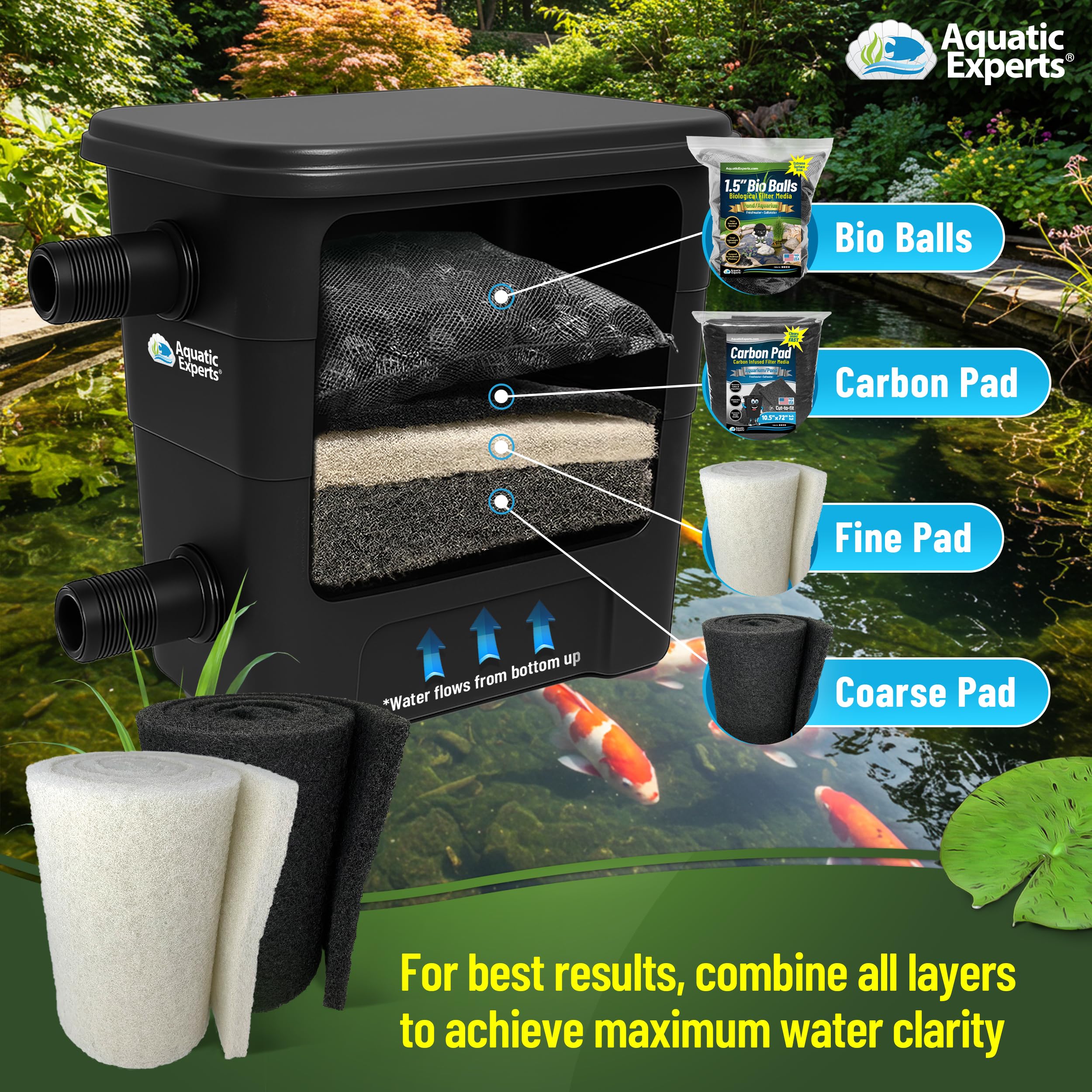
Combination filters use mechanical, biological, and chemical methods together. They offer full cleaning for koi ponds.
These systems provide better water quality and reduce maintenance. They suit ponds with many fish or plants.
- Combine all filter types
- Provide thorough cleaning
- Improve pond health and clarity
Credit: www.amazon.ca
Choosing Filters For Koi Ponds
Choosing the right filter is important for keeping a koi pond clean and healthy. Filters remove dirt and harmful substances from the water.
Good filters help koi fish live longer by giving them clean water. You need to pick filters based on your pond’s needs.
Filter Capacity And Pond Size
Filters must match the size of your pond. A filter that is too small will not clean the water well.
Look for filters that can handle the total volume of your pond water in a few hours. This helps keep water clear and safe.
- Measure your pond’s water volume in gallons or liters
- Choose a filter rated for at least the same volume
- Consider a larger capacity if your pond has many fish
Durability And Weather Resistance
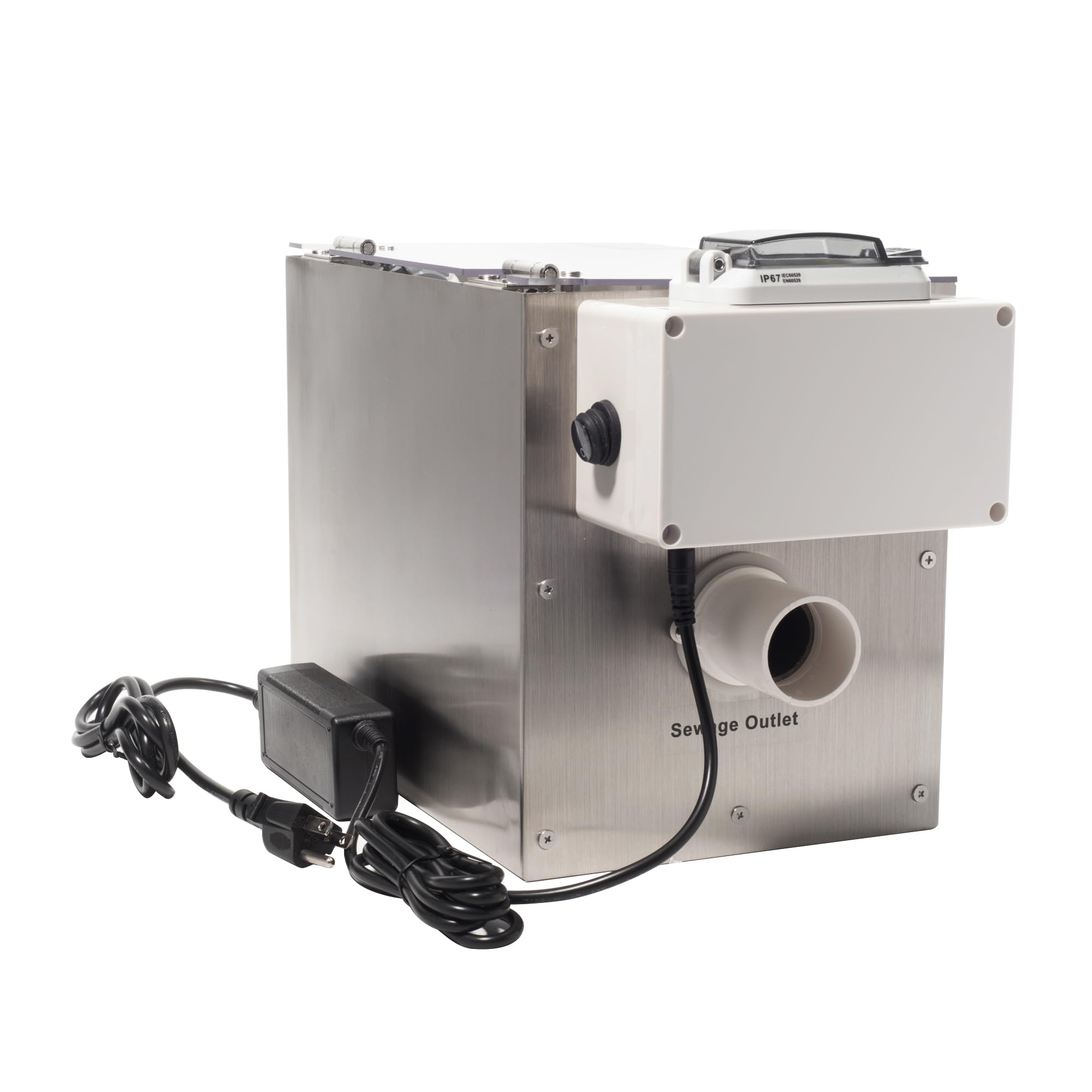
Filters stay outside and face rain, sun, and cold. Durable materials last longer and keep working well.
Look for filters made with weather-resistant plastic or metal. They should resist rust and cracking.
- UV-resistant parts prevent sun damage
- Waterproof seals keep electronics safe
- Sturdy frames avoid breakage in bad weather
Maintenance Requirements
Filters need regular cleaning to work well. Some filters are easier to clean than others.
Choose filters with simple designs. Easy cleaning saves time and keeps your pond healthy.
- Filters with removable parts speed up cleaning
- Look for filters that do not clog quickly
- Check if replacement parts are easy to find
Energy Efficiency
Filters run all day and use electricity. Energy-efficient filters lower your power bills.
Choose filters with low energy motors. They save money and help the environment.
- Look for filters with energy-saving labels
- Use filters with variable speed settings
- Consider solar-powered filter options
Setting Up Your Filter System
Setting up an aquarium filter for koi ponds helps keep water clean and clear. A well-installed filter supports healthy fish and plants.
This guide covers key points on placing, connecting, and starting your filter system.
Placement And Installation Tips
Choose a level spot near your pond to place the filter. Avoid direct sunlight to reduce algae growth inside the filter. Ensure easy access for cleaning and maintenance.
- Place the filter on a stable, flat surface
- Keep it close to the pond’s edge
- Protect from rain and extreme weather
- Leave space around the filter for airflow
Connecting To Pond Plumbing
Use proper tubing and fittings to connect the filter to your pond. Make sure all connections are tight to prevent leaks. Use clamps to secure hoses firmly in place.
| Connection Type | Recommended Material | Tip |
| Inlet Hose | Flexible PVC | Use hose clamps to secure |
| Outlet Hose | Rigid PVC | Check for tight fittings |
| Drain Valve | Ball Valve | Use for easy cleaning |
Priming And Starting The Filter
Priming the filter removes air and helps water flow smoothly. Follow your filter’s instructions carefully. Start the pump and watch for steady water flow.
- Fill the filter with pond water to remove air pockets
- Turn on the pump and check for leaks
- Adjust flow rate if needed for optimal filtration
- Monitor the filter for the first few hours
Maintaining Clear Water
Keeping water clear in a koi pond is very important. A good aquarium filter helps remove dirt and waste.
Clear water keeps koi healthy and the pond looking nice. Regular care of the filter is needed.
Regular Cleaning Schedule
Cleaning the filter often stops clogs and helps it work well. Check the filter every week or two.
Remove debris like leaves and sludge from the filter parts. Clean gently to avoid damage.
- Turn off the pump before cleaning
- Rinse filter pads with pond water
- Clear out large debris by hand
- Do not use tap water on beneficial bacteria
Replacing Filter Media
Filter media traps dirt and helps good bacteria grow. Change it when it is worn or dirty.
Some media lasts longer than others. Follow the maker’s advice on how often to replace.
- Sponge or foam pads last about 6 months
- Ceramic rings may last up to a year
- Activated carbon should be replaced every 4 weeks
- Always rinse new media before adding it
Monitoring Water Quality
Test water regularly to keep it safe for koi. Check pH, ammonia, nitrite, and nitrate levels.
Clear water means good water quality. Use test kits to find problems early and fix them fast.
- Test water weekly or after heavy rain
- Keep pH between 6.8 and 8.2
- Ammonia and nitrite should be zero
- Nitrate should be below 40 ppm
Troubleshooting Common Issues
Filters may clog, leak, or lose flow. Watch for cloudy water or bad smells.
Fix small problems early to avoid bigger damage. Clean, replace parts, or adjust flow as needed.
- Check for blockages in the intake or output
- Clean or replace worn filter pads
- Ensure pump is running and not noisy
- Look for leaks and tighten connections
Enhancing Filtration With Additional Equipment
Keeping koi ponds clean needs more than a basic filter. Extra tools help keep water clear and healthy. Adding equipment improves water quality and fish health.
This guide covers four key tools: UV clarifiers, aeration systems, water pumps, and skimmers with pre-filters. Each plays a role in better filtration and pond care.
Uv Clarifiers
UV clarifiers use ultraviolet light to kill algae and harmful bacteria. They reduce green water and prevent disease. Installing a UV clarifier helps keep pond water clear and safe for koi.
Aeration Systems
Aeration adds oxygen to the pond water. This supports beneficial bacteria that break down waste. It also helps fish breathe better and reduces harmful gas buildup.
- Increases oxygen levels
- Boosts bacteria activity
- Prevents stagnant water
- Improves fish health
Water Pumps
Water pumps move water through filters and around the pond. Good flow helps remove debris and spreads oxygen evenly. Choosing the right pump size is key to effective filtration.
| Pump Type | Best Use | Flow Rate (gph) |
| Submersible | Underwater use | 500-3000 |
| External | Outside pond | 1000-5000 |
| Solar | Energy saving | 200-1000 |
Skimmers And Pre-filters
Skimmers remove leaves and surface debris before water reaches the main filter. Pre-filters catch larger particles to protect pumps and filters. Using both extends filter life and keeps water cleaner.
- Reduce clogging in main filters
- Protect pumps from damage
- Keep pond surface clean
- Lower maintenance needs
Natural Filtration Alternatives
Koi ponds need clean water for healthy fish. Natural filtration can help keep ponds clear and safe. This method uses nature’s own tools to filter the water. Let’s explore how this works.
There are different natural options available. They can be used alone or together. Each has its own benefits. Discover how aquatic plants, beneficial bacteria, and gravel filtration can make a difference.
Aquatic Plants
Aquatic plants are great natural filters. They absorb nutrients from the water. This helps reduce algae growth. Plants also provide oxygen and shelter for fish.
Some popular aquatic plants for koi ponds include water lilies, anacharis, and hornwort. These plants are easy to maintain and add beauty to any pond.
- Water lilies float and create shade.
- Anacharis grows fast and cleans water.
- Hornwort is a hardy plant and good oxygenator.
Beneficial Bacteria
Bacteria are tiny but mighty helpers in your pond. They break down waste and convert it into less harmful substances. This process keeps the pond water clean and healthy.
These bacteria live in the filter media and on pond surfaces. You can add them directly to the water. This boosts their population and improves filtration.
Gravel And Substrate Filtration
Gravel and substrate help filter the water naturally. They provide a surface for beneficial bacteria to grow. This combination creates a balanced ecosystem.
Use different sizes of gravel for the best results. Small gravel catches fine particles, while larger pieces trap bigger debris.
- Gravel adds texture to the pond bottom.
- Substrate supports plant growth.
- Layered gravel improves water flow.
Seasonal Care For Koi Pond Filters
Taking care of your koi pond filter is important all year. Different seasons need different care for the filter to work well. Keeping the water clean helps your koi stay healthy.
This guide covers how to care for your koi pond filter during winter, summer, and changing weather. Follow these tips to keep your pond in great shape throughout the year.
Winterizing Your Filter
In winter, the water gets cold and koi slow down. You need to prepare your filter for this change. This helps protect your filter and keeps it working well.
First, clean the filter to remove dirt. Then, check all parts for damage. Consider reducing the filtration rate as koi are less active.
- Clean filter media thoroughly
- Inspect for cracks or wear
- Adjust filtration rate lower
Summer Maintenance Tips
Summer is the time when koi are very active. Your filter needs to work hard to keep the water clean. Regular care helps avoid problems.
Check the filter weekly for clogs. Make sure water flows freely. This helps keep oxygen levels high for the fish.
- Check for blockages weekly
- Ensure optimal water flow
- Replace worn parts promptly
Adjusting Filtration For Weather Changes
Weather changes can affect your pond filter. You need to adjust the filtration to match these changes. This helps maintain a healthy environment for your koi.
Monitor weather forecasts. Increase filtration during heavy rain to handle debris. In dry periods, check water levels to ensure proper flow.
- Increase filtration in rainy weather
- Watch for debris buildup
- Maintain water levels in dry spells
Credit: www.alibaba.com
Frequently Asked Questions
What Is The Best Aquarium Filter For Koi Ponds?
The best aquarium filter for koi ponds is a multi-stage filtration system. It combines mechanical, biological, and chemical filtration to keep water clean and healthy for koi fish.
How Often Should I Clean A Koi Pond Filter?
You should clean your koi pond filter every 4 to 6 weeks. Regular cleaning ensures optimal filtration and prevents buildup of harmful debris.
Can Aquarium Filters Handle Large Koi Pond Sizes?
Yes, some aquarium filters are designed for large koi ponds. Choose filters with high flow rates and capacity suitable for your pond’s volume.
Why Is Biological Filtration Important For Koi Ponds?
Biological filtration breaks down harmful ammonia and nitrites into less toxic nitrates. It maintains water quality and supports a healthy environment for koi fish.
Conclusion
Choosing the right aquarium filter keeps your koi pond clean and healthy. It removes dirt and harmful chemicals from the water. Clean water helps koi fish grow strong and live longer. Regular filter care keeps the system working well. A good filter saves you time and effort on pond maintenance.
Enjoy watching your koi swim in clear, fresh water every day. Remember, a clean pond means happy fish and a beautiful garden. Your koi deserve the best care possible.