
If you love keeping fish, you know how important clear, healthy water is for your aquarium. But how do you make sure your tank stays clean without constant effort?
The answer lies in choosing the right aquarium filter for hobbyists like you. This simple device can make a huge difference in your fish’s health and your enjoyment. Ready to discover which filter fits your tank perfectly and keeps your underwater friends happy?
Keep reading, and you’ll find the key to a thriving aquarium with less hassle.
Types Of Aquarium Filters
Aquarium filters keep water clean for fish and plants. Different filters work in different ways.
Choosing the right filter helps maintain a healthy aquarium environment.
Mechanical Filters
Mechanical filters remove solid waste from the water. They trap debris like uneaten food and fish waste.
These filters use sponges, pads, or floss to catch particles. They need regular cleaning to work well.
- Remove visible dirt
- Help keep water clear
- Prevent clogging of other filter types
Biological Filters
Biological filters use good bacteria to break down harmful waste. These bacteria live on filter media.
The bacteria convert toxic ammonia to less harmful substances. This keeps fish safe and water healthy.
- Break down fish waste
- Support natural water cleaning
- Need time to grow bacteria colonies
Chemical Filters
Chemical filters remove impurities from the water using special materials. They can absorb toxins and odors.
Common materials include activated carbon and resins. These materials must be replaced regularly.
- Remove harmful chemicals
- Clear water of odors and discoloration
- Improve water quality quickly
Combination Filters
Combination filters use two or more filter types together. They clean water in several ways.
These filters often combine mechanical, biological, and chemical media. This gives better water quality.
- Provide complete water cleaning
- Save space with one filter unit
- Require regular maintenance of all parts

Credit: www.amazon.ca
Choosing The Right Filter
Picking the right aquarium filter is important for a healthy tank. A good filter keeps water clean and fish safe.
There are many filters to choose from. Knowing what fits your tank helps you make a smart choice.
Tank Size Considerations
The size of your aquarium affects the filter you need. Larger tanks need stronger filters to clean more water.
Small tanks use smaller filters that fit the space and work quietly.
Fish Species And Bioload
Different fish produce different amounts of waste. Some fish need more powerful filters.
High bioload means you need a filter that can handle more waste and keep water clean.
- Goldfish produce a lot of waste
- Small tropical fish produce less waste
- Bottom feeders stir up debris
Filter Flow Rate
Flow rate shows how fast the filter moves water. It is measured in gallons per hour (GPH).
Choose a filter with a flow rate that matches your tank size and fish needs.
- Low flow is good for small or delicate fish
- High flow suits larger tanks and active fish
- Adjustable flow is helpful for flexibility
Noise And Energy Efficiency
Quiet filters help keep your room peaceful. Some filters make more noise than others.
Energy-efficient filters save power and reduce your electricity bill.
- Look for filters labeled quiet or low noise
- Check power use before buying a filter
- Regular maintenance keeps filters running smoothly
Installation Tips
Installing an aquarium filter is important for keeping your tank clean. A proper setup helps maintain healthy water for your fish.
This guide shares easy tips to install your filter the right way. Follow these steps for better filter performance.
Placement Strategies
Place the filter where water flows well. Avoid blocking fish swimming areas or decorations.
Keep the filter close to the power outlet to avoid stretching cords. Also, ensure easy access for cleaning and maintenance.
- Position the filter near the tank’s back or side wall
- Leave space around the filter for water circulation
- Do not place the filter where it disturbs fish movement
- Keep power cords neat and dry
Setting Up Filter Media
Filter media cleans water by trapping dirt and harmful chemicals. Use the right combination for your tank size and fish type.
Rinse new filter media with tank water before placing it. This removes dust and avoids clouding the water.
- Use mechanical media like sponges to catch debris
- Add biological media for helpful bacteria growth
- Consider chemical media to remove odors and toxins
- Replace media as recommended by the manufacturer
Priming The Filter
Priming starts the water flow in your filter. Some filters need manual priming to work well.
Fill the filter with water before turning it on. This prevents dry running and protects the motor.
- Check if your filter has a priming button or tube
- Fill the filter chamber with tank water
- Press the priming button if available
- Turn on the filter and watch for smooth water flow
- Repeat priming if the filter stops or makes noise
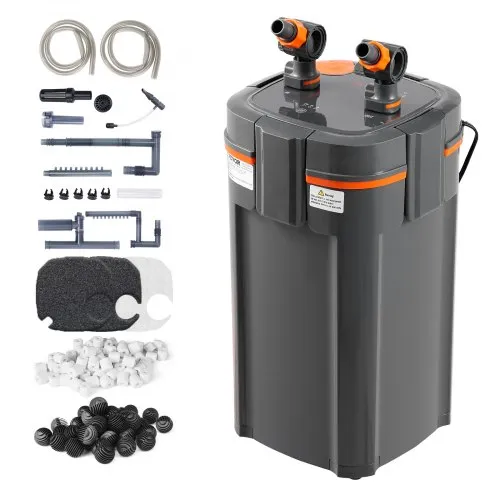
Credit: www.vevor.ca
Maintenance And Cleaning
Keeping your aquarium filter clean is key to a healthy tank. Regular care helps your filter work well.
Cleaning and checking your filter stops problems and keeps water clear for your fish.
Regular Cleaning Schedule
Clean your aquarium filter every 2 to 4 weeks. This depends on tank size and fish load.
Remove debris and rinse parts with tank water to save helpful bacteria.
- Turn off and unplug the filter before cleaning
- Remove the filter media carefully
- Rinse media in aquarium water, not tap water
- Clean the filter casing and impeller
- Reassemble and restart the filter
Replacing Filter Media
Filter media need replacing to keep the filter working well. Check the type you use.
Mechanical media can be replaced every 1-2 months. Biological media lasts longer.
- Replace mechanical media when dirty or clogged
- Replace chemical media like carbon every 4-6 weeks
- Keep biological media unless damaged
- Do not replace all media at once to keep bacteria alive
Troubleshooting Common Issues
If your filter is noisy, check the impeller for dirt or damage. Clean or replace if needed.
Low water flow can mean clogged media or a blocked intake. Clean parts carefully.
- Noise: Clean impeller and housing
- Low flow: Check and clean media and intake tube
- Leaking: Check seals and connections
- Filter stops: Ensure power supply and motor work
Upgrading Your Filter
Keeping your aquarium water clean is key for healthy fish. A good filter helps remove waste and keeps water clear.
Sometimes your current filter may not work well as your tank grows. Upgrading your filter can improve water quality and fish health.
Signs You Need An Upgrade
Watch for these signs to know when to upgrade your aquarium filter:
- Water looks cloudy or dirty despite cleaning
- Fish show stress or unusual behavior
- Filter noise becomes louder or unusual
- Filter flow rate slows down noticeably
- Your tank size has increased beyond filter capacity
Advanced Filtration Options
Upgrading lets you explore better filtration types. Each type has strengths for water quality.
| Filter Type | Description | Best For |
| Canister Filter | Powerful external filter with multiple media | Large tanks, heavy fish load |
| Sponge Filter | Air-driven filter good for biological cleaning | Small tanks, fry tanks |
| Undergravel Filter | Filters water through gravel bed | Low-maintenance setups |
| Hang-on-Back Filter | Easy to install and maintain | Medium tanks, beginners |
Customizing Filter Systems
You can improve filtration by customizing the system. Add or change filter media for better results.
Common filter media to customize your system:
- Mechanical media: sponges, floss to trap debris
- Chemical media: activated carbon removes odors and toxins
- Biological media: ceramic rings support beneficial bacteria
- Specialty media: phosphate removers for algae control
Diy Filter Solutions
Creating your own aquarium filter is fun and saves money. DIY filters help keep your fish healthy and your tank clean.
Filters remove waste and improve water quality. You can build effective filters using simple materials.
Building A Sponge Filter
A sponge filter is easy to make and works well. It uses air to move water and traps dirt in the sponge.
You need a sponge, an air pump, and a plastic tube. Cut the sponge to fit your tank. Attach the tube to the air pump and insert it into the sponge.
- Cut sponge to desired size
- Attach air pump to plastic tube
- Insert tube into sponge
- Place sponge in tank
Using Bio Balls And Ceramic Rings
Bio balls and ceramic rings help good bacteria grow. They break down waste and improve water quality.
Put them in a mesh bag and place it in your filter. This gives bacteria a place to live and work.
- Place bio balls in mesh bag
- Add ceramic rings to the bag
- Position bag in filter
Low-cost Filter Hacks
Low-cost filter solutions help you save money. Use plastic bottles or old containers to create filter chambers.
Fill them with filter media like gravel or sponge pieces. This enhances water flow and filtration.
- Reuse plastic bottles as filter chambers
- Fill with sponge pieces or gravel
- Ensure good water flow
Impact On Aquarium Health
Aquarium filters play a vital role in maintaining a healthy environment for fish. They help keep water clean and safe.
Filters reduce waste and toxins in the water, ensuring the well-being of aquatic life.
Reducing Algae Growth
Filters can help decrease algae growth in aquariums. They remove excess nutrients that algae need to thrive.
- Less algae means a clearer view of fish.
- Reduces the need for frequent cleaning.
- Creates a healthier habitat for aquatic life.
Maintaining Water Clarity
Clear water is essential for fish health and visibility. Filters help remove particles and debris.
| Filter Type | Effectiveness |
| Mechanical | High |
| Chemical | Medium |
| Biological | High |
Supporting Beneficial Bacteria
Beneficial bacteria are crucial for breaking down waste. Filters provide surfaces for these bacteria to grow.

Credit: www.amazon.com
Frequently Asked Questions
What Is The Best Aquarium Filter For Hobbyists?
The best aquarium filter depends on tank size and fish species. Canister filters offer strong mechanical and biological filtration. Hang-on-back filters are easy to maintain and suit smaller tanks. Choose a filter that matches your aquarium’s needs for clear, healthy water.
How Often Should Aquarium Filters Be Cleaned?
Clean aquarium filters every 2 to 4 weeks for optimal performance. Rinse filter media in tank water to preserve beneficial bacteria. Avoid using tap water, which can kill helpful microbes. Regular cleaning prevents clogging and maintains good water quality for your fish.
Can Aquarium Filters Reduce Harmful Chemicals?
Yes, many aquarium filters remove harmful chemicals using activated carbon or other media. These media absorb toxins, odors, and discolorations, improving water clarity and safety. Choose filters with chemical filtration if your tank suffers from medication residues or pollutants.
Are Internal Or External Filters Better For Hobbyists?
Internal filters suit small tanks and are easy to install. External canister filters handle larger tanks with superior filtration capacity. Hobbyists with bigger or heavily stocked tanks benefit more from external filters. Choose based on tank size, space, and maintenance preference.
Conclusion
Choosing the right aquarium filter helps keep fish healthy and water clear. Clean water means happy fish and less work for you. Filters remove waste and keep the tank fresh every day. Remember to pick a filter that fits your tank size.
Regular cleaning of the filter keeps it working well. Enjoy watching your fish swim in clean, bright water. A good filter makes your hobby easier and more fun. Start with the basics, and your aquarium will thrive. Simple care leads to a beautiful, healthy tank.