
If you have a busy aquarium with lots of fish or plants, you know how important it is to keep the water clean. But did you know that a regular filter might not be enough for your tank?
When your aquarium has a high bio-load, waste builds up quickly, and your fish can get stressed or sick. Choosing the right aquarium filter for high bio-load can make all the difference. You’ll discover how to pick the best filter to keep your tank clear, your fish healthy, and your aquarium thriving.
Ready to find out what your aquarium really needs? Let’s dive in.
Credit: www.vevor.ca
Why High Bio-load Matters
Aquariums with many fish or large species have a high bio-load. This means more waste is produced in the tank.
High bio-load affects the water quality and the health of fish. Using the right filter helps keep the tank clean and safe.
Effects On Water Quality
High bio-load increases waste like ammonia and nitrites in the water. These substances are harmful to fish.
A good filter removes this waste and keeps the water clear. If the filter is not strong enough, water quality drops fast.
- Ammonia builds up from fish waste and food leftovers
- Nitrites form as ammonia breaks down but are still toxic
- High waste causes cloudy and smelly water
- Low oxygen levels stress fish and can cause illness
Signs Of Overloaded Filters
When filters cannot handle the bio-load, problems appear quickly. Watch for these signs to protect your fish.
Early detection helps avoid fish sickness and water damage in your aquarium.
- Water becomes cloudy or has a bad smell
- Fish show stress, swim erratically, or hide
- Algae grows faster than usual on tank surfaces
- Filter runs slower or clogs frequently
- Ammonia or nitrite test kits show rising levels

Credit: www.amazon.ca
Types Of Aquarium Filters
Aquarium filters help keep water clean and safe for fish. They remove dirt and harmful substances from the water.
There are different types of filters. Each type has a special job in cleaning the aquarium water.
Mechanical Filters
Mechanical filters remove solid waste like uneaten food and fish waste. They trap these particles before they break down.
These filters use sponges, pads, or floss to catch debris. They help keep the water clear and stop it from getting cloudy.
- Use foam pads or filter floss
- Catch large and small particles
- Need regular cleaning to work well
Biological Filters
Biological filters use good bacteria to break down fish waste. These bacteria turn harmful chemicals into safe ones.
The bacteria grow on special materials like bio balls or ceramic rings. This process is important for a healthy tank.
- Support beneficial bacteria growth
- Convert ammonia to less harmful substances
- Need oxygen and time to work properly
Chemical Filters
Chemical filters remove dissolved wastes and toxins from the water. They use materials like activated carbon to clean the water.
This type of filter helps remove odors, discoloration, and harmful chemicals. It keeps the water fresh and clear.
- Use activated carbon or resins
- Remove chemicals and odors
- Replace media regularly for best results
Features For High Bio-load Filters
Aquarium filters for high bio-load tanks handle more waste. They keep water clean and safe for fish.
These filters have special features to manage heavy fish populations and strong waste production.
Flow Rate And Capacity
High bio-load filters need a strong flow rate. This moves water quickly through the filter media.
A large capacity means the filter can hold more media. This helps break down more waste effectively.
- Fast flow rate to process water efficiently
- Large media space for better filtration
- Suitable for tanks with many fish
Media Options
Filters for high bio-load use different media types. Each type handles waste in a unique way.
Common media include mechanical, biological, and chemical options to clean water well.
- Mechanical media traps solid waste
- Biological media supports good bacteria growth
- Chemical media removes toxins and odors
Ease Of Maintenance
Filters should be easy to clean and maintain. This keeps them working well over time.
Simple access to parts and reusable media save time and effort during maintenance.
- Easy to open filter compartments
- Reusable media to reduce waste
- Clear instructions for cleaning
Top Filters For Heavy Bio-load
Maintaining a clean aquarium with a heavy bio-load needs strong filtration. Filters must handle lots of waste and keep water clear. Choosing the right filter helps keep fish healthy and water safe.
Some filters work better for heavy bio-loads. These filters remove debris, toxins, and harmful chemicals efficiently. Here are top filter types for tanks with many fish or plants.
Canister Filters
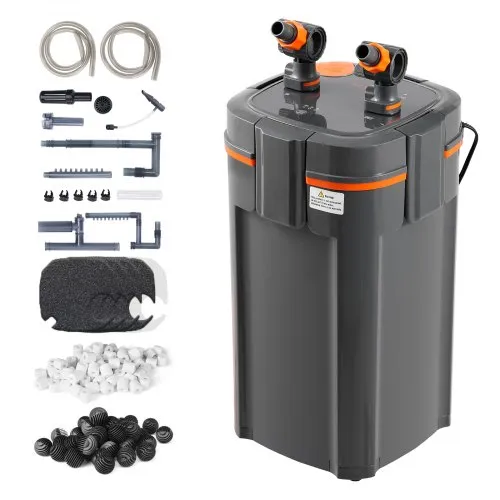
Canister filters sit outside the tank and push water through filter media. They offer great mechanical, chemical, and biological filtration. Canisters fit large tanks and high bio-loads well.
- Powerful water flow and filtration
- Customizable filter media options
- Easy to clean and maintain
- Quiet operation
Sponge Filters
Sponge filters use air to draw water through a sponge. They provide gentle mechanical and biological filtration. Sponge filters work great for breeding tanks and small setups with heavy bio-loads.
| Advantage | Description |
| Biological Filtration | Large surface area for beneficial bacteria |
| Low Flow | Safe for fry and delicate species |
| Cost Effective | Affordable and simple to use |
| Easy Maintenance | Clean by squeezing sponge in tank water |
Power Filters
Power filters hang on the tank’s edge and pull water through cartridges. They offer mechanical and chemical filtration. Power filters are popular for medium tanks with moderate to heavy bio-loads.
- Simple installation and use
- Replaceable filter cartridges
- Good water circulation
- Moderate noise levels
Wet/dry Filters
Wet/dry filters use air to drip water over bio-media. This method maximizes oxygen for bacteria. These filters handle very heavy bio-loads in large aquariums.
- Excellent biological filtration
- High oxygen exposure for bacteria
- Can process large water volumes
- Ideal for marine and reef tanks
Filter Media Recommendations
Choosing the right filter media is key for aquariums with high bio-load. Proper media helps keep water clean and healthy for fish.
Different types of filter media serve specific roles. Understanding each type helps you build an effective filtration system.
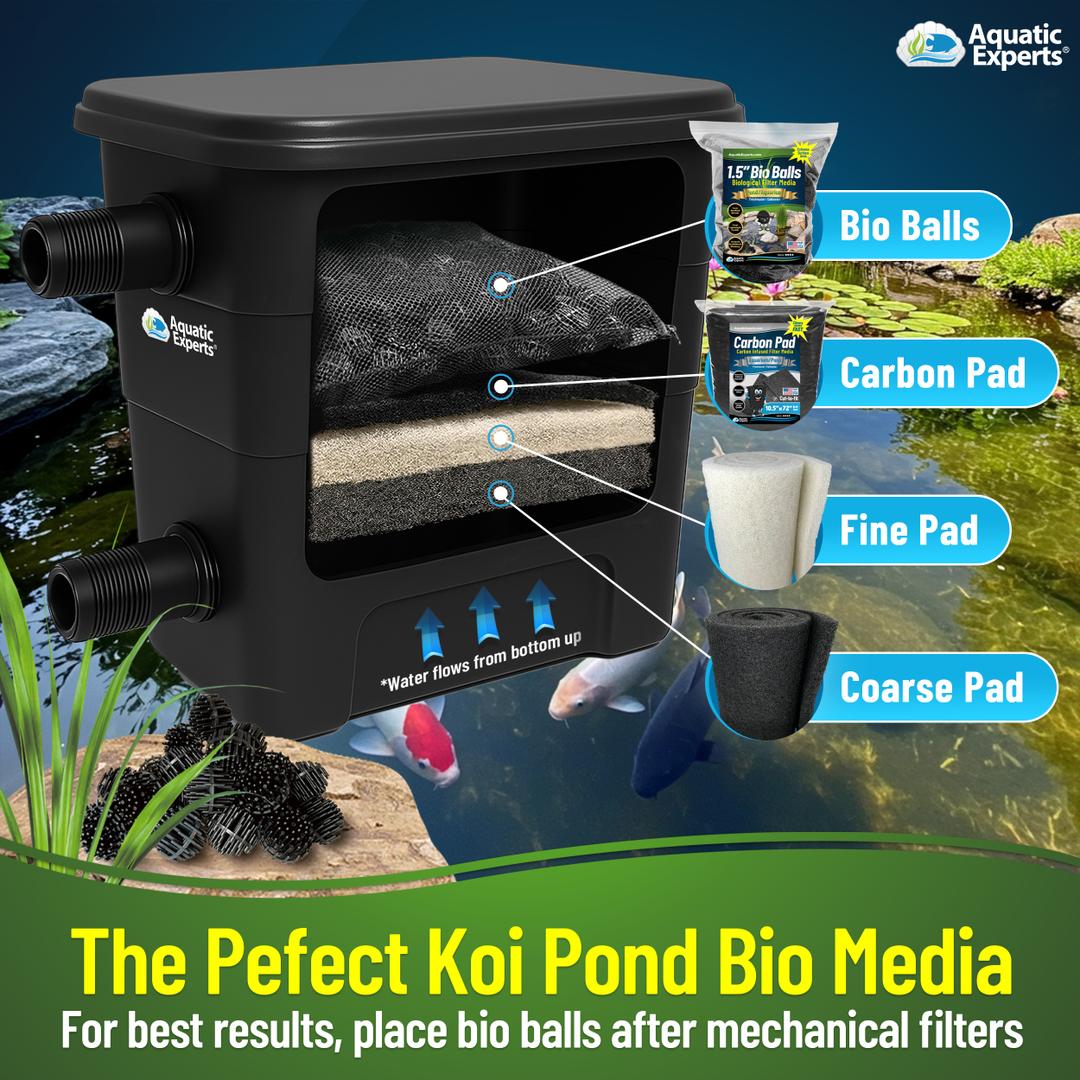
Bio Balls And Ceramic Rings
Bio balls and ceramic rings provide surface area for beneficial bacteria to grow. These bacteria break down harmful waste in the water.
- Bio balls are made of plastic and have many holes for bacteria.
- Ceramic rings are porous and offer a large surface for bacteria colonization.
- Both media types support biological filtration effectively.
- They need regular rinsing in tank water to avoid clogging.
Activated Carbon
Activated carbon removes impurities, odors, and discoloration from aquarium water. It adsorbs chemicals but does not support bacteria growth.
| Benefit | Notes |
| Removes odors | Helps keep tank water fresh |
| Adsorbs toxins | Improves water clarity |
| Does not aid bacteria | Use with biological media |
| Replace regularly | Usually every 3-4 weeks |
Foam And Sponges
Foam and sponges trap debris and provide a home for beneficial bacteria. They are easy to clean and maintain.
- Mechanical filtration captures waste particles.
- Biological filtration occurs as bacteria grow on the surface.
- Rinse sponges in tank water to keep bacteria alive.
- Replace sponges if they tear or lose shape.
Setting Up Your Filter
An aquarium filter is essential for maintaining a healthy tank. High bio-load tanks need special attention to filtration. This guide will help you set up your filter correctly.
Proper setup ensures your aquarium stays clean and your fish thrive. Follow these steps for the best results.
Placement Tips
Position your filter where it can circulate water effectively. Ensure it’s near a power source for easy access.
Avoid placing the filter near decorations that may block water flow. This helps maintain even filtration.
- Place away from tank corners
- Ensure easy access for maintenance
- Keep intake clear of debris
Priming And Starting
Priming your filter removes air bubbles and ensures smooth operation. Fill the filter with water before starting.
Switch on the filter and check for leaks. Listen for unusual sounds which may indicate issues.
- Fill filter with water
- Check for air bubbles
- Listen for unusual noises
Balancing Filtration Types
Use mechanical, chemical, and biological filtration for best results. Each type plays a role in keeping water clean.
Balance these types based on your tank’s needs. More biological filtration may be needed for high bio-load tanks.
| Filtration Type | Purpose |
| Mechanical | Removes debris |
| Chemical | Removes toxins |
| Biological | Breaks down waste |
Maintaining Filters Under High Bio-load
Aquariums with many fish create a high bio-load. This means filters work harder to keep water clean. Proper maintenance is key for healthy fish.
Filters can get clogged and less effective over time. Regular care ensures they work well and last longer.
Cleaning Frequency
Clean filters often to handle high bio-load. Dirty filters make water quality drop. Fish can get sick if water is not clean.
- Check filters weekly for dirt and debris
- Rinse filters in aquarium water, not tap water
- Clean filter parts monthly to ensure efficiency
Replacing Media
Filter media needs replacing to keep up with a high bio-load. Old media can harm water quality. Fresh media helps keep water clear.
Different filters have different media. Know what your filter uses.
- Replace carbon media every 4-6 weeks
- Ceramic rings last longer, replace as needed
- Sponges can be reused, but replace if damaged
Monitoring Performance
Watch filter performance to ensure it handles the bio-load. A weak filter can’t keep water clean. Fish health depends on good filtration.
- Check water flow regularly
- Listen for unusual noises from the filter
- Test water quality monthly for ammonia and nitrite levels
Credit: www.aquaticexperts.com
Troubleshooting Common Issues
Aquarium filters for high bio-load tanks often face problems due to heavy fish waste. Proper filter care is key to keeping the water clean and healthy.
This guide covers common issues with these filters and ways to fix them. Quick checks can save your aquarium from bigger problems.
Clogging Problems
Clogging happens when debris blocks the filter media or intake. It lowers filter efficiency and can harm water quality.
Regular cleaning of filter parts prevents clogging. Avoid overfeeding fish to reduce waste buildup inside the filter.
- Remove and rinse sponge or foam pads weekly.
- Check intake tubes for blockages.
- Replace filter media as per manufacturer’s advice.
- Keep gravel and decorations clean to reduce debris.
Flow Rate Drops
A slow flow rate means less water passes through the filter. This reduces oxygen and filtration power in the tank.
Flow rate can drop due to clogged parts or worn-out pump components. Inspect and clean the pump regularly.
- Clear debris from impeller and pump housing.
- Check for air bubbles trapped inside the filter system.
- Replace old or damaged pump parts if needed.
- Make sure the filter is fully submerged as required.
Unpleasant Odors
Bad smells often come from decaying waste caught in the filter. This signals poor water conditions that need attention.
Cleaning and maintenance remove odor sources. Use proper filter media to keep water fresh and clear.
- Rinse or replace biological media carefully to preserve bacteria.
- Remove uneaten food and dead plants from the tank.
- Perform regular water changes to dilute waste.
- Check for dead fish or trapped debris inside the filter.
Frequently Asked Questions
What Is A High Bio-load Aquarium Filter?
A high bio-load aquarium filter handles large fish waste and organic matter efficiently. It prevents toxic buildup and maintains water clarity, ensuring a healthy environment for densely stocked tanks.
How To Choose The Best Filter For High Bio-load?
Select a filter with strong mechanical, biological, and chemical filtration. Ensure it suits your tank size and fish quantity. Consider brands known for durability and high flow rates.
Can High Bio-load Filters Reduce Ammonia And Nitrites?
Yes, these filters support beneficial bacteria that convert ammonia and nitrites into less harmful substances. Proper filtration stabilizes water chemistry, preventing toxicity in heavily stocked aquariums.
How Often Should I Clean A High Bio-load Filter?
Clean the filter media every 2-4 weeks, depending on tank conditions. Avoid over-cleaning beneficial bacteria. Regular maintenance keeps the filter effective without disrupting biological balance.
Conclusion
Choosing the right aquarium filter helps keep your tank clean and healthy. High bio-load tanks need strong filters that work well. Filters remove waste and keep the water clear for fish. A good filter supports beneficial bacteria to break down toxins.
Regular maintenance keeps the filter working at its best. Clean water means happy fish and a beautiful aquarium. Take time to find the filter that fits your tank’s needs. Your fish will thank you with bright colors and active swimming.
A well-filtered tank creates a better home for all aquatic life.