
If you have a heavily stocked aquarium, you know how challenging it can be to keep the water clean and healthy for your fish. Your tank needs a powerful filter that can handle a high waste load without stressing your aquatic friends.
Choosing the right aquarium filter for heavily stocked tanks is crucial to maintain clear water, reduce harmful toxins, and keep your fish thriving. You’ll discover how to pick the best filter that suits your tank’s needs, making your aquarium a vibrant and safe home for all your fish.
Keep reading to find out what features really matter and how to make the smartest choice for your underwater world.
Credit: www.ebay.com
Choosing The Right Filter Type
Choosing the right filter is very important for tanks with many fish. A good filter keeps water clean and healthy.
Different filters work best for different tank sizes and fish amounts. Pick a filter that fits your tank’s needs.
Canister Filters
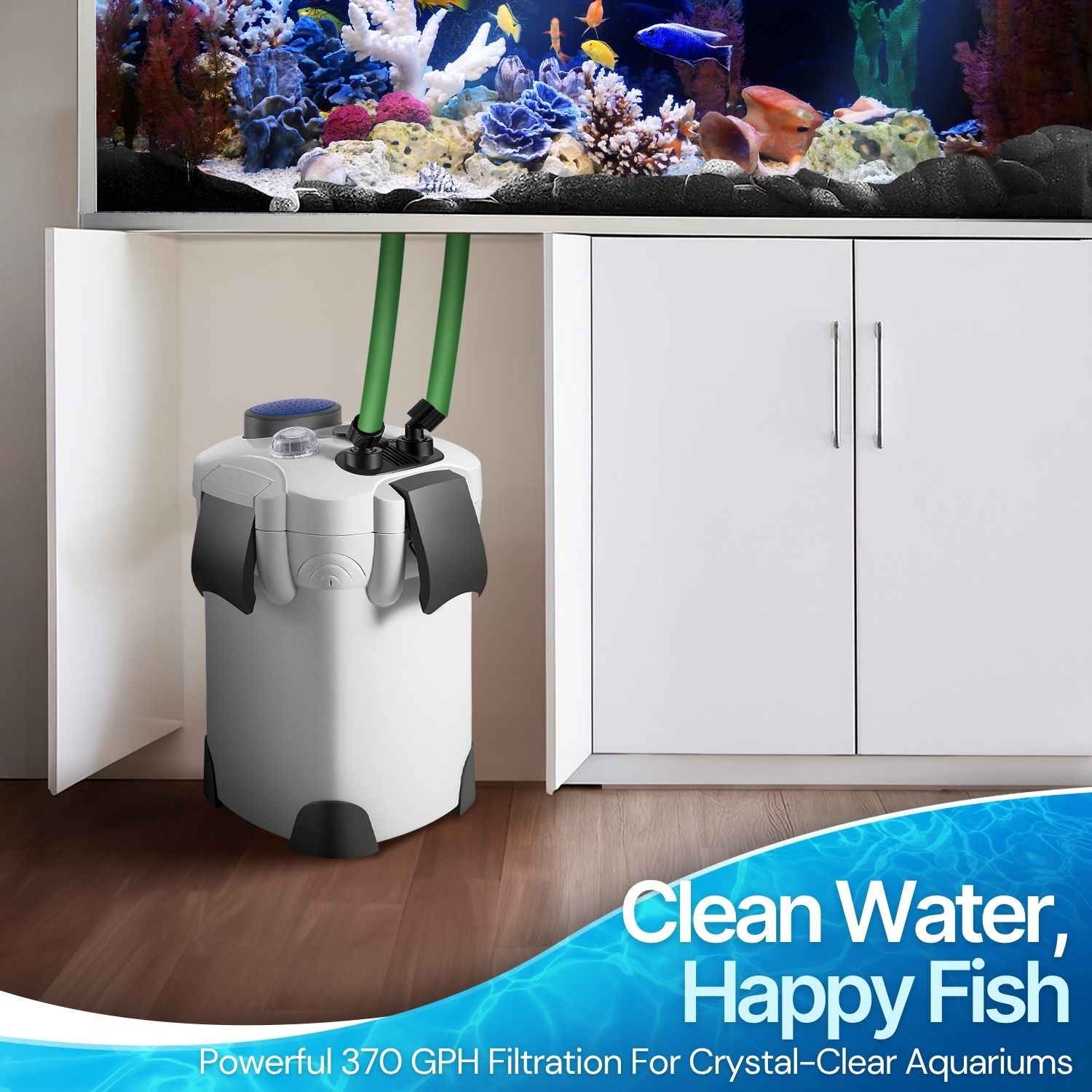
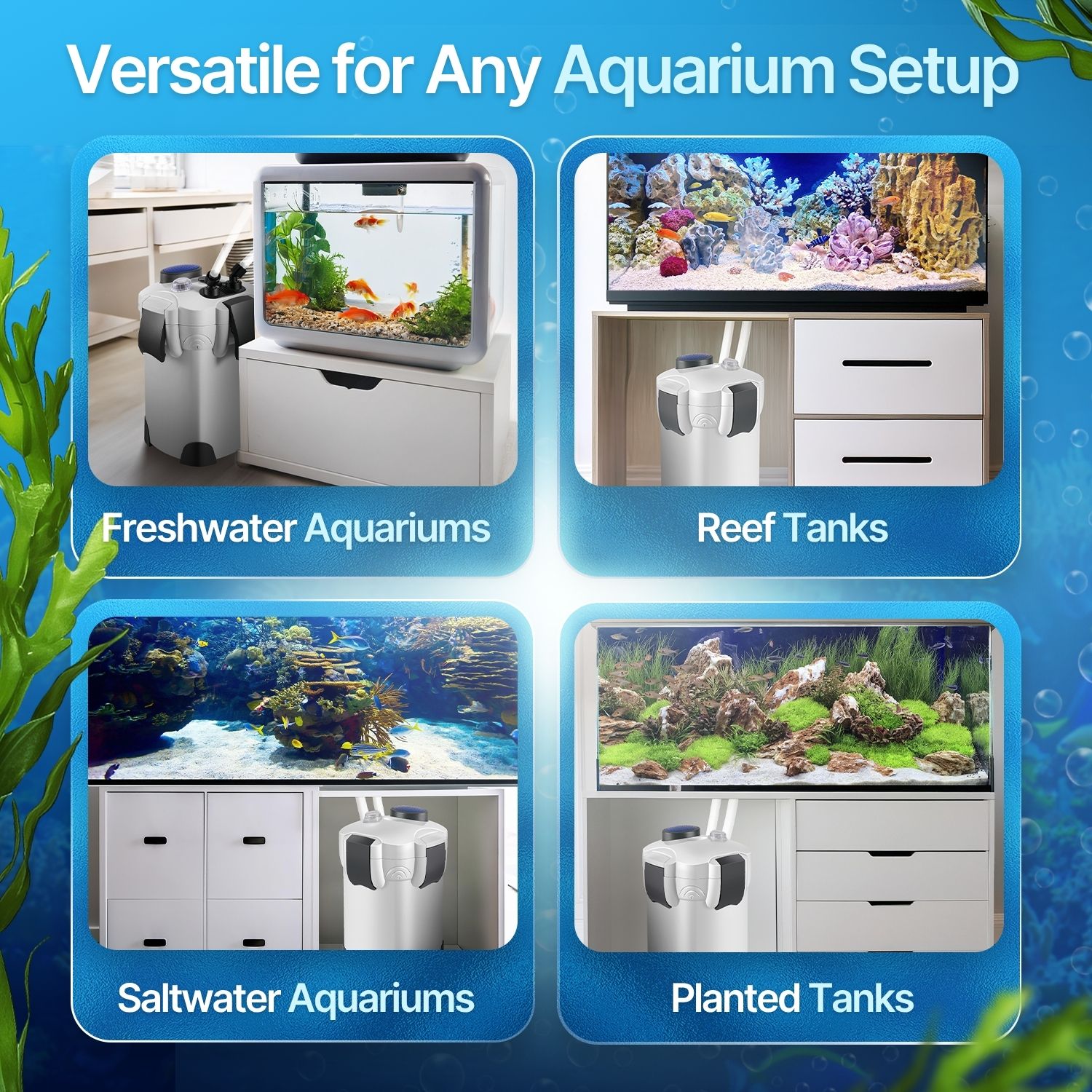
Canister filters sit outside the tank and use hoses to move water. They offer strong cleaning power for big tanks.
These filters have many layers for mechanical, chemical, and biological cleaning. They work quietly and can handle heavy fish loads.
Sump Filters
Sump filters are extra tanks below the main aquarium. Water flows down to the sump and gets filtered there.
They hold a lot of filter media and add water volume. Sumps help with heavy bioloads and keep water stable.
Hang-on-back Filters
Hang-on-back filters hang on the tank’s edge and pull water up for cleaning. They are easy to install and maintain.
These filters work well for medium tanks. They provide good mechanical and chemical filtration but less biological capacity.
Internal Filters
Internal filters sit inside the aquarium. They are small and simple to use in smaller tanks.
These filters offer basic cleaning and are not ideal for very crowded tanks. Use them for light to moderate fish loads.
Credit: www.ebay.com
Filtration Methods Explained
Aquarium filters keep water clean and safe for fish. They remove dirt and harmful substances.
There are three main filtration methods. Each has a different role in water quality.
Mechanical Filtration
Mechanical filtration traps solid waste from the water. It uses materials like sponge or floss to catch debris.
- Removes uneaten food
- Catches fish waste
- Prevents particles from clouding water
- Needs regular cleaning to avoid clogging
Biological Filtration
Biological filtration uses beneficial bacteria. These bacteria break down harmful ammonia and nitrites.
| Compound | Role |
| Ammonia (NH3) | Very toxic to fish |
| Nitrites (NO2-) | Less toxic but still harmful |
| Nitrates (NO3-) | Less harmful, removed by water changes |
Chemical Filtration
Chemical filtration removes dissolved substances from water. It uses media like activated carbon or zeolite.
Chemical filtration helps to:
- Remove odors
- Clear discoloration
- Absorb toxins and pollutants
- Improve water clarity
Sizing Filters For Heavy Stocking
Heavily stocked aquarium tanks need strong filters. These filters keep water clean and fish healthy.
Choosing the right filter size is key to handle waste and keep water clear in busy tanks.
Calculating Flow Rate
Flow rate is how much water the filter moves per hour. Heavy stocking needs higher flow rates.
Pick a filter with a flow rate that moves all tank water 5 to 10 times each hour.
- For a 50-gallon tank, aim for 250 to 500 gallons per hour (GPH).
- Higher fish counts require flow rates at the top of this range.
- Too low flow means poor water cleaning and fish stress.
Filter Media Capacity
Filter media traps dirt and helps friendly bacteria grow. Bigger media means better cleaning.
Choose filters with enough media space to handle heavy waste from many fish.
- Mechanical media captures debris and particles.
- Biological media supports helpful bacteria to break down waste.
- Chemical media removes odors and toxins.
- More media means less frequent cleaning and better water quality.
Tank Volume Vs Filter Power
Tank size affects filter needs, but fish count matters more. Heavy stocking demands stronger filters.
Use filter power that matches the tank volume and fish load for best results.
| Tank Volume (Gallons) | Light Stocking Filter (GPH) | Heavy Stocking Filter (GPH) |
|---|---|---|
| 20 | 80-160 | 160-320 |
| 50 | 250-400 | 500-800 |
| 75 | 375-600 | 750-1200 |
| 100 | 500-800 | 1000-1600 |
Maintaining Peak Filter Performance
A well-maintained aquarium filter keeps your tank water clean and healthy. This is very important for tanks with many fish.
Regular care helps the filter work efficiently and supports a balanced environment for your aquatic life.
Regular Cleaning Schedules
Cleaning your filter on a set schedule prevents clogging and keeps water flowing smoothly. It also stops harmful bacteria from building up.
- Turn off and unplug the filter before cleaning.
- Rinse filter pads or sponges in tank water, not tap water.
- Clean the intake tube and impeller to remove debris.
- Do not clean all parts at once to keep beneficial bacteria alive.
- Repeat cleaning every two to four weeks depending on tank size and fish load.
Replacing Filter Media
Filter media such as carbon, foam, or bio balls lose effectiveness over time. Replacing them keeps the filter working at its best.
| Filter Media | Replacement Frequency |
| Carbon | Every 4 weeks |
| Foam Pads | Every 2-3 months |
| Bio Balls | Every 6 months or as needed |
Avoiding Common Mistakes
Many aquarium owners make simple errors that reduce filter performance. Avoid these to keep your tank healthy.
- Do not use tap water with chlorine to clean filter parts.
- Avoid overfeeding fish; excess food clogs filters.
- Never clean all filter media at once to preserve good bacteria.
- Do not run the filter dry or unplug it for long periods.
- Choose the right filter size for your tank and fish population.
Enhancing Water Quality In Crowded Tanks
Keeping fish healthy in heavily stocked tanks can be a challenge. Good filtration is key to maintain clear, clean water. This helps fish thrive in crowded environments.
With more fish, waste builds up quickly. Efficient filtration systems reduce harmful substances. This guide explores methods to enhance water quality in busy tanks.
Supplemental Aeration
More fish means more oxygen demand. Supplemental aeration helps meet this demand. It adds oxygen to the water, helping fish breathe easily.
Use air stones or bubble wands to increase aeration. These devices create bubbles that improve oxygen levels.
- Air stones are easy to use
- Bubble wands cover larger areas
- Adequate aeration prevents oxygen depletion
Using Uv Sterilizers
UV sterilizers help control algae and bacteria. They use ultraviolet light to kill harmful microorganisms. This keeps water clearer and healthier for fish.
Install UV sterilizers in your tank’s filtration system. They work best when water flows slowly through them.
- Reduce algae blooms
- Limit disease outbreaks
- Improve water clarity
Optimizing Water Circulation
Proper water circulation distributes nutrients and oxygen evenly. It also helps remove waste effectively. Good circulation prevents stagnant areas in the tank.
Position filters and pumps to enhance flow. Ensure all areas of the tank receive adequate circulation.
Energy Efficiency And Cost Considerations
Choosing the right aquarium filter is important for tanks with many fish. Energy use and costs affect your choice. Efficient filters save money and help the environment.
This guide covers low-power filters, maintenance costs, and how to balance efficiency with your budget.
Low-power Filters
Low-power filters use less electricity but still clean the water well. They reduce your energy bill and keep fish healthy.
- Use energy-saving motors
- Run at lower speeds to save power
- Use efficient filter media
- Choose the right size for your tank
Long-term Maintenance Costs
Maintenance costs include buying replacement parts and cleaning supplies. Some filters need frequent changes, raising costs over time.
| Filter Type | Replacement Frequency | Estimated Yearly Cost |
| Cartridge Filter | Monthly | $40 – $60 |
| Canister Filter | Every 3-6 months | $20 – $40 |
| Undergravel Filter | Rarely | $10 – $20 |
Balancing Efficiency And Budget
Choose filters that save energy and keep costs low. Consider initial price, electricity use, and maintenance expenses.
- Pick a filter with low power consumption
- Check how often parts need replacing
- Calculate yearly costs including energy and supplies
- Read reviews for reliability and durability
- Find a filter that fits your tank size and fish load
Troubleshooting Filter Issues
Keeping aquarium filters working well is key for healthy fish. Filters in heavily stocked tanks often face challenges. Common problems can reduce water flow or cause filter damage.
Knowing how to spot and fix these issues helps keep your tank clean and safe. This guide covers identifying flow problems, handling clogs, and preventing filter failures.
Identifying Flow Problems
Low or no water flow from your filter can harm your tank environment. Check if the water moves slower than usual or stops completely. Look for leaks or unusual noises. Clean the impeller and tubing to restore flow.
- Listen for strange sounds from the filter motor.
- Look for visible debris blocking water intake.
- Check if water is flowing out as strong as before.
- Inspect hoses for kinks or damage.
Dealing With Clogs
Clogs are common in busy tanks with many fish. Food waste and plant debris can block filter parts. Regular cleaning keeps clogs away and flow steady.
| Cause | Effect | Fix |
| Food debris | Clogged intake | Rinse filter media weekly |
| Plant matter | Slowed flow | Remove excess plants |
| Algae buildup | Blocked tubes | Use algae cleaner monthly |
| Damaged parts | Leaks or poor function | Replace worn pieces |
Preventing Filter Failures
Preventing failures saves money and keeps fish safe. Do simple checks and maintenance often. Avoid overloading your tank with fish or waste.
- Change filter cartridges or media as recommended.
- Clean the filter parts every two weeks.
- Keep tank water balanced and clean.
- Use a backup power source for power outages.
- Watch fish health for signs of poor water quality.

Credit: www.reddit.com
Frequently Asked Questions
What Type Of Filter Is Best For Heavily Stocked Tanks?
Canister filters are ideal for heavily stocked tanks. They provide strong mechanical, biological, and chemical filtration. These filters handle large water volumes efficiently, maintaining water clarity and quality. Their customizable media options support diverse filtration needs, essential for dense fish populations.
How Often Should I Clean My Aquarium Filter?
Clean your aquarium filter every 2 to 4 weeks. Avoid over-cleaning to preserve beneficial bacteria. Rinse filter media in tank water to maintain biological balance. Regular maintenance ensures optimal filter performance and a healthy environment for heavily stocked tanks.
Can A Hang-on-back Filter Support A Heavily Stocked Tank?
Hang-on-back (HOB) filters may struggle with heavily stocked tanks. They typically offer less filtration capacity than canister filters. For dense fish populations, a more powerful filter is recommended to ensure water quality and fish health.
Why Is Biological Filtration Important For Stocked Tanks?
Biological filtration breaks down harmful ammonia and nitrites. Beneficial bacteria convert these toxins into less harmful nitrates. This process is vital in heavily stocked tanks to maintain a stable and safe aquatic environment.
Conclusion
Choosing the right aquarium filter keeps your tank clean and fish healthy. Heavily stocked tanks need strong, reliable filters that handle waste well. Proper filtration helps maintain clear water and good oxygen levels. Regular filter care extends its life and keeps the tank safe.
Always match the filter size to your tank’s needs. A good filter makes fishkeeping easier and more enjoyable. Trust the process and watch your aquarium thrive.