
If you’re raising baby fish, or fry, you know how fragile they can be. One small mistake with your aquarium setup can cost you those tiny lives you’re working so hard to protect.
That’s where the right aquarium filter comes in. Choosing the perfect filter isn’t just about keeping the water clear—it’s about creating a safe, healthy space where your fry can grow strong. You’ll discover exactly what to look for in an aquarium filter to boost your fry’s survival chances.
Keep reading to make sure your little fish get the best start possible.
Credit: www.amazon.com
Importance Of Filtration For Fry
Filtration is very important for baby fish, called fry. Clean water helps fry grow strong and healthy.
Good filtration removes dirt and harmful chemicals. It also keeps water clear and safe for fry.
Fry Sensitivity To Water Quality
Fry are very sensitive to poor water conditions. Bad water can cause stress and illness in fry.
They need clean water with low toxins. Even small changes in water quality can harm fry.
- Fry have weak immune systems
- High ammonia and nitrite levels are dangerous
- Stable temperature and pH are needed
Role Of Filtration In Survival Rates
Filters help keep water clean by removing waste and toxins. This improves fry survival chances.
Good filtration reduces harmful bacteria and keeps oxygen levels high. Fry stay healthier and grow faster.
- Removes uneaten food and waste
- Prevents buildup of harmful chemicals
- Supports stable water conditions
- Provides oxygen through water movement
Types Of Aquarium Filters Suitable For Fry
Fry, or baby fish, need special care in an aquarium. Choosing the right filter is crucial for their survival. Different filters have unique benefits for fry.
Let’s explore some types of aquarium filters that can help keep fry healthy and safe.
Sponge Filters
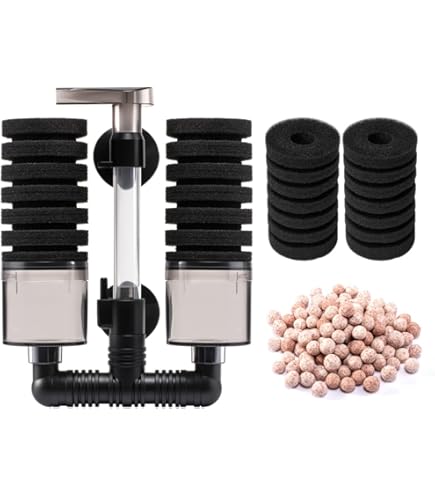
Sponge filters are gentle and effective. They provide mechanical and biological filtration without creating strong currents. This makes them ideal for fry.
- Cost-effective and easy to maintain
- Supports beneficial bacteria growth
- Safe for small and delicate fry
Hang-on-back Filters
Hang-On-Back filters are versatile. They offer mechanical, chemical, and biological filtration. Their adjustable flow rates can be set to low, which is safer for fry.
Canister Filters
Canister filters are powerful and efficient. They are suitable for larger tanks and can handle more waste. Fry thrive with clean water and stable parameters.
| Feature | Benefit for Fry |
| Multiple filtration stages | Ensures water purity |
| Customizable media | Allows for tailored water conditions |
| Quiet operation | Minimizes stress for fry |
Internal Filters
Internal filters are compact and fit inside the tank. They offer mechanical and biological filtration. These filters are easy to install and maintain.
Internal filters are perfect for small tanks where space is limited. They provide a safe environment for fry with minimal disruption.
Setting Up A Fry-friendly Filter
Young fish, or fry, need gentle water flow and safe filtration. Setting up the right filter helps keep them healthy and alive.
This guide explains how to adjust flow rate, add protective pre-filters, and ensure safe intake for fry tanks.
Adjusting Flow Rate
Fry are small and weak swimmers. Too strong a current can tire or injure them. Adjust the filter flow to a gentle stream.
- Use a flow control valve if your filter has one.
- Partially cover the filter outlet with a sponge or diffuser.
- Place plants or decorations near the outlet to break the current.
- Test the flow with your hand before adding fry.
Adding Protective Pre-filters
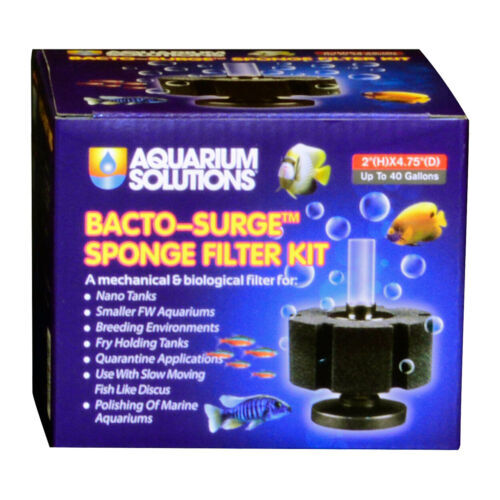
Pre-filters stop fry from being sucked into the filter. They also protect delicate filter parts from debris.
| Type of Pre-Filter | Description | Advantages |
|---|---|---|
| Sponge Sleeve | Soft foam wrapped around intake tube | Gentle on fry, easy to clean |
| Mesh Screen | Fine mesh covering intake | Prevents small fry entry, durable |
| Filter Pad | Foam pad attached to intake | Improves filtration, safe for fry |
Ensuring Safe Intake
Intake safety means no sharp edges or open suction. Fry can get stuck or hurt if intake is unsafe.
- Cover intakes with fine mesh or sponge.
- Check intake tubes for cracks or sharp points.
- Keep intake openings away from fry hiding spots.
- Regularly clean to prevent blockages that increase suction.
Credit: www.ebay.com
Maintenance Tips For Fry Filters
Keeping your aquarium filter clean is key to fry survival. Proper maintenance helps keep water safe and clear.
Fry are very sensitive to water changes and filter performance. Follow simple steps to protect them.
Regular Cleaning Schedule
Clean the filter parts regularly but gently. Removing debris keeps the filter working well.
- Turn off the filter before cleaning.
- Rinse sponges or foam pads in tank water only.
- Do not use soap or detergents on filter parts.
- Replace filter media only when very worn out.
- Clean the filter every two weeks or more if needed.
Avoiding Harmful Chemicals
Never use chemicals or strong cleaners on fry filters. These can hurt the young fish.
| Chemical | Effect on Fry |
|---|---|
| Bleach | Kills beneficial bacteria and fry |
| Ammonia-based cleaners | Poisonous to fry and adults |
| Detergents | Leaves harmful residues |
| Alcohol | Damages filter parts and water quality |
Monitoring Filter Efficiency
Check your filter often to make sure it runs smoothly. A poor filter means dirty water.
- Listen for strange noises or grinding sounds.
- Look for slow water flow from the filter outlet.
- Watch for cloudy or smelly water in the tank.
- Replace worn parts like impellers if needed.
- Keep a backup filter ready for emergencies.
Enhancing Water Quality Beyond Filtration
Good water quality is key for fry survival in an aquarium. Filters help clean water but are not enough alone. Extra care is needed to keep the water safe and healthy.
This guide explains how frequent water changes, proper feeding, and controlling waste improve the water quality beyond what filters do.
Frequent Water Changes
Changing water often removes harmful substances and keeps the environment stable for fry. It lowers toxins like ammonia and nitrites that filters may miss.
- Change 10-20% of the water twice a week
- Use dechlorinated water at the same temperature
- Remove uneaten food and debris before the change
- Check water parameters regularly to adjust change frequency
Proper Feeding Practices
Feeding fry the right way reduces waste and keeps the water clean. Overfeeding causes leftover food to rot and pollute the tank.
- Feed small amounts 2-3 times daily
- Use food sized for fry mouths
- Remove uneaten food after a few minutes
- Choose high-quality, digestible food
Controlling Waste And Debris
Waste buildup harms fry and clogs filters. Removing debris keeps the water clearer and safer for young fish.
| Method | Description |
| Gravel Vacuuming | Removes waste from substrate during water changes |
| Filter Maintenance | Clean filter parts regularly without killing beneficial bacteria |
| Plant Care | Trim dead leaves to prevent decay in the tank |
| Skimming | Use a net to remove floating debris daily |
Common Mistakes To Avoid
Using an aquarium filter for fry survival needs care and knowledge. Some common mistakes can harm tiny fish.
Learn what to avoid to keep your fry safe and healthy in their tank environment.
Overfiltering And Strong Currents
Strong water currents can stress or injure fry. Overfiltering causes fast water flow, which is unsafe for small fish.
- Choose filters with adjustable flow speed.
- Place filter outlets to reduce direct currents.
- Use sponge filters for gentle water movement.
- Test water flow before adding fry to the tank.
Neglecting Filter Maintenance
Dirty or clogged filters stop working properly. This lowers water quality and harms fry health.
| Maintenance Task | Frequency |
|---|---|
| Rinse filter media in tank water | Every 2 weeks |
| Check and clean impeller | Monthly |
| Replace filter cartridges | Every 4-6 weeks |
| Inspect tubing and connections | Monthly |
Using Inappropriate Filter Types
Not all filters suit fry tanks. Some filters remove too much water surface or harm fry physically.
- Sponge filters are best for fry tanks.
- Avoid strong canister filters for small fry.
- Use filters with protective covers.
- Choose filters that keep water gentle and clean.
Choosing The Right Filter For Different Fry Species
Fry are baby fish that need special care to survive. One important care aspect is choosing the right aquarium filter. Filters keep water clean and safe for fry.
Each fry species has different needs. Using the wrong filter can harm them. This guide helps you pick the best filter for small tropical fry, cichlid fry, and livebearer fry.
Small Tropical Fry
Small tropical fry are very tiny and delicate. They can be sucked into strong filters easily. These fry need gentle water flow and safe filtration.
Use sponge filters or air-driven filters. They clean water well without harming fry. Sponge filters also provide a surface for good bacteria to grow.
- Gentle water flow to avoid stress
- No strong suction to protect tiny fry
- Easy to clean and maintain
- Supports beneficial bacteria growth
Cichlid Fry
Cichlid fry are tougher but still need good water quality. They grow fast and produce more waste. A stronger filter is needed for their tanks.
Use hang-on-back filters with pre-filters or sponge covers. This reduces suction and keeps fry safe. These filters handle larger waste and keep water clear.
- Moderate to strong water flow
- Use sponge covers to protect fry
- Good filtration for higher waste
- Easy to add biological and mechanical media
Livebearer Fry
Livebearer fry like guppies and mollies are small but active. They swim in all tank areas and need safe, gentle filtration. They also need clean water for healthy growth.
Sponge filters or gentle internal filters work well. These filters keep water clean without strong currents. They also prevent fry from getting trapped or injured.
- Gentle water flow to avoid tiring fry
- Safe filtration without strong suction
- Easy to clean and maintain
- Supports good water quality for growth

Credit: www.amazon.com
Frequently Asked Questions
What Type Of Aquarium Filter Is Best For Fry Survival?
A sponge filter is best for fry survival. It provides gentle filtration without strong currents. This prevents fry from being sucked in or stressed. Sponge filters also promote beneficial bacteria growth that improves water quality, ensuring a safe environment for young fish to grow.
How Does Filter Flow Rate Affect Fry Survival?
A low flow rate is crucial for fry survival. Strong currents can exhaust or injure delicate fry. Adjustable filters allow you to control flow speed. Maintaining gentle water movement helps fry swim comfortably and reduces stress, improving their chances of survival.
Can Filter Media Harm Fry In Aquariums?
Filter media can harm fry if not chosen carefully. Rough or sharp media might injure small fry. Sponge or fine mesh media are safest as they prevent fry from getting trapped or hurt. Always ensure media is clean and non-toxic to maintain healthy water.
How Often Should Aquarium Filters Be Cleaned For Fry Tanks?
Clean filters every 2-4 weeks for fry tanks. Avoid deep cleaning that removes beneficial bacteria. Gently rinse filter media in aquarium water to preserve helpful microbes. Regular maintenance keeps water clean and safe, promoting fry health and survival.
Conclusion
Choosing the right aquarium filter helps keep fry safe and healthy. Clean water means fewer diseases and better growth. Filters remove harmful waste and keep the tank clear. Small fry need gentle water flow to avoid harm. A good filter supports a balanced environment for young fish.
Remember, regular filter checks keep the water quality high. Healthy fry grow into strong adult fish. Simple care and the right filter make all the difference. Your efforts will help fry survive and thrive.