
If you’re raising fry in your aquarium, you know how delicate these tiny fish are. Choosing the right aquarium filter for fry isn’t just about keeping the water clean—it’s about creating a safe, gentle environment where your baby fish can thrive.
But with so many filters on the market, how do you pick one that won’t harm your fry while still keeping their home healthy? Keep reading, because finding the perfect filter can make all the difference in your fry’s survival and growth.
Let’s dive into what you need to know to protect your little swimmers and help them flourish.
Why Filtration Matters For Fry
Raising fry needs careful attention to their environment. Clean water helps them grow healthy and strong. Filtration keeps the water safe for these tiny fish.
Without proper filtration, harmful substances build up fast. This can stress fry and slow their growth. Good filters remove waste and keep water clear.
Delicate Nature Of Fry
Fry are young fish with fragile bodies and weak immune systems. They cannot handle sudden changes in water. Clean water lowers the risk of disease and death.
Impact Of Water Quality
Good water quality supports fry growth and development. Poor water causes stress and weakens their health. Filtration helps keep water oxygen-rich and free of toxins.
- Maintains stable temperature and pH
- Removes harmful ammonia and nitrites
- Prevents buildup of fish waste
- Supports good oxygen levels
Common Water Contaminants
| Contaminant | Source | Effect on Fry |
| Ammonia | Fish waste and uneaten food | Poisonous, causes stress |
| Nitrites | Breakdown of ammonia | Reduces oxygen transport |
| Chlorine | Treated tap water | Damages gills and skin |
| Debris | Plant matter and dirt | Clogs gills and pollutes water |
Credit: www.amazon.com
Types Of Aquarium Filters Suitable For Fry
Fry are very small and delicate fish. They need gentle water flow and clean water to stay healthy.
Choosing the right aquarium filter helps protect fry and keeps their environment safe.
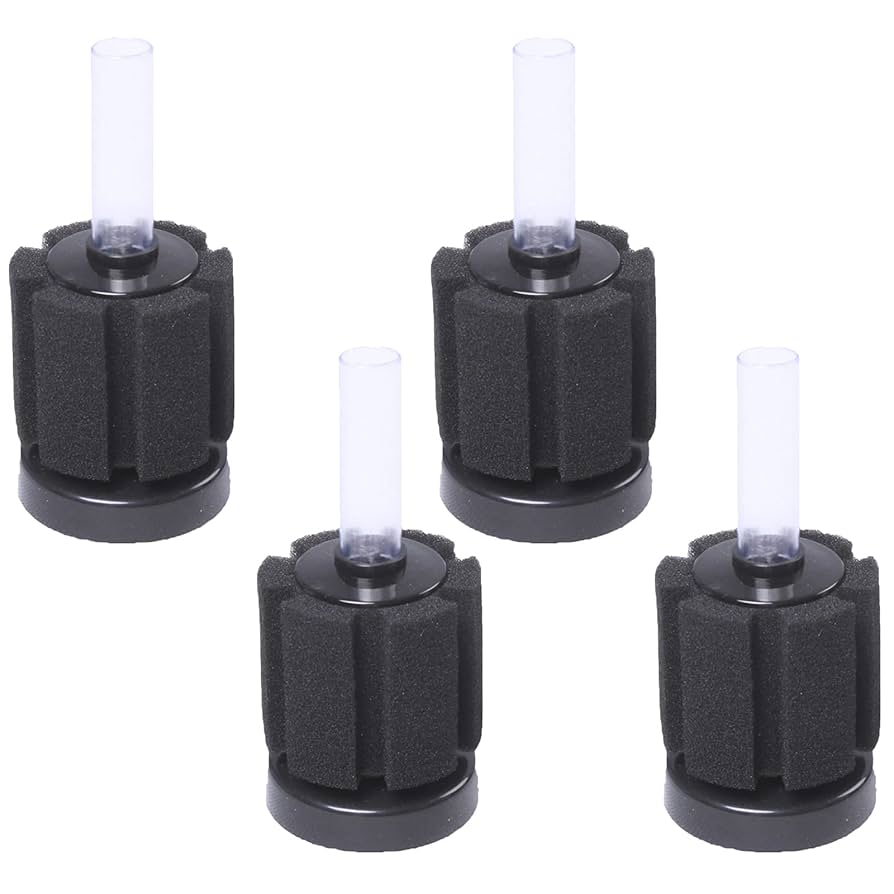
Sponge Filters
Sponge filters are very gentle and safe for fry. They use air to pull water through a sponge.
The sponge traps dirt and provides a place for good bacteria to grow. This helps clean the water.
- Gentle water flow prevents fry from being hurt
- Good bacteria grow on the sponge to break down waste
- Easy to clean and maintain
- Low cost and energy efficient
Internal Filters
Internal filters sit inside the aquarium. They filter water using sponges or cartridges.
Some models have adjustable flow to protect fry from strong currents.
- Compact and hidden inside the tank
- Can include mechanical and biological filtration
- Flow speed can often be adjusted
- Easy to install and clean
Hang-on-back Filters
Hang-on-back filters hang on the aquarium edge. They pull water up and push it back down.
These filters usually have strong flow. Use a spray bar or flow diffuser to protect fry.
- Good mechanical and biological filtration
- Easy to access for cleaning and media changes
- Flow can be controlled with attachments
- May need extra care for delicate fry
Undergravel Filters
Undergravel filters pull water down through the gravel. This helps clean the tank naturally.
They are gentle but need regular maintenance to work well for fry tanks.
- Provides good biological filtration
- Water moves slowly, safe for fry
- Helps prevent waste buildup in gravel
- Needs frequent cleaning and monitoring
Choosing The Right Filter For Your Fry Tank
Keeping fry safe and healthy needs the right filter. Fry are small fish that need gentle water flow.
Choosing a good filter helps keep water clean without stressing the fry.
Filter Flow Rate Considerations
Pick a filter with a low flow rate for a fry tank. Strong flow can hurt tiny fry or push them around.
Look for filters rated for tanks larger than yours. You can reduce the flow if needed.
- Choose flow rate about 3-5 times the tank volume per hour
- Use adjustable filters to control flow strength
- Low flow avoids stressing the fry
Avoiding Strong Currents
Strong currents can tire or harm fry. Use filters that do not create strong water movement.
Place filter outlets where water moves gently. You can add spray bars or sponge covers to soften flow.
- Use sponge filters or hang-on-back filters with flow control
- Cover filter outlets with foam or mesh to reduce pressure
- Keep water flow slow and steady
Filter Media Options
Choose filter media that cleans water without harming fry. Mechanical and biological media work best.
Sponge media is gentle and safe for fry. It traps debris and hosts good bacteria.
- Mechanical media traps dirt and debris
- Biological media supports beneficial bacteria
- Sponge filters combine both and are fry-friendly
Credit: www.walmart.com
Setting Up A Safe Filtration System
Setting up a filtration system for fry is important to keep them safe. Fry are small and delicate fish babies. A good filter keeps water clean without harming them.
This guide explains how to place filters properly, use pre-filters, and keep oxygen levels right. Follow these tips to protect your fry and help them grow healthy.
Proper Placement Of Filters
Place the filter where water flows gently near the fry. Avoid strong currents that can push fry around. The filter intake should be covered to stop fry from getting sucked in.
Keep the filter away from the tank’s bottom where fry rest. Put it near the side or back wall for better water movement. This helps clean water reach all parts of the tank.
Using Pre-filters And Guards
Pre-filters and guards protect fry from the filter’s suction. They stop fry from entering the filter and getting trapped. Use soft sponges or mesh covers as guards.
- Attach sponge pre-filters to filter intakes
- Use fine mesh guards that let water flow but block fry
- Clean pre-filters often to avoid clogging
- Check guards daily for damage or buildup
Maintaining Oxygen Levels
Fry need good oxygen levels to stay healthy. Filters help oxygenate water by moving it around. Check that the filter flow is steady but not too strong.
| Factor | Recommended Level |
| Water Flow | Gentle and steady |
| Oxygen Level | Above 6 mg/L |
| Filter Intake Guard | Soft sponge or fine mesh |
| Cleaning Frequency | Weekly or as needed |
Maintenance Tips For Fry Aquarium Filters
Keeping a fry aquarium filter clean is key to healthy fish. Fry are very sensitive to water quality. Regular maintenance helps remove harmful waste and keeps the water safe.
This guide covers simple ways to maintain your fry aquarium filter. Follow these tips to support the growth of your young fish.
Regular Cleaning Schedule
Cleaning your filter often stops dirt from building up. It also keeps the filter parts working well. Clean the filter every two weeks or when you see it slowing down.
- Turn off the filter and unplug it before cleaning.
- Rinse filter sponges or pads in tank water, not tap water.
- Remove debris from intake tubes and impellers.
- Do not clean all filter media at once to keep beneficial bacteria.
- Check for worn parts and replace if needed.
Replacing Filter Media
Filter media traps waste and helps good bacteria grow. Replace media carefully to avoid harming the tank’s balance. Use this table to know when to replace each type.
| Media Type | Replacement Time | Notes |
| Mechanical (sponges, pads) | 4-6 weeks | Rinse regularly, replace when worn out |
| Chemical (activated carbon) | 3-4 weeks | Remove odors and toxins |
| Biological (bio balls, ceramic rings) | 6-12 months | Replace only if damaged or clogged |
Monitoring Water Parameters
Good water quality is vital for fry health. Check water parameters often. Use a test kit to measure ammonia, nitrite, nitrate, and pH levels.
- Test water twice a week in a fry tank.
- Keep ammonia and nitrite at zero.
- Keep nitrate below 20 ppm.
- Maintain pH between 6.5 and 7.5 depending on fry species.
- Perform partial water changes if values rise.
Common Mistakes To Avoid
Taking care of fry in an aquarium requires special attention. Filters play a key role in keeping the water clean. But, some mistakes can harm the fry.
Understanding these mistakes will help ensure the health and safety of your baby fish.
Over-filtration Risks
Too much filtration can create strong currents. Fry are small and weak. They may struggle to swim in strong water flow. This can lead to stress and exhaustion.
Choose a filter with adjustable flow settings. This will help you control the water movement. A sponge filter is also a good choice. It provides gentle filtration without strong currents.
Neglecting Water Changes
Skipping water changes can harm the fry. Waste builds up quickly in a small tank. This leads to poor water quality. Poor water can cause illness and stress.
Regular water changes are important. Change 10-20% of the water weekly. This keeps the tank clean and healthy for the fry.
Using Harsh Chemicals
Harsh chemicals can be dangerous for fry. Some people use them to clean the tank. But, they can harm the delicate fry and disrupt the water balance.
Always use aquarium-safe products. Read labels carefully. Natural methods like using a sponge filter can help maintain a clean tank without chemicals.
Enhancing Water Quality Beyond Filtration
Keeping aquarium water clean is crucial for the health of fry. Filters help, but there are other ways to improve water quality. These methods ensure a safe environment for young fish.
Enhancing water quality involves more than just using a filter. It includes live plants, proper feeding, and regular monitoring. Each plays a role in maintaining a balanced aquarium.
Live Plants Benefits
Live plants are great for aquariums. They help keep the water clean. Plants absorb harmful chemicals like ammonia and nitrates. This makes the water safer for fry.
Plants also produce oxygen, which is vital for fish. They create a natural habitat, offering hiding spots for fry. This reduces stress and promotes growth.
- Absorb harmful chemicals
- Produce oxygen
- Provide hiding spots
Proper Feeding Practices
Feeding fry correctly helps keep the water clean. Overfeeding can pollute the water and harm fish. It’s important to give small, frequent meals that fry can eat quickly.
Use high-quality food designed for fry. This ensures they get the nutrients they need without leaving excess waste in the tank. Proper feeding supports healthy growth and clean water.
- Small, frequent meals
- High-quality food
- Prevents water pollution
Regular Tank Monitoring
Regular monitoring is key to maintaining water quality. Check the water parameters like pH, ammonia, and nitrites often. This helps catch problems early and keep the tank safe.
Use reliable testing kits for accurate results. Keep a schedule for water changes to remove toxins. Monitoring ensures a healthy environment for fry to thrive.
- Frequent water checks
- Use testing kits
- Scheduled water changes

Credit: www.amazon.com
Frequently Asked Questions
What Is The Best Aquarium Filter For Fry?
The best aquarium filter for fry is a sponge filter. It provides gentle filtration without harming delicate fry. It also promotes beneficial bacteria growth, ensuring clean and safe water for young fish.
How Does A Sponge Filter Benefit Fry Tanks?
A sponge filter offers gentle water flow that prevents fry from being sucked in. It also supports biological filtration, maintaining healthy water conditions essential for fry growth and survival.
Can I Use A Regular Filter For Fry Tanks?
Regular filters may create strong currents that harm fry. It’s better to use a sponge filter or a filter with adjustable flow for fry tanks to keep them safe and comfortable.
How Often Should I Clean The Fry Aquarium Filter?
Clean the fry filter every 2-3 weeks to avoid clogging. Use tank water to rinse the sponge, preserving beneficial bacteria that help maintain water quality.
Conclusion
Choosing the right aquarium filter for fry helps keep them safe and healthy. A gentle filter keeps water clean without harming tiny fish. Good water quality means fry grow strong and live longer. Simple filters with sponge or gentle flow work best.
Remember, regular cleaning keeps the filter working well. Healthy fry lead to a happy and thriving aquarium. Take time to pick a filter that suits your tank size. Small changes make a big difference for young fish. Care and attention give your fry the best start.